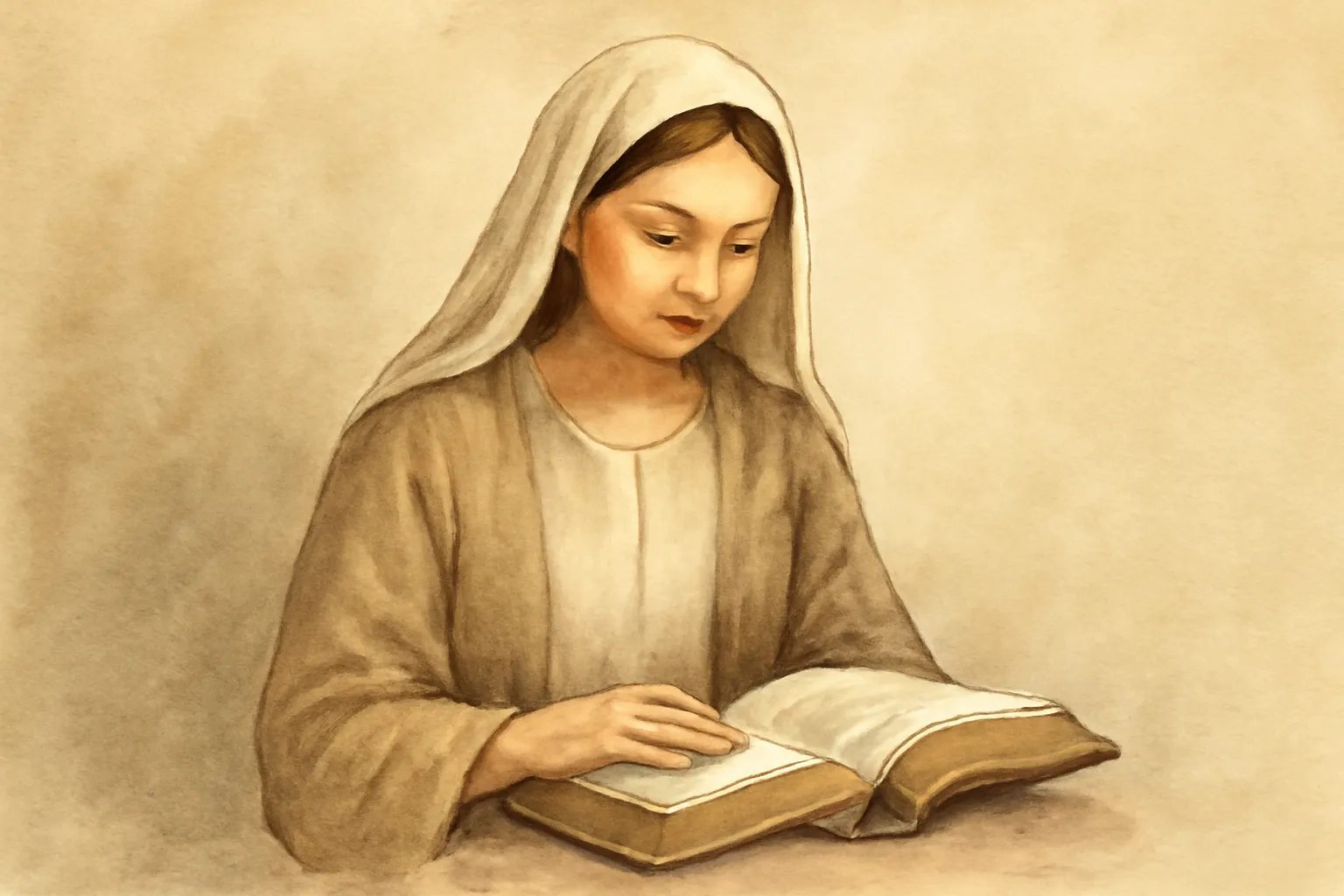
Bible Verse for a Virtuous Woman: Inspiring Scriptures offers a compassionate and practical view of what it means to live with wisdom, strength, and grace in a world that often pressures women to measure worth by outward signs. This article draws from the timeless language of the Bible to explore what it means to be a woman of virtue, a Proverbs 31 woman, and a godly wife and mother in both ancient and modern contexts. By examining key verses, their cultural background, and their everyday applications, readers can gain a deeper sense of purpose, responsibility, and hope grounded in Scripture.
The idea of a virtuous woman in the Bible centers on inner character—courage, integrity, diligence, kindness, wisdom, and faith—more than mere outward appearance. In the Hebrew Bible, the word often translated as “virtuous” is chayil, a term that carries the sense of strength, valor, and capability. A woman of chayil is someone who both adds value to her household and embodies a moral and spiritual steadfastness that serves as a pattern for others. The quintessential portrait of such a woman is found in Proverbs 31, but the biblical witness also speaks of virtue in a broader sense, including modesty, teachability, and service to others.
In Proverbs 31, the virtuous woman is described in practical, concrete terms: she works hard, manages resources wisely, cares for her family, and acts with wisdom and generosity. Yet the passage also is aspirational—an ideal that invites readers to grow into greater strength and character under God’s guidance. For many readers, the phrase “the Proverbial 31 woman” functions not as a rigid checklist but as a living invitation to pursue virtue in everyday life—in marriage, parenting, work, community, and spiritual discipline.
It is important to distinguish between earthly expectations and divine calling. Virtue is not a passport to perfection, but a trajectory of discipleship. The Bible teaches that a virtuous life flows from a relationship with God, empowered by grace, and expressed through love for neighbor. In that light, the image of a virtuous woman becomes a beacon for all believers, encouraging humility, service, and steadfast trust in the Lord.
Key verses that speak to virtue in a woman
Several passages, often quoted and reflected upon together, illuminate what it means to cultivate virtue. The following verses—drawn from the King James Version (KJV) to emphasize their public-domain language—form a core set for study and meditation. They can be read as a sequence, as individual guidelines, or as cross-referenced anchors for weekend reflection or family study.
Proverbs 31:10 — «Who can find a virtuous woman? for her price is far above rubies.» Key idea: true virtue is precious and rare, while worth is measured by character.
Proverbs 31:11-12 — «The heart of her husband doth safely trust in her, so that he shall have no need of spoil. She will do him good and not evil all the days of her life.» Key idea: trust, loyalty, and ongoing faithfulness are central to virtue in marriage.
Proverbs 31:13-15 — «She seeketh wool, and flax, and worketh willingly with her hands. She is like the merchants’ ships; she bringeth her food from afar. She riseth also while it is yet night, and giveth meat to her household.» Key idea: industry, resourcefulness, and care for others.
Proverbs 31:16-18 — «She considereth a field, and buyeth it: with the fruit of her hands she planteth a vineyard. She girdeth her loins with strength, and strengtheneth her arms. She perceiveth that her merchandise is good: her candle goeth not out by night.» Key idea: diligence, prudence, and steadfastness in work and household leadership.
Proverbs 31:19-21 — «She layeth her hands to the spindle, and her hands hold the distaff. She stretcheth out her hand to the poor; yea, she reacheth forth her hands to the needy. She is not afraid of the snow for her household: for all her household are clothed with scarlet.» Key idea: generosity, preparedness, and care for others, especially the vulnerable.
Proverbs 31:22-24 — «She maketh herself coverings of tapestry; her clothing is silk and purple. Her husband is known in the gates, when he sitteth among the elders of the land. She maketh fine linen, and selleth it, and delivereth girdles unto the merchant.» Key idea: dignity, enterprise, and influence within the community.
Proverbs 31:25 — «Strength and honour are her clothing; and she shall rejoice in time to come.» Key idea: dignity under pressure and confident faith in the future.
Proverbs 31:26 — «She openeth her mouth with wisdom; and in her tongue is the law of kindness.» Key idea: wise speech and gentleness as outward expressions of inner virtue.
Proverbs 31:27 — «She looketh well to the ways of her household, and eateth not the bread of idleness.» Key idea: responsibility, order, and productive living.
Proverbs 31:28-29 — «Her children arise up, and call her blessed; her husband also, and he praiseth her. Many daughters have done virtuously, but thou excellest them all.» Key idea: impact on family and the recognition of distinctive virtue.
Proverbs 31:30 — «Favour is deceitful, and beauty is vain: but a woman that feareth the LORD, she shall be praised.» Key idea: ultimate source of praise is reverence for God, not merely appearances.
Proverbs 31:31 — «Give her of the fruit of her hands; and let her own works praise her in the gates.» Key idea: virtue is validated by tangible, fruitful deeds in community life.
In addition to Proverbs 31, other verses broaden the conversation about virtue in the life of a woman, underscoring themes such as modesty, wisdom, and the nurturing of younger generations. The following verses are often cited in discussions about virtue and godly character for women:
Titus 2:3-5 — «The aged women likewise, that they be in behavior as becometh holiness, not false accusers, not given to much wine, teachers of good things; That they may teach the young women to be sober, to love their husbands, to love their children, To be discreet, chaste, keepers at home, good, obedient to their own husbands, that the word of God be not blasphemed.» Key idea: intergenerational mentoring in virtuous living.
1 Peter 3:3-4 — «Whose adorning let it not be that outward adorning of plating the hair, or of wearing of gold, or of putting on of apparel; But let it be the hidden man of the heart, in that which is not corruptible, even the ornament of a meek and quiet spirit, which is in the sight of God of great price.» Key idea: inner beauty and character as ultimate adornment.
Proverbs 12:4 — «A virtuous woman is a crown to her husband: but she that maketh ashamed is as rottenness in his bones.» Key idea: virtue brings honor and strength to the family.
Verse-by-verse study of Proverbs 31
Verses 10-12: The rarity and reliability of virtue
The opening line sets an aspirational tone by noting the rarity of a virtuous woman, yet it also invites readers to pursue virtue. The verse emphasizes trust and the solid foundation of a relationship built on mutual respect and faithfulness. In a modern setting, these lines can be read as a reminder that trustworthy character is the cornerstone of healthy marriages and families, not merely charm or charm alone.
Verses 13-19: Industry, resourcefulness, and care
Here the virtuous woman is described as industrious, entrepreneurial, and strong. She engages with the material world—seeking wool and flax, working with her hands, and even arranging resources such as fields and vineyards. The practical savvy described here is balanced with tenderness toward her household and a concern for the vulnerable. The passage highlights the balance between professional competence and familial nurture, suggesting that work and love can harmonize in one life well lived.
Verses 20-22: Generosity and preparedness
She extends her hands to the poor and the needy, demonstrating a generous heart. She is mindful of family welfare, ensuring everyone is clothed and cared for when winter comes. The virtue of generosity is not optional for a wise woman; it flows naturally from a character trained by faith and service.
Verses 23-24: Influence and enterprise in community life
Her husband is known at the gates, and she herself is involved in commerce, providing goods for others. This suggests that a virtuous woman contributes to the broader public sphere while maintaining a humble and supportive domestic posture. The balance of influence and humility is a recurring theme in the Proverbs 31 portrait.
Verses 25-27: Strength, wisdom, and disciplined care
Strength and honour are her clothing; she speaks with wisdom, and her work shows careful attention to the needs of her household. These verses crystallize the idea that virtue includes both inner fortitude and prudent, compassionate action. The integration of strength and tenderness characterizes a mature, godly approach to leadership within the home.
Verses 28-31: Family blessing and ultimate reward
The passage closes with affirmation from her children and husband, followed by a statement that the most enduring praise comes from honoring God. The verse about fearing the LORD—“a woman that feareth the LORD, she shall be praised”—is often a guiding beacon for readers who seek to align daily living with divine purpose. The final exhortation to let her works praise her emphasizes that virtue is proven by fruit in community life and faithfulness to God.
Other scriptures about virtue, modesty, and noble character
Beyond Proverbs 31, the Bible contains a number of passages that describe the dimensions of virtue in women. These verses collectively encourage a posture of humility, service, self-control, and reverence for God. They also acknowledge the complexity of life, offering guidance that can be applied to today’s contexts—home, work, church, and public life.
Titus 2:3-5 — Encourages older women to instruct younger women in virtue, love for family, and self-control, so that the church and homes are built on a solid foundation of godly living.
1 Peter 3:3-4 — Emphasizes that the true adornment is an inner beauty that mirrors the character of Christ—gentleness and a quiet spirit.
Proverbs 12:4 — Declares that a virtuous woman is a crown to her husband, underscoring the impact of virtue on marriage and family life.
Proverbs 31:25-26 — Highlights the combination of strength, dignity, wise speech, and compassionate leadership as hallmarks of virtue.
Proverbs 31:30 — Reminds readers that incomparable value comes from a reverence for God, not from beauty, status, or charm alone.
In applying these passages, readers can recognize that virtue encompasses both character and conduct: a mind trained by wisdom, a heart warmed by compassion, hands ready to serve, and a life oriented toward honoring God and blessing others. When read together, these passages offer a comprehensive vision for a life of moral integrity, spiritual maturity, and practical ministry in family and community.
Practical applications for modern life
While the Bible describes a traditional domestic and familial focus for virtue, the underlying principles translate well to contemporary life. The following practical applications aim to help readers apply biblical virtue to daily decisions, relationships, and community involvement.
Lead with character: Cultivate integrity, honesty, and a posture of service in all work, whether at home, in the workplace, or in local ministry groups.
Practice wise stewardship: Manage resources—time, money, and energy—with foresight and generosity, paralleling the industriousness described in Proverbs 31.
Nurture relationships: Invest in marriages and family relationships with patience, respect, and practical acts of love that reinforce trust.
Develop gentle strength: Embrace inner strength that shows itself in self-control, calm under pressure, and a kind, persuasive voice when needed.
Guard modesty and dignity: Seek an outward presentation that reflects inner virtue, choosing modest attire and demeanor that honor God and others.
Cultivate generosity: Extend care to the vulnerable and poor in tangible ways—whether through time, resources, or encouragement.
Mentor others: Embrace mentorship as a way to pass on wisdom to younger women, modeling virtue through lived example and compassionate guidance.
Root virtue in faith: Let reverence for God shape decisions, priorities, and hopes for the future, recognizing that true virtue flows from a relationship with the Divine.
These applications encourage readers to embody the biblical ideal not as perfection but as a joyful, ongoing process of growth and service. In many ways, the virtuous life is the intersection where personal virtue, family devotion, and community impact meet—an expansive calling for any woman who desires to live with purpose and integrity.
Understanding the cultural backdrop of Proverbs 31 helps readers appreciate the nuance of the virtuous woman’s portrayal. This chapter is part of a collection of wisdom literature that uses poetry, imagery, and practical instruction to convey ethical ideals. The acrostic structure of Proverbs 31 in Hebrew—each verse beginning with a successive letter of the alphabet—frames virtue as a comprehensive, orderly discipline rather than a haphazard set of good intentions. The portrayal merges domestic responsibility with public virtue, suggesting that home-centered living and public contribution are not opposed but mutually reinforcing. In ancient Near Eastern societies, a woman’s character was often linked to the wellbeing of her family and tribe; the biblical writer expands that idea to celebrate leadership, entrepreneurship, and social responsibility under God’s guidance.
For contemporary readers, the chapter can be read as a timeless call to integrate spiritual disciplines with everyday actions: prayerful discernment, diligent labor, compassionate outreach, and faithful witness. It is not a rigid blueprint but an aspirational portrait—one that invites each reader to discover how virtue can be expressed uniquely in her own circumstances, gifts, and callings.
Common misconceptions and healthy cautions
As with any influential biblical portrait, it is important to distinguish between inspiring ideals and cultural expectations. Some common misconceptions about virtue in women include the idea that virtue equals compliance with traditional gender roles, or that the virtuous life demands self-denial to the point of neglecting personal gifts or vocation. A careful reading of Scripture, however, reveals a more nuanced message: virtue includes discernment, empowerment, and the responsible use of one’s gifts for the common good. The biblical vision honors both inner transformation and outward action.
Avoid perfectionism: Virtue is a process of growth—not a flawless performance. The Bible celebrates progress and faithfulness over flawless achievement.
Avoid legalism: Virtue is not a checklist of arbitrary rules; it is a life shaped by love for God and neighbor, guided by wisdom and grace.
Avoid comparison: Each person’s call and circumstances differ. The goal is fidelity to God’s leading in one’s own context, not a replica of someone else’s life.
Avoid minimizing care for self: Virtue includes self-care—spiritual, emotional, and physical health—so one can serve others with lasting strength and joy.
In a diverse Christian community, readers may encounter various expressions of virtue. The common ground remains: a life oriented toward God, guided by wisdom, and evidenced by love and service to others. That is the heart of the virtuous woman as described in the biblical witness.
Concluding reflections: embracing a virtuous life today
Across generations and cultures, the biblical portrait of a virtuous woman continues to speak with clarity and relevance. The verses we have explored point to a life marked by moral courage, generous hospitality, wise leadership, and steadfast faith. When these qualities are cultivated in one’s life, they become a powerful testimony to God’s work within and through a person. The ideal of the Proverbs 31 woman invites believers to pursue virtue not as a burden but as a blessed invitation—one that brings blessing to family, community, and church, and ultimately honors God.
Readers are encouraged to approach these scriptures with practical discernment: choose a few verses at a time to meditate on, consider how they translate into daily routines, and seek support from mentors and fellow believers who can offer encouragement and accountability. Whether one is in a season of marriage, motherhood, single adulthood, or elder leadership, the biblical language of virtue provides a shared framework for growth, resilience, and grace.
As you study and apply these inspirations, may you discover not only the beauty of the virtues described but also the source of enduring strength: a personal relationship with God, who empowers ordinary people to do extraordinary good. Let the scriptural ideal of a virtuous woman become a living aspiration—a path of virtue that leads to hope, peace, and a life that shines with love for God and neighbor.
Why Bible Verses on Christian Mission Matter The Christian life is often described as a journey with a purpose beyond personal comfort—a calling to bring the light of Christ into every corner of the world. Christian mission is not merely a historical event confined to the pages of the Bible; it is a living invitation…
Bible Verse for Non Believer: Uplifting Passages That Speak to Doubt and Faith Many people approach the Bible with questions rather than certainties. If you are exploring beliefs, you may find in these pages passages that speak not only to those who already believe, but also to those who question, wonder, or simply feel unsure…
Many readers find a steadying promise in the Bible: God will lift you up. This assurance shows up in varieties of wording across different books, contexts, and translations, but the heart of the message remains the same: the Creator sees you in your struggles, hears your cries, and acts to bring you from low places…
Bible Verses About Crying Out to God — Comfort and Hope in Prayer Across the pages of Scripture, believers cry out to God in moments of distress, fear, grief, or overwhelming need. These prayers are not a sign of spiritual weakness but a powerful expression of trust: a petition that God hears, helps, and draws…
Embracing Bible Verse Power in Daily Life In a world filled with noise and distraction, the power of Scripture can be a steady anchor for the heart. The phrase bible verse power captures a timeless truth: God’s Word carries a transforming energy that can realign our thoughts, refresh our spirit, and strengthen our faith when…
Exploring the Bible verse John 8:32 and its enduring claim that the truth shall set you free opens a window into how Scripture speaks of knowledge, liberty, and transformation. This article surveys the verse itself, its immediate context, how it has been rendered across translations, and how it functions in Christian teaching and daily living….