Introduction to the Church Blueprint: A Practical Guide for Designing Inspiring Worship Spaces
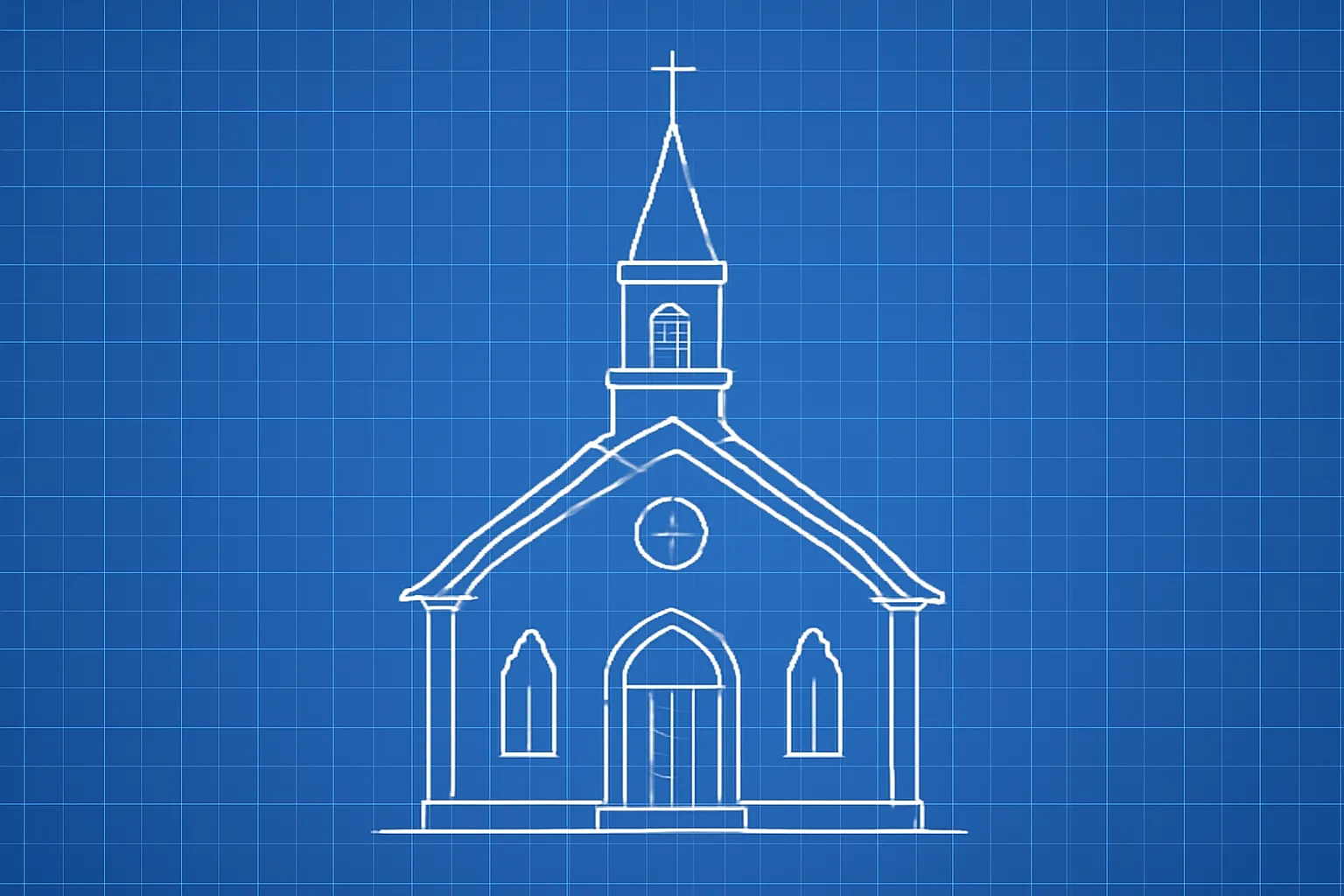
A church blueprint is more than a schematic drawing or a rough sketch. It is a strategic, living document that translates a community’s mission into space. When conceived as a facility master plan, it guides architectural decisions, budgets, and timelines while keeping the congregation at the center. In this guide, you will learn how to develop a practical church plan that balances reverence, functionality, accessibility, and sustainability. By exploring the language of space, circulation, acoustics, and materials, you can create worship environments that are inspiring, inclusive, and durable for decades to come.
Understanding the Concept: What a Blueprint Means for a Faith Space
The term chapel blueprint or sanctuary plan encompasses more than the sanctuary itself. It includes the narthex (entry space), the fellowship hall, educational wings, offices, and support spaces such as kitchens and restrooms. A well-crafted worship space master plan aligns spiritual objectives with practical constraints such as site conditions, local codes, and climate considerations.
When developing a church architectural plan, consider the following core ideas:
Purpose alignment: How will the space support worship, education, outreach, and community life?
Flexibility: Can the spaces adapt to evolving programs without sacrificing quality?
Identity: Does the design reflect the congregation’s heritage and aspirations?
Economy: Are construction and ongoing maintenance costs sustainable?
Accessibility: Is the site usable by people with varying mobility and abilities?
Key Elements of an Inspiring Church Space
Spatial Hierarchy: From Welcome to Worship
A clear wayfinding system and a logical circulation pattern help visitors and regulars navigate the campus with ease. A typical hierarchy might include:
Narthex or Welcome Area—a buffer zone that introduces the space.
Gathering/Pre-Function Zones—areas for conversation, coffee, and connection.
Worship Space—the central focal point for liturgy and singing.
Education and Youth Spaces—classrooms, labs, and flexible rooms for learning.
Administrative and Support Areas—offices, storage, and operational rooms.
Acoustics and Atmosphere
Sound quality and atmosphere are essential to an inspiring worship space. The acoustic design should balance speech intelligibility with musical richness. Consider:
Materials that absorb or diffuse sound where needed.
Speakers, microphones, and AV placement that minimize feedback and echo.
Soft furnishings or portable panels to adapt acoustics for different services.
Lighting as a Spiritual and Practical Tool
Lighting shapes mood and readability. A thoughtful worship space lighting plan uses a combination of ambient, task, and accent lighting. Key considerations include:
Natural daylight strategies that reduce energy use and connect the outdoors with worship.
Color temperature that supports reverence and clarity for readings.
Control systems that enable transitions between liturgical moments.
Materials and Craftsmanship
The choice of materials communicates values and durability. Durable, low-maintenance finishes that age well are preferable for high-traffic spaces. Pay attention to:
Flooring that is both durable and comfortable underfoot.
Wall treatments that support acoustics and aesthetics.
Low-VOC paints and finishes for indoor air quality.
Site and Context: Where a Church Plan Begins
Understanding the Site
A well-conceived site plan for a church respects topography, climate, and neighborhood context. It considers access from major streets, parking demand, and pedestrian safety. The relationship between indoor and outdoor spaces—courtyards, green spaces, and prayer gardens—can enrich the spiritual experience.
Code, Compliance, and Safety
Every building program must satisfy local building codes, fire safety requirements, accessibility standards (such as ADA compliance in the United States or equivalent in other regions), and sustainability guidelines. A robust compliance checklist helps prevent costly revisions later.
Contextual Identity
The architectural language should resonate with the community’s identity while remaining timeless. Some congregations lean toward a contemporary, light-filled aesthetic; others honor a historical lineage through materials and form. The church identity plan guides choices about scale, massing, and the treatment of sacred spaces.
Spatial Layout: Designing Flow, Function, and Flexibility
Functional Zoning
A practical church layout divides programs into zones that minimize interference and optimize adjacency. Examples include:
Public Zone—entry, welcome, coffee, and socializing areas.
Sacred Zone—sanctuary, chancel, and sacristy.
Educational Zone—classrooms, nurseries, and apprenticeships.
Administrative Zone—offices, library, and staff support.
Circulation and Accessibility
Clear circulation is about more than moving bodies; it is about guiding a spiritual journey. Plan corridors, stairways, and elevators to be intuitive and inclusive. Incorporate accessible routes that accommodate wheelchairs, strollers, and emergency evacuation needs.
Flexibility and Future-Proofing
A multipurpose hall or a multi-use room can transform to accommodate weddings, concerts, or community meetings. Designing with modular furniture, movable partitions, and adaptable AV systems extends the usefulness of the space.
The Sanctuary: Center of Worship and Community
Chancel and Altar: Sacred Focus
The sanctuary design should emphasize the pulpit, lectern, and altar while ensuring sightlines for everyone. Consider a design that supports several liturgical styles and allows the pastor and worship team to be heard clearly.
Seating and Sightlines
Seating arrangements should optimize visibility and acoustics. Options include traditional fixed pews, movable chairs, or a hybrid approach. The goal is inclusive sightlines for all generations and seating preferences.
Sacred Art and Ornamentation
Ornamentation should elevate worship without distracting attendees. Select sacred symbolism that communicates the congregation’s story and theology, using light, color, and texture to enhance the liturgy.
Gathering and Community Areas: Nurturing Relationships
Fellowship and Fellowship Halls
A fellowship hall or gathering space is where relationships deepen. Design with flexible seating, good natural light, and amenities that support small group conversations, receptions, and family events.
Education Wings
Educational spaces should be adaptable for Sunday schools, youth groups, and adult education. Consider programmatic zoning that allows streaming or hybrid learning to accommodate remote participants.
Pastoral and Administrative Suites
Quiet, private spaces for counseling, meetings, and administrative work are essential. The administrative office cluster should be accessible yet separate from the main public spaces to maintain confidentiality and efficiency.
Technology and Multipurpose Capabilities
Audio-Visual Infrastructure
A modern AV system supports worship, teaching, and community events. Plan for scalability, remote collaboration, captioning, and recording capabilities to reach more people.
Digital Presence and Streaming
A robust digital ministry plan integrates streaming, online engagement, and secure storage of media. The blueprint should designate spaces for video production and control rooms with appropriate acoustics and ventilation.
Security and Safety Technologies
Security features should balance safety with welcome. Consider controlled entries, surveillance where appropriate, well-lit pathways, and emergency communication systems—without creating a fortress-like atmosphere.
Sustainability and Material Choices
Energy Efficiency
A practical green church plan reduces operating costs and environmental impact. Strategies include high-performance insulation, energy-efficient HVAC, LED lighting, and passive design principles that maximize natural ventilation and daylight.
Durable and Low-Maintenance Materials
Areas with heavy foot traffic benefit from durable materials, while high-traffic zones use textures that resist wear. Choose materials with low VOC emissions to ensure healthy indoor air quality.
Indoor Environmental Quality
A comfortable indoor environment supports attention, learning, and worship. Consider air exchange rates, humidity control, and thermal comfort as part of the overall building performance plan.
Community Involvement and Visioning Process
Stakeholder Engagement
A successful church master plan emerges from collaboration with clergy, lay leaders, volunteers, and youth. Structured workshops, charrettes, and surveys help gather diverse voices and build consensus.
Visioning and Programming
The programming phase translates mission into space. This involves defining space needs by user groups, prioritizing spaces, and developing a phased approach that aligns with funding and timelines.
Phasing and Implementation Strategy
A practical implementation plan breaks the project into phases aligned with funding cycles. Each phase should deliver tangible improvements while preserving ongoing operations. Include risk management, contingency plans, and clear milestones.
Case Studies and Practical Examples
Case Study: Suburban Community Church
In a midsize suburban church, the chapel plan integrated a multi-use gathering space with movable walls to host weddings, concerts, and community meetings. The design prioritized accessible entrances, a warm color palette, and acoustically tuned walls to support both spoken word and music.
Case Study: Urban Faith Center
An urban campus with limited lot size used a compact sanctuary plan that shared a vertical circulation core with classrooms and offices. The design emphasized daylighting, a welcoming Narthex, and an exterior courtyard for outdoor worship and social events.
Case Study: Rural Faith Community
A rural congregation invested in a facility master plan that expanded gradually, preserving the old sanctuary while adding a separate fellowship hall and education wing. The phased approach reduced upfront cost and preserved heritage.
Documentation: Creating a Practical Master Plan for a Church
From Vision to Drawings
Translating mission into formal documentation begins with a schematic design phase, followed by design development and construction documentation. A well-structured architectural plan for church includes site plans, floor plans, elevations, sections, and mechanical, electrical, and plumbing drawings.
Key Deliverables
Site Plan showing access, parking, and outdoor spaces.
Floor Plans for each functional zone with dimensions and furniture layout.
Elevation Drawings illustrating exterior appearance and material choices.
Section Drawings to reveal vertical relationships and floor heights.
Material and Finish Schedule detailing surfaces, colors, and textures.
Code Compliance Report verifying accessibility, safety, and environmental standards.
Stakeholder Review and Approval
Regular reviews with leadership and the congregation ensure buy-in. Transparent communication about cost, schedule, and design decisions strengthens trust and reduces change orders during construction.
Ongoing Management: Maintenance and Stewardship
A building operations plan guides maintenance, capital reserves, and future renovations. The blueprint should include a preventative maintenance schedule for HVAC systems, lighting, and structural components to protect the investment over time.
The Power of a Thoughtful Church Blueprint
Designing a church space through a comprehensive church plan is a form of stewardship. It is about creating places where people can encounter the sacred, learn together, and build community. A well-crafted sanctuary blueprint or worship space plan honors tradition while embracing innovation. By attending to spatial hierarchy, acoustics, lighting, accessibility, and sustainability, you can lay the groundwork for a thriving faith community that endures across generations. In short, a thoughtful church architectural plan is not just about buildings; it is about enabling a living, breathing body of believers to grow, serve, and celebrate together.