Understanding the Purpose of God’s Plan for Salvation
In a world filled with competing voices about meaning, purpose, and destiny, a clear guide to
redemption can bring profound certainty. This article offers an in-depth look at God’s plan for salvation—often described in multiple familiar terms such as God’s plan of salvation, the plan of redemption, or the divine plan for salvation.
Across ages and cultures, the message remains strikingly consistent: God desires to
restore broken relationship with humanity, to heal what sin has fractured, and to bring people into a renewed life that endures beyond the present world.
The aim of this guide is not to present a single theological formula but to offer a clear,
accessible map of how the salvation narrative unfolds—from creation to consummation—and how an individual can respond to it in personal trust and daily living. We will cover the problem humanity faces, the core acts of God in history, the role of Jesus, and the ongoing work of grace through faith, repentance, and the Spirit. Throughout, important terms will be highlighted to emphasize their crucial roles in this grand story.
The Problem: Sin, Separation, and the Need for Redemption
The starting point for any discussion of salvation is recognizing the problem that human beings face. Sin is more than isolated mistakes; it represents a condition of misalignment with the holy
standard of God and a tendency toward self-rule that culminates in guilt, fear, and broken community.
When people pursue their own desires apart from God, relationships fracture—first with God, then with
others, and finally within themselves. This results in a deep sense of alienation and a longing for
reconciliation. The separation is not merely external but internal; it affects thinking, choices, and the
trajectory of life. The biblical narrative frames this as a universal human condition, not a special problem for a few.
In the face of this problem, the world often proposes many solutions, but redemption—the release from guilt and the restoration of relationship with God—requires a source
greater than human effort. The message of salvation is not simply moral improvement; it is transformative
life that reconnects people to their Creator and reorients every facet of existence toward truth, justice, and love.
The Core Idea: God’s Plan for Salvation—A Framework for Redemption
God’s plan for salvation is not a scattered set of moral tips but a cohesive story
in which God acts to restore, heal, and renew. The plan unfolds across history in layered steps,
moving from cosmic intent to personal transformation. The core idea can be summarized in a few
overarching themes:
Love and initiative: God is the initiator of salvation, not humanity, and His motivation is
love that seeks to rescue and restore.
Reconciliation: The aim is to restore broken relationship between God and people, and among people themselves.
Transformation: Salvation encompasses both a legal stand before God (justification) and a life
redirected by the Spirit (sanctification).
Hope and eternity: The plan looks forward to new creation, ultimate justice, and lasting peace.
To understand this plan, it helps to see how it is described in broad strokes and in concrete moments. We will now explore the grand narrative that carries the story forward—from creation and the fall to promise, law, the prophets, and the fulfillment in Jesus.
The Bible begins with a world that God declares to be good and beautiful, designed for relationship with Him. People are invited into a life of trust, worship, and
service—not as coercive rulers, but as caretakers who reflect God’s character.
The Fall: The Break in Relationship
Humanity’s turn away from God—often summarized as the Fall—breaks the innocent order and introduces pain, toil, and misalignment with God’s purposes. This turning away creates a need for redemption that no human effort alone can satisfy.
The Promise: A Path Back to God
In response to the Fall, God makes promises that point forward to a time when broken relationships will be healed. These promises form a thread of hope throughout Scripture and lay the groundwork for what is to come.
The Law and the Prophets: Guidance and Expectation
The Law spells out God’s standards and invites people into a life marked by holiness, mercy, and justice. The Prophets call people to repentance and point toward the coming one who would fulfill God’s redemptive purposes. Together, they prepare hearts to receive the ultimate gift of salvation.
The Fulfillment: Jesus Christ as the Center
At the heart of the national and personal story stands a central figure: Jesus Christ. For many believers, this is the hinge of history—God’s incarnation into human history to reveal, accomplish, and extend salvation in a tangible way.
The Centerpiece of God’s Plan for Salvation: Jesus Christ
The Incarnation: God With Us
The miracle of the incarnation is that the divine enters human history in the person of Jesus. He embodies God’s character perfectly, reveals the Father’s love, and demonstrates what a life aligned with God looks like in a fallen world.
Atonement: The Means of Reconciliation
The atonement refers to the work by which Jesus resolves the alienation between God and humanity. Through His life, death, and resurrection, the price of sin is paid, and a new way to relate to God is opened.
The Resurrection is the triumph over death and the ultimate validation of Jesus’ identity and mission. The Ascension marks the moment when Jesus is exalted to the right hand of the Father, sending the Holy Spirit to accompany and empower the church for mission.
The work of Jesus is not a mere historical event but a present reality: through faith in Jesus Christ, a person enters into a living relationship with God, receives forgiveness, and gains new perspective on life and eternity.
The Means of Salvation: How God’s Plan Becomes Personal Reality
Key Components: Grace, Faith, and Repentance
Central to the process are three interrelated realities:
Grace: God’s unmerited favor toward sinners, initiating salvation and sustaining believers through every stage.
Faith: Trust in God’s promises, especially in the person and work of Jesus Christ, as the means by which we receive salvation.
Repentance: A turning away from self-rule and sin toward God, accompanied by a reorientation of the heart and priorities.
The Transformative Work of the Spirit
The Holy Spirit plays a crucial role in applying God’s saving work to individuals. Through the Spirit, a person is convicted of sin, drawn to Christ, regenerated, and empowered to live in alignment with God’s truth.
Justification, Sanctioned by Faith
Justification is a legal or relational declaration: God approves a sinner as righteous because of what Jesus has accomplished and received by faith. This is not earned by human works but freely given by God’s grace through faith.
Sanctification: The Process of Growing in Godliness
Sanctification is the ongoing transformation of a believer’s character and conduct. It involves disciplines, community, trials, and daily surrender to the Spirit’s work. It is the practical outworking of the salvation that began in the moment of faith.
Some traditions speak of a new birth—the new birth that occurs when God’s life is imparted to a person by the Spirit. This marks the transition from spiritual death to life and opens the way to a life that bears fruit in alignment with God’s purposes.
The Role of the Holy Spirit in Salvation
The Holy Spirit is not a distant force but a personal presence who empowers, guides, and sustains believers. In the journey of salvation, the Spirit:
Convicts of sin and reveals truth
Leads to faith in Christ
Regenerates and brings about new birth
Gives spiritual gifts for service and growth
Produces the fruit of the Spirit—love, joy, peace, patience, kindness, goodness, faithfulness, gentleness, and self-control
The Spirit’s work is ongoing, confirming God’s promises, guiding conscience, and uniting believers into a living community that reflects the redemption story in everyday life.
The Response: How Individuals Access the Plan of Salvation
If God’s plan for salvation is the narrative, the response is the moment of personal engagement. People are invited to respond with faith, repentance, confession, and, in many traditions, baptism—a sign of faith and a public declaration of belonging to the new life offered by Christ.
Steps to Respond: A Practical Pathway
Hear the message of the gospel—understand the problem, the Person, and the invitation.
Believe that Jesus is who He claimed to be and that His work on the cross and through the resurrection provides the basis for forgiveness and new life.
Repent—turn away from self-rule and sin toward God, embracing His purposes for life.
Confess your faith publicly in Jesus as Lord and Savior.
Respond in baptism if you are part of a tradition that practices it; baptism is an outward sign of an inward change and a step of obedience in the community of faith.
Enter into a life of discipleship, learning to walk with God through prayer, Scripture, community, and mission.
It is important to note that different traditions emphasize certain aspects of the response in distinctive ways. Regardless of specific practices, the underlying principle remains: salvation is a gift received by faith, made possible by grace, and evidenced by a transformed life empowered by the Spirit.
The Assurance and Experience of Salvation
A confident, even joyful, sense of assurance often accompanies salvation for many believers. This assurance rests on several convictions:
The reliability of God’s promises in Scripture about forgiveness, adoption, and eternal life
The inner witness of the Holy Spirit who testifies that we are God’s children
The ongoing work of sanctification that produces meaningful change over time
A transformed posture toward life, including hope in the face of adversity
It is normal for spiritual journey to include seasons of doubt or struggle. Even in such times, God’s plan for salvation remains intact, and the Christian faith invites believers to press into His presence, re-center on the gospel, and rely on grace anew.
Living Out Salvation: The Ethics and Everyday Life of a Believer
Salvation is not only a moment but a trajectory. The life of a person who trusts in Jesus Christ is characterized by growth in grace, service to others, and witness to the world. Here are some practical expressions of living within God’s plan for salvation:
Love for God expressed in worship, obedience, and devotion
Love for neighbors expressed in justice, mercy, and compassion
Character formation through the fruits of the Spirit
Community life within a local church or faith family that supports and sharpens one another
Mission and service—sharing the good news, meeting needs, and living with a sense of purpose beyond self
The transformation is not merely theoretical; it shapes decisions about work, relationships, money, time, and priorities. The goal is not perfection in this age but fidelity to God as He works in us by grace and through the Spirit.
Common Questions and Myths About God’s Plan for Salvation
Many readers come with questions or encounter misunderstandings about salvation. Here are a few common topics and concise clarifications:
Is salvation earned by good works? No. While good works are the fruit of genuine faith, justification before God is by grace through faith, not by works (so that no one may boast).
Can I lose salvation? Different traditions hold different views on perseverance. A consistent theme in this guide is that God’s plan for salvation includes the Spirit’s ongoing work to sustain and transform believers; however, the human response to grace remains vital—faith, repentance, and faithfulness in daily life.
What about people who never hear the gospel? The framework here emphasizes the necessity of responding to the revelation God has given, while acknowledging that God is just and merciful. The exact fate of those who have not heard the gospel is a question that many theologians handle with humility and trust in God’s justice and mercy.
What is baptism’s role? In many Christian traditions, baptism is a significant public sign of an inward faith and a doorway into the life of the church. The essential reality remains faith in Christ and participation in the life of the community he loves.
The goal of these clarifications is not to close debates but to help readers grasp how the plan of salvation operates in real life—how God’s work intersects with faith, decision, and daily living.
How to Apply God’s Plan for Salvation in Daily Life
The practical application of God’s plan for salvation is found in ordinary routines renewed by grace. Here are some guiding practices that help align daily life with the gospel:
Prayer and reflection: Regular conversation with God helps keep the heart receptive to His guidance and grace.
Scripture engagement: Reading and meditating on the Bible grounds belief in the gospel and reveals the character of God.
Community discipline: Shared life with other believers provides accountability, encouragement, and correction where needed.
Acts of service: Caring for the vulnerable and serving others live out the ethic of the gospel in tangible ways.
Witness and testimony: Sharing the hope of salvation with others, not as a sales pitch but as a natural outflow of a changed life.
In every season—whether times of blessing or trial—the believer is invited to rely on grace, embrace faith, and depend on the Holy Spirit for strength. The journey of salvation is not a one-time decision but a lifelong partnership with God in which growth, perseverance, and hope are sustained by His promises.
Living in the Light of God’s Plan for Salvation
God’s plan for salvation is not a vague aspiration but a concrete invitation: to know God, to be forgiven, to be transformed, and to participate in the ongoing work of redemption in the world. The story begins with love, runs through the life, death, and resurrection of Jesus Christ, and continues in the lives of those who respond to grace with trust and obedience. The Holy Spirit empowers that response, seals the assurance of salvation, and equips believers to live out the gospel in every realm of life.
If you are exploring these ideas for the first time, you may begin by:
Opening yourself to the possibility of a personal relationship with God through Jesus
Seeking trustworthy guidance from a faith community that can teach, correct, and encourage you
Engaging with the Scriptures to understand the nature of God’s grace, the necessity of repentance, and the gift of new life
Practicing a simple life of prayer, gratitude, and service to others
Whether you come with questions, doubts, or a quiet sense of conviction, the invitation remains open: God’s plan for salvation is a path toward restored relationship with the Creator, a transformed life, and a lasting future. The journey is personal, but it is also part of a larger story in which a people live as witnesses to the power, beauty, and mercy of God.
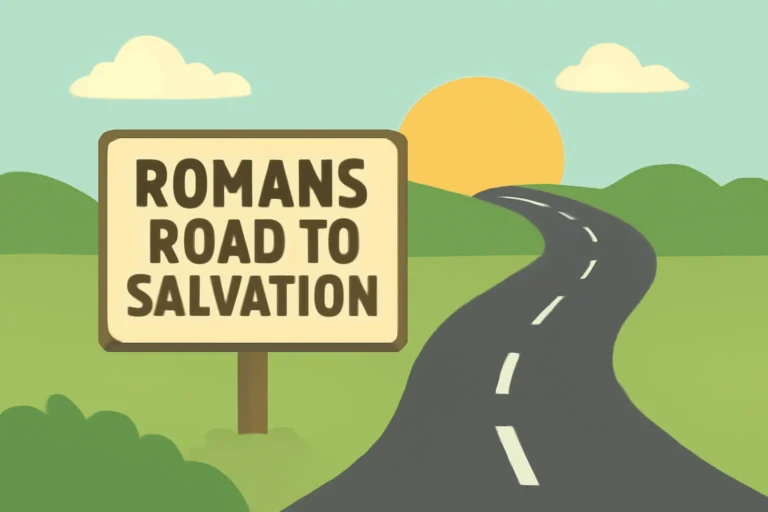
Free Printable Romans Road to Salvation: A Simple Gospel Guide Overview of the Romans Road to Salvation The Romans Road is a straightforward, scripture-based path that helps a person understand the core message of the gospel: God’s plan for rescue from sin and the gift of eternal life through faith in Jesus Christ. While many…