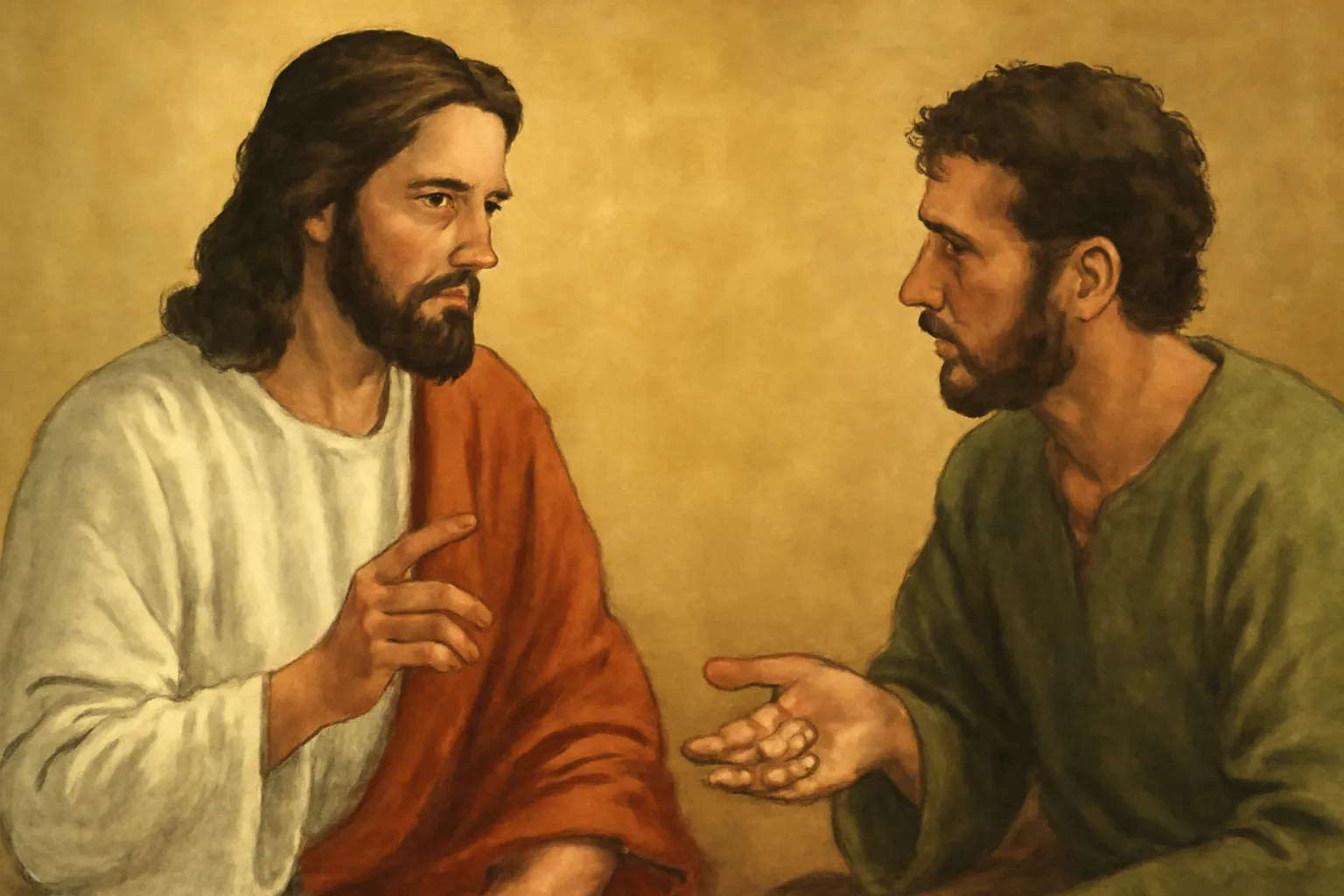
Why Jesus Talks About Money and What It Means for Today
Across the four Gospels, Jesus’ teachings on money appear not merely as practical advice about dollars and cents but as a window into a deeper
anthropology: how a person relates to God, neighbor, and the created world. The topic of wealth and resources in the life of a follower of Christ is not primarily about amassing or withholding wealth; it is about discernment, stewardship, and priorities in light of the Kingdom of God.
In this overview, we will explore how Jesus talks about money through parables, encounters, and sermons, and how these teachings translate into concrete practices today. We will examine themes such as generosity, contentment, trust, accountability, and eternal perspective, and we will offer practical applications for individuals, families, churches, and communities seeking to align their finances with biblical wisdom.
Jesus Speaks Through Parables: Money as a Classroom for the Heart
Parables are among the most powerful ways Jesus teaches about money. They use ordinary scenarios—the wealth of a landowner, the widow’s coin, the talents entrusted to servants—to reveal the heart’s posture before God. The message often hinges less on the size of the gift or the amount accumulated and more on the trust, motive, and impact of one’s financial decisions.
The Rich Fool: A Warning Against Materialism
In a parable about the danger of hoarding wealth, Jesus tells of a prosperous man who stores up plenty but never considers his soul or his neighbor. The underlying message is not that wealth in itself is wrong, but that wealth without generosity or awareness of God can lead to spiritual bankruptcy. The central call is to invest life in things that endure beyond the ledger.
Assess your motives behind every financial decision.
Consider the impact of abundance on others and on your obedience to God.
Prioritize eternal riches—treasures rooted in faith, love, and service.
The Talents: Stewardship and Accountability
The parable of the talents places money in a framework of stewardship. Servants who invest wisely are commended, while the one who hides his resources out of fear encounters rebuke. The lesson transcends mere profit: it emphasizes responsible stewardship, risk-taking in faith, and accountability before the Master.
See wealth as trust, not ultimate possession.
multiply blessings for the benefit of the vulnerable and the cause of justice.
Recognize that risk for the sake of the Kingdom can be a faithful response to divine entrustment.
A Lesson in Generosity: The Widow’s Mite
The story of the widow who gives two small coins invites readers to evaluate the quality of generosity rather than the quantity of the gift. Jesus notes that her offering, though small in earthly terms, reflects deep faith, trust, and devotion. The takeaway is clear: heartful giving matters more than impressive sums, and God notices sacrifice that flows from love.
Generosity originates in a place of faith and gratitude.
Small acts of devotion, when offered with the right posture, can have a disproportionate spiritual impact.
Value is measured by intent and devotion, not just by size.
Wealth, Possessions, and the Human Heart: Core Narratives
Beyond individual parables, certain stories explicitly confront how wealth interacts with relationships, obedience, and the journey toward God. These narratives shape a robust biblical ethic of money that emphasizes both caution toward wealth and responsibility toward the vulnerable.
The Rich Man and Lazarus: Wealth, Injustice, and Afterlife Realities
This narrative contrasts a life of privilege without generosity with a life oriented toward the needs of others. The rich man, who enjoys abundant luxuries, finds that wealth cannot rescue him from the consequences of neglecting compassion and justice. In this account, money becomes a measure of social responsibility and spiritual readiness. The message invites readers to bridge wealth with justice and to consider how resources might be used to alleviate suffering and to honor God.
Wealth without empathy towards the needy is rightly questioned.
God’s concern for the vulnerable shapes how we ought to use material blessings.
There is an emphasis on eternal significance over mere accumulation.
The Widow’s Mite and the Ethics of Proportion
Returning to the theme of generosity, this account highlights the ethical dimension of giving: not the amount alone, but the proportion and devotion behind it. A life shaped by the conviction that every resource carries responsibility invites believers to make room for sacrifice as an expression of deeper trust in God.
The Rich Young Ruler: Wealth as a Barrier to Discipleship
This encounter emphasizes that wealth can become a stumbling block when it competes with allegiance to God. Jesus does not condemn wealth as inherently evil, but he challenges the ruler (and readers) to examine where money sits in the hierarchy of devotion. The invitation is to reorient possessions toward the service of others and the advancement of the Kingdom.
Wealth should not stand between you and a deeper relationship with God.
The path of discipleship may require meaningful, concrete choices about possessions and attachments.
True life is found when money serves justice, mercy, and faithfulness—not when it governs fear or greed.
The Sermon on the Mount: Money, Treasures, and the Heart
Some of Jesus’ most enduring counsel about money appears in the Sermon on the Mount, where the heart’s interior disposition toward wealth is under scrutiny. This section addresses how believers should relate to material things in light of God’s reign, emphasizing inner transformation, integrity, and transparent generosity.
Treasure in Heaven: The Direction of Our Affections
Jesus teaches that where one positions one’s heart is reflected in where one stores up treasure. The goal is to cultivate an inner life that values eternal realities more than temporary gains. The concept of where your treasure is, there your heart will be also becomes a guiding principle for budgeting, saving, and giving.
Align financial goals with God-honoring purposes.
Practice regular reflection on how money advances or hinders the Kingdom mission.
Seek balance between prudent stewardship and spontaneous generosity.
Keeping Money in its Proper Place: Wealth as a Tool, Not a Master
The broader teaching invites believers to view wealth as a tool for blessing rather than a master that commands behavior. By recognizing the power of money to influence decisions, individuals are called to be vigilant about where they invest their time, energy, and resources.
The challenge is to translate ancient wisdom into modern practice without losing the moral and spiritual core. Below are practical principles and patterns that can shape personal finance, church life, and community economics in light of Jesus’ teachings about money.
Stewardship begins with recognizing that all we have belongs to God and is entrusted to us for a season. It includes honest budgeting, regular review of expenditures, and transparent accountability in organizations that manage resources on behalf of others.
Establish a clear budget that prioritizes essential needs, generosity, and debt reduction.
Track giving patterns and assess impact—not just amount but transformation.
Adopt ethical standards in financial dealings, including honesty with loans, investments, and wealth creation.
Generosity as a Way of Life
Generosity is not a one-time act; it is a lifestyle that flows from gratitude and trust. Jesus’ teachings on money consistently frame generosity as a response to the needs of others and the reality of God’s provision.
Practice regular giving to support the vulnerable, the church, and social justice initiatives.
Encourage communal generosity within families and communities, creating a culture that shares resources.
Explore diverse avenues of giving—direct aid, philanthropy, and mission partnerships—that align with values of justice and mercy.
Contentment and Simplicity
A biblically informed life embraces simplicity and contentment, resisting a consumerist impulse that equates value with accumulation. Jesus invites believers to find security in God’s provision rather than in material comforts.
Assess emotional triggers tied to shopping or debt and seek healthier patterns.
Foster habits that reduce unnecessary consumption and increase discernment in purchases.
Celebrate the sufficiency of daily bread while remaining open to unexpected generosity and opportunity.
Ethical Investing and Financial Integrity
Modern believers face decisions about where to invest, save, and spend. Aligning financial choices with moral and spiritual values involves evaluating enterprises for social impact, environmental stewardship, and fair treatment of workers. The aim is to ensure that wealth creation mirrors the compassion and justice taught by Jesus.
Jesus’ money teachings are not a single, rigid recipe. They require discernment in varied life contexts—economies with unequal wealth distribution, different family responsibilities, and diverse career paths. The following considerations offer a way to navigate real-life tensions while remaining rooted in biblical wisdom.
Taxation, Civic Duty, and Money
Jesus addresses civic obligations, acknowledging the reality of governmental structures while urging faithful discipleship. Christians can explore how to honor authorities and still prioritize the Kingdom, especially when policies intersect with economic justice, caring for the poor, and protecting the vulnerable.
Balance civic responsibility with the call to generosity and sustainable living.
Advocate for systems that promote justice, transparency, and care for the marginalized.
Remember that obedience to God ultimately governs decisions about money and life direction.
Debt, Risk, and Faith
Responsible borrowing and prudent debt management can reflect wise stewardship when done with prayer and accountability. Yet a mindset driven by fear or greed can distort judgment. Jesus’ teachings invite a posture of faith that seeks wisdom, community counsel, and restraint where necessary.
Engage in debt reduction strategies that protect family stability.
Seek financial counsel when facing large or risky decisions.
Pray for discernment in risk-taking that serves others and honors God.
To apply these teachings personally, consider the following questions as part of a regular spiritual practice. Reflection helps transform money into a servant of God’s purposes rather than a master of fear or pride.
What is my primary motivation for how I earn, save, and spend money?
How does my budgeting reflect a bias toward generosity and justice?
Do I have a plan to support those in need while living within my means?
What would a year of increased generosity look like in my life?
How can I cultivate a Kingdom-centered perspective on wealth, avoiding both reckless waste and paralyzing fear?
Churches, ministries, and faith-based organizations often face the challenge of turning biblical principles into concrete policy and practice. The following steps offer pathways to embody Jesus’ money teachings in communal life and outreach.
Build trust through clarity and accountability. Publish budgets, spending reports, and impact assessments. Invite member input and oversight through independent review processes.
Regularly publish financial statements and donor impact reports.
Establish stewardship committees to oversee budgets and programs.
Provide education on financial literacy for congregants and volunteers.
Generosity-Focused Programs
Design and sustain initiatives that redirect resources toward the vulnerable, the marginalized, and the global poor. A robust generosity culture strengthens the church’s witness and mission.
Partner with local food banks, shelters, and educational programs.
Support microfinance, fair-trade, and ethical mission opportunities.
Encourage regular giving tied to clear, prioritized outcomes.
Personal finance discipleship
Equip individuals with practical tools to manage money in alignment with faith. Workshops on budgeting, debt reduction, saving, and charitable giving help believers live consistently with Jesus’ teachings.
Offer courses on budgeting and debt management, anchored in biblical wisdom.
Provide mentorship and budgeting coaches for families and students.
Promote a habit of regular generosity as a spiritual discipline.
The subject of money in Jesus’ teaching invites some common questions. Below are concise responses that reflect biblical principles and pastoral wisdom.
Is wealth inherently sinful? No. Wealth is not condemned in itself; it becomes problematic when it competes with God, fosters injustice, or dulls generosity. The emphasis is on the heart’s allegiance and the use of resources for good.
What about tithing? Tithing—giving a portion of income to support ministry and the poor—has historical roots and remains a meaningful practice for some believers, though the broader biblical call is generous, proportionate, and sacrificial giving that reflects love of neighbor and trust in God.
How should Christians respond to poverty? Compassion, justice, and practical aid are essential. Jesus’ teachings urge action that helps the vulnerable and seeks systemic change that reflects God’s mercy.
What if I am in debt and need to save? Seek wise counsel, create a plan, practice prudent budgeting, and pursue relief and restoration. It is wise to balance present needs with long-term stewardship and personal integrity.
How do I balance generosity with family responsibilities? Prayerful planning, transparent conversations, and shared goals can align household finances with values of care, provision, and service to others.
Across Jesus’ many sayings about money, the invitation remains consistent: align possessions with a higher purpose, serve the vulnerable, and cultivate a heart that finds security in God’s provision rather than in material wealth. This is not a call to asceticism or to demonize wealth; rather, it is a call to a reoriented life in which money serves love, justice, and the flourishing of all people.
As you reflect on these teachings, consider how your own finances can become a tangible expression of the Kingdom. Ask questions, seek wisdom in community, and commit to steps—however small—that move you toward greater generosity, integrity, and trust in God. In this light, the biblical insight on money becomes not only a set of rules but a pathway to a more compassionate, purposeful, and faithful way of living.
May readers embrace humble stewardship, pursue generous living, and cultivate a posture of contentment that does not deny rich possibilities for generosity. As Jesus challenges hearts through money matters, may every decision—whether in a checkout line, a family budget, or a church grant—be guided by the love of God and the care of neighbors near and far.
Bible Verse About Investment: Biblical Wisdom on Stewardship Investing is not only about money; it is about stewardship—a sacred responsibility to manage the resources God entrusts to us. Throughout the Bible, verses about investment, saving, planning, and generosity form a cohesive ethic: use what you have wisely, grow what you’ve been given, and bless others…