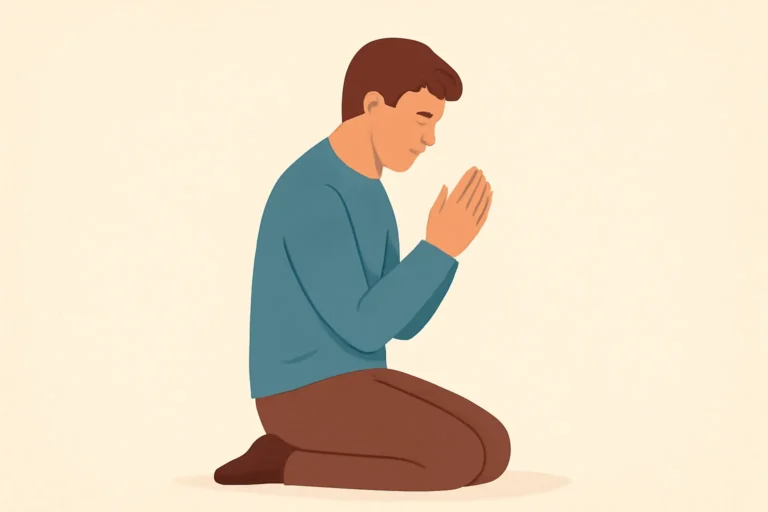
Men Always Ought to Pray: Daily Prayer for Spiritual Growth
Across cultures and traditions, the discipline of prayer has long been presented as the steady companion of a virtuous life. For men who seek to grow in character, leadership, and wisdom, daily prayer can be a foundational practice. This article explores why prayer matters for men, how to incorporate it into a busy life, and practical routines that nurture spiritual growth without becoming a burden. The aim is to offer thoughtful guidance, case studies, and actionable steps that honor both tradition and modern experiences.
Why Prayer Is Essential for Men
To say that men ought to pray is not to presume about private matters alone; it is to affirm a dynamic relationship with the deepest values that guide action. Prayer is more than a ritual; it is a deliberate orientation of the heart and mind toward truth, goodness, and mercy. For many men, prayer serves as a stabilizing center in environments filled with noise, distraction, and competing demands. It can be a source of courage when facing difficult decisions, a wellspring of compassion in relationships, and a steady compass when moral directions are unclear.
Clarity of purpose: Regular prayer helps sift distractions, align intentions with core values, and illuminate what truly matters in daily life.
Resilience and endurance: A disciplined prayer practice can build emotional stamina, reduce impulsive reactions, and cultivate patience during long seasons of trial.
Leadership through service: A man who prays regularly often models self-control, humility, and a willingness to serve others rather than pursue personal gain.
Relationships under growth: Prayer invites honesty, vulnerability, and accountability, all of which strengthen marriages, friendships, and family ties.
Spiritual connection and meaning: Beyond outcomes, prayer can nurture a sense of belonging to something larger than oneself, a source of hope that sustains during hardship.
When we speak of spiritual growth, we are addressing more than knowledge; we are looking at the transformation of habits, affections, and responses to life’s pressures. A daily practice of prayer helps convert impulse-driven behavior into intentional conduct, shaping how a man thinks, speaks, and acts in the world. In that sense, prayerful living becomes a pedagogy of character.
A Quiet Habit: The Daily Practice of Prayer
Establishing a steady pattern of prayer does not require perfect conditions or flawless technique. It requires consistency, honest intention, and a forgiving posture toward interruptions. The goal is not to impress others with ritual but to cultivate intimacy with truth, wisdom, and mercy. A robust daily practice often includes moments for confession, petition, gratitude, and listening.
Core elements of a daily practice
Confession and humility: A brief acknowledgment of shortcomings helps clear the air within the heart and invites grace into daily life.
Supplication and guidance: Asking for strength, wisdom, and discernment for oneself and loved ones anchors the day in purpose.
Gratitude and praise: Recognizing blessings—small and large—cultivates gratitude that reframes challenges as opportunities for growth.
Listening and discernment: Allowing space for insights to emerge, rather than rushing to solutions, deepens understanding.
Recommended daily structure
Morning centering: Begin with a brief period of silence, a simple blessing, and a sentence or two highlighting the day’s highest aim.
Midday checkpoint: Pause to review progress, reorient priorities, and offer a concise request for wisdom about a current decision or interaction.
Evening reflection: Close the day with gratitude, a brief inventory of what went well, and a request for peaceful rest and renewal.
For men with demanding schedules, the structure above can be scaled to fit short, meaningful intervals. Even three minutes of focused prayer can reset motive and posture, especially when repeated consistently. The key is not the length of time but the continuity of intention and the quality of attention during those moments.
Practical tips for consistency
Set a fixed cue: Tie prayer times to existing routines (e.g., after waking, before meals, before bed) so they become automatic.
Keep a lightweight journal: A few lines daily can track growth, questions, and answered prayers, making the process tangible over weeks and months.
Use brief prayers or mantras: Short, repeated phrases can focus the heart when time is scarce.
Schedule accountability: A trusted friend or mentor can inquire about progress, offering encouragement and accountability.
Practical Prayer Routines for Busy Men
Busy men often ask, How can I weave prayer into a demanding day? The answer lies in flexible, scalable routines that honor the principle of constancy rather than privilege lengthy sessions. Below are practical templates you can adapt to your life, vocation, and family responsibilities.
Review the day: Highlight one successful action and one area for improvement.
Seek quiet restoration: Invite rest and renewal, acknowledging limits and seeking strength for tomorrow.
Close with a blessing for others: Pray for family, friends, and communities that need protection and guidance.
These micro-routines demonstrate consistency over duration. The aim is to cultivate a steady posture toward God, self-control, and generosity of spirit toward others. If you are new to prayer, begin with a single focused minute per day for a week, then gradually add minutes as comfort grows. If you are seasoned, consider layering more contemplative practices while maintaining the core habit.
Prayers for specific contexts
In leadership roles: Pray for courage to do what is right, integrity in decisions, and grace in difficult conversations.
In marriage and family life: Pray for tenderness, patience, and ongoing communication with your partner and children.
In work and vocation: Pray for purpose, creativity, and ethical standards that uplift others rather than exploit them.
In temptation and stress: Pray for restraint, humility, and a steady gaze toward long-term good.
Prayers for Growth: Strength, Humility, and Wisdom
Daily prayers for growth are not magical formulas but invitations to align one’s life with enduring truths. Here are themes and examples you can adapt to your own voice and tradition. The goal is not to impress others with grand phrasing but to cultivate sincerity, clarity, and resolve.
Strength and courage: “Give me strength to do the hard thing today, even when fear whispers otherwise.”
Humility and teachability: “Help me to listen more than I speak, to admit when I am wrong, and to learn from those I lead or serve.”
Wisdom and discernment: “Guide my choices so they honor truth, foster peace, and protect those who are vulnerable.”
Compassion and service: “Let my energy be directed toward blessing others, not inflating my own image.”
Gratitude and joy: “Remind me daily of your gifts, and help me cultivate a steady joy that outlasts circumstances.”
Forgiveness and mercy: “Renew in me a spirit of forgiveness toward myself and others, that reconciliation may follow.”
As you adopt these themes, consider keeping a personal prayer journal where you record {a) the prayer you offered, b) the feelings and insights that emerged, and c) concrete actions you took as a result of prayer. This practice turns prayer from a separate activity into a driving force behind daily conduct.
Sample prayer prompts for reflection
Prompt for leadership: What is one decision I must take with greater integrity today?
Prompt for relationships: How can I demonstrate greater patience with someone who tests my nerves?
Prompt for personal growth: In which area of character am I most resistant to change, and what step can I take this week?
Overcoming Obstacles: Common Challenges and How to Overcome
Even the most consistent among us encounter barriers in prayer. Time constraints, distractions, spiritual drought, and impatience can erode the practice if not addressed thoughtfully. Below are common challenges and practical strategies to overcome them.
Obstacle: Time scarcity
Strategy: Use micro-routines, anchor prayer to daily activities, and integrate prayer with a task you already perform, such as commuting, walking, or preparing for sleep. Short, regular moments are more powerful than occasional long sessions.
Obstacle: Distraction and wandering thoughts
Strategy: Choose a simple focus (a word, a phrase, a breath pattern) and gently return to it when the mind drifts. Consider brief guided prayers or a prayer app if helpful.
Obstacle: Spiritual drought or dryness
Strategy: Lean into honesty about dryness; do not force the feeling of closeness. Seek community for encouragement, and read meaningful spiritual passages to spark faith again. Perseverance matters as much as emotion.
Obstacle: Guilt or perfectionism
Strategy: Embrace grace. Prayer is not a performance but a relationship. When you miss a day, simply begin again with honesty about the lapse, and renew your intention to start fresh.
In Community: The Role of Men’s Groups and Accountability
While personal prayer is deeply intimate, communal practices can reinforce discipline and provide a sense of shared purpose. Men’s groups, prayer partners, and mentorship relationships offer an environment where accountability, encouragement, and vulnerability can thrive. The idea is not to replace private prayer but to complement it with communal support that sharpens character and widens compassion.
Ways to engage with others in prayer
Prayer partners: Pair up with a trusted friend to check in weekly about prayer requests, growth goals, and spiritual wins.
Group praying: Schedule regular meetings dedicated to shared intercession, study, and testimony about answered prayers.
Service projects: Combine prayer with action by serving those in need, integrating spiritual practice with tangible acts of mercy.
Mentorship: Seek guidance from a mature voice who can model disciplined prayer, discernment in life decisions, and steadfastness in faith.
In addition to fostering accountability, community can broaden one’s semantic breadth of prayer—exposure to different language, imagery, and traditions can enrich personal practice while preserving core commitments. Men’s groups can become spaces where one learns to pray with greater authenticity, clarity, and responsibility.
Historical and Cultural Perspectives on Men and Prayer
The conviction that men should pray consistently travels through history in varied forms. In many traditions, prayer has been linked to leadership, stewardship, and moral formation. Some cultures emphasize nocturnal prayers as a safeguard against temptation; others highlight morning prayers as a pledge to cultivate virtue throughout the day. Across the spectrum, the thread remains: prayer is a practice of attention and fidelity—an ongoing conversation with the sacred or the transcendent that informs a man’s choices, duties, and relationships.
Understanding different voices can broaden one’s own prayer vocabulary without diluting personal conviction. For example, some traditions frame prayer as confession, others as thanksgiving, still others as petition and intercession. A mature approach honors the shape that resonates with one’s conscience while remaining open to learning from other paths. This openness often strengthens one’s own practice and demonstrates respect for the broader human quest for meaning.
Ultimately, the question is not which tradition is best but how prayer shapes a man’s life over time—how it cultivates resilience, stewardship, mercy, and integrity. When men are formed by a steady rhythm of prayer, their public and private lives often reflect that inward transformation.
Measuring Growth: How to Know Prayer Is Making a Difference
Growth in prayer can be subtle and long-term. Rather than chasing dramatic experiences, consider practical indicators that your practice is producing changes in behavior, relationships, and decision-making. Below are several trustworthy markers of progress.
Consistency over intensity: You maintain a steady habit even when energy is low or schedules are tight.
Calmer responses under stress: You notice fewer impulsive reactions and more measured, thoughtful responses.
Increased generosity and service: You look for ways to bless others, not merely to fulfill personal desires.
Greater integrity in daily decisions: Your actions align more closely with proclaimed beliefs, even when it costs you.
Improved relationships: You experience deeper trust, better listening, and healthier boundaries with family, friends, and colleagues.
Sense of purpose and hope: Even in hardship, you maintain a sense of direction rooted in values larger than yourself.
Spiritual resilience: Perseverance persists through droughts, and faith endures when results are not immediate.
If you keep a personal log, you might track a few metrics such as frequency, duration, the variety of topics addressed, and the kinds of outcomes observed in life. Reflection on these patterns over months can reveal growth that is not instantly visible in day-to-day experience.
A Lifelong Journey for Men and Prayer
The conviction that men ought to pray is less a hard rule and more a lifelong invitation to become more rooted in truth, tenderness, and mercy. Prayer is not a magic wand but a practice—a way of renewing the mind, shaping the heart, and guiding the hand in daily work and service. It is an invitation to step into a rhythm that invites growth, humility, and responsibility across all aspects of life—from the home to the workplace, from the neighborhood to the wider world.
As you embark on or renew a daily prayer habit, remember the following guiding principles:
Start small and stay steady: Do not over-commit at the outset; build a sustainable pattern that can endure change and challenge.
Be honest and patient: Prayer is a sincere conversation; allow yourself to be imperfect and patient with the process.
Invite accountability: Engage a trusted friend or mentor to encourage consistency and growth.
Integrate action with prayer: Let prayer inspire tangible kindness, ethical decisions, and responsible leadership.
Celebrate progress: Acknowledge the small wins—moments of clarity, acts of restraint, or acts of service—that prayer helps catalyze.
In the end, the cadence of daily prayer offers a pathway toward a more intentional, compassionate, and resilient form of manhood. It invites a man to live with greater awareness of his impact on others and with a deeper allegiance to values that endure beyond circumstance. If you adopt even a fraction of the practices outlined here, you may discover that the simple act of praying becomes an engine of transformation—not only for your own soul but for the communities you influence and the world you inhabit.
Bible Study Opening Prayer – A Complete Guide for Group Leaders In many faith communities, the opening prayer sets the tone for a Bible study session, inviting participants to shift from daily concerns into focused worship and attentive listening. This guide is designed for group leaders who want to lead with intention, clarity, and care….
Prayer is a lifelong practice, not a one-time act. When we approach it with intentional structure and flexible openness, our relationship with God can deepen in meaningful, observable ways. This article offers practical guidance on acts for praying—especially the classic ACTS model—while also exploring variations and extensions that broaden their application. Whether you are new…
Can God hear my prayers? It’s a question that surfaces in moments of crisis, gratitude, confusion, and longing. Across cultures and faith traditions, people ask not only whether a higher power is listening but also what it means when the words they offer into the quiet seem to drift into an unseen vastness. This article…
What is a model prayer and why it matters A model prayer is not a magical spell or a guaranteed formula for outcomes. Rather, it is a deliberately designed framework that helps prayer become more intentional, focused, and effective. When people talk about a prayer template, they are referring to a repeatable pattern that guides…
The phrase “And Deliver Us from Evil” sits at a crucial junction of Christian prayer, theology, and daily, practical spirituality. It is one of the most recognizable lines from the Lord’s Prayer, a model of guidance that Jesus offers to his followers. In many traditions it stands as a concise petition for protection, moral integrity,…
Overview: Understanding the Lord’s Prayer for Protection The Lord’s Prayer for protection is a form of spiritual practice drawn from the ancient Christian prayer commonly known as the Lord’s Prayer or the Our Father. While its primary aim is praise, petition, and surrender to God, many readers and practitioners have found in its lines a…