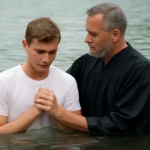
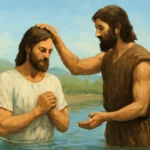
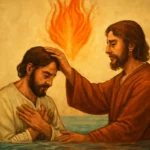
Baptism is one of the oldest and most widely observed practices in the Christian faith. Across traditions, it has been celebrated for centuries as a defining moment in a person’s journey of faith. This article explores baptism’s significance from multiple angles—from its scriptural roots and theological meanings to its practical realities in diverse communities. By examining the importance of baptism as a rite, symbol, and communal act, we gain a clearer understanding of why this sacrament endures as a central feature of Christian life.
What Is Baptism? Definitions and Core Meanings
At its core, baptism is a ritual using water that signifies entry into the life of faith. It is frequently described as a visible sign of an invisible grace, a phrase used to convey that something real and transformative is happening even though it may not be visible to everyone at the moment. Different traditions emphasize different aspects of this event, but several core meanings recur:
Initiation into the Christian community — baptism marks a person’s inclusion in the body of Christ and the church’s mission.
Purification or cleansing— in many theologies, baptism symbolizes the washing away of sin, as well as the renewal of the inner person.
Death and new life— baptism is often described as participation in the death, burial, and resurrection of Jesus, representing a turn from the old life to a new one.
Covenant sign— for some traditions, baptism is the symbolic seal of God’s covenant with the people of God, echoing biblical covenants and promises.
The precise interpretation of these meanings varies by tradition. Some communities emphasize infant baptism as a child’s incorporation into the covenant community with godparents or sponsors, while others emphasize believer’s baptism as a profession of faith by someone who has consciously accepted the gospel. Both approaches affirm the basic conviction that baptism matters because it marks a decisive pivot toward Christ and the life of discipleship.
Variations in Emphasis Across Traditions
To understand the breadth of the practice, it helps to recognize how different Christian families frame the same event. Consider the following contrasts:
Infant baptism (common in Catholic, Orthodox, Anglican, Lutheran, and some Methodist and Reformed churches) emphasizes the family’s and community’s role in nurturing faith, with the hopes that the grace signified in baptism will unfold within the child’s life as they grow.
Believer’s baptism (typical in Baptist, Pentecostal, and many Anabaptist and evangelical communities) centers on a conscious declaration of faith by the baptized person, often following a period of instruction and personal repentance.
Modes of administration— immersion, pouring, or sprinkling—vary by tradition and theology, but all seek to convey the same underlying realities: welcome into the faith, cleansing, and the Social/Church-based identity of the believer.
Theological Foundations: Why Baptism Matters
The importance of baptism is not merely ceremonial; it rests on deep theological claims about God’s action, human response, and the creation of a community bound by grace. In many Christian theologies, baptism is linked to the grace of God, though not always in the same way across traditions. Four foundational ideas recur in sustained reflection:
Grace initiated by God— baptism is understood by many as a concrete sign that God’s grace is actively reaching toward a person. Even when a person cannot understand everything in that moment, the rite makes visible the reality of divine mercy.
Participation in the life, death, and resurrection of Christ— the imagery of dying to the old self and rising to a new life in Christ provides a profound motive for baptism’s significance.
Incorporation into the church— baptism situates the believer within a community of faith with responsibilities, support, and accountability, not merely as an individual act but as a communal event.
Sign of the covenant— much like circumcision in the Old Testament, baptism is viewed by many as a sign that God’s people are set apart and called to a particular way of life within history.
Grace and faith intersect in baptism in different ways across traditions. Some view baptism as efficacious ex opera operato (by the act itself) as a conduit of grace, while others see baptism as a strong symbol that requires a subsequent personal response of faith for its fullness to unfold. Either way, most churches agree that baptism points beyond the ritual to the reality of God’s ongoing invitation to trust, repent, and follow Jesus.
Scriptural Foundations
The biblical witness provides the primary basis for baptism in Christian thought. Key passages include accounts of baptisms in the Gospels, the apostles’ teachings in the book of Acts, and the apostolic instructions in the epistles. Notable motifs include:
The baptism of Jesus as a model and inauguration of public ministry.
The calling to repentance and belief that leads to baptism for the forgiveness of sins (as seen in Acts).
The Great Commission, which commands Jesus’ followers to make disciples, baptizing them in the name of the Father, the Son, and the Holy Spirit.
While the exact interpretive lens may differ, the scriptural foundation anchors baptism as a divine invitation into a life aligned with Christ and a community that seeks justice, mercy, and faithfulness.
Baptism and Identity: Personal Transformation
One of the strongest statements about baptism is its role in shaping personal and spiritual identity. It is less a private ceremony and more a profound declaration about belonging, allegiance, and purpose.
Personal Transformation Through the Rite
Individuals often describe their baptism as a turning point, a moment when they sense the beginning of a new life in Christ. This sense of personal renewal is not merely emotional; it often opens a path toward deeper discipleship, ethical living, and a sustained practice of prayer and spiritual formation.
Forgiveness and healing— for many, baptism is the moment when the weight of guilt is acknowledged, and God’s mercy is experienced in a tangible way.
New identity— the rite frequently accompanies or signals the shift from an old self-centered life to a life oriented around Christ’s teaching and example.
Public profession of faith— baptism is commonly a public act that communicates what is privately believed in the heart.
The growth that follows baptism varies from person to person, but the central message remains: baptism initiates a lifelong journey of learning, obedience, and service within the context of Christian community.
Body, Spirit, and Community
Beyond the individual, baptism is a communal event that forms and sustains a shared identity within the church. When families bring infants for baptism or when someone professes faith publicly, the entire community commits to guiding, teaching, and supporting the new member in the weeks, months, and years ahead.
Baptism in Community: The Ecclesial Dimension
The social and ecclesial dimensions of baptism are central to its importance. This rite is not only a rite of passage; it is a covenantal moment that shapes belonging, responsibility, and mission.
Community as Witness and Support
Baptism provides a tangible moment for a faith community to bear witness to God’s grace and to commit to supporting the baptized person. This shared responsibility manifests in practical ways:
Teaching and catechesis— prior to baptism, candidates often receive instruction about the faith, baptismal vows, and the life the church invites the person to live.
Mentorship and sponsorship— sponsors or godparents stand alongside the baptized, offering guidance, accountability, and prayer.
Inclusion in mission— baptism invites participants into ongoing service and witness to the gospel in the world.
In many communities, baptism also marks the moment when new members are welcomed into particular churches, congregations, or catechetical programs, and when they receive access to the sacraments or rites that follow, such as Eucharist or confirmation, depending on the tradition.
Ecumenical and Cultural Perspectives
Across Christian traditions, baptism can be a bridge for ecumenical dialogue when the aim is to understand one another’s practices rather than to judge differences. Cultural contexts influence how baptism is celebrated, the music chosen for the service, the language used in the vows, and the ways in which families participate. Yet the underlying idea remains consistent: baptism unites believers across time and place, inviting them into a shared life of worship, service, and moral formation.
Baptism Practices Around the World: Modes and Timing
The precise practice of baptism varies widely. In some traditions, infants are baptized shortly after birth or during the early years of life; in others, baptism occurs after a period of intentional teaching and personal profession of faith. The methodologies also differ:
Common Variations in Practice
Infant baptism with implicit or explicit faith education, often followed by a period of catechesis and a later first communion or confirmation.
Believer’s baptism after a personal confession of faith and often after a period of discipleship training.
Mode— immersion, pouring (affusion), or sprinkling, each with theological rationale depending on tradition.
Timing— some communities baptize during a Sunday worship service; others schedule special rites on particular feast days or during a standalone ceremony.
In addition to these basic patterns, some churches practice the sacrament in multiple stages (for example, a separate ceremony for the last part of the rite) or incorporate prayer and anointing with oil as part of the baptismal rite.
It is also worth noting that modern education and mission-oriented churches may provide baptismal preparation courses, workshops, or digital resources to help families and individuals understand the theological significance and practical implications of the rite.
Preparation and Aftercare: What Happens Before and After
Preparing for baptism is as important as the ceremony itself. Preparation helps ensure that participants and families understand the commitments involved and that the community can support their faith journey.
Before Baptism: Preparation and Commitment
Catechesis or instruction— especially for adults or older children, to learn the core beliefs, practices, and ethical commitments of the faith.
Confession of faith or repentance— in some traditions, a credible testimony of faith or a public declaration of turning toward Christ is required.
Choosing sponsors or godparents— in infant baptism or some believer’s baptism contexts, sponsors help accompany the person on their spiritual journey.
Choosing a name or renaming as an act of identity— in some cultures, baptism is accompanied by naming rituals or reaffirmation of a chosen identity in Christ.
After Baptism: Ongoing Life in Faith
The baptismal moment is not an ending but a beginning. Post-baptismal life includes ongoing worship, prayer, Bible study, and service. Many traditions emphasize:
Regular participation in the Eucharist or Communion (where it is part of the church’s life) as a means of continuing grace and nourishment for growth.
Discipleship and spiritual formation— tracking a path of growth in virtue, character, and love of neighbor.
Community accountability— relationships that encourage, correct, and support the baptized person in their walk with God.
Practical steps of aftercare may include joining a small group, serving in a ministry, or entering a confirmation process if that is part of the tradition. The aim is to cultivate a robust life of faith that honors the baptismal covenant.
Contemporary Debates and Questions About Baptism
In modern churches, debates about baptism often center on questions of reception, effect, and eligibility. While there is broad agreement on baptism’s importance as a sign and initiation, the nuanced details can vary.
Key Questions People Ask
Does baptism save me?— Some traditions teach that baptism directly conveys grace; others insist that faith and trust in Christ are the decisive factors, with baptism as a faithful response to that grace.
Who should be baptized?— debates range from infant baptism to adult baptism, with considerations of personal faith, community inclusion, and historical continuity.
What about non-Christian backgrounds?— some communities discuss baptism in light of missionary outreach, interfaith contexts, and the possibility of baptism for those who convert later in life.
How should baptism be administered?— questions about immersion vs. sprinkling and the role of the church’s authority in performing the rite are common across denominations.
Across these questions, the shared commitment remains: baptism invites believers into a life of discipleship and places them within a community that witnesses to God’s grace in the world.
Frequently Asked Questions
What makes baptism important?— It marks entry into the Christian community, signals commitment to faith, and embodies the grace of God in a tangible rite.
Is baptism required for salvation?— Views differ; many traditions see baptism as essential for initiation into the church, while others emphasize personal faith and trust in Christ as the decisive factor for salvation.
Can adults and infants be baptized?— Yes, both are common in different traditions. The choice often reflects theological emphases about covenant, community, and personal faith.
What if someone was baptized in another denomination?— In many churches, baptism is recognized if it was performed using the correct Trinitarian formula and in water, though some communities request a profession of faith or a confirmation rite.
This FAQ reflects a range of perspectives and is intended to help readers understand the diversity of practice while highlighting the core importance of baptism as a meaningful spiritual milestone.
Conclusion: The Enduring Significance of Baptism
Across centuries and across cultures, baptism has endured as a powerful symbol and a functional rite. It is a public proclamation of faith, a divine invitation into a life of discipleship, and a commitment of the community to nurture the next generation of believers. Whether celebrated as an infant ceremony within a liturgical tradition or as a deliberate professional faith in a church that practices believer’s baptism, the sacrament remains a focal point for reflection on what it means to belong to Christ and to live out that belonging in the world.
By considering baptism’s importance from scriptural, theological, personal, and communal angles, readers can appreciate how this ancient rite continues to shape modern faith communities. It is more than a ritual; it is a dynamic invitation to participate in God’s redemptive work, to join a people who seek justice and mercy, and to witness to the transforming power of grace in everyday life.
If you are preparing for baptism, or simply seeking to understand its meaning more deeply, may you find in this sacrament a source of hope, formation, and mission—trusting that baptism opens a doorway into a life that is lived in response to God’s love and in service to others.
The phrase Baptized by the Holy Spirit and fire has captivated Christians for generations. It sits at the intersection of God’s empowering presence, personal renewal, and missionary zeal. This article seeks to explain what the expression means, how it is seen across Scripture, and what it might mean for a person’s faith today. Whether you…
Introduction Baptist baptism stands as one of the most distinctive and defining practices within the Baptist tradition. It is more than a ritual moment; it is a deliberate expression of belief, a public witness of faith, and a visible sign of a transformative relationship with Jesus Christ. In Baptist life, baptism is treated primarily as…
What It Means to be Baptized Into Christ The phrase Baptism Into Christ captures a central idea in Christian faith: when a person submits to the rite of baptism, they are entering into a living, personal identification with the life, death, and resurrection of Jesus. This is not merely a ceremonial action; it is a…