The phrase Baptized by the Holy Spirit and fire has captivated Christians for generations. It sits at the intersection of God’s empowering presence, personal renewal, and missionary zeal. This article seeks to explain what the expression means, how it is seen across Scripture, and what it might mean for a person’s faith today. Whether you come from a tradition that emphasizes spiritual gifts, a focus on purification and sanctification, or a more cautious approach to encounters with the Spirit, you will find ideas here to help you think clearly and pray thoughtfully about this significant experience.
What does it mean to be baptized by the Holy Spirit and fire?
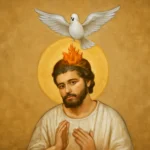
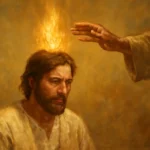
The phrase points to a twofold action: a divine bestowal of the Holy Spirit and a purifying, refining energy described as fire. In its simplest form, it communicates that God does not leave believers unchanged. He fills them with life-giving Spirit and, in that process, purifies, tests, and empowers their faith for righteous living and courageous service.
Throughout Scripture, the Holy Spirit is the personal presence of God who acts within believers to illuminate truth, produce spiritual fruit, and guide in truth. The image of fire carries multiple thematic layers: purification, illumination, zeal, and the judgment or refining of what is old or impure. When the Bible speaks of being baptized by the Spirit, it often also implies a deeper life in the Spirit that shows itself through renewed desire for God and for his mission.
Biblical foundations
Old Testament anticipations: preparation for cleansing and anointing
Although the explicit phrase baptized by the Holy Spirit and fire is more fully developed in the New Testament, the Old Testament contains motifs that prepare the ground for this experience. Prophets speak of cleansing, purifying, and empowering by God’s Spirit. The imagery of refining metal and purging waste through fire foreshadows a future reality in which God’s people would be transformed from within and equipped for ministry.
Some readers hear the language of refinement and divine empowerment when they study passages that describe God’s Spirit as active in the gathering, judging, or renewing work among his people.
New Testament manifestations: from John the Baptist to Pentecost
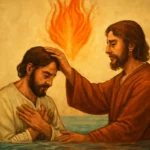
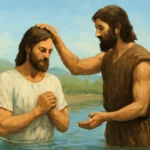
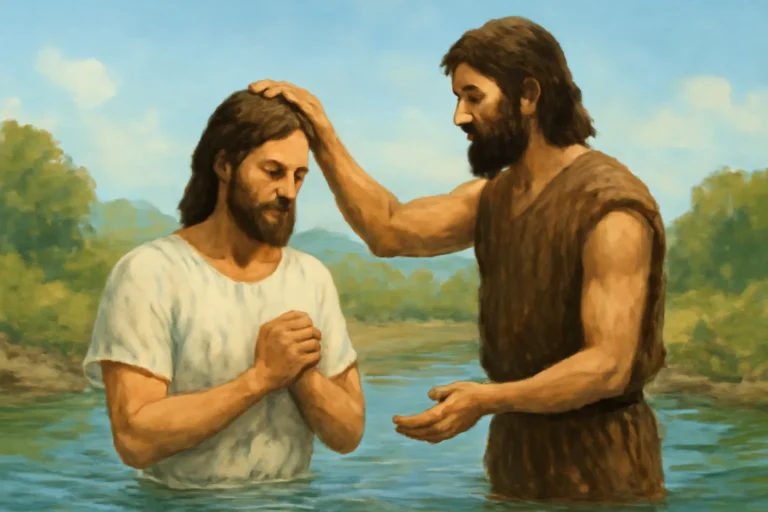
The New Testament makes the transition from anticipation to experience. In the Gospel accounts, John the Baptist speaks of a baptism with the Spirit that exceeds the water baptism he performs. In Luke 3:16, John says, “I baptize you with water. He will baptize you with the Holy Spirit and with fire.” This verse places Spirit baptism in the context of a coming empowerment that accompanies moral purification and mission.
The book of Acts expands the picture dramatically. At Pentecost, the disciples are filled with the Holy Spirit and speak in languages they had not learned, an extraordinary manifestation that signals a new era of bold witness (Acts 2). The same Spirit’s work is described as bringing conviction, communal life, and courageous proclamation. In places like Acts 10 and 19, believers receive the Spirit anew or afresh, illustrating that this baptism is not merely a one-time event but a sustained experience that fuels life in the church.
The fire imagery accompanies the Spirit in various places, signaling purification and zeal. The apostle Paul uses the metaphor of refining fire to describe the testing of work done in the name of Christ, highlighting that what remains after testing is of real value (1 Corinthians 3:12–15; 1 Peter 1:7).
Theological interpretations across traditions
Charismatic and Pentecostal perspectives
In many Charismatic and Pentecostal communities, the baptism of the Holy Spirit is experienced as a distinct, empowering encounter that may or may not be accompanied by speaking in tongues or other spiritual gifts. Adherents often connect this baptism to a heightened sense of God’s presence for mission, worship, and healing. The emphasis is less on the act of salvation itself and more on the ongoing, empowering relationship with God that enables believers to live boldly for Christ and to exercise gifts for the common good.
Reformed and evangelical interpretations
Some Reformed and evangelical teachers emphasize the Spirit’s work as integral to conversion and sanctification. They may describe Spirit baptism as the moment when a person is united to Christ through faith and thereby sealed by the Spirit. From this standpoint, the “fire” aspect is often understood as purification from sin, zeal for holiness, and a durable witness that remains as one grows in grace and truth.
Catholic and historic Protestant views
In Catholic theology, a distinction is sometimes made between baptism by water, baptism in the Holy Spirit, and the ongoing renewing power of the Holy Spirit in the life of the believer through the sacraments, prayer, and grace. Many Protestant traditions stress the Spirit’s work in sanctification and mission, while leaving room for experiential encounters that affirm faith, repentance, and service.
Key distinctions to consider
Water baptism is a public declaration of faith and symbolically identifies a person with Christ’s death and resurrection.
Spirit baptism refers to God’s gift of the Holy Spirit who indwells, seals, and empowers the believer for life in Christ.
Fire imagery symbolizes purification, refinement, zeal, and, in some passages, judgment and accountability before God.
Some traditions emphasize a distinct, post-conversion experience of the Spirit; others emphasize a lifelong, ongoing indwelling and fullness from the moment of faith.
Understanding the symbolism of fire
Fire in Scripture is a powerful and multifaceted symbol. It is not merely a dramatic display but carries practical implications for a believer’s life.
Purification: Fire tests and purifies content, motives, and conduct. The refining metaphor appears in references to gold and silver refined by fire, leaving behind only what is genuine and valuable.
Illumination: Fire provides light. Spirit-led illumination helps believers discern truth, see needs around them, and understand God’s will better.
Zeal: Fire communicates passionate love for God, a fierce commitment to holiness, and energized mission to share the gospel with others.
Judgment and accountability: Fire can signify God’s righteous judgment, purging needless sin and exposing hypocrisy with the aim of transformation rather than condemnation.
What this experience means for your faith today
Empowerment for mission and daily living
A robust understanding of baptism by the Holy Spirit and fire often translates into a lived faith that is not passive. The Spirit’s presence equips Christians to love others sacrificially, speak truth with grace, and pursue justice and mercy in tangible ways. When the Spirit fills a believer, there is a sense of boldness to share the gospel, a confidence in prayer, and a commitment to holiness that shapes decisions, relationships, and work.
Spiritual gifts and fruits of the Spirit
The Spirit’s empowering work is frequently connected with the development of spiritual gifts (such as teaching, prophecy, healing, or discernment) and the Fruits of the Spirit (love, joy, peace, patience, kindness, goodness, faithfulness, gentleness, self-control). Together, they aim to build up the church and reveal God’s presence in the world. A Spirit-led life seeks to cultivate both gifts and character, ensuring that gifts are exercised in love and for the common good.
Being baptized by the Spirit and fire is closely tied to sanctification—the ongoing process of becoming more like Christ. Fire imagery highlights that this path often involves turning away from sin, resisting compulsion toward selfish desires, and growing in moral and spiritual integrity. The end goal is conformity to Christ, not merely external compliance, but a transformed heart that loves God and neighbor.
Practical steps to seek the baptism of the Holy Spirit and fire
Pray with honesty. Bring your honest longings, fears, and expectations before God. Ask for a fuller, more intimate filling of the Spirit and for purification where necessary.
Repent and renew faith. Confess known sins, surrender control of your life to God, and renew your trust in Christ’s work for your salvation and transformation.
Seek community and accountability. Engage with a faith community that disciplines, teaches, and prays together. Spiritual growth is often nurtured in trustworthy relationships.
Expect and discern. While many experience a dramatic moment of empowerment, others notice a gradual deepening of the Spirit’s work. Practice discernment and seek guidance from mature, grounded believers.
Engage in worship and Scripture. Regular prayer, worship, and meditation on the Bible cultivate receptivity to the Spirit’s leading and the Spirit’s gifts.
Live out the implications. Put into practice the fruits of the Spirit in daily life and serve others with the gifts God has given you, never for personal glory but for God’s glory and the church’s good.
Be patient and humble. The Spirit’s work may unfold over time. Humility helps prevent expectations that are purely sensational and keeps faith anchored in Christ.
Common questions and thoughtful clarifications
Is this experience only for new converts?
Not necessarily. While many people encounter the Spirit at the moment of conversion, the Bible also records repeated fillings and empowerments for ongoing ministry and life in Christ. Some believers experience renewed sensitivity to the Spirit as they pursue greater faithfulness, holiness, and mission.
Do you have to speak in tongues to be baptized by the Holy Spirit?
Speaking in tongues is one kind of possible manifestation in certain Christian traditions, but it is not a universal requirement or a universal indicator of Spirit baptism. The core claim of Spirit baptism is not the phenomenon itself but the presence, fullness, and empowerment of the Spirit to live righteously and to bear witness to Christ. Different people may experience different outward signs, but the essential gift is God’s presence with and within the believer.
Is the fire image meant to be taken literally?
Most scholars and theologians understand fire as a symbolic representation of purification, zeal, and refinement rather than a literal flame. While some stories and experiences might involve dramatic displays, the consistent biblical use of fire emphasizes transformation, moral accountability, and ardor for God’s mission.
Can a person lose or forfeit this baptism?
Scripture teaches that God’s gift of the Spirit remains with believers in a way that guarantees God’s presence. Yet the fullness of life in the Spirit can be hindered by known sin, unrepented patterns, or a heart closed to God’s prompting. The Christian life invites ongoing repentance, renewal, and cooperation with the Spirit’s work so that one may live consistently in the light of God’s grace.
If you want to deepen your understanding, consider a structured study plan that includes:
Reading and reflecting on key passages such as Acts 2, Luke 3, 1 Corinthians 12–14, and 1 Corinthians 3:12–15.
Exploring commentary from multiple traditions to understand different perspectives about Spirit baptism and the role of fire in purification.
Engaging with a trusted mentor, pastor, or teacher who can provide guidance without coercion.
Practicing discernment and testing experiences against Scripture, especially in areas of ministry, character, and community life.
Participating in worship and confession that prioritize both personal renewal and corporate love for others.
Historical and present-day perspectives
Across church history, believers have described a spectrum of experiences related to being baptized by the Holy Spirit. Some emphasize the transformative power that leads to a more courageous life of faith, while others highlight the Spirit’s gifts in service and proclamation. Across denominational lines, a common thread is the conviction that the Spirit’s work is ultimately for God’s glory, the building up of the church, and the blessing of the world through Jesus Christ.
What to do next if you’re exploring this topic
Start with prayer. Bring your questions, hopes, and struggles before God and invite his presence to guide you gently.
Study Scripture with humility. Allow the text to shape your understanding rather than forcing it into a preselected framework.
Seek wise counsel. Talk with pastors, teachers, or mature believers who can offer balanced, biblically grounded guidance.
Practice discernment. Be attentive to how any experience aligns with love for God and neighbor and with a life that reflects Christ’s likeness.
Commit to a life of holiness and service. Let the Spirit’s work translate into practical acts of compassion, justice, and evangelism.
Conclusion: A seasoned invitation to deeper faith
The invitation contained in being baptized by the Holy Spirit and fire is not simply about a moment of sensation but about an ongoing relationship with God that deeply changes a person’s heart, conduct, and purpose. Whether you perceive this experience as a dramatic, life-changing moment or a steady, sustained filling, the core aim remains the same: to know Christ more intimately, to live in partnership with the Spirit, and to participate in God’s mission of redemption and renewal.
If you are exploring this topic today, may you approach it with reverence, curiosity, and a posture of humility. May you seek a fullness of life that honors Christ, strengthens your character, and equips you to love God and love others more deeply. The journey toward baptism by the Holy Spirit and fire is, at its heart, a journey toward transformation—by the Spirit’s power, for God’s glory, and for the flourishing of the world he loves.
Selected passages for personal study
For readers who wish to meditate on the biblical basis for Spirit baptism and the fire motif, the following references are foundational:
Luke 3:16 — John the Baptist’s expectation of a superior baptism: Spirit and fire.
Acts 2 — The Day of Pentecost: the Spirit’s filling empowers bold witness.
Acts 10 and Acts 19 — Later receptions of the Spirit among Gentiles and new believers.
1 Corinthians 12–14 — Gifts of the Spirit and orderly, loving use of such gifts in the church.
1 Corinthians 3:12–15 — The refining fire testing what is built for eternity.
Matthew 3:11 and Mark 1:8 — John’s proclamation of the one who baptizes with Spirit and fire.
John 7:37–39 — Rivers of living water: the Spirit promised to those who believe.
What It Means to be Baptized Into Christ The phrase Baptism Into Christ captures a central idea in Christian faith: when a person submits to the rite of baptism, they are entering into a living, personal identification with the life, death, and resurrection of Jesus. This is not merely a ceremonial action; it is a…
Baptism Importance: Why This Sacrament Matters Baptism is one of the oldest and most widely observed practices in the Christian faith. Across traditions, it has been celebrated for centuries as a defining moment in a person’s journey of faith. This article explores baptism’s significance from multiple angles—from its scriptural roots and theological meanings to its…
Introduction Baptist baptism stands as one of the most distinctive and defining practices within the Baptist tradition. It is more than a ritual moment; it is a deliberate expression of belief, a public witness of faith, and a visible sign of a transformative relationship with Jesus Christ. In Baptist life, baptism is treated primarily as…