The Christian tradition holds that there are seven gifts of the Holy Spirit that empower believers to live in closer union with God and to respond to life’s challenges with wisdom and virtue. These gifts—often listed as wisdom, understanding, counsel, fortitude, knowledge, piety, and fear of the Lord—are not merely attributes we acquire by effort. They are divine graces, bestowed by the Holy Spirit, that illuminate the mind, steady the will, and embolden the heart. They are sometimes described as the sevenfold gifts or the seven gifts of the Spirit, and they form a seamless interior formation that helps a person grow in holiness.
The traditional understanding traces these gifts to Scripture, especially the prophetic vision in Isaiah 11:2–3, where the Spirit rests on the Messiah with a fullness of wisdom, understanding, counsel, fortitude, knowledge, piety, and fear of the Lord. In the Catholic and broader Christian spiritual vocabulary, these gifts are received in Baptism and are deepened and strengthened in the sacramental life of the Church, particularly in the sacrament of Confirmation. They are not just abstract ideas; they are practical capacities that shape how a person thinks, decides, prays, and acts.
In this article, we explore each of the seven gifts in turn, offering clear explanations, signs by which you can recognize them at work in your life, and concrete ways to cultivate and apply them in daily living. For each gift, you will find subsections that focus on what the gift is, how to recognize its presence, how to grow in it, and practical examples of its use.
The Gift of Wisdom
What this gift is
Wisdom is the capacity to see things from God’s perspective. It enables a person to orient all life—values, choices, relationships, and priorities—toward the ultimate good: union with God and love of neighbor. It is not merely an accumulation of clever insights, but a seasoned discernment that recognizes the order of God’s plan in all things.
How to recognize wisdom in your life
You find yourself prioritizing eternal goods over short-term gains or appearances of success.
There is a calm, trusting attitude when faced with complex or painful situations, because you sense God’s presence guiding you.
Your judgments about people and events tend to align with God’s revealed truth and the deeper purposes of love and mercy.
You experience a sense of peace when decisions flow from a larger, spiritual understanding rather than mere practical calculations.
How to grow in wisdom
Engage in prayerful contemplation and deliberate reflection on what God desires in given circumstances.
Read Scripture and sacred teaching with the aim of seeing God’s perspective rather than only human logic.
Seek guidance from a trusted spiritual mentor or director who can help you distinguish between impulse and insight that comes from God.
Practice patience in decision-making, asking questions like, “What will help love endure in the long term?”
Practical examples of wisdom in action
In a family conflict, choosing to validate the feelings of others while steering the conversation toward reconciliation and shared values.
When faced with a tempting shortcut, opting for a slower, honest path that aligns with integrity and trust in God’s timing.
In a work setting, weighing practical success against the moral implications of a choice, and choosing the option that best honors others.
The Gift of Understanding
What this gift is
Understanding deepens the intellect to grasp the mysteries of faith more profoundly. It is the ability to penetrate beyond surface details to see how God’s truth fits together—how faith and life interlock, how Scripture fits with experience, and how God’s plan unfolds in the world.
You experience a clearer sense of how faith connects to daily realities, not only on Sundays but in work, family, and relationships.
There is an increased ability to see the bigger picture in situations that once felt chaotic or opaque.
You notice your understanding of moral and theological truths becoming more coherent, coherent enough to explain them with clarity to others.
How to grow in understanding
Engage in systematic study of Scripture and Church teaching, then apply it to concrete situations.
Read with questions in mind, such as “What does this reveal about God’s plan?” and “How does this truth transform my relationships?”
Practice reflective reading or a form of spiritual journaling to track moments when understanding deepens.
Practical examples of understanding in practice
Seeing how forgiveness, restoration, and justice fit together in a conflict, so responses can be both truthful and merciful.
Greeting a difficult teaching with receptivity, even when it challenges personal assumptions, and seeking to integrate it into life.
In catechesis or teaching, translating complex truths into relatable, meaningful language for learners.
The Gift of Counsel
What this gift is
Also known as right judgment, the gift of counsel helps a person discern the best path in moral and practical decisions. It fosters a sensitivity to the needs of others, a readiness to seek support, and the ability to align actions with God’s will.
How to recognize counsel in your life
You regularly seek guidance from God through prayer and from trusted friends or mentors before making important choices.
You notice a capacity to watch for consequences and to weigh both immediate and long-term effects on yourself and others.
There is a budding habit of asking honest questions such as, “Is this the most loving and truthful option?”
How to grow in counsel
Develop a practice of discernment, inviting the Holy Spirit to clarify what is truly good and what merely seems convenient.
Talk through significant decisions with a few mature, faith-filled mentors who can offer wise feedback.
Prioritize humility and willingness to reconsider your stance in light of new information or different perspectives.
Practical examples of counsel in action
In a dilemma about a major purchase or career move, seeking balance between personal needs and the impact on family or community.
Helping a friend or family member choose a path that aligns with moral values and long-term well-being instead of chasing short-term gains.
Communicating a difficult but necessary truth with tact and mercy, aiming to restore rather than deepen division.
The Gift of Fortitude
What this gift is
The gift of fortitude, often called courage, strengthens the will to persevere in goodness, even when it is hard, costly, or painful. It empowers a person to endure trials, to remain faithful under pressure, and to act virtuously despite fear or opposition.
How to recognize fortitude in your life
You face difficult circumstances with steadfastness and do what is right even when no one else does.
You experience a growing capacity to endure fear, discomfort, or rejection for the sake of truth and love.
There is a rising habit of perseverance in prayer, virtue, and service despite setbacks.
How to grow in fortitude
Practice small acts of virtue under pressure to build confidence for larger challenges.
Invite the Holy Spirit into moments of fear, asking for boldness tempered by mercy.
Resist avoidance by setting concrete, achievable acts of virtue and then expanding them gradually.
Practical examples of fortitude in action
Standing up for the vulnerable in a workplace or school setting, even when it costs you popularity or comfort.
Continuing to pursue integrity in a relationship or project when facing criticism or doubt from others.
Starting or sustaining a charitable effort, such as volunteer work, despite busy schedules or fatigue.
The gift of knowledge allows a person to understand created things as they relate to God’s plan. It is not merely intellectual learning; it is the ability to see how circumstances, talents, and possessions fit into God’s purposes and how one’s life can cooperate with divine providence.
How to recognize knowledge in your life
You notice an increasing capacity to connect practical realities with spiritual meaning.
You see how values and consequences line up when you reflect on your life choices and the come consequences of actions.
You feel drawn to use your gifts and resources in ways that serve others and honor God.
How to grow in knowledge
Engage in ongoing formation—courses, studies, or readings that expose you to Christian anthropology, ethics, and revelation.
Pray for an integrated view of life where faith informs decisions about work, family, finances, and community life.
Examine your actions for alignment with God’s purposes, asking how current choices advance or hinder those purposes.
Practical examples of knowledge in practice
Using earned income to support family stewardship, charitable initiatives, and sustainable practices that reflect stewardship of creation.
Seeing the dignity of every person in a workplace or classroom, guiding interactions toward mercy and respect.
Recognizing patterns of injustice or harm in social structures and seeking constructive, principled responses.
The Gift of Piety
What this gift is
The gift of piety denotes a filial, loving reverence toward God. It includes a heartfelt devotion to God and sincere love for God’s family—the Church—and for the needs of neighbors. It fosters a warm, respectful relationship with God and a compassionate regard for others as children of the same Father.
How to recognize piety in your life
You cultivate a humble affection for God, shown in prayer, gratitude, and trust.
You participate in the life of the Church with regularity and joy, not out of obligation alone but out of love.
You show care for others as expressions of reverence for God’s creation and image in every person.
How to grow in piety
Develop a consistent prayer life—both personal and communal—that nourishes love for God and neighbor.
Practice liturgical participation, devotions, and acts of service as expressions of love rather than mere duties.
Foster a practice of gratitude, recognizing God’s gifts in daily life and offering thanks in everything you do.
Practical examples of piety in action
Leading or joining in family prayer, such as meals or bedtime rituals, with warmth and presence.
Serving the needy with a generous, gentle spirit that reflects reverence for the dignity of every person.
Seeking reconciliation within communities or families with patience, mercy, and steadfast love.
The Gift of Fear of the Lord
What this gift is
Often described as awe and reverence for God, the fear of the Lord is a healthy, filial fear that helps a person avoid sin and maintain a grateful awareness of God’s holiness. It does not mean terror of God, but a profound respect and desire to please Him, guided by humility and trust.
How to recognize fear of the Lord in your life
You experience humility before God, acknowledging your dependence on Him and your need for grace.
You are drawn to avoid sin not merely to escape penalties but because sin wounds the relationship with God you love.
You maintain a steady readiness to follow God’s will, even when it requires sacrifice or suffering.
How to grow in the fear of the Lord
Practice regular examination of conscience and act on the awareness that you stand before God in every choice.
Grow in reverence through prayer, worship, and honest contemplation of God’s holiness and love.
Let gratitude for God’s mercy deepen your longing to live in harmony with divine will.
Choosing the difficult but truthful option because you want to honor God more than personal gain.
Admitting fault and seeking reconciliation when you sense you have harmed someone, out of reverence for God’s image in them.
Prioritizing integrity and honesty in public life—political, professional, or social—out of love for God and neighbor.
The seven gifts of the Holy Spirit are not reserved for moments of crisis only; they are meant to become a lived interior disposition that shapes habits, choices, and relationships. Recognizing these gifts in concrete ways helps you cooperate with God’s grace and respond more fully to your calling as a follower of Christ.
A practical way to begin is to view each day as an opportunity to cultivate one or more of the gifts. For example, when facing a difficult conversation, you might invite counsel and fortitude to guide your words and actions with mercy. When evaluating a new project, you might lean on wisdom and knowledge to assess values and outcomes. When praying or serving, you tilt toward piety and fear of the Lord to ground your motives in love of God.
Each gift complements the others. Wisdom informs understanding, which deepens counsel and strengthens fortitude in the face of trials. Knowledge and piety enliven the heart with wonder and love for God, while the fear of the Lord keeps the soul on the path of righteousness. Together, they form a robust inner life that enables authentic discipleship.
Are these gifts the same as human talents or virtues?
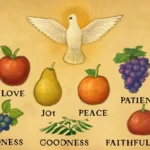
The Gifts of the Holy Spirit are distinct from natural talents or formed virtues. They are divine assists that elevate the human person by enabling superhuman actions in accord with God’s will. They work together with the fruits of the Holy Spirit (such as love, joy, peace, patience, kindness, goodness, faithfulness, gentleness, and self-control) to produce Christian character.
Can a person have only some of the gifts?
It is possible for a Christian to experience and exercise all seven gifts to varying degrees, depending on grace, circumstances, and spiritual growth. The Holy Spirit distributes these gifts as He wills, and believers are encouraged to cooperate by prayer, practice, and reception of the sacraments.
How can I cultivate these gifts if I feel distant from God?
Begin with daily prayer and participation in the Church’s life. Seek confession, Scripture study, and spiritual direction, and look for practical ways to love neighbor. Small, consistent steps can open space for the Holy Spirit to work more deeply.
Living with the sevenfold gifts
The seven gifts of the Holy Spirit are not a checklist but a living invitation to a deeper relationship with God. By recognizing and cultivating these gifts—wisdom, understanding, counsel, fortitude, knowledge, piety, and fear of the Lord—you can navigate life with greater clarity, courage, and love. They empower you to think rightly about God and the world, to make decisions that honor truth and mercy, to endure hardship with grace, and to move through daily life with a prayerful and reverent heart.
Whether you are new to the faith or have walked with Christ for years, these gifts invite you to an ongoing transformation. Seek them in prayer, invite the Holy Spirit to guide you, and practice them in your relationships, work, and service to others. In time, you may discover that your ordinary life becomes a place where extraordinary grace is at work—where wisdom informs action, understanding clarifies purpose, counsel guides choices, fortitude sustains effort, knowledge illuminates meaning, piety deepens love, and the fear of the Lord keeps you close to the Father’s heart.
Gifts from God are a central thread in the biblical narrative, weaving together the idea that life itself, abilities, and opportunities come from a generous Creator. This article explores meaning, blessings, and how to use them, drawing on a range of biblical verses that speak to the nature of divine gifts, their purposes, and the…
Understanding the Baptism with the Holy Spirit and Fire: Meaning, Significance, and Biblical Insights The phrase baptism with the Holy Spirit and fire appears in the New Testament as a powerful description of a spiritual experience associated with divine empowerment, purification, and transformation. Across Christian traditions, this language is used to speak of a deeper…
Anointed with Holy Spirit: What It Means and How to Walk in His Power Today Throughout biblical history, the phrase anointed with the Holy Spirit carries weighty significance. It signals a distinct moment of divine presence, empowerment, and commissioning for purpose. In the Christian tradition, the idea of being anointed by the Spirit is not…
Anointing Sermon: 5 Keys to Delivering a Spirit-Led, Powerful Message An anointing sermon is more than a well-crafted outline or a polished delivery. It is a message that carries the presence of God into the meeting, stirring faith, hope, and transformation in the hearers. In Christian ministry, many preachers yearn for that moment when the…
Understanding the Idea of God Giving Gifts When we speak of God giving gifts, we enter a conversation about how divine blessings appear in human experience. This topic covers more than luck or random chance; it invites us to consider how a benevolent Creator may reach into daily life with purpose and care. Throughout history,…
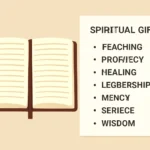
This article offers a thorough exploration of the Bible spiritual gifts list, a guide to the gifts of the Holy Spirit described in Scripture. Whether you encounter the phrase bible spiritual gifts list, gifts of the Spirit in Scripture, or list of spiritual gifts in the Bible, the aim is the same: to illuminate how…