The Seven Redemptive Names of God — Meaning, Significance & Bible Study
Across biblical literature, the names of God are more than labels; they are revelations of His character, actions, and ongoing relationship with humanity. Among the most widely taught categories are the seven redemptive names that point to God’s gracious interventions in human history and His willingness to meet His people at their point of need. These names invite believers into a personal encounter with God’s provision, healing, protection, peace, guidance, righteousness, and sanctification. While various traditions may present slight variations in wording or ordering, the underlying themes remain consistent: providing when we lack, healing in brokenness, banner of victory, peace in unrest, guide and shepherd, righteousness credited to us, and sanctification at work in our lives.
In this article, we will explore each redemptive name, note its meaning, outline its biblical background, highlight the significance for daily living, and provide practical ways to study and apply the name in personal devotion and group Bible study. To reflect the breadth of tradition, you’ll also encounter variations in spelling or emphasis (for example, Jehovah versus Yahweh, or Jireh versus Jireh). The goal is not to debate language but to deepen understanding of God’s redemptive work and how believers can respond in faith.
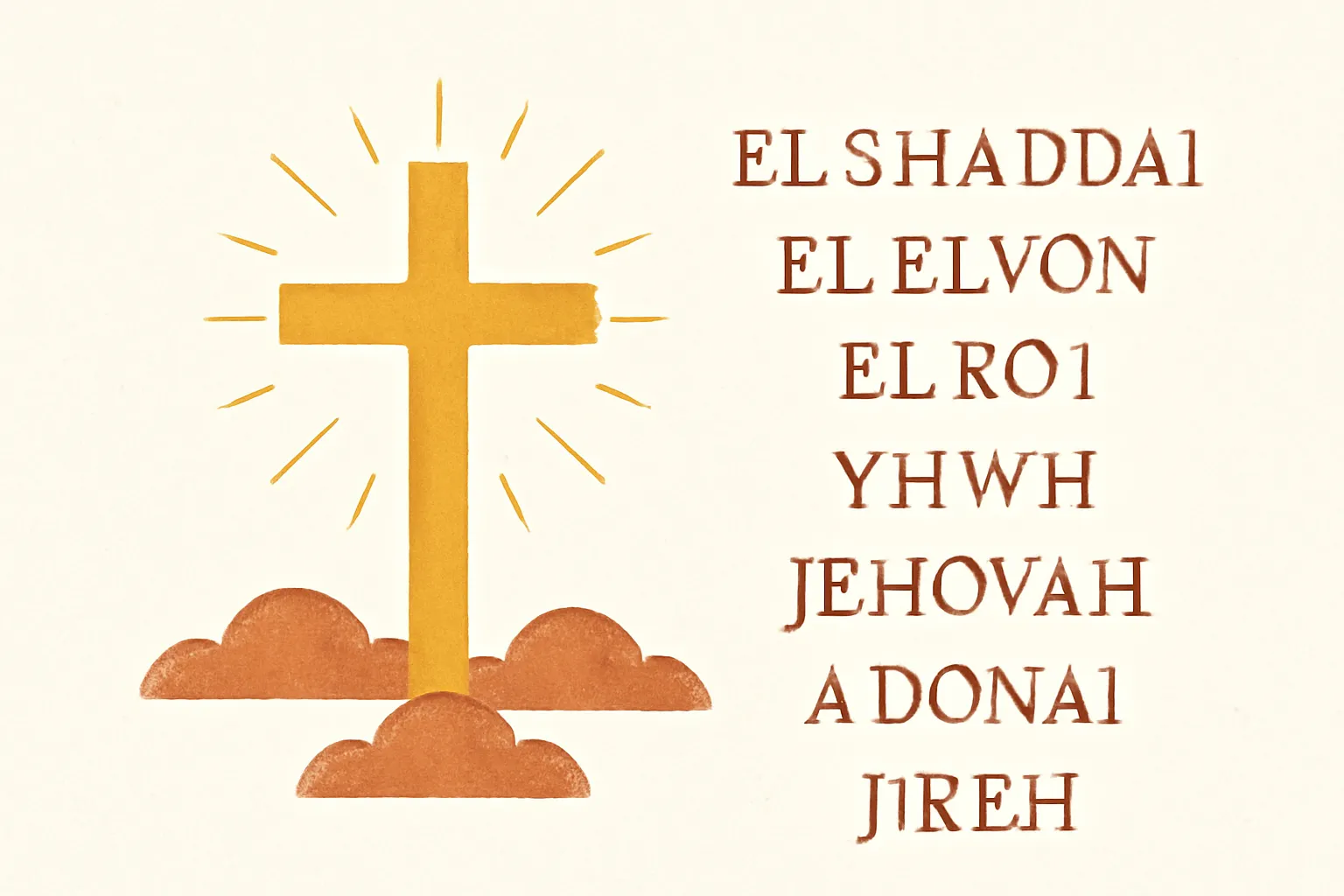
Jehovah Jireh — The Lord Will Provide (also rendered Yahweh Yireh)
Jehovah Jireh is commonly translated as The Lord Will Provide. In some traditions you will see Yahweh Yireh or Jehovah-Jireh used interchangeably. The term comes from the biblical scene in Genesis 22, where God provides a ram as a substitute offering in place of Isaac. The phrase captures both God’s intimate awareness of human need and His timely intervention when faith is tested.
The root idea behind Jireh is tied to seeing and providing. It expresses not only foresight (seeing what is needed) but also action (providing what is required). The name invites believers to trust that God is attentive to our needs, even before we voice them, and that He has the resources to meet those needs in ways that honor His broader redemptive purposes.
Biblical Narrative and Key Passages
Genesis 22:14 — “And Abraham called the name of that place, The Lord will provide; as it is said to this day, On the mount of the Lord it shall be provided.”
Genesis 22:8 — “God will provide for himself the lamb for a burnt offering.”
In broader biblical witness, the language of provision recurs as God meets needs in hunger, danger, or scarcity, reinforcing the idea that God’s provision is part of His redemptive activity.
Significance for Prayer and Faith
Encourages believers to petition God with confidence, knowing He sees their needs and has a plan for provision that may exceed human expectation.
Encourages patient trust during testing, especially when immediate supply is not obvious, reinforcing that God’s timing is integral to His provision.
Helps shape a lifestyle of gratitude: provision is not only for material needs but also for spiritual strength, wisdom, and resilience.
Bible Study and Reflection Questions
What does the place named after God’s provision teach you about God’s faithfulness in your current circumstance?
How can you align your prayers with God’s larger redemptive plan, rather than only addressing immediate needs?
Where has God provided for you in ways you didn’t anticipate, and how does that shape your trust for future needs?
Jehovah Rapha — The Lord Who Heals (also rendered Jehovah-Rapha or Yahweh-Rophe)
Jehovah Rapha is commonly understood as The Lord Who Heals. This name encompasses physical healing, emotional restoration, and spiritual renewal. In the biblical narrative, healing is not merely about curing symptoms but about restoring wholeness and renewing life in alignment with God’s redemptive purposes.
Meaning and Linguistic Roots
The root rapha conveys healing, mending, or restoring. The title emphasizes God’s compassionate care for broken bodies, wounded hearts, and broken relationships. It signals that God’s redemptive plan includes restoration from the brokenness caused by sin and its consequences.
Biblical Narrative and Key Passages
Exodus 15:26 — “If you listen carefully to the voice of the LORD your God and do what is right in his eyes, if you pay attention to his commands and keep all his decrees, I will not bring on you any of the diseases I brought on the Egyptians
Why Honor Your Father and Mother Remains Central in Biblical Guidance The phrase “honor your father and your mother” appears in the core moral framework of the Hebrew Bible and is echoed in Christian writings across centuries. It is not merely a call to polite behavior or formality, but a foundational ethical principle that shapes…