Beatitudes Catholic: What They Are and Why They Matter
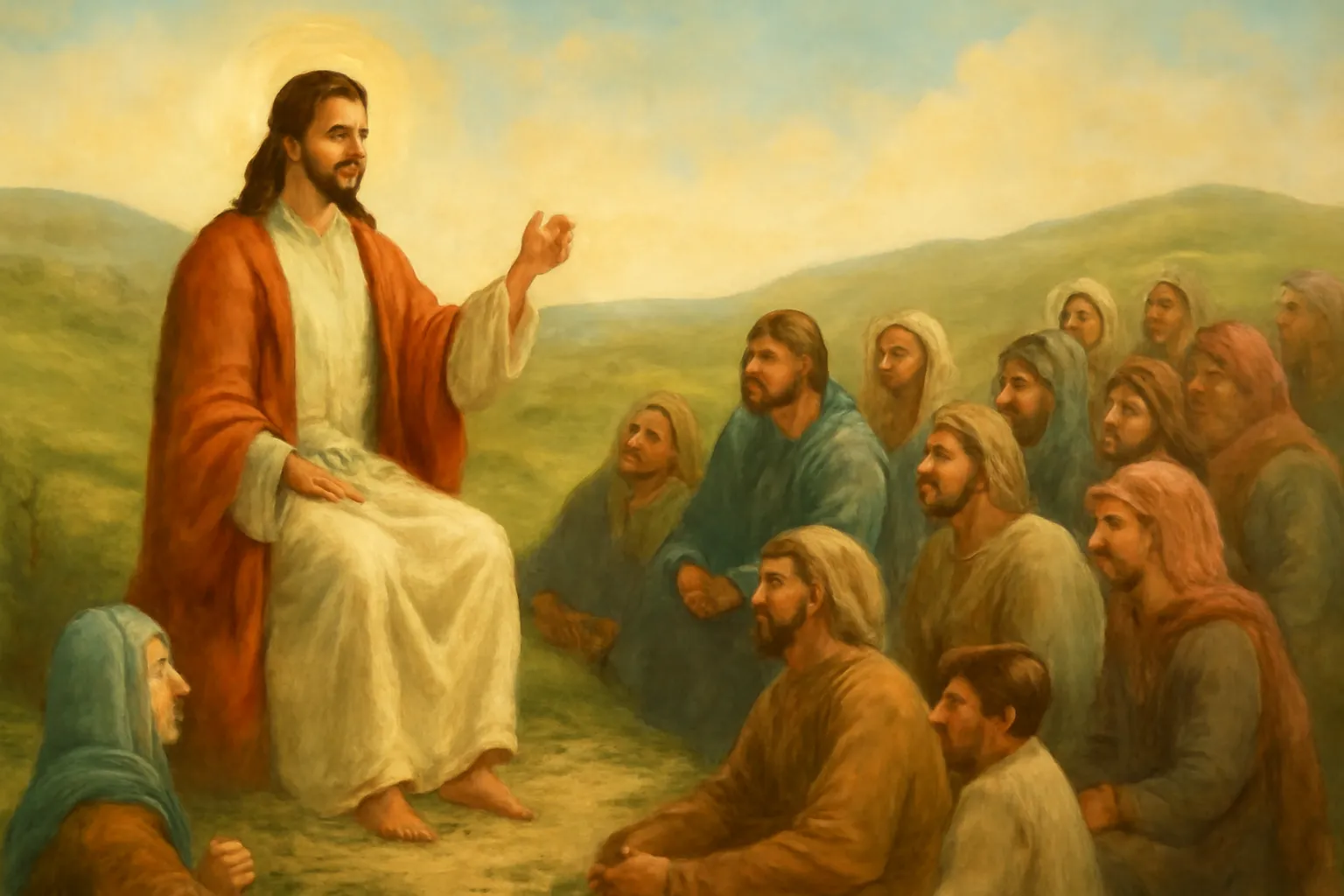
The Beatitudes in Catholic teaching are more than a list of spiritual ideals. They are a compass for living the Christian life. Known as the Catholic Beatitudes, these blessings come from Jesus’ teaching in the Sermon on the Mount, found in the Gospel of Matthew. They reveal the values of the Kingdom of God and invite followers to a path that often runs counter to worldly expectations. In Catholic spirituality, the term beatitude carries the sense of blessedness, happiness, and ultimate fulfillment that come from aligning one’s life with divine grace. This article explores what the Beatitudes are in Catholic tradition, why they matter for believers today, and how Catholics can interiorize and translate these spiritual commitments into concrete actions in daily life.
Understanding the Beatitudes in Catholic Teaching
In Catholic language, the Beatitudes are a compact program for Christian discipleship. They present both a spiritual attitude and a practical invitation: to trust God in adversity, to seek justice, to show mercy, and to work for peace even in a conflicted world. While the eight blessings are often presented as a single, cohesive set, Catholic thinkers also recognize layers of meaning. They are not merely ethical commands; they are promises that accompany the life of faith and hope in God. For Catholics, the Beatitudes help shape personal holiness, community life, and social responsibility.
To appreciate the Catholic understanding of these blessings, it is helpful to note a few guiding points:
Source and authority: The Beatitudes appear in the canonical Gospel account of Jesus’ teachings, particularly in the Gospel of Matthew. In Catholicism, they are treated as the words of Christ and as an essential part of Sacred Scripture that informs doctrine, ethics, and prayer.
Spiritual orientation: The Catholic beatitudes emphasize interior dispositions—humility, mercy, purity of heart—and exterior actions that express faith in God’s reign.
Relation to other teachings: The Beatitudes are often read in tandem with Jesus’ subsequent teachings on justice, love of neighbor, and nonviolence, as well as with Catholic social teaching (often linked to later papal encyclicals and councils).
What is a Beatitude? A brief clarification
In Catholic terms, a beatitude designates a blessed state that results from living in partnership with God’s grace. Each blessing names a condition or longing—poverty of spirit, mourning, meekness, hunger for righteousness, mercy, purity of heart, peacemaking, and enduring persecution—that God honors with the gift of his blessings. The supernatural happiness promised by the Beatitudes is not merely emotional comfort; it is the deep joy that grows as the believer aligns more closely with Christ and participates in the life of the Church.
The Eight Beatitudes: A Catholic Perspective
Central to the Catholic understanding of this topic is the explicit listing of the eight blessings proclaimed by Jesus. In Catholic catechesis, each Beatitude is taken as a distinct yet interconnected invitation. Below is a structured presentation of the eight blessings, followed by reflections on their meaning for contemporary Catholic life.
Blessed are the poor in spirit, for theirs is the kingdom of heaven.
Meaning and implication in Catholic life: This beatitude invites detachment from material wealth or status and a dependence on God’s grace. In Catholic philosophy, poverty of spirit is not primarily about economic conditions; it is a posture of humility before God, recognizing that all good things come from him. The promise, theirs is the kingdom of heaven, affirms that those who live honestly in dependence on God participate in God’s rule now and will be fully realized in the eschatological fulfillment of the Kingdom.
Blessed are those who mourn, for they shall be comforted.
Meaning and implication in Catholic life: Mourning points to a genuine engagement with sorrow—whether through personal loss, injustice, or the suffering of others. Catholics are called to be present with those who grieve, to carry one another’s burdens, and to trust that God consoles the afflicted. The promise of comfort underscores the reality that God’s compassion pierces sorrow and that solidarity in suffering can be transformed into hopeful action.
Blessed are the meek, for they shall inherit the earth.
Meaning and implication in Catholic life: The virtue of meekness, often described as gentleness or strength under control, is not weakness but moral strength guided by charity. In Catholic thought, meekness harmonizes justice with mercy and invites perseverance rather than aggression. The phrase they shall inherit the earth points to God’s faithful provision and the ultimate fulfillment of the believer’s vocation within God’s creation order.
Blessed are those who hunger and thirst for righteousness, for they shall be satisfied.
Meaning and implication in Catholic life: This Beatitude emphasizes a longing for justice—an active pursuit of what is right and true in society, culture, and personal life. Catholics are called to work for the common good, support the vulnerable, and oppose systems that oppress human dignity. The promise of satisfaction indicates that righteous efforts are not in vain; grace accompanies honest labor toward truth and justice.
Blessed are the merciful, for they shall obtain mercy.
Meaning and implication in Catholic life: Mercy is a central Christian habit in Catholic spirituality. To be merciful is to show compassion, forgiveness, and practical help to those in need. The reciprocal promise—“they shall obtain mercy”—highlights the theological truth that mercy received from God becomes mercy extended to others. In community life, this Beatitude fosters reconciliation, charity, and restorative justice.
Blessed are the pure in heart, for they shall see God.
Meaning and implication in Catholic life: Purity of heart concerns integrity, sincerity, and interior wholeness oriented toward God. It invites Catholics to guard their thoughts and actions from duplicity, to cultivate devotion, and to keep God at the center of all decisions. The reward, they shall see God, points to the ultimate vision of God in eternal life, while also inviting a clearer perception of God’s presence in daily life here and now.
Blessed are the peacemakers, for they shall be called children of God.
Meaning and implication in Catholic life: Peacemaking is a calling that goes beyond mere absence of conflict. It involves active reconciliation, justice, and the healing of broken relationships. In Catholic social teaching, peacemaking involves solidarity with the vulnerable, courageous dialogue, and nonviolent means to resolve disputes. The divine title children of God signals the intimate relationship with the Father that is fostered through acts of reconciliation and love.
Blessed are those who are persecuted for righteousness’ sake, for theirs is the kingdom of heaven.
Meaning and implication in Catholic life: The final Beatitude honors those who endure opposition for living according to God’s justice, truth, and mercy. Catholics are called to witness to the Gospel with courage, even when it brings hardship. The promise mirrors the reality that the Kingdom of heaven sustains the faithful through trials and affirms God’s sovereignty over history.
Each Catholic beatitude offers a distinct but interconnected truth. When taken together, they form a holistic map of Christian virtue: humility and dependence on God, compassion toward sorrow, strength guided by gentleness, a longing for justice, mercy toward others, integrity of heart, peaceful reconciliation, and steadfast witness under pressure. Catholic educators, pastors, and lay faithful often present the Beatitudes as a framework for catechesis, spiritual direction, and social action. They are not isolated commands but a coherent whole that informs conscience formation and daily decision-making.
Why the Beatitudes Matter in Catholic Life
Why should a Catholic care deeply about these eight blessings? Because they illuminate the heart of the Gospel and ground Catholic identity in a way of living that mirrors Christ. The Beatitudes offer a different lens through which to view success, happiness, and fulfillment. They redefine blessing not simply as comfort or prestige but as participating in the life of God, especially in places where God’s grace is most needed: in poverty of spirit, grief, vulnerability, injustice, mercy, purity, reconciliation, and endurance under pressure.
Several themes recur across Catholic reflections on the beatitude path:
Grace and human freedom: The Beatitudes describe dispositions empowered by grace while inviting voluntary cooperation with God’s plan.
Kingdom living: They announce the values of the Kingdom of God, a realm where God’s justice, mercy, and peace prevail, even amid worldly hardship.
Solidarity with the vulnerable: The Catholic Church often emphasizes that blessedness is especially found in walking with the poor, the grieving, the persecuted, and the marginalized.
Formation of conscience: Meditating on these blessings helps Catholics form consciences that discern right from wrong in a morally complex world.
In Catholic social teaching, the Beatitudes are linked to the Church’s mission in society. The Beatitudes inspire a commitment to justice, human dignity, and the common good. They ground advocacy for the vulnerable, labor rights, education, healthcare, and peace-building initiatives. They also inform private spirituality—anjing heart prayer, contemplative reading of Scripture, and communal worship—so that Catholic life is coherent, interior, and outwardly engaged with the world’s needs.
Prayer and liturgical life in the Catholic tradition often reflect on the Beatitudes to cultivate interior conversion. While the exact Beatitude text may be proclaimed in the lectionary during Mass on certain feast days or Sundays, they are especially woven into daily prayer, such as the Liturgy of the Hours or personal contemplation. Catholics might encounter the Beatitudes in the following ways:
Scripture reflection: A common devotional practice is to read a Beatitude daily or weekly, reflecting on its meaning in one’s personal circumstances and the needs of the world.
Catechesis and formation: In catechetical settings, the Beatitudes are used to teach virtue, social justice, and the Christian moral life, often with practical exercises or case studies.
Prayers and meditations: Some Catholic prayers invite the faithful to imitate Jesus in the Beatitudes, asking for the grace to grow in humility, mercy, and peace.
Liturgical readings: On feast days dedicated to the Sermon on the Mount or to Jesus’ teaching ministry, the Beatitudes may be highlighted in readings or homilies, reinforcing their significance in the liturgy.
Historical Context: How the Beatitudes Shaped Catholic Thought
The Beatitudes have been a wellspring for Catholic moral theology and social ethics for centuries. Early Church Fathers interpreted the blessings as clues to contemplative life and public witness. In the medieval period, parallel discussions about poverty, humility, and mercy influenced monastic practice and the formation of a social ethic rooted in Gospel values. In modern times, Catholic social teaching has repeatedly drawn on the Beatitudes to articulate a vision of justice that respects human dignity and promotes peace.
Key moments in history where the Catholic understanding of the beatific blessings influenced public life include:
Monastic and contemplative traditions: The Beatitudes informed the evangelical counsels—poverty, chastity, and obedience—and inspired communities devoted to prayer and service, highlighting the happiness that comes from dependence on God rather than material wealth.
Church social documents: Encyclicals and pastoral letters often reference the Beatitudes to argue for care for the poor, fairness in labor, and the pursuit of justice as essential expressions of Christian discipleship.
Dialogue with modern culture: Catholic thinkers have used the Beatitudes to engage contemporary concerns—human rights, nonviolence, environmental stewardship, and the dignity of every person—by rooting solutions in Gospel truth rather than political expedience.
Variations and Related Teachings: Luke’s Beatitudes and the Parallel Echoes
While the traditional Catholic list of eight Beatitudes comes from Matthew, there is a parallel set found in the Gospel of Luke, often called the Sermon on the Plain. The Beatitudes in Luke share some themes but also emphasize different conditions, such as blessings pronounced on the poor and hungry, and warnings for the rich and well-fed. In Catholic interpretation, the Lukean version is valued for highlighting the economic and social dimensions of blessedness, and for emphasizing God’s preferential option for the marginalized. The two Gospel accounts together deepen the Catholic understanding that the Kingdom of God overturns worldly hierarchies and invites all people into God’s mercy.
Beyond Luke and Matthew, Catholic tradition also acknowledges broader contemplative and pastoral readings of the Beatitudes. Some theologians discuss the Beatitudes as a graduated ladder of interior conversion—beginning with humility, moving toward justice-seeking action, and culminating in courageous witness under persecution. In this sense, the Catholic Beatitude path is not a static list but a dynamic spiritual itinerary that progresses as a believer grows in grace and love.
Practical Ways to Live the Beatitudes in Daily Life
For Catholics, the true measure of the Beatitudes lies in how they shape daily decisions, relationships, and service. The following practical suggestions offer a way to translate Beatitude values into concrete actions:
Practice poverty of spirit daily: Cultivate gratitude for God’s gifts, share resources with those in need, and resist the lure of materialism that distances the heart from God.
Comfort those who mourn: Be present to others in sorrow, offer listening ears, and participate in comforting ministries or charitable acts toward the grieving and vulnerable.
Exercise meekness in every situation: Respond to provocation with restraint, choose constructive dialogue, and rely on divine strength rather than personal force.
Hunger and thirst for righteousness: Advocate for just policies, stand against exploitation, and support initiatives that protect human dignity, especially for the most vulnerable.
Be merciful in everyday life: Forgive others, extend mercy through acts of charity, and advocate for reconciliation in families, communities, and nations.
Keep a pure heart: Guard motives, avoid duplicity, and nurture inner honesty through prayer, examen, and sacramental life.
Be a peacemaker: Promote peaceful resolutions, mediate conflicts, and work for justice in a manner that fosters reconciliation and unity.
Stand firm under persecution for righteousness: Courageously witness to the Gospel in word and action, even when it is costly or unpopular, always seeking to imitate Christ’s faithfulness.
Catholic discipleship, understood through the Beatitudes, invites believers to view their daily choices—how they work, how they relate to family, how they vote, and how they treat strangers—as opportunities to participate in God’s kingdom here on earth. The practical application of Catholic beatitude living is always anchored in prayer, formation, and communal discernment within the Church.
How to Teach and Learn from the Beatitudes in Catholic Education
For educators, catechists, and families, the Beatitudes serve as an effective framework for teaching virtue and Catholic social ethics. A typical teaching approach might include:
Storytelling and reflection: Using contemporary stories to illustrate each Beatitude, helping learners connect ancient words to modern life.
Small-group discussions: Facilitating conversations about how the Beatitudes challenge and support participants in real-world situations.
Service projects: Organizing charitable works that embody mercy, justice, and solidarity with the vulnerable.
Prayer and ritual: Incorporating Beatitude-centered prayers or liturgical actions into class or parish life to reinforce interior conversion.
Scripture study: Reading the Beatitudes in context with the surrounding Sermon on the Mount, the Gospel of Luke’s version, and related Scriptural passages to deepen understanding.
Common Misunderstandings About the Beatitudes
Like any central scriptural teaching, the Beatitudes can be misread. Here are some common misunderstandings that Catholics and others sometimes encounter, with clarifications grounded in Catholic interpretation:
Misunderstanding: The Beatitudes are a call to passive resignation. Clarification: The Beatitudes invite active virtue and courageous witness, not passive resignation. While they recognize suffering, they also empower believers to work for justice, mercy, and peace.
Misunderstanding: The blessings promise worldly success. Clarification: The beatific happiness described is spiritual and eschatological, not primarily about political power or national riches. The “kingdom of heaven” is a present reality in grace and a future fullness in God’s reign.
Misunderstanding: They are ideals for priests and religious only. Clarification: The Beatitudes are universal; they are intended for all baptized Catholics, daily lay life included, and they shape how families, workplaces, and communities live the Gospel.
Variations in Wording and Translation: A Catholic Perspective
Different translations of Scripture in the Catholic tradition can render the Beatitudes with slight linguistic variation, yet the core meaning remains consistent. Catholic scholarship emphasizes fidelity to the sense of Jesus’ original statements while acknowledging the beauty of liturgical language. The Catholic Church recognizes that the Beatitudes are best understood within the living tradition of the Church, including the Church Fathers, theologians, and liturgical practice that has shaped Catholic devotion for centuries.
The Enduring Relevance of the Beatitudes in Catholic Life
The Beatitudes—often described as the heart of Jesus’ moral teaching—offer a blueprint for living as a Catholic in a complex, changing world. They orient the Christian toward God’s grace, deepen the interior life, and compel outward action for justice and peace. When Catholics reflect on Catholic Beatitudes as a cohesive whole, they discover a path that blends personal sanctification with social responsibility. The eight blessings serve as both a spiritual aspiration and a practical program: to recognize the dignity of every person, to respond to pain with mercy, to seek truth and justice, and to remain faithful to Christ even in the face of hardship. In this sense, the Beatitudes are not merely ancient words; they are living invitations to a life of friendship with God and service to others. This is why the Beatitudes matter so deeply in Catholic life today, and why they continue to be a constant source of inspiration for believers who seek to embody the light of the Gospel in every aspect of their existence.
Further reflections for curious readers
If you want to explore the Beatitudes more deeply, consider these prompt questions for personal or group study:
How does poverty of spirit shape your attitudes toward success and security?
In what ways can mourning be transformed into solidarity with others’ suffering?
How can meekness translate into both strength and gentleness in your life?
What does it mean to hunger for righteousness in your local community or workplace?
Where can you show mercy today, and how can you seek mercy for yourself and others?
What steps help you cultivate a pure heart amid distractions and temptations?
Who in your life calls you to be a peacemaker, and how might you respond?
How would enduring persecution for righteousness influence your faith and witness?
Beatitudes are among the most recognizable teachings of Jesus, appearing in the opening lines of the Sermon on the Mount. They are not a set of instructions about how to achieve virtue through effort alone, but a declaration about the blessed condition of those who live in alignment with the values of God’s kingdom. This…