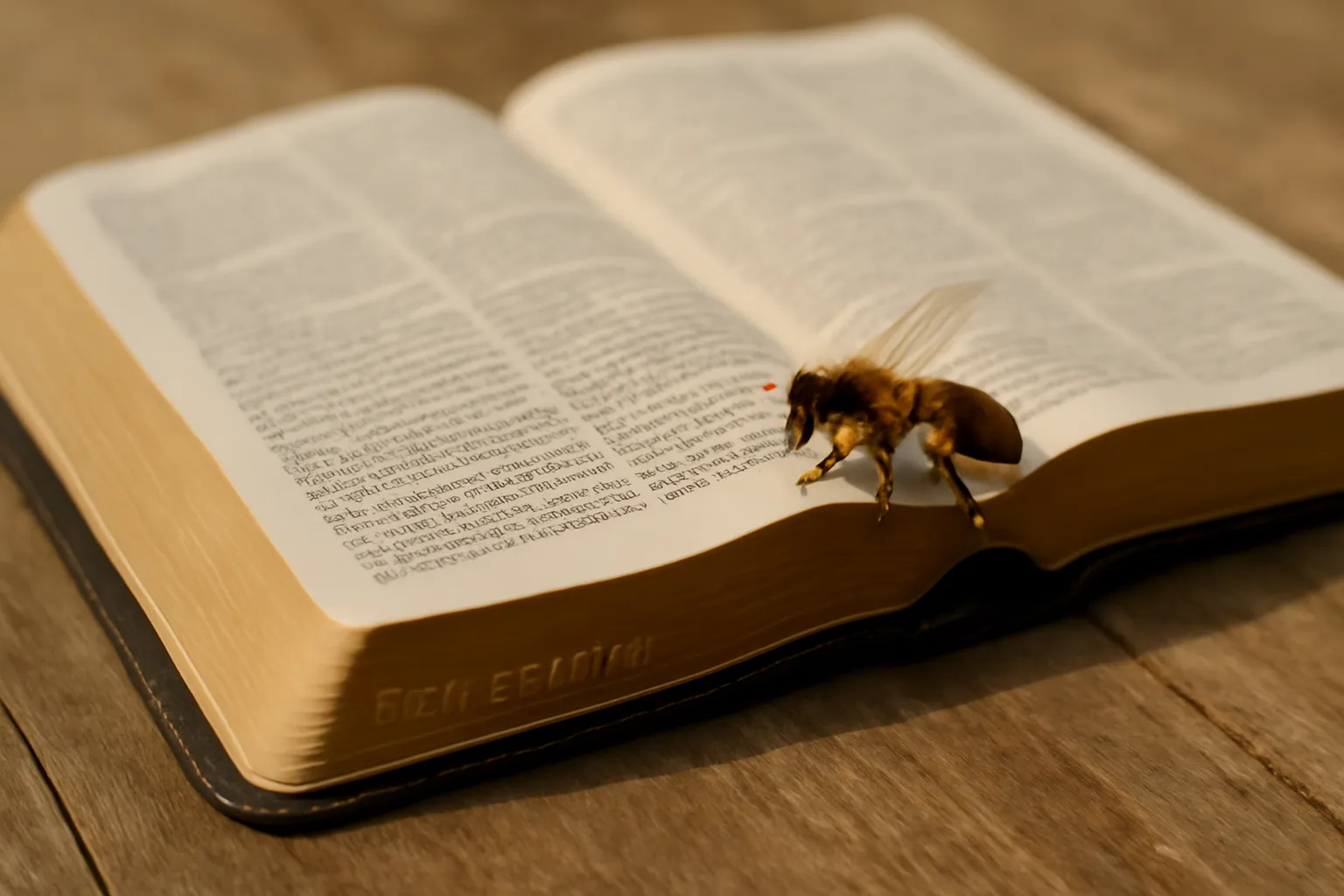
Bees Bible: The Ultimate Beekeeping Guide for Hobbyists
Welcome to a comprehensive, reader-friendly resource designed to transform curiosity into confident practice. This Bees Bible—sometimes known as the beekeeping Bible in enthusiast circles, or simply this Bee Bible by new beekeepers—offers a structured roadmap for anyone interested in keeping honeybees as a hobby. Whether you dream of observing a thriving colony, harvesting your own honey, or simply supporting pollinators in your garden, this guide aims to be you
In the pages of the Bees Bible, you’ll find practical advice, science-based explanations, seasonal checklists, and ethical considerations that help you avoid common pitfalls. The goal of this document is not only to tell you what to do, but to explain why certain practices work, how to adapt them to your local climate, and how to recognize when to seek professional guidance. Think of the bee bible as a living manual that grows with your experience, your apiary’s scale, and the health of your bees.
Understanding the Beehive and Colony Structure
Before you dive into equipment and management, it helps to understand what you are caring for. A honeybee colony is a dynamic, social organism that functions as a single unit. In this section, we’ll outline the basic hierarchy, the components of the hive, and how colonies organize themselves through the seasons.
Colony Roles and Life Stages
Queen: The reproductive heart of the colony. A healthy queen lays eggs and helps regulate colony behavior through pheromones.
Workers: Female bees that perform foraging, brood care, building, cleaning, and defense. They are the backbone of daily operations.
Drones: Males whose primary role is mating. In most hobby settings, drones are tolerated within the hive but managed through seasonal dynamics.
Understanding these roles helps you interpret colony activity. For example, a heavy brood pattern in spring signals strong laying by the queen, while a sparse brood area in late summer may indicate a need for supplemental feeding or hive inspection.
Hive Components: Frames, Foundation, and Space
Frames and foundation: The frame is the wooden skeleton that holds wax foundations or plastic inserts. The way you space frames affects ventilation, comb construction, and ease of inspection.
Brood nest vs honey supers: The brood nest is where you’ll find eggs, larvae, and pupae. The honey supers store the harvested nectar that becomes honey.
Entrance reducers: Small devices that adjust the hive entrance to improve defense against robbers or to optimize ventilation during heat
while minimizing draft during cold snaps.
Ventilation and moisture control: Proper airflow reduces condensation and helps keep bees healthy.
Choosing Between Langstroth, Top Bar, and Warre
Langstroth hives: The most common stacked-frame design, compatible with a wide range of equipment and spares. They are versatile for beginners and experienced keepers alike.
Top Bar hives: Usually one deep bar per brood area, which can simplify inspection but may require more skill to manage comb and space.
Warre hives: A vertical box design emphasizing natural bee behavior with limited intervention, but they can be less forgiving for beginners.
In this Bees Bible, the Langstroth approach is presented as the mainstream starting point for hobbyists due to its compatibility with standard equipment, clear frames of brood and honey, and abundant community knowledge. However, the concepts of space, brood management, and seasonal routines translate across hive styles.
Essential Equipment and Setup
Launching a new hive requires thoughtful investment. This section breaks down the core gear you’ll need, how to select gear that fits your space and budget, and tips for reliable setup that helps you stay organized.
Protective Gear
Beekeeper suit or jacket with veil: Protects your face and neck from stings while maintaining visibility.
Gloves: Optional for some hobbyists; many prefer to work without gloves to maintain tactile feedback during inspections.
Boots or closed-toe shoes: Keeps feet safe and clean, especially in outdoor apiaries with uneven ground.
Core Tools
Hive tool: A multipurpose instrument for prying apart frames and scraping propolis.
Smoker: Essential for calming bees with cool smoke; practice proper technique to avoid stressing the colony.
Girl wire or feathery brush (brush only for delicate handling, not to overwhelm colonies): For gentle bee movement and frame alignment.
Frame and Hive Accessories
Frames and Foundation (plastic or wax-coated): The backbone of the hive’s architecture.
Queen excluder (optional): A grid that restricts queen access to honey supers, depending on your honey harvest strategy.
Feeder (in-hive or external feeders): Useful during nectar dearth or early spring when blooms are scarce.
Entrance reducer and inner covers: For temperature control and hive accessibility during inspections.
Site and Environmental Considerations
Site selection: Choose a sunny, sheltered location with good airflow. Avoid areas with heavy foot traffic or potential pesticides.
Water source: Bees require water; provide a clean, accessible water point near the apiary.
Neighbors and regulations: Check local guidelines on apiary placement and neighbor protection to foster good relations and compliance.
The purpose of this equipment overview is not to overwhelm you but to foster confident decision-making. Under the umbrella of Bee’s Bible wisdom, you’ll learn to start small, add gradually, and adapt gear to your climate and goals.
Getting Started: Choosing Your First Beehive and Site
Starting your first beekeeper journey involves careful planning around two essential questions: where will you place the hive, and what type of hive will you use? The answers influence your early success, maintenance ease, and eventual enjoyment of the hobby.
Selecting Your First Colony
Choose a nuc (nucleus colony) or weak to moderate sized colony with a laying queen already established. A ready-made colony reduces the risk of early queen issues and helps ensure a productive start.
Ask for mite levels and disease indicators when purchasing a colony. Strong bees with low pathogen loads set the stage for healthier seasons ahead.
Prefer local strains adapted to your climate. Local bees often show greater resilience to local weather patterns and forage availability.
Site Preparation
Position hives so you have a clear, safe approach for inspections, with enough space to move around without crowding.
Consider sun exposure and wind protection; a warm, sunny south-facing position often promotes early spring activity.
Plan for drainage and ground stability; tired or swampy ground can complicate winter repair and summer access.
In the lexicon of this Bee Bible, beginning with a solid site and a ready-made colony is a strong start and reduces early missteps. As you grow, you can experiment with other hive configurations and forage landscapes.
Apiary Management: The Year in Beekeeping
Beekeeping is a seasonal discipline. The following sections provide a practical, month-by-month (roughly) framework for managing your apiary. The goal is to keep colonies strong, minimize bee stress, and maintain honey production without sacrificing colony health.
Spring: Awakening and Growth
Inspect colonies for brood pattern, queen presence, and overall vigor. Look for signs of disease or pests.
Feed if necessary—especially in areas with late spring nectar flows or drought conditions.
Begin frame replacement or additions to expand brood space if the colony is rapidly growing.
Introduce additional honey supers after the first major nectar flow to prevent overcrowding in the brood nest.
Summer: Forage Management and Maintenance
Keep an eye on varroa mite levels and other pests; implement treatments according to local guidelines if necessary.
Monitor honey stores and ensure colonies are not honey-bound; provide feeds during dearth periods if stores fall below safe thresholds.
Harvesting planning: begin to evaluate whether to add more supers or consolidate honey stores for winter.
Autumn: Preparation for Dormancy
Reduce entrances to help bees defend against robbing and conserve warmth.
Finalize harvests where appropriate, leaving sufficient stores for winter.
Conduct a thorough health assessment and order necessary equipment, if needed, before winter.
Winter: Rest and Observation
Limit interventions; bees require calm and stable conditions during the cold months.
Observe through the observation window or by careful, non-invasive checks to monitor cluster health and vitality.
Plan education and equipment upgrades for the upcoming year—the Bees Bible is a living document and grows with you.
Across these seasonal frames, the Bee Bible approach emphasizes regular inspection, humane handling, and gradual, informed decision-making rather than reactive, single-step fixes. The intent is not only to survive the seasons but to thrive with consistent, ethical practice.
Harvesting, Processing, and Storage
Honey is a central attraction for many hobbyists, but the process of harvesting and processing requires careful care to maintain quality and bee health. This section synthesizes practical steps with safety-minded techniques.
When to Harvest
Honey supers are typically ready when the majority of comb cells are capped with beeswax.
Harvest timing should consider weather conditions; avoid harvesting during rainy spells to maintain quality and ease of removal.
Harvesting Steps
Remove outer honey supers and transport them to a clean processing area.
Extract honey using an extractor if you have a frame-based system; otherwise, you can use an improvised extraction method with careful manual uncap and pressing.
Filter and strain honey to remove wax and debris, then ensure proper storage containers are ready, preferably glass or food-grade plastic.
Processing and Bottling
Let honey settle and clarify; some hobbyists opt for gentle heating to reduce crystallization, but avoid overheating as it degrades flavor and enzymes.
Label jars with a simple system to track harvest dates and yields. A clean labeling practice supports hygiene and traceability.
Store honey in a cool, dry place away from direct sunlight to preserve aroma and texture.
In the larger narrative of the Bees Bible, honey harvest should be harmonious with colony welfare. Ethical beekeeping means balancing your enjoyment of honey with the bees’ needs for winter stores and colony health.
Bees Health, Pests, and Disease Prevention
Healthy bees are the backbone of a success story in beekeeping. This section outlines common health threats, practical prevention strategies, and action steps if issues arise. The emphasis is on proactive management, not reactive treatment.
Common Pests and Diseases
Varroa destructor: A parasitic mite that weakens bees and transmits viruses. Regular monitoring and integrated pest management (IPM) are essential.
Small hive beetle: A pest that can cause structural damage and honey contamination in weak colonies.
Nosema (microsporidian infection): A gut disease that impairs digestion and can reduce colony vigor.
Viral infections: Many viruses are spread via Varroa; maintaining low mite levels helps protect the colony.
Monitoring and IPM
Sugar roll or sticky boards can be used to estimate mite loads and inform treatment timing.
Biotechnical controls (drone brood removal during certain seasons) and organic acids or essential oils are commonly used in IPM strategies; follow local regulations and manufacturer guidelines.
Maintain hygiene and avoid cross-contamination between colonies. Healthy bees are less prone to opportunistic infections.
Healthy Nutrition and Queen Health
Provide diverse forage by planting nectar-rich plants and supporting pollinator habitats in the vicinity of your apiary.
Replace weak or failing queens to sustain brood production and colony vigor; a strong queen is a cornerstone of a lively apiary.
Ensure adequate water access, as hydration supports thermoregulation and digestion, especially during heat waves or nectar dearths.
With the Bee’s Bible perspective, preventive measures are better than cures. A well-managed apiary is less susceptible to outbreaks and more resilient to environmental stressors.
Ethics, Regulation, and Community Engagement
Beekeeping intersects with community health, animal welfare, and environmental stewardship. This section highlights the ethical framework and practical steps to integrate your hobby with local expectations and ecological responsibilities.
Ethical Beekeeping Principles
Minimize harm during inspections; handle frames gently to reduce stress.
Support colony health through balanced feeding and avoidance of unnecessary chemical treatments unless clearly indicated by monitoring results.
Promote pollination and biodiversity by planting native flora and providing habitats for beneficial insects beyond bees.
Regulatory Considerations
Understand apiary registration requirements in your municipality or country. Some places require notification or inspection for hobbyist hives.
Be mindful of pesticide exposure in your area; coordinate with neighbors and local farms to reduce harm to pollinators.
Follow guidelines for honey handling, labeling, and food safety if you plan to sell honey or apiary products.
Community and Education
Join a local beekeeping association or club to share experiences, obtain guidance, and access group equipment or queens.
Volunteer for community gardens, schools, or habitat restoration projects to foster broader pollinator health and education.
Engage in citizen science projects that monitor bee health or flowering patterns, contributing to wider ecological knowledge.
In the broader ecosystem, the Bees Bible emphasizes that hobbyists can play a meaningful role in biodiversity and pollination services. Responsible beekeeping is both a personal hobby and a public good.
Learning, Skills, and Progression
Beekeeping is a practical craft as much as a science. The path from beginner to confident hobbyist includes hands-on experience, study of biology, and reflective practice. This section outlines ways to deepen your knowledge, build competency, and enjoy ongoing growth.
Foundational Knowledge
Read basic texts on honeybee physiology, colony dynamics, and hive management. This Bee Bible is a starting point, but supplement with current, region-specific sources.
Attend local workshops or online courses to observe demonstrations and receive feedback on technique.
Study seasonal checklists and standard operating procedures to maintain consistency and accountability in your practice.
Hands-On Practice
Maintain a beekeeping journal or digital log to record inspections, treatments, harvests, and observations about forage.
Practice careful inspection routines; develop a routine that minimizes disturbance while gathering critical information.
Engage in small experiments, such as trying a new type of frame, adjusting entrance reducers, or experimenting with queen introduction methods in a controlled manner.
Beyond the First Year
Expand to additional colonies as you gain confidence, but scale gradually to maintain high standards of care.
Consider beekeeping as a community activity—share surplus honey, swarms, or equipment with local beekeepers in need.
Plan for succession and mentorship; your experience can support other hobbyists and strengthen the local beekeeping network.
Variations of the name aside, the central message of this Bees Bible narrative is lifelong learning, ethical stewardship, and a deep respect for the intricate life of honeybees. Your journey as a hobbyist will be shaped by curiosity, observation, and the willingness to adapt to changing conditions.
Common Myths and Practical Realities
Beekeeping is a field full of lore. This section helps separate myth from method, ensuring you don’t fall into common traps that complicate your hobby or compromise colony health.
Myth: Bees are aggressive and dangerous
Reality: Most honeybee colonies are not aggressive by default; they become defensive when they perceive a threat. Gentle handling, proper gear, and calm weather reduce stings significantly.
Myth: You can overfeed a healthy colony
Reality: Supplemental feeding is a tool to bridge nectar gaps, but excessive feeding can lead to obesity in larvae, negative odor changes, and reduced foraging motivation. Follow evidence-based guidelines and tailor to your local seasonality.
Myth: More chemicals equal better protection
Reality: Integrated pest management emphasizes monitoring and targeted, minimal interventions. Over-reliance on chemicals can disrupt brood, reduce colony resilience, and harm pollinators when misapplied.
Myth: Beekeeping is only about honey
Reality: While honey is a rewarding outcome, the deeper value lies in pollination, ecosystem health, and learning about complex insect social systems. Many hobbyists pursue beekeeping primarily for observation and conservation, with honey as a pleasant byproduct.
By debunking these myths within the framework of the beekeeping Bible, you’ll approach your apiary with a clearer understanding of realities, allowing for better decisions and more satisfying outcomes.
Next Steps: Learning Path, Resources, and Community
Whether you are just starting out or seeking to expand your knowledge, there are multiple avenues to deepen your understanding of beekeeping. The following are suggested steps to continue your journey with the same spirit that animates the Bees Bible.
Structured Learning
Enroll in a beginner beekeeping course or workshop tailored to your region and hive type.
Read a mix of foundational texts and current research on honeybee health, pollen nutrition, and forage ecology.
Follow a seasonal calendar with clear, actionable tasks to ensure you stay on track.
Hands-On Practice
Keep a regular inspection routine and adapt it to the bees’ behavior and your local climate.
Experiment with hive configurations, queen introduction strategies, and surplus management to find what works best for your environment.
Document outcomes in your journal to track improvements, setbacks, and lessons learned.
Community Engagement
Join a beekeeping association to access mentorship, equipment pooling, and collective knowledge.
Contribute to pollinator-friendly landscaping in your community, creating a more resilient foraging network for your bees and neighbors.
Participate in local citizen science initiatives to measure bee health, forage diversity, and environmental changes over time.
In sum, the core value of this Bees Bible is to empower hobbyists to practice beekeeping with care, curiosity, and a commitment to the welfare of the bees, their neighbors, and the broader ecosystem. The content outlined above is designed to be practical, stepwise, and adaptable—so your journey can grow with you, not outpace you.
The Promise of the Ultimate Beekeeping Guide for Hobbyists
Whether you call it the Bees Bible, the beekeeping Bible, or this Bee Bible, the essential promise remains the same: with thoughtful preparation, informed decision-making, and ongoing learning, beekeeping can be a deeply rewarding hobby. You’ll gain not only honey and pollination from your apiary but also a closer connection to the natural world, a stronger sense of stewardship, and a community of like-minded enthusiasts who share in both challenges and triumphs.
As you embark on this journey, remember the following guiding principles:
Observe carefully and record what you see. Observation is the seed of understanding in beekeeping.
Respect the bees’ welfare by minimizing disruption during inspections and avoiding unnecessary interference.
Plan for the long term with a seasonal calendar, a scalable approach to equipment, and a readiness to adapt to climate and forage changes.
Engage with your community to share knowledge, access resources, and contribute to pollinator health beyond your own hives.
With these ideas in hand, you are well prepared to explore the multifaceted world of honeybees. The journey may begin with curiosity, but it often grows into a thoughtful, lasting pursuit—one that enriches your garden, your neighborhood, and the life of the bees themselves. And so, you embark with the assurance that Bees Bible wisdom will accompany you at every inspection, every harvest, and every decision you make as a hobbyist beekeeper.