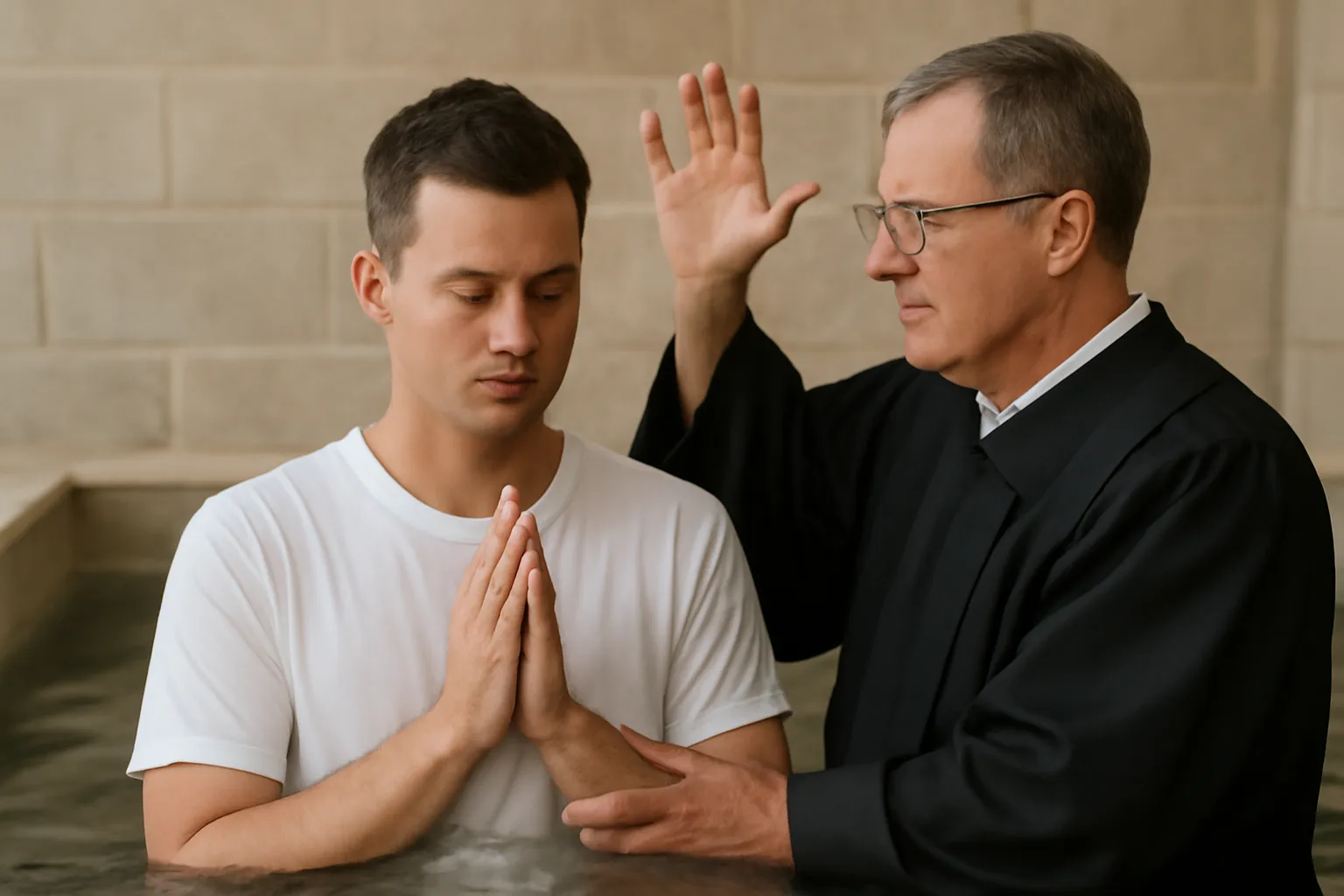
Born Again Christian Baptism is a practice with deep spiritual meaning for many followers of Jesus. It is often described as a public response to the experience of being “born again” in Christ, a transformative moment of faith that leads to baptism as a visible sign of inward renewal. In this article, we explore the meaning, the significance, and the steps to embrace this form of baptism in a way that is informative, respectful of diverse Christian traditions, and helpful for anyone seeking to understand or participate in the practice.
What is Born Again Baptism? (Definitions and Distinctions)
At its core, the phrase born again baptism refers to the rite of water baptism performed after a person has professed faith in Jesus Christ, acknowledging their spiritual rebirth. This is distinct from infant baptism or paedobaptism, which some traditions practice. For many believers, the new birth described in Scripture is a personal, life-changing event, and baptism is the public declaration that a person has placed faith in Christ and is beginning a journey of obedience to Him.
While the wording can vary, a few common expressions convey the same idea:
Born again baptism (often used to emphasize the link between regeneration and baptism)
Christian baptism of the new birth (highlighting the transformative, life-giving aspect)
Regenerate baptism or rebirth baptism (emphasizing spiritual renewal)
Believer’s baptism (a term frequently used in traditions that practice baptism after profession of faith)
In the biblical narrative, baptism is closely associated with belief in Jesus, repentance, and a public confession of faith. In John 3, Jesus speaks of being born of the Spirit to enter the kingdom of God, linking spiritual rebirth with a response that includes baptism for many believers. Therefore, born again Christian baptism is not merely a ritual; it is a sign of a spiritual transformation that has already taken place in the heart.
Different Christian communities understand the relationship between faith, repentance, and baptism in nuanced ways. Yet across most traditions, the essential sequence remains: grace received, faith professed, and baptism embraced as a public witness to that inward reality.
Why This Practice Matters: Meaning and Theology
Origins in Scripture
The concept of a spiritual rebirth is anchored in Jesus’ teaching about entrance into the kingdom, especially in the encounter with Nicodemus in John 3. There, Jesus asserts that one must be “born of water and the Spirit” to see the kingdom of God. For many Christians, this passage foreshadows the interplay of inner transformation and outward sign. While the exact theological implications of water baptism vary among traditions, most agree that baptism visualizes a profound change that has occurred within a believer’s life.
Theological Foundations
Several core theological themes frequently accompany discussions of the new birth and baptism:
Justification by faith (salvation as a gift received through faith) often precedes baptism in many Protestant frameworks.
Union with Christ (the believer is identified with Christ’s death, burial, and resurrection through baptism).
Public confession (baptism serves as a visible declaration to the community of faith).
Membership in the church (baptism marks entry into the local body of believers and, by extension, the universal church).
For many adherents, the act of immersion or pouring in baptism symbolizes breaking with the old life and rising to new life in Christ. The ceremonial washing represents cleansing from sin, while the united with Christ in baptism imagery points to identifying with His death and resurrection. The symbolic nature does not erase the need for ongoing discipleship; instead, it inaugurates a journey of growth, obedience, and transformation.
The Significance for Believers: Personal and Communal Impacts
Personal Renewal and Identity
For many people, participating in born again baptism marks a decisive shift in identity. No longer defined by a past detached from God, the believer embraces a new identity rooted in Christ. This change often brings a sense of relief, purpose, and alignment with God’s will. The act itself can become a powerful anchor in a believer’s spiritual life, reminding them daily of the commitment they have made and the grace that empowers them to live it out.
Public Testimony and Community Life
In addition to personal meaning, the public confession associated with believer’s baptism strengthens the life of the church. It creates accountability, fosters worship, and invites fellow believers to support and encourage the new disciple. When a person steps into the waters, the faith community witnesses a decision that signals ongoing discipleship and devotion to Christ.
Continuing Discipleship Beyond the Water
Baptism is not the end of the journey; it is the doors opening to a lifelong process of growth in grace. The steps that follow—bible study, prayer, fellowship, service, and righteous living—are essential to fully realize the benefits of the new birth. For many churches, baptism is paired with a period of catechesis or mentoring to ensure that the new believer understands what it means to live as a follower of Jesus.
How It Is Practiced: Steps to Embrace the Experience
Embracing born again baptism typically involves a sequence of discernment, teaching, confession, and the baptism ceremony itself. While practices vary among denominations, the following steps outline a common path that many churches recognize as the pathway from faith to baptism.
Hearing the gospel and responding to God’s call. This often begins with a personal conviction that Jesus is Lord and Savior, followed by a decision to trust Him for salvation.
Repentance and faith. The believer confesses sin, turns away from old patterns, and places trust in Christ alone for forgiveness and new life.
Public profession. The person communicates their faith to the church or faith community, often through a brief testimony or confirmation of belief in a beliefs interview.
Instruction and catechesis (where offered). Many churches provide teaching on what it means to follow Jesus, the significance of baptism, and the responsibilities of Christian living.
Preparation for baptism—prayer, counseling, and readiness for the public ritual. Some traditions require a short period of preparation or a brief examination of faith and understanding.
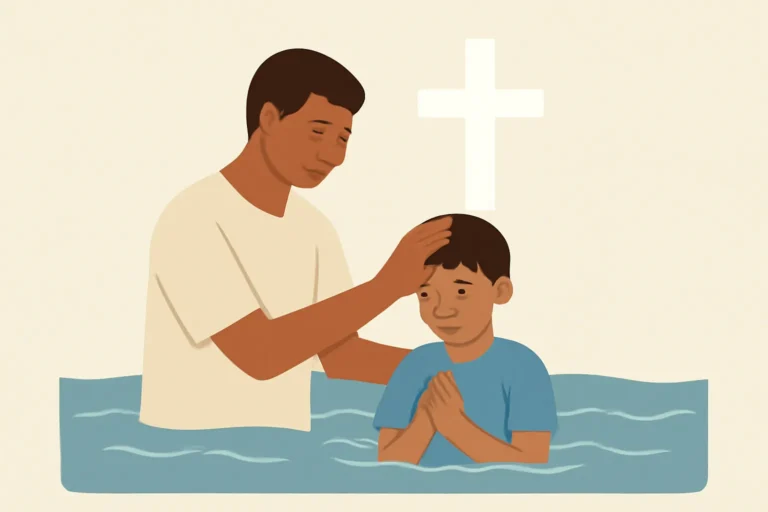
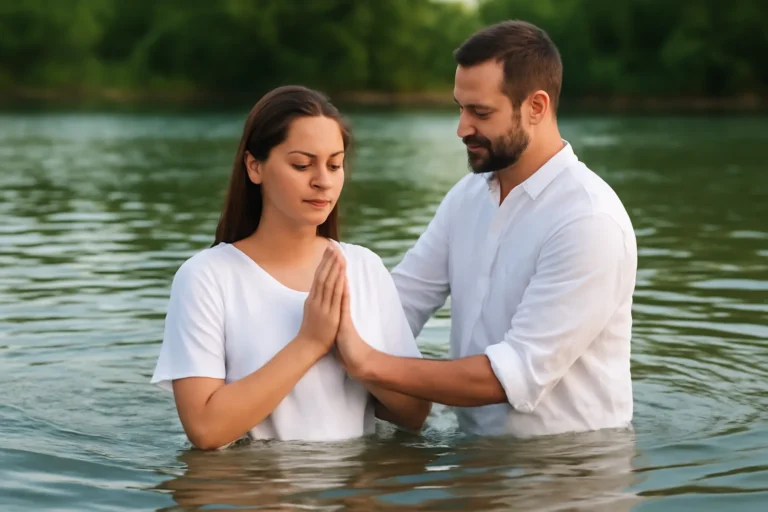
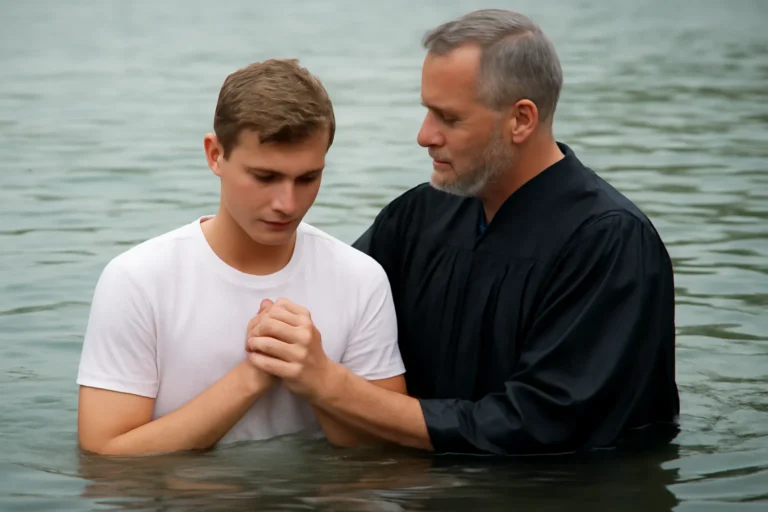
The baptism ceremony, typically by immersion or pouring, performed in the name of the Father, Son, and Holy Spirit. This rite is witnessed by the congregation and often followed by a welcoming embrace from the church community.
Post-baptismal discipleship. After baptism, believers join in ongoing spiritual disciplines and service, integrating into the life of the church and growing in faith.
Distinctive Practices Across Traditions
Different Christian groups approach the new birth baptism with unique practices or emphases:
In many Evangelical and Reformed churches, baptism is a public confession of faith for those who have personally embraced Christ.
In some Baptist congregations, believer’s baptism is performed by full immersion and is reserved for those who have made a personal profession of faith.
In many Catholic and Orthodox contexts, baptism is typically administered to infants, with a later confirmation of faith by the individual or their parents. However, there are also churches within these traditions that emphasize believer’s baptism as a personal choice at a later age.
While many Christians celebrate the practice as a meaningful step of faith, some traditions emphasize infant baptism as the normative entry into the church, while others stress believer’s baptism as the natural expression of a personal decision to follow Jesus. If you are evaluating the Christian baptism of the new birth, consider the following questions:
Have you personally trusted in Jesus Christ as your Savior and Lord?
Do you understand baptism as a public confession of your faith and a witness to your conversion?
Are you seeking to obey Christ and participate in the church’s life through baptism?
Which church tradition best reflects your understanding of the gospel, discipleship, and community?
Ultimately, the decision to pursue born again baptism is a personal one—made within the context of a church home and a supportive faith family. It is a step of obedience that aligns with your journey of grace and your commitment to follow Jesus Christ.
Common Misconceptions and Clarifications
Myth: Baptism saves me by itself
Most traditional positions in Christian doctrine argue that salvation is by grace through faith, not by works or rituals. Baptism is a significant sign and instrument of grace, but it is not the means of salvation itself. Rather, baptism confirms and displays the faith already received by the believer.
Myth: Baptism is merely a symbol without spiritual effect
For many traditions, baptism is both a symbol and a means by which God’s people publicly identify with Christ and are integrated into the church. The rite carries spiritual significance because it is part of God’s design for the life of a believer, not merely a ceremonial tradition.
Myth: Infant baptism is the same as believer’s baptism
Infant baptism and adult or believer’s baptism express different theological emphases about the timing of faith, the church’s role in initiating a believer into the faith, and how discipleship unfolds. People should understand the differences, as well as the shared core belief that baptism points to a real spiritual reality: new life in Christ.
Practical Guidance for Preparation and Participation
Discerning your readiness
Before pursuing the baptism of the new birth, spend time in prayer, reflection, and discussion with a pastor or trusted spiritual mentor. Seek clarity about your faith, your understanding of the gospel, and your commitment to following Jesus. This discernment helps ensure that baptism is a heartfelt step rather than a mere ceremony.
Engaging with Teaching and Mentoring
Many churches offer a baptism class or a period of mentoring. Use this time to learn about the meaning of baptism, the expectations of the faith community, and the practical aspects of Christian discipleship. Use the opportunity to ask questions and to articulate your own testimony of how God has worked in your life.
Preparing a testimony
Many baptism services include a brief personal testimony. Prepare a concise, authentic account of your faith journey—how you came to trust Christ, what He has done in you, and what baptism means to you now. A well-prepared testimony can strengthen your own confidence and help the church understand your story.
Different traditions practice baptism by immersion, pouring, or sprinkling. The choice often reflects doctrinal emphasis and historical tradition. Consider what best represents your understanding of baptism’s meaning and what your church recognizes as legitimate practice.
Post-baptismal expectations
After participating in born again baptism, look to ongoing spiritual disciplines: regular worship, Bible study, prayer, service, and fellowship. Engaging with a faith community helps you grow in grace and live out your baptismal identity with integrity and joy.
Views vary. In many traditions, salvation is understood to come through faith in Christ, with baptism as a subsequent step of obedience and public witness. Some traditions teach infant baptism as a means of grace, while others emphasize believer’s baptism as the proper response to receiving Christ.
Can someone be saved without being baptized?
The majority of Christian teaching emphasizes that genuine faith in Christ is essential for salvation. Baptism follows as the natural and commanded response for those who have believed, though the precise relationship between faith, baptism, and salvation is interpreted differently across denominations.
In traditions that practice infant baptism, many believers later choose to participate in believer’s baptism as a personal profession of faith. If you grew up in a church that baptized infants, you may discuss with your pastor whether you should be baptized again as a conscious adult decision.
Does baptism have to be public?
Public confession is a hallmark of most believer’s baptism practices. Some Christian communities emphasize a public ceremony as essential for public accountability and communal witness, while others might allow private baptism under special circumstances. The underlying goal is to declare faith to God and to the community of believers.
“Born again baptism” or “the baptism of the new birth” is more than a ritual; it is a deliberate response to God’s grace that signals a new life in Christ. Whether you call it born again baptism, rebirth baptism, or believer’s baptism, the essence remains the same: a faithful, public testimony of the inward work of the Holy Spirit, a step that invites a believer into a lifelong journey of discipleship and service.
As you consider this path, seek the guidance of God, engage with a faith community that honors the gospel, and pursue a practicing obedience that reflects the transformative power of the gospel. The steps toward embracing born again Christian baptism can feel daunting at times, but they are also profoundly hopeful—an invitation to live in the fullness of what God has prepared through Christ.
May your exploration of the meaning, the significance, and the steps to embrace it be marked by clarity, humility, and grace as you walk forward in faith.
Baptism Importance: Why This Sacrament Matters Baptism is one of the oldest and most widely observed practices in the Christian faith. Across traditions, it has been celebrated for centuries as a defining moment in a person’s journey of faith. This article explores baptism’s significance from multiple angles—from its scriptural roots and theological meanings to its…
Free Baptism: How to Find No-Cost Baptism Services Near You is a guide for people who want to explore baptism without financial barriers. Baptism is a meaningful step in many faith journeys, and for some individuals and families, finding a no-cost or free-of-charge option is essential. This article explains what “free baptism” can mean in…
Meaning of the Christian Sacrament The word sacrament refers to a sacred sign or holy rite that conveys divine grace. In Christian usage, a sacrament is more than a ceremony or ritual; it is a tangible action that Jesus Christ instituted to communicate realities beyond the visible world. Across traditions, the expression the sacrament or…
Baptism has been a defining practice in Christian faith since the earliest followers of Jesus. Known by many names and expressed in a variety of forms, this rite—often called Christian water baptism, baptism in Christ, or simply baptism—serves as a public declaration of faith, a sign of spiritual cleansing, and a profound symbol of belonging…
Baptist baptism stands as one of the most distinctive and defining practices within the Baptist tradition. It is more than a ritual moment; it is a deliberate expression of belief, a public witness of faith, and a visible sign of a transformative relationship with Jesus Christ. In Baptist life, baptism is treated primarily as an…
Introduction to Christian Baptism Meaning The topic of Christian baptism meaning touches the heart of how believers interpret the life, death, and resurrection of Jesus Christ. Across centuries and cultures, baptism has stood as a powerful public expression of faith, a ritual that unites individuals with the life of the church, and a theological act…