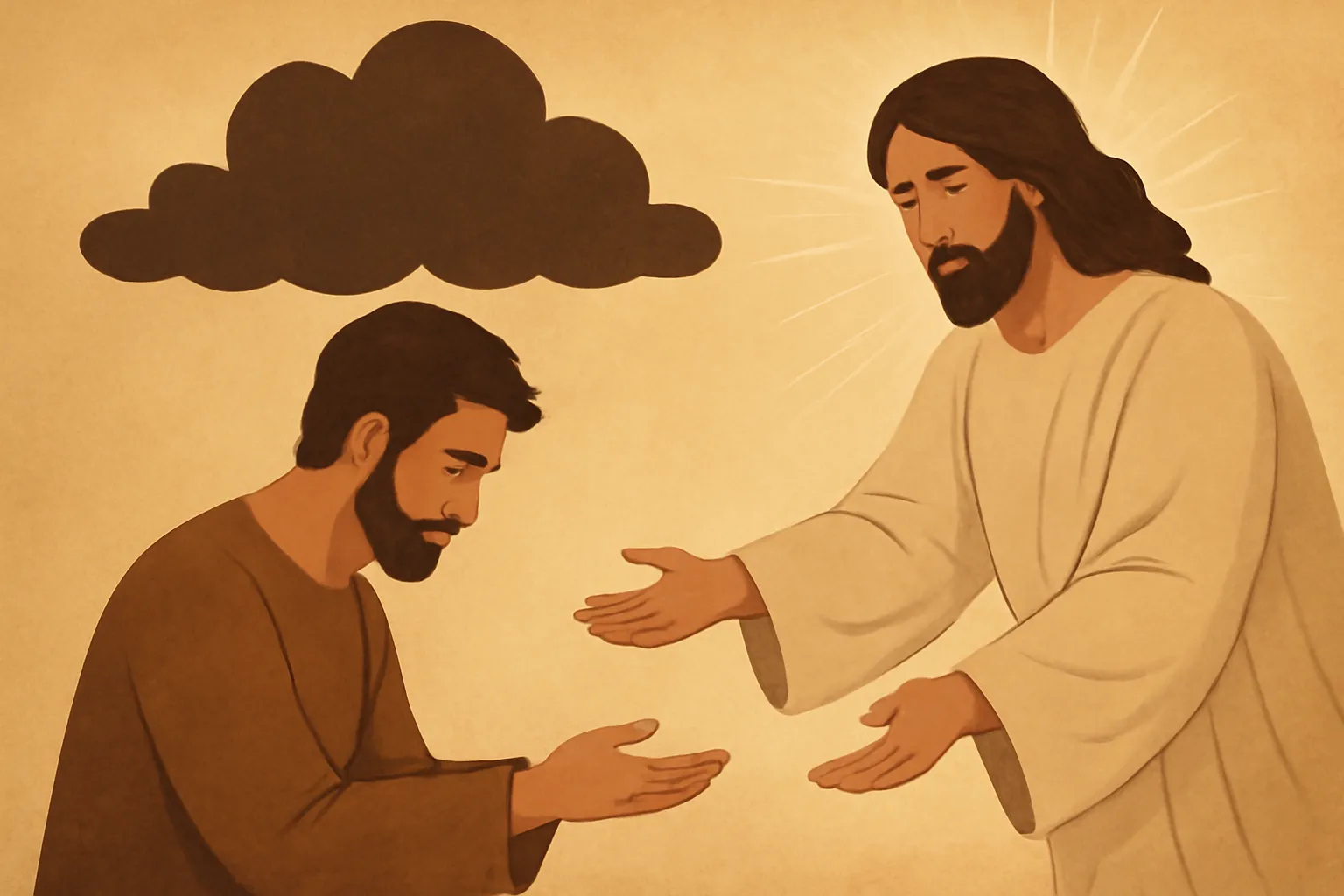
Cast Your Burdens Upon the Lord: Finding Peace Through Faith
In a world that often moves faster than our thoughts, many people find themselves carrying heavier loads than they were ever meant to bear. Cast your burdens upon the Lord is more than a well-worn phrase; it is a principle that has offered solace to countless seekers of peace, resilience, and a steadier sense of purpose. This article explores what it means to entrust your anxieties to a higher power, how this practice has shaped lives across generations, and practical steps you can take to cultivate a life anchored in faith, trust, and rest for the soul.
The promise behind the invitation: peace through release
The exhortation to entrust your heavy load to the divine is rooted in a long historical and theological tradition. At its core, it asks you to acknowledge the limits of human strength while opening a path toward divine provision and steadiness. When people say they cast their burdens on the Lord, they are describing a deliberate act of surrender—not resignation, but a conscious choice to reorient their energy toward faith, hope, and action guided by something larger than themselves.
In many translations of the Bible, this invitation is paired with a promise: He will sustain you and the righteous will not be moved. Those short lines invite a remarkable redefinition of strength: strength is not the absence of trouble; strength is the ability to endure trouble with trust. The question is not whether we will face storms, but how we handle the storm when it arrives. The practice of casting burdens is a way to reframe pain, fear, and fatigue as companions that can be carried with help rather than as solitary, crushing weights.
Scriptural foundation and reflection
To ground this practice in a concrete source, consider the familiar verse from the Psalms:
“Cast thy burden upon the LORD, and he shall sustain thee: he shall never suffer the righteous to be moved.”
—Psalm 55:22, King James Version
Even in its brevity, the verse carries a threefold message that can guide daily life:
Cast your burden: there is an intentional act of placing, releasing, and entrusting.
With this act comes divine sustenance: nourishment for the soul, strength for endurance, and practical support for the journey.
There is an enduring promise: the righteous are kept steady even when circumstances wobble.
Many believers note that the practice is not merely about removing difficulty; it is about transforming how we relate to difficulty. When you cast your burdens, you are signaling a shift from self-sufficiency to trust—recognizing that some burdens belong to God’s wisdom to carry and resolve, while you carry what you can with grace, courage, and discernment.
While the idea of casting burdens may sound simple, putting it into daily life takes intentional practice. Below are practical pathways that have helped many people move from burdened thinking to a steadier frame of faith and peace.
1) Start with a deliberate releasing ritual
Find a short daily practice that signals the moment you’re choosing trust. This could be a prayer, a breath prayer, or a quiet moment in nature. The key is consistency and honesty in naming what you are letting go of and who you are placing it with.
Pause for a few deep breaths, center your attention on the present moment, and name a burden aloud or in writing.
Offer a simple, heartfelt statement such as, “I release this burden to the Lord, trusting in His care.”
End with a phrase of gratitude or hope, such as “Thank you for your guidance and provision.”
2) Build a practice of daily devotion and scriptural meditation
Regular time with Scripture and prayer helps align your heart with the idea that you are not alone in your concerns. A steady rhythm creates a mental and emotional space where you naturally move toward trust rather than rumination.
Read a brief passage each morning focused on God’s care, followed by a moment of reflection.
Use a simple journaling practice to record burdens you chose to release and how you noticed God’s presence that day.
Practice a concise benediction over yourself, such as, “The Lord is my refuge; I cast my cares on Him and find rest.”
3) Engage in community and shared encouragement
Isolation can intensify heaviness. A supportive community—whether family, friends, a faith community, or a small group—offers perspective, accountability, and practical help for carrying burdens.
Share a burden with someone you trust and invite them to pray with you.
Participate in communal practices that focus on relief and restoration—worship, service, or group study.
Offer to bear one another’s burdens in tangible ways, such as helping with tasks or providing meals during tough seasons.
4) Foster practical self-care as a steward of trust
Faith does not remove the need for practical self-care. In many traditions, caring for the body and mind is a form of stewardship that enables deeper trust. When your body and mind are better balanced, you are more capable of releasing burdens with intention rather than by sheer willpower.
Prioritize sleep, nutrition, and regular physical activity as foundations for emotional balance.
Practice mindfulness or breathing techniques that remind you of God’s presence in each moment.
Set healthy boundaries to prevent worsening overload and to protect time for rest and reflection.
The invitation to cast burdens is not limited to one tradition or era. Across centuries, theologians and pastors have echoed this call in diverse contexts. Understanding its breadth can deepen your own practice and help you adapt the approach to fit your personal faith journey.
Old Testament echoes and patterns
In addition to Psalm 55, other biblical passages invite trust and release. For example, the Psalms often reveal a rhythm of lament followed by confidence in God’s care. The prophets, too, speak of God’s people being invited to unload their fear and place their trust in God’s steadfastness.
Historical prayer practices in ancient near-eastern cultures often framed emotional labor as something a person could bring before the divine in a sincere, humble posture. The underlying arc remains similar: acknowledging burdens, naming needs, and choosing to rely on a relationship with the divine for strength and guidance.
New Testament reflections on care, worry, and trust
In Christian thought, teachings about worry and care invite a practical shift from fretting to faith. Jesus’ exhortation not to be anxious about tomorrow (Luke 12:22-34; Matthew 6:25-34) resonates with the practice of casting burdens. The instruction to seek first the kingdom of God and his righteousness encourages a holistic approach: when you orient your life around trust, many practical concerns fall into place as consequences of a larger alignment with divine purpose.
In this sense, placing concerns into God’s hands is not a passive resignation; it is a dynamic act that shapes your decisions, relationships, and daily routines. The New Testament emphasizes peace that surpasses worldly understanding, and the practice of entrusting burdens forms a corridor through which that peace can arrive in daily life.
There are seasons when burdens feel overwhelming, and the call to cast them becomes both crucial and challenging. If you ever encounter such moments, you are not alone. Here are guidelines to navigate intense load without sacrificing truth, honesty, or safety.
Acknowledge reality: It’s okay to name the heaviness you feel and to recognize when a burden needs practical attention beyond prayer and trust.
Seek wise counsel: When burdens involve significant decisions, relationships, or safety concerns, consult trusted mentors, counselors, or professionals who can provide insight and support.
Balance faith and action: Casting burdens does not absolve you of responsibility. It invites you to act with wisdom while keeping your heart anchored in trust.
Strategic prayers: Breath prayers, prayers for discernment, and prayers for relief can be combined with action steps to keep you moving forward rather than stuck in overwhelm.
Sometimes a burden is so heavy that it requires specialized support. If you are facing persistent despair, thoughts of harming yourself, or an inability to perform daily tasks, seek immediate help from professionals or crisis resources. Faith communities often have chaplains, pastoral counselors, or partner organizations that can assist in finding appropriate care while maintaining respect for your faith journey.
When the practice becomes part of daily life, people report a shift in several dimensions of living. The transformation is often subtle but lasting, weaving itself into habits, expectations, and the ability to respond to stress with steadiness rather than reactivity.
Emotional resilience: The practice reduces cycles of rumination and replaces them with moments of release and renewal.
Clearer decision-making: With a reduced emotional charge, you gain space to think clearly, weigh options, seek counsel, and act with purpose.
Deeper trust: Repeatedly entrusting burdens nurtures a sense that you are part of a larger, faithful story.
Hope without naïveté: Peace is not a denial of reality; it is the presence of hope amid reality—an ongoing constant that sustains you through change, loss, and challenge.
In practice, this often means you begin to differentiate between burdens you can carry with support and burdens that require release into divine care. The art of discernment—knowing what to carry, what to seek help with, and how to adjust expectations—becomes central to living with peace.
Several myths surround the idea of casting burdens, and it is helpful to name them and offer a grounded understanding:
Myth: Cast your burdens and problems disappear. Clarification: The burden may remain, but your relationship to it changes. You carry it with a new stance—one of trust, not fear.
Myth: Casting burdens means you stop seeking help. Clarification: You still seek wise counsel, community support, and practical resources, but with a posture of trust in the divine care that accompanies action.
Myth: Faith is a way to avoid pain. Clarification: Faith invites honest engagement with pain, offering a framework in which pain can be processed, soothed, and ultimately transformed by grace, truth, and communal love.
Here is a practical, approachable plan to weave the principle into everyday routines. You can adapt it to your schedule and faith tradition.
Morning intention: Begin with a short acknowledgment that you will entrust today’s burdens to God. A two-minute ritual can set the tone for the day.
Midday check-in: Pause, name any new burdens that have emerged, and release them again with a brief prayer or quiet moment.
Evening reflection: Review your day, note moments when trust carried you through, and record any burdens you released and any insights you gained.
Weekly rhythm: Meet with a supportive friend or group to reflect on how this practice is shaping your relationships, decisions, and sense of peace.
As you continue this rhythm, you may notice that peaceful moments occur more frequently, even amid pressure. You may also notice a growing ability to respond with compassion to others’ burdens, which in turn strengthens your own faith journey.
“Cast thy burden upon the LORD” is a call to a certain posture of life—one that recognizes both human vulnerability and divine faithfulness. It is not a one-time event but a lifelong practice that matures with time, experience, and spiritual growth. The aim is not to erase all pain or to guarantee a life free from difficulty, but to cultivate a steady, hopeful center from which you can endure, participate in acts of love, and move toward healing for yourself and others.
In everyday language, the invitation can be restated in several resonant ways to broaden its semantic reach. Consider these variations as semantic siblings that point toward the same core truth:
Place your cares in God’s hands and allow rest to begin its work.
Unload your heaviness onto the Lord and experience the relief of trusted companionship.
Entrust your worries to the One who sustains—and then live with renewed purpose and courage.
Offer your fears to the Infinite Organizer and keep moving forward with discernment and hope.
For readers exploring how to live out this invitation in various contexts—whether personal crisis, family life, work stress, or spiritual drought—the central message remains: you are invited to cast, release, and lean into a trust that both consoles and empowers. The journey toward peace through faith is a continual invitation to renew your confidence that you are held, guided, and sustained by a source larger than circumstance.
If you are new to this practice, begin with one small step today. You can choose to:
Identify one burden weighing most heavily on you and name it clearly in a sentence.
Offer it to the Lord in a short prayer or a breath prayer, repeating a simple phrase such as “Cast my burden here; sustain me, Lord.”
Notice for the next 24 hours when you feel a gentle release, a pause, or a renewed sense of clarity. Record these moments in a journal.
Over time, these small acts accumulate into a robust practice that shapes character, strengthens trust, and cultivates peace even when the world remains unsettled. The journey is deeply personal, yet universal in its longing for relief from distress and a sense of being held by a compassionate, faithful presence.
In your own language, you might continue to explore and expand your practice by choosing phrases that resonate with your tradition and experience. Variations like “I lay my load before the Lord”, “I release these cares into God’s hands,” or “I rest in God’s faithful care” can be woven into daily routines, providing a flexible, living way to stay connected to the core idea: peace through faith becomes a daily practice when you consistently shift burdens from your own shoulders to a trustworthy divine companionship.
May your journey be marked by calm clarity, resilient hope, and a growing sense that you are not alone in the weight you bear. May you find strength, nourishment, and rest as you lean into the timeless invitation to cast your burdens upon the Lord—and discover the enduring peace that follows.
Bible Verse That God Will Never Leave You: Finding Comfort, Hope, and Strength In a world full of change, uncertainty, and fear, the promise that God will never leave you can be a steady anchor for the soul. This article explores the breadth and depth of that assurance across Scripture, showing how the theme of…
Bible Stories on Trusting God: Faith-Filled Lessons invites readers into a journey through Scripture where trust is tested, refined, and celebrated. These stories reveal not only what faith looks like in dire moments but also how trust shapes daily decisions, relationships, and future hope. Across both the Old and New Testaments, people trusted God in…
The lure and limits of a familiar saying Across cultures and centuries, many people have turned to a simple, comforting maxim in moments of *pain, pressure, or loss*: “God does not give you more than you can handle.” The sentiment is meant to offer reassurance, a reminder of divine companionship, and a prompt to persevere….
Across generations and cultures, many people have found comfort and courage in the conviction that God is my protector. This idea captures the sense that the divine presence watches over, defends, and sustains believers in moments of danger, fear, or uncertainty. The phrase can be spoken as a personal confession, a whispered prayer, or a…
Bible Verse About Plans for You: God’s Plan for Your Life Understanding God’s plan for your life can feel like navigating a vast map with many routes. The Bible speaks with consistent clarity that God has deliberate intentions for each person, and that we can find guidance, confidence, and purpose as we seek to align…
Give Your Problems to God Bible Verse: Scriptures for Peace In a world filled with noise, worry, and frequent uncertainty, many readers turn to the Bible for guidance on how to handle burdens. The idea of giving your problems to God is a recurring theme throughout Scripture, offering a pathway from anxiety to divine peace….