Overview: The Bible Verse Great Commission in Matthew 28:19-20
The Great Commission is one of the central passages in the New Testament that shapes the mission of the church across generations. In Matthew 28:19-20, Jesus entrusts his followers with a divine mandate that blends evangelism, discipleship, baptism, and teaching into a single, orchestrated missional rhythm. This article explains the text, its context, its theological depth, and its practical implications for individuals, churches, and mission movements today. While the phrase “Great Commission” is a modern designation, biblical scholars and pastors alike point to its enduring significance as the church’s commissioning to continue Jesus’ work in the world. We will explore several facets of this sacred directive, using variations of the phrase to illuminate its breadth and depth: the commission to evangelize, the mandate to disciple, the mission command, and the discipleship mandate, among others.
Historical and theological context
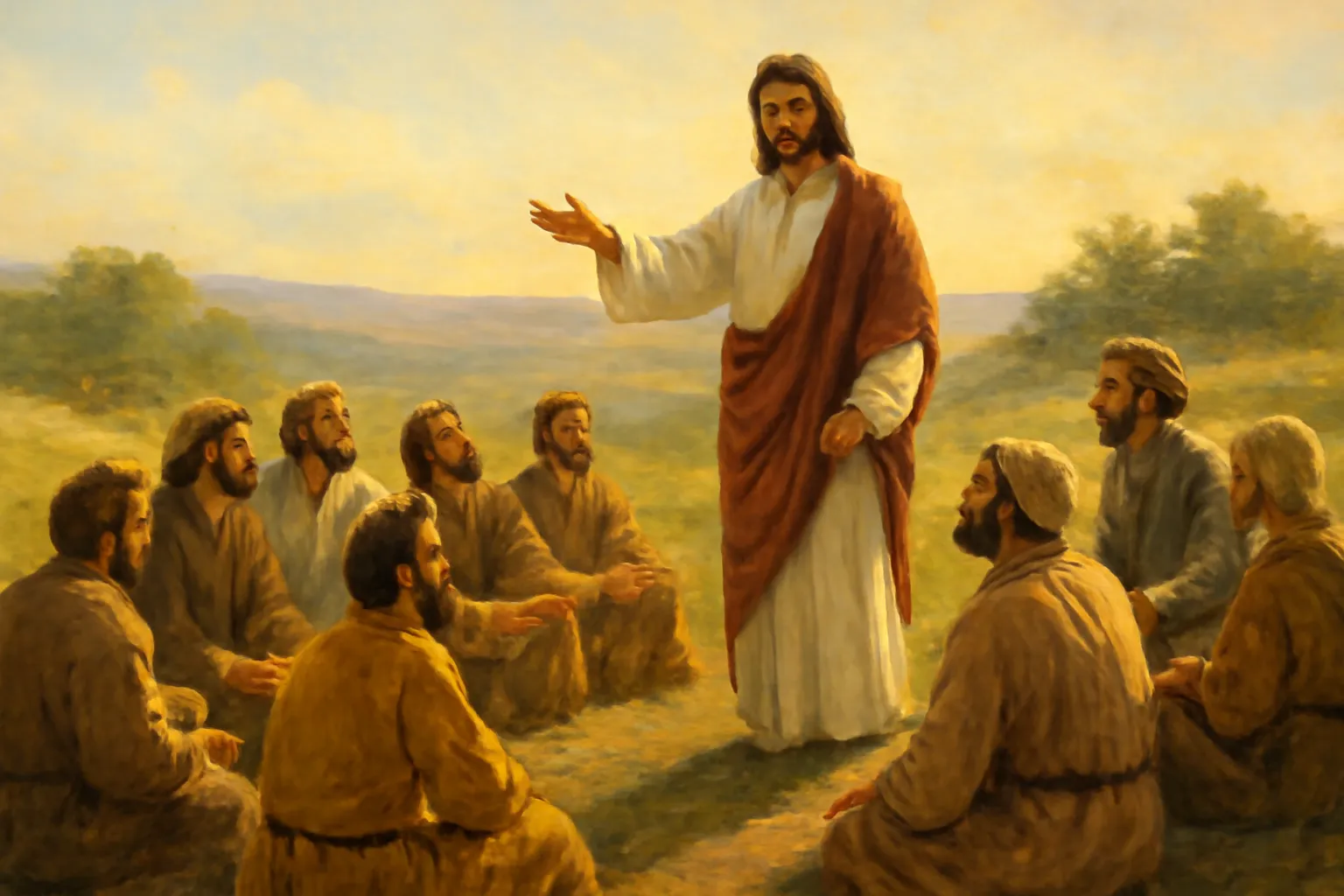
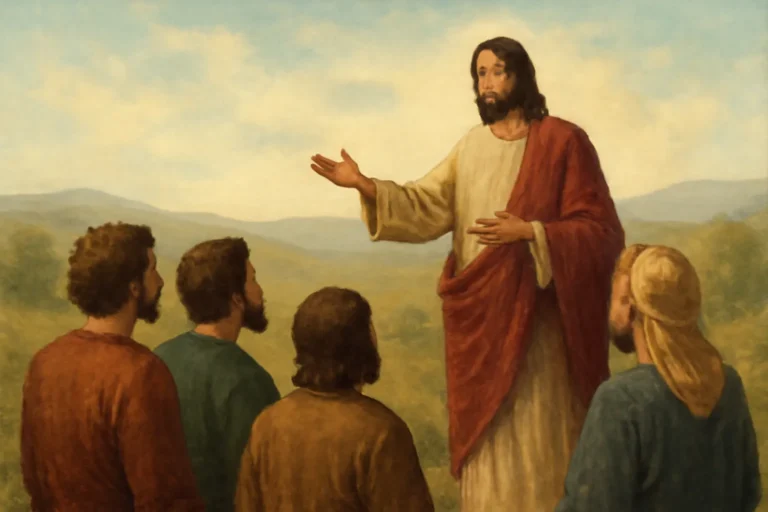
To understand the Great Commission, one must situate it within its historical and theological setting. Jesus speaks to his closest followers after his resurrection, during a post-resurrection appearance that culminates in a final commissioning encounter. The immediate audience includes the Eleven and the female followers who had ministered with Jesus, indicating a broader understanding of who is to participate in the mission. Theologically, the passage foregrounds several crucial themes:
Authority: Jesus declares that all authority in heaven and on earth has been given to him, establishing the basis for the mission (Matthew 28:18).
Trinitarian baptisms: The command to baptize “in the name of the Father, and of the Son, and of the Holy Spirit” grounds baptism in a Trinitarian formula.
Discipleship: Making disciples involves more than conversion; it includes ongoing instruction in obedience and imitation of Christ.
Global scope: The command to reach “all nations” expands the mission from a Jewish context to a universal horizon.
In the broader arc of Scripture, the Great Commission is not an isolated command but the culmination of Jesus’ redemptive work inaugurated in his life, death, and resurrection. It ties together the gospel proclamation with the formation of a community that lives out the teaching of Jesus in every sphere of life. For readers today, this means that evangelism and discipleship are inseparable components of authentic Christian ministry, not merely optional add-ons. The commission calls the church to a holistic mission that encompasses proclamation, mercy, worship, and formation.
The text: Matthew 28:19-20
From the King James Version (public-domain):
“Go ye therefore, and teach all nations, baptizing them in the name of the Father, and of the Son, and of the Holy Ghost:
Teaching them to observe all things whatsoever I have commanded you: and, lo, I am with you alway, even unto the end of the world. Amen.”
For modern readers and listeners, this brief text packs a rich set of imperatives. The English rendering captures the spirit of the Greek verbs, though translations vary in nuance. The core actions are:
Go (presents an active missionary posture).
Make disciples (or “teach all nations” in some translations; the core idea is to form followers who imitate Christ).
Baptizing (the entrance rite into the church community and identity in the triune God).
Teaching (ongoing instruction in Jesus’ commands and lifestyle).
These elements should be read together. The passage does not present evangelism as a one-time formula but as a comprehensive process that begins with going and ends with becoming steadfast stewards of Jesus’ teaching within a community of faith.
Key verbs and commands: a closer look at the action words
Understanding the four key verbs in the Great Commission helps readers grasp the breadth of its mandate. Each verb carries depth, nuance, and implications for both individuals and communities.
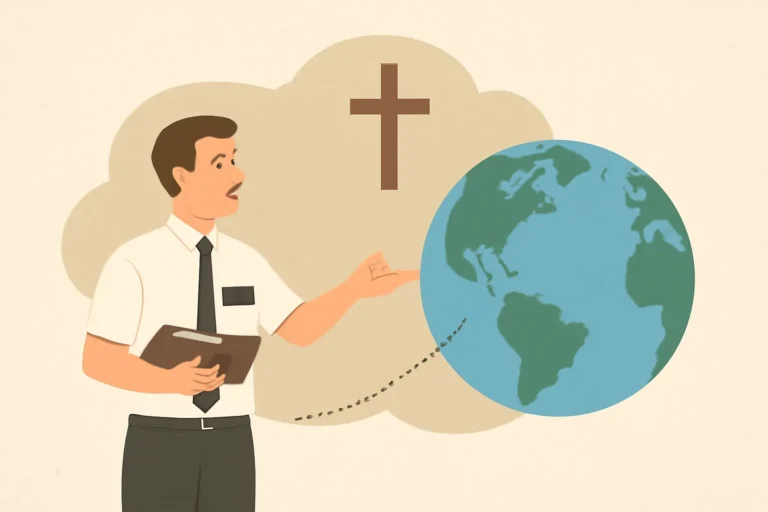
The command “Go” signals movement, initiative, and outward reach. It is not a passive invitation but an active commissioning that prompts Christians to enter the world with the gospel. In the original Greek, the word is a participle (poreuesthe) tied to the main imperative, illustrating movement as part of the mission’s rhythm. Practically, go means living missionally in the places God has placed us—our neighborhoods, workplaces, schools, and digital spaces—so that the gospel is visible in everyday life as well as in formal proclamation.
Make disciples
To make disciples is to form learners who follow Jesus, not merely convert individuals. Discipleship includes attraction to Christ, sustained growth in faith, and the development of character aligned with the gospel. Discipleship is relational, requiring mentors, accountability, and intentional cultivation of a Christlike life. It also implies a group dimension—discipleship happens within a community that sustains weightier teaching and practice over time.
Baptizing
Baptizing signals both initiation into the faith community and identification with the triune God. The explicit formula—“in the name of the Father, and of the Son, and of the Holy Spirit”—highlights unity in the Father, Son, and Spirit while marking baptism as a spiritual entry point into corporate life. Baptism is not merely a ritual but a declaration of allegiance and a public confession that aligns the believer with the life, death, and resurrection of Jesus.
Teaching
The final command, teaching, emphasizes doctrinal formation and practical obedience. It includes transmitting Jesus’ teachings, ethical norms, and patterns of worship and ministry. The scope—“all things whatsoever I commanded you”—points to the comprehensive scope of Jesus’ lordship. Teaching is not only intellectual instruction; it is formation in holiness, love, justice, mercy, and the shared life of the church.
Theological significance: Trinity, authority, and presence
The Great Commission sits at the intersection of doctrinal clarity and missional obedience. Three theological threads stand out: authority, triunity, and divine presence.
Authority: Jesus asserts his universal authority as the basis for the mission. The claim “all authority in heaven and on earth has been given to me” grounds the church’s task in the ruler-ship of Christ. This means the mission is undertaken under someone who has sovereign power and a reliable, personal presence with his people.
Triunity: The baptism formula points to the Triune God. The Father, the Son, and the Holy Spirit are named together, signaling a robust biblical understanding of God as one essence in three Persons. The baptismal formula has shaped Christian identity through the ages and remains a litmus test for orthodox belief about baptism and ecclesial life.
Presence: The promise “I am with you always, to the end of the age” assures believers of Jesus’ ongoing presence. This presence is not distant but intimate, shaping courage, perseverance, and hope as the church engages in challenging mission contexts around the world.
These theological elements affirm that the Great Commission is not a human undertaking but a divine enterprise, empowered by Christ’s authority and sustained by his presence through the Holy Spirit. The commission aligns mission with worship, as believers acknowledge Jesus’ lordship while actively participating in his redemptive work in the world.
Discipleship and evangelism: the integrated mission
In many Christian traditions, the Great Commission is summarized as a combined call to evangelism and discipleship. Some describe this as a two-pronged approach: proclaiming the gospel to invite people to faith, and mentoring new believers to grow into mature followers of Jesus. This integrated model reflects the New Testament pattern in which church growth and spiritual formation occur together, not in isolation from one another.
Key implications include:
Holistic ministry: Evangelism that leads to conversion without ongoing discipleship can falter; likewise, discipleship without evangelism may drift toward internalism. The Great Commission invites both components to be pursued in concert.
Relational formation: Discipleship occurs best in community where Christian love, accountability, and teaching shape a believer’s walk with God.
Missional lifestyle: The call to go is not limited to itinerant missionaries; it is a lifestyle that witnesses to the gospel in everyday contexts.
Thus, evangelism and discipleship are not mere steps in a program but the heartbeat of a robust Christian life and the church’s DNA. The Great Commission reframes the church’s mission from a single event to an ongoing, relational, and pedagogical process that continues until the return of Christ.
Baptism and teaching: two pillars of the Great Commission
Examining the two central pillars—baptism and teaching—helps illuminate how the Great Commission unfolds in local churches and global mission. Baptism serves as an outward sign of inward faith, identifying believers with the people of God and marking their entry into the life of the Holy Spirit’s work in the world. Teaching, meanwhile, sustains that new life by shaping belief, practice, and ethics according to the teachings of Jesus.
Baptism as initiation: Baptism is more than a rite; it is a publicly visible commitment to participate in Christ’s death and resurrection. It signals membership in a community that obeys Jesus and embodies the gospel in the world.
Teaching as formation: Instruction in obedience to Christ fosters spiritual growth, doctrinal soundness, and practical wisdom for daily living. Teaching encompasses Scripture study, theological reflection, moral discernment, and the cultivation of spiritual disciplines.
Together, these pillars nurture a church that is both welcoming to new believers and steadfast in maturity. They remind Christians that the Great Commission is not a one-time event but a lifelong trajectory of faithfulness, obedience, and community formation.
Practical implications for local churches
How does the Great Commission translate into day-to-day church life? The following practical implications highlight ways churches can embody the commission in contemporary settings.
Strategic evangelism: Churches can develop clear, culturally sensitive pathways for sharing the gospel, including personal invitation, service to the community, and public preaching that proclaims the good news with clarity and love.
Intentional discipleship programs: Discipleship requires purposeful design—small groups, mentorship, curriculum, and opportunities for practice in mission and service.
Baptismal outreach: Ministries should ensure that baptism is a welcoming, educational, and celebratory step, preceded by effective teaching on the meaning and implications of baptism within the Triune name.
Christ-centered teaching: Sermons, Bible studies, and catechesis should emphasize the full scope of Jesus’ commands—how to love God and neighbor, how to pursue justice, mercy, and humility, and how to live in the Spirit’s power.
Global awareness: Churches can cultivate a global imagination—partnering with missions, supporting cross-cultural workers, and learning from the church in diverse contexts to gain a broader understanding of the gospel’s reach.
In practice, the Great Commission informs church growth strategies, community engagement, and the way believers view their vocational and daily life. It challenges churches to be outward-focused without neglecting the inner health and doctrinal soundness of the body of Christ.
Translations and interpretations: variations to know
Across Bible translations, the Great Commission is phrased in ways that affect emphasis and nuance. Some translations use “teach all nations” while others say “make disciples of all nations.” Some say “Holy Spirit” while others use “Holy Ghost.” These variations do not nullify the core message but illuminate emphasis on discipleship, authority, and the nature of the Spirit’s presence in the mission. For readers and preachers, it is helpful to explore:
Consistency with other gospel accounts: Parallel passages in Mark 16, Luke 24, and John 20–21 offer complementary insights into the mission, such as proclamation, repentance, forgiveness of sins, and the sending of the Spirit.
Implications of baptismal language: The Trinity-centered baptism formula affects liturgy, ecclesiology, and baptismal practice across denominations.
Translation choice and pastoral emphasis: Depending on the audience, pastors may emphasize the declarative aspects of the mission (proclamation) or the formative aspects (discipleship and moral transformation).
Despite these textual variations, the central call remains intact: followers are sent by the risen Christ to proclaim the gospel, form new believers into the church, and teach them to obey Jesus’ commands with the Spirit’s empowering presence.
Common questions and clarifications
Readers often ask practical and theological questions about the Great Commission. Here are some common questions with brief clarifications.
Who is included in the command? The immediate audience was the apostles, but the commission extends to all who are in Christ—the church, believers, and future generations as they participate in the same mission.
Is the Great Commission about personal salvation or corporate mission? It is both. While it brings people into saving faith, its full scope compels ongoing discipleship, communal life, and mission-driven action.
What does “to the end of the age” mean? It indicates the ongoing presence of Jesus with his church until the anticipated return, sustaining courage and perseverance across ages and cultures.
How should churches balance evangelism and social action? The Great Commission is not opposed to social mercy; rather, it integrates proclamation with care for creation, justice, and mercy as expressions of the gospel in the world.
Great Commission in today’s world: challenges and opportunities
In the contemporary global context, the mission command faces new opportunities and challenges. The digital age, migration, intercultural ministry, and religious pluralism all shape how the church can fulfill the Great Commission. Some considerations for modern followers include:
Digital proclamation: Digital platforms provide unprecedented reach for gospel communication. Yet, mission online requires discernment, gentleness, and truth-telling that respects others while boldly announcing Christ.
Cross-cultural discipleship: Mission today often means working across cultures, languages, and worldviews. Effective cross-cultural discipleship requires humility, learning, and partnership with local believers.
Global solidarity: The Great Commission invites churches to partner with international churches, sharing resources and learning from diverse expressions of the gospel while maintaining doctrinal integrity.
Despite these complexities, the heart of the Great Commission remains the same: the church is sent by Jesus to be witnesses, to form communities of faith, and to teach obedience to Jesus’ commands by the Spirit’s power. In this sense, the commission is as relevant today as it was at the moment of its inception, calling the church to endure in faithfulness and to bear witness to the transformative power of Christ in every corner of the world.
Related biblical themes: broadening the picture
Several other biblical passages illuminate and expand upon the Great Commission’s themes. While not a direct continuation, these texts complement the commission’s call and help readers see a fuller biblical vision for mission.
Mark 16:15-18: Similar call to preach the gospel to all creation and to sign wonders that accompany the proclamation for those who believe.
Luke 24:46-49: Jesus opens the disciples’ minds to understand the scriptures and commands them to be his witnesses starting in Jerusalem and reaching to the ends of the earth, enabled by the Spirit.
Acts 1:8: The Spirit empowers believers to be witnesses to the ends of the earth, with the Holy Spirit coming upon them to enable bold mission.
Together, these passages show a cohesive biblical theology of mission: proclamation, empowerment by the Spirit, and a life shaped by the gospel within a community that participates in Jesus’ reign over all nations.
embracing the Great Commission today
The Great Commission in Matthew 28:19-20 remains a defining text for Christian ministry and identity. It invites every believer to participate in a mission that is rooted in the authority of Christ, expressed in the baptismal life of the church, and sustained by ongoing teaching that shapes every area of life. The mission is not only about converting individuals but about cultivating communities of faith that embody the gospel in word and deed, across cultures and through time.
As you reflect on this passage, consider these practical steps to engage with the commissioning afresh:
Pray for opportunities to share the gospel and to disciple others in your daily environments.
Assess your own involvement in evangelism and discipleship—whether through mentorship, teaching, or service that demonstrates the gospel.
Support biblical teaching and church programs that prioritize Scripture, doctrine, and practical obedience to Christ’s commands.
Partner with other believers locally and globally to advance shared missional goals and to learn from diverse contexts.
Ultimately, the Great Commission calls believers to live as witnesses who trust in Christ’s authority, proclaim his good news, baptize new followers in the name of the Triune God, and teach them to obey all that Jesus has commanded. In doing so, the church participates in God’s redemptive plan for the nations, bearing witness to the transforming power of the gospel and modeling a life shaped by the presence of Christ—“with you always, to the end of the age.”
Go Ye to the World: A Timeless Call to Global Evangelism Across centuries and continents, countless voices have echoed a single imperative: to carry a message of hope beyond borders. This article explores the enduring summons to go ye to the world and preach the gospel, tracing its foundations, examining its methods, and considering its…
The Eternal Call to Go into All the World The exhortation to go into all the world and preach the gospel is one of the most enduring imperatives in Christian scripture. It is a call that transcends geography, culture, and era, inviting followers to share the transforming message of Jesus Christ with people who have…