The topic of Christian baptism meaning touches the heart of how believers interpret the life, death, and resurrection of Jesus Christ. Across centuries and cultures, baptism has stood as a powerful public expression of faith, a ritual that unites individuals with the life of the church, and a theological act that communicates deep spiritual realities. In many Christian communities, baptism is not merely a cultural ceremony or a family tradition; it is understood as a profound moment in which a person is brought into contact with grace, welcomed into a covenant community, and invited into a life shaped by the teachings of Jesus. This article explores the symbolism and significance of baptism from multiple angles, highlighting how the meaning of baptism can be seen through biblical roots, doctrinal interpretations, and practical practice.
In discussing the baptismal meaning, it is important to acknowledge diversity within Christianity. While the core theme centers on transformation through the work of God, different traditions emphasize different aspects—such as the reception of grace, public confession of faith, or a symbol of new birth. The conversation about baptismal symbolism and baptismal significance therefore often reflects broader theological convictions about salvation, the church, and the Holy Spirit. By examining key elements—water, death and new life, faith, community, and the presence of the Triune God—we gain a richer understanding of why baptism remains a central rite for many Christians.
Historical and Theological Foundations
To grasp the meaning of baptism, it helps to start with its biblical roots. The practice emerges from two primary streams: John the Baptist’s baptism of repentance and Jesus’ own baptism, followed by Jesus’ command to his disciples to baptize all nations. In the New Testament, baptism is closely linked to conversion, faith, and immersion into the life of the Trinity.
Scriptural Foundations and the Ministry of John the Baptist
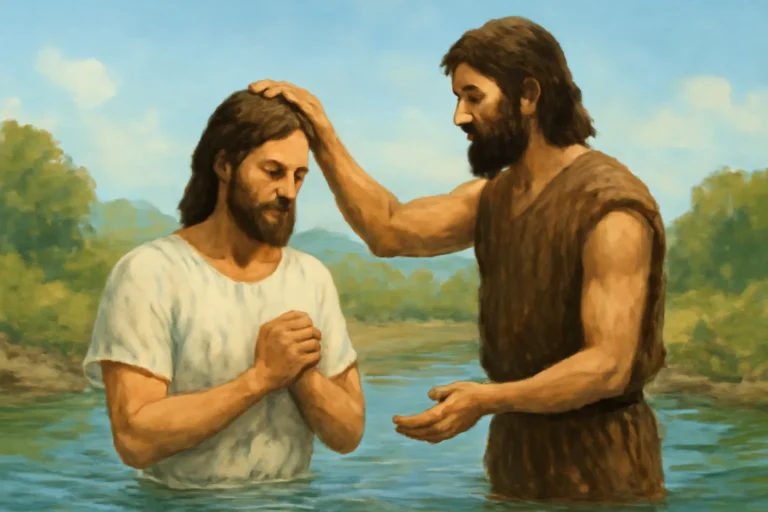
John the Baptist prepared the way for Jesus by calling people to repentance and immersion in the Jordan River. His baptism signified washing from sin and a turning toward God. While John’s ministry was transitional, it laid a framework for the Christian understanding that baptism is associated with new beginnings and a change of heart. The imagery of water communicates cleansing, renewal, and readiness to receive the coming Messiah.
The Life, Death, and Resurrection of Christ as the Centerpiece
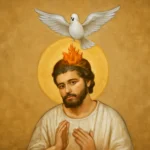
The gospel narratives describe Jesus being baptized by John, not out of need but to fulfill righteousness and to identify with humanity. In the baptism story, Christians see a revelation of the Trinity—the Father speaking, the Son baptized, and the Spirit descending. This event anchors the belief that baptism is about aligning human life with the life of Jesus and entering into his mission. The Great Commission (Matthew 28:19-20) then directs followers to baptize in the name of the Father, the Son, and the Holy Spirit, underscoring the Trinitarian dimension of the act.
Across church traditions, this canonical foundation supports the idea that baptism is both a sign and a means of grace, a public testimony of faith, and a ceremonial entry into the life of the community of believers.
Core Symbolisms in Baptism
The symbolism embedded in Christian baptism is multifaceted. The imagery of water, the symbolism of death and rebirth, and the act of entering into God’s people converge to convey a complex set of spiritual truths. Below are primary symbolic meanings often highlighted in Christian teaching.
Purification and cleansing: Water represents the washing away of sin and spiritual impurities, signaling a fresh start in the life of the believer.
Identification with Christ’s death and resurrection: Immersion or sprinkling depicts dying to the old self and rising to new life in Christ.
Christian initiation: Baptism marks one’s entry into the people of God, the Church, and the shared life of discipleship.
Public confession of faith: The act publicly declares belief in Jesus and the intention to follow him, inviting accountability within a faith community.
Grace and promise: For many traditions, baptism is a sign of grace given by God and a guarantee of divine promises, even amid human weakness.
Unity with the body of Christ: Baptism creates a spiritual bond among believers, transcending backgrounds and cultures to form one ecclesial family.
Sanctification and ongoing growth: The ritual points toward a lifelong process of growing in holiness, obedience, and love of neighbor.
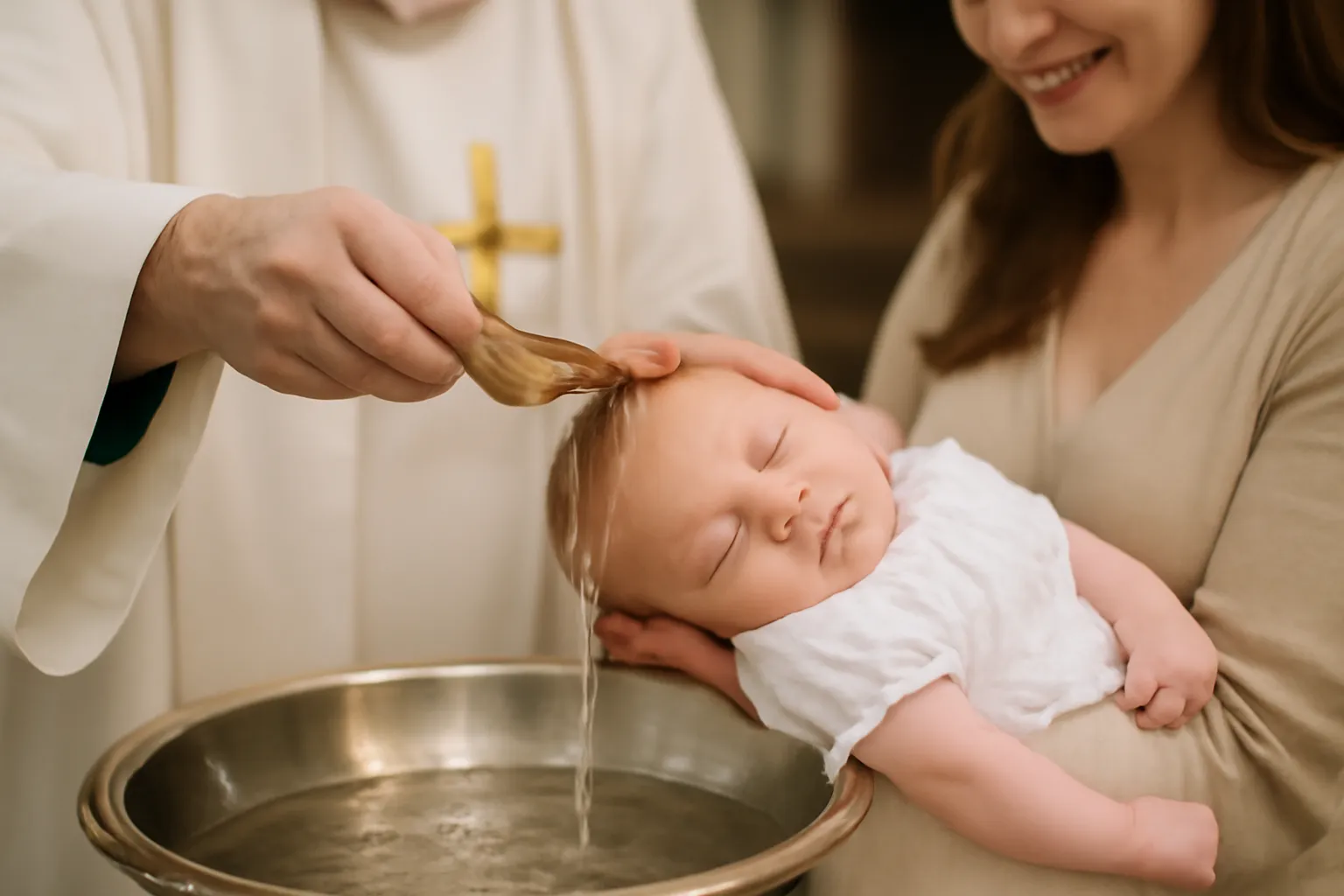
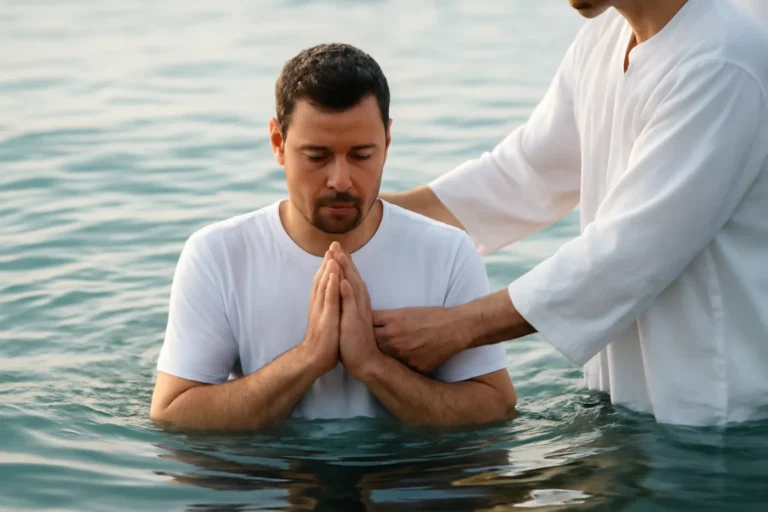
Different traditions emphasize these symbols with varying depth. Some highlight immersive baptism as a dramatic reenactment of death and resurrection, while others emphasize sprinkling or pouring as a meaningful sign of cleansing and reception by the Holy Spirit. Regardless of method, the key idea remains that baptism is a symbolic act with real spiritual consequences, not merely a ceremonial gesture.
Two Complementary Images in Baptism
Many theologians point to two complementary images that illuminate the baptismal meaning:
Water as cleansing—an outward sign of inward purification and renewal. This image echoes old covenant language about purity and cleansing, now fulfilled in Christ.
Water as entering life in God’s covenant—an invitation into God’s family and mission, marked by a new relationship with Jesus and a new identity within the church.
Different Denominational Perspectives
Across Christian traditions, the baptism meaning is shaped by theological commitments about grace, faith, and the church. While the core symbolism remains recognizable, the implications for practice, infant baptism, and the nature of grace differ.
Roman Catholic and Orthodox Traditions
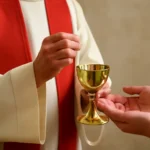
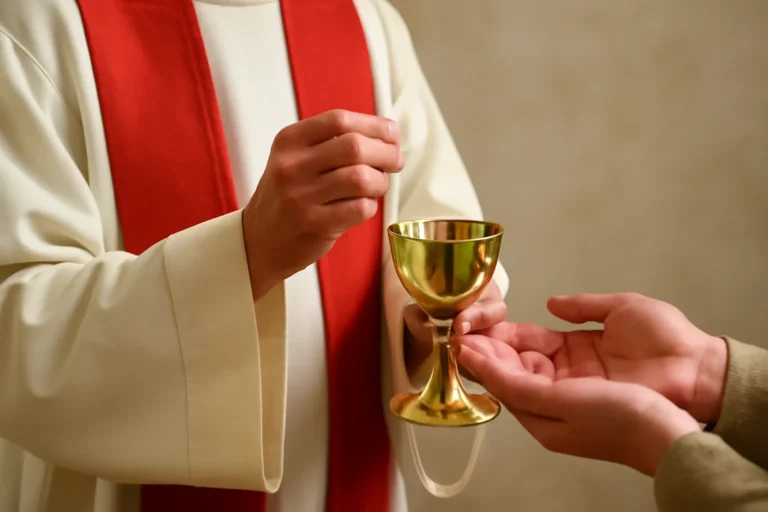
In Catholic theology, baptism is a sacrament that conveys grace ex opere operato (by the action performed) through the act itself, entrusting the believer to God’s promise. It is typically administered to infants in these traditions, with the understanding that the grace conferred is binding and that the faith of the community and the parents supports the child’s ongoing formation in the faith. The rite often includes the use of immersion or sprinkling of water, anointing with oil, the recitation of baptismal vows, and the invoking of the Holy Spirit. Baptism for Catholics is closely connected to other sacraments—especially Eucharist and Confirmation—and signifies entrance into the fullness of the Church.
In the Orthodox Church, baptism is part of a single, historically continuous sequence of sacraments (often referred to as the Mysteries). It is usually administered to infants and is followed by chrismation (anointing with oil) and Eucharist. The sacramental understanding emphasizes union with Christ, the cleansing of sin, and incorporation into the body of Christ. The liturgical setting and the use of abundant water signify a powerful visible sign of God’s grace at work in the life of the believer.
Protestant and Evangelical Traditions
In many Protestant communities, baptism is a sacred act that communicates faith and obedience rather than conferring grace in the same way as the Catholic and Orthodox sacraments. For many traditions, baptism is believer’s baptism—the person makes a conscious, personal profession of faith in Jesus Christ. A key question in theology here concerns the timing: should baptism occur after a personal confession of faith, and should it be by immersion, pouring, or sprinkling? Denominations such as Lutherans and Anglicans may maintain a strong sense of baptismal grace while still requiring personal faith; Baptists and many evangelical groups typically emphasize believer’s baptism by immersion as the most faithful expression of conversion and discipleship.
Baptist, Pentecostal, and Charismatic Nuances
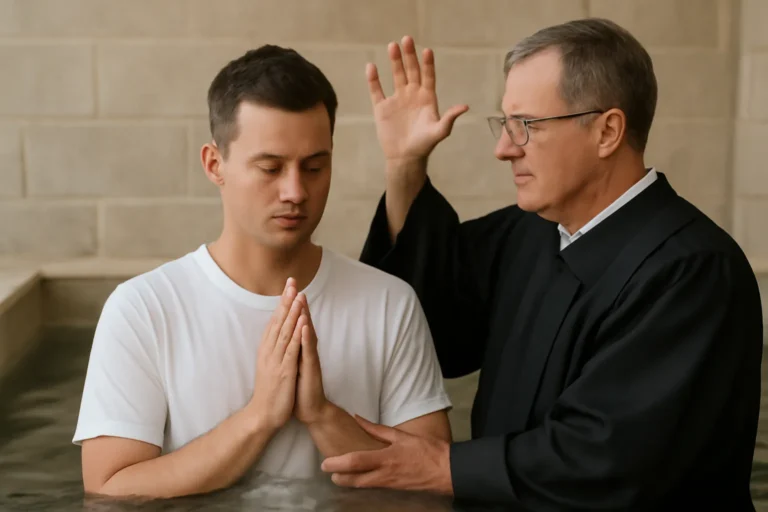
In Baptist circles, baptism is a powerful public declaration of personal faith and allegiance to Christ. The mode of baptism—often immersion—symbolizes the believer’s identification with Christ’s death and resurrection. The emphasis is on personal decision, accountability within a local church, and the believer’s formal entrance into the church as a member. In Pentecostal and charismatic communities, baptism remains central, but attention is often given to the accompanying work of the Holy Spirit, including opportunities for spiritual gifts and a pronounced experiential dimension of the Christian life. The baptismal rite is deeply integrated with preaching, prayer, and church life.
Ecumenical and Global Perspectives
Across the global church, the baptism meaning also engages debates about inclusion, community, and social responsibility. Some traditions stress baptism as a doorway into ongoing formation—where the baptized person is called to a life of justice, mercy, and service. In other contexts, baptism is embedded in liturgical calendars, with seasons such as Easter providing a powerful backdrop for celebrating new birth in Christ. The rich variety of practice reflects theesse of local culture, linguistic expression, and historical development, while the shared center remains the conviction that baptism is a meaningful encounter with God’s grace and a public witness to the gospel.
Theological Themes: Salvation, Faith, and the Role of Baptism
A central question in discussions about the meaning of baptism is how it relates to salvation, faith, and grace. Different traditions answer this question with nuanced emphasis, but several core themes recur across interpretations.
In several Catholic and Orthodox frameworks, baptism is seen as the means by which God communicates grace and initiates the life of salvation in the believer’s life. In many Protestant traditions, however, baptism is often understood as an outward sign of inward faith—an expression of faith that has saving significance, but not as the mere instrument by which grace is applied apart from personal faith. Still, most Christian theologies affirm that genuine baptism is inseparable from faith: the baptized person responds to God’s invitation with trust, repentance, and allegiance to Christ.
The Covenant and the People of God
Baptism is frequently described as the entry into a covenant community, the Church, through which believers are formed and sustained. The language of membership, adoption, and new birth situates baptism within a broader biblical narrative about God’s faithfulness to his people. For many, baptism is not simply about the individual’s experience; it is also about being woven into a lineage of faith, practice, and mission that extends across generations.
Discipleship, Obedience, and Growth
The meaning of baptism cannot be separated from the call to discipleship. Baptism signals the intention to live under the lordship of Christ, to pursue holiness, and to participate in the mission of the church to love God and neighbor. In this sense, baptism serves as a commissioning moment—an invitation to live in daily repentance, to cultivate virtue, and to engage in communities that seek justice, mercy, and peace.
Infant Baptism vs Believer’s Baptism
A recurring topic in discussions about the baptism meaning concerns the appropriate recipients and timing of the rite. The two dominant models are infant baptism and believer’s baptism, each with theological rationale and practical implications.
Infant Baptism
In traditions that practice infant baptism, the rite is often understood as a sign of the covenant community and as a means of initiating a child into the life of the church. Parents and godparents typically vow to raise the child in the Christian faith, with the expectation that the child will come to personal faith later in life. Proponents argue that infant baptism reflects the continuity between Old Testament circumcision and New Testament baptism, signaling inclusion within God’s people from the earliest moments of life.
Believer’s Baptism
In traditions that emphasize believer’s baptism, the central criterion is a conscious confession of faith in Jesus Christ. Proponents argue that baptism should follow a personal decision to trust in Christ, as a public profession of allegiance and a voluntary act of obedience. The biblical pattern they appeal to often highlights conversions in the Acts of the Apostles, where individuals are baptized after placing their faith in Christ. The method may be immersion, sprinkling, or pouring, depending on the denomination and theological emphasis.
How Communities Navigate Both Perspectives
Some churches seek to hold both perspectives by recognizing baptism as a means of grace while also affirming the importance of personal faith. In such communities, infant baptism may be followed by a later profession of faith (often called confirmation or a believer’s baptism for older children or adolescents). The broader goal remains the formation of the person as a lifelong follower of Christ and a member of the church body.
Ritual Practice and Community Significance
The ritual dimensions of baptism vary across traditions, yet several shared elements illuminate its meaning. The ceremony is typically public, relational, and transformative, inviting participants to reflect on their identity in Christ and their responsibilities within the faith community.
Preparation and instruction: Before baptism, candidates or families may undergo catechesis or instruction to understand what baptism signifies and what is expected in a life of discipleship.
The mode of baptism: Immersion, pouring, or sprinkling are the common methods, each carrying its own symbolic emphasis. Immersion emphasizes death, burial, and resurrection; pouring or sprinkling highlights cleansing and the outpouring of the Spirit.
Public profession: The act is often performed in the context of a worship service, where the community witnesses the baptism and commits to supporting the baptized individual in the journey of faith.
Water symbolism: The water, its placement, and its flow through the rite carry theological significance—representing cleansing, life-giving grace, and new birth.
Trinitarian invocation: In most traditions, baptism is performed in the name of the Father, the Son, and the Holy Spirit, underscoring the Trinitarian foundation of the practice.
Ritual acts surrounding baptism: Anointing with oil (chrism), a recitation of vows, a blessing by the pastor or priest, and community prayers often accompany the baptismal rite.
In addition to rite-specific meanings, baptism fosters a sense of belonging and accountability. It marks a person as part of a larger story—the story of God’s redemptive work in the world—and invites ongoing participation in the life of the church, including worship, service, and the cultivation of a shared moral and ethical life.
Practical Questions and Common Concerns
Readers often ask practical questions about how baptism functions in contemporary life. Here are some commonly discussed issues and the ways different traditions address them.
Can infants be baptized? In many historic churches, yes, on the grounds that baptism inaugurates the child into God’s covenant community. In several evangelical traditions, baptism is reserved for those who personally profess faith.
Is baptism necessary for salvation? Views vary. Some traditions hold baptism as essential to salvation in some sense, while others emphasize baptism as a sign that confirms a prior saving event in Christ. Most insist that genuine faith in Christ is ultimate, with baptism as an outward expression of that faith.
What if I was baptized as an infant and later profess faith? Some communities reaffirm baptism as valid and encourage a personal public profession, while others emphasize a “believer’s baptism” as a separate step of conscious faith.
Does baptism guarantee membership in heaven? No. Baptism marks entry into the community and a commitment to follow Christ, but salvation is understood to be by grace through faith, a gift God grants to those who trust in Jesus.
These questions reveal how the baptism meaning connects with deeper concerns about identity, grace, and the ongoing life of faith. Across traditions, the underlying aim is to shape believers who are faithful, hopeful, and active in love.
Illustrative Models: How Baptism Communicates the Gospel
To help readers grasp the breadth of the baptismal message, here are several illustrative models that theologians and pastors frequently use.
Covenant model: Baptism initiates a covenant relationship with God and his people, echoing the way God previously bound himself to his chosen people in the Old Testament.
Grace-signal model: Baptism signals that God’s grace is at work, making visible the invisible work of the Spirit in the life of the believer.
Identificatory model: The believer identifies with Christ’s death and resurrection, reorienting life toward the reign of God.
Community formation model: Baptism marks entry into a worshiping community, underscoring the social and ethical dimensions of Christian faith.
Mission commissioning model: Baptism signals readiness to participate in God’s mission—proclaiming the gospel, serving others, and seeking justice and mercy in the world.
Across centuries and across cultures, the baptism meaning remains a central element of Christian identity. It is not a single, static act, but a living symbol that points to the core realities of Christian faith: the invitation to new life in Christ, the healing of sin, the transformation of the self, and the call to participate in the work and joy of the Church. Whether practiced by immersion, pouring, or sprinkling; whether administered to infants or to believers who consciously confess faith; baptism continues to be a powerful testimony of trust in God’s promises and a doorway into a lifelong journey of following Jesus.
For readers exploring the significance of baptism, consider the following reflections to deepen understanding:
Reflect on transformation: How does baptism speak to a turning point in your life or in the life of your faith community?
Consider community: In what ways does baptism shape your belonging, responsibility, and service within the body of Christ?
Contemplate grace: How does the relationship between grace, faith, and baptism inform your understanding of salvation?
Appreciate diversity: How do different traditions illuminate the breadth and depth of the baptismal message while remaining rooted in a shared call to love and follow Christ?
The Bible presents baptism as a meaningful, hopeful, and transformative act that invites believers into a lifelong path of discipleship. Whether you view baptism primarily as a symbol, a means of grace, or a public declaration of faith, its meaning remains anchored in the person and work of Jesus Christ and in the community that gathers to worship him.
Bienvenido a una guía completa sobre el bautismo de nuevo nacimiento. Este tema, conocido también como nacer de nuevo o bautismo regenerativo, es central en muchas tradiciones cristianas que entienden la fe en Jesucristo como el inicio de una vida transformada. En este artículo encontrarás una visión amplia y detallada: su definición, las bases bíblicas,…
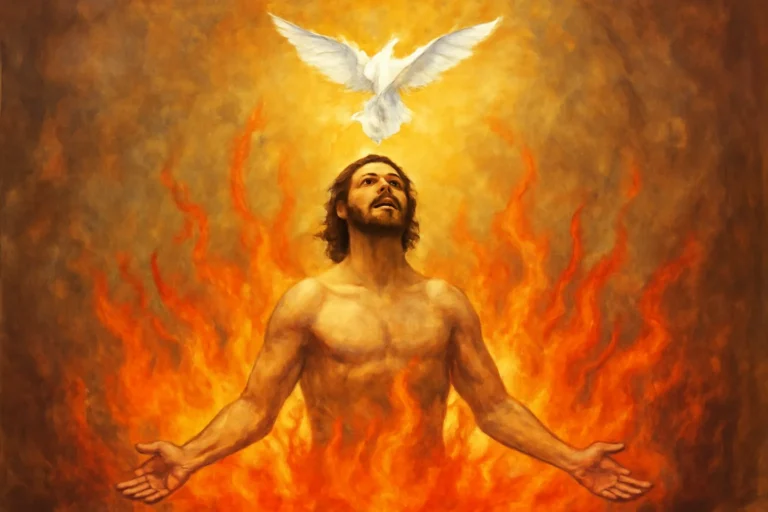
The phrase Baptized by the Holy Spirit and fire has captivated Christians for generations. It sits at the intersection of God’s empowering presence, personal renewal, and missionary zeal. This article seeks to explain what the expression means, how it is seen across Scripture, and what it might mean for a person’s faith today. Whether you…
Meaning of the Christian Sacrament The word sacrament refers to a sacred sign or holy rite that conveys divine grace. In Christian usage, a sacrament is more than a ceremony or ritual; it is a tangible action that Jesus Christ instituted to communicate realities beyond the visible world. Across traditions, the expression the sacrament or…
Baptism has been a defining practice in Christian faith since the earliest followers of Jesus. Known by many names and expressed in a variety of forms, this rite—often called Christian water baptism, baptism in Christ, or simply baptism—serves as a public declaration of faith, a sign of spiritual cleansing, and a profound symbol of belonging…
Born Again Christian Baptism is a practice with deep spiritual meaning for many followers of Jesus. It is often described as a public response to the experience of being “born again” in Christ, a transformative moment of faith that leads to baptism as a visible sign of inward renewal. In this article, we explore the…
What It Means to be Baptized Into Christ The phrase Baptism Into Christ captures a central idea in Christian faith: when a person submits to the rite of baptism, they are entering into a living, personal identification with the life, death, and resurrection of Jesus. This is not merely a ceremonial action; it is a…