The word sacrament refers to a sacred sign or holy rite that conveys divine grace. In Christian usage, a sacrament is more than a ceremony or ritual; it is a tangible action that Jesus Christ instituted to communicate realities beyond the visible world. Across traditions, the expression the sacrament or sacraments signals not only the outward outward sign (like water, bread, wine, oil) but also the inward operation of grace in the believer’s life. Because Christians differ in how many rites are counted as sacraments, it is important to note both the continuity of the idea and the diversity of practice.
In broad terms, a sacrament has four core characteristics that help Christians distinguish it from other religious or cultural rituals:
Institution by Christ: The rite is grounded in the life and teaching of Jesus and adopted by the Church as a channel of grace.
Visible sign: The ceremony uses a real, tangible sign—water, bread, wine, oil, laying on of hands—to symbolize the invisible blessing of God.
Grace received through the rite: When rightly observed within the faith community, the sacrament is believed to mediate divine grace to the believer.
Community dimension: The sacrament is usually celebrated within the church community, reinforcing identity, worship, and mission.
The phrase visible sign and invisible grace is often used to describe how the sacramental action communicates realities that are not reducible to the material sign alone. In this sense, the sacrament is both sign and means—a sign that points to grace and a conduit through which grace is imparted. The distinction between sign and grace does not imply that the sign is empty or merely symbolic; rather, it emphasizes that the grace of God is real, transformative, and appropriate to the rite.
Christians also speak of the mystery of the sacraments, especially in traditions that emphasize the depth of grace that God offers beyond full human comprehension. For some, the term holy mysteries is used to convey a sense that God’s presence in these rites surpasses human logic while remaining accessible through faith and worship. In Catholic, Orthodox, and many Anglican contexts, the sacraments are embedded in liturgical life and are not just individual acts but public expressions of faith that bind believers to Christ and to one another.
Types of Sacraments: How Christians Experience the Sacred Sign
Across Christian history, theologians have offered varying lists of rites that count as sacraments. The most common distinction is between traditions that recognize seven sacraments and those that recognize two as primary. In Catholic and Orthodox churches, the term sacraments typically refers to seven sacred rites. In many Protestant communities, especially those with a Reformed heritage, the emphasis is often on two primary sacraments—Baptism and the Lord’s Supper (also called Communion or Eucharist)—while still acknowledging other liturgical rites as meaningful ordinances or sacred acts.
Baptism
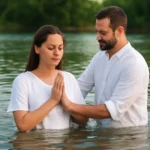
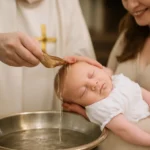
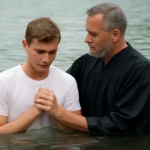
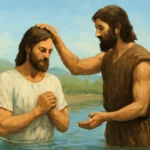
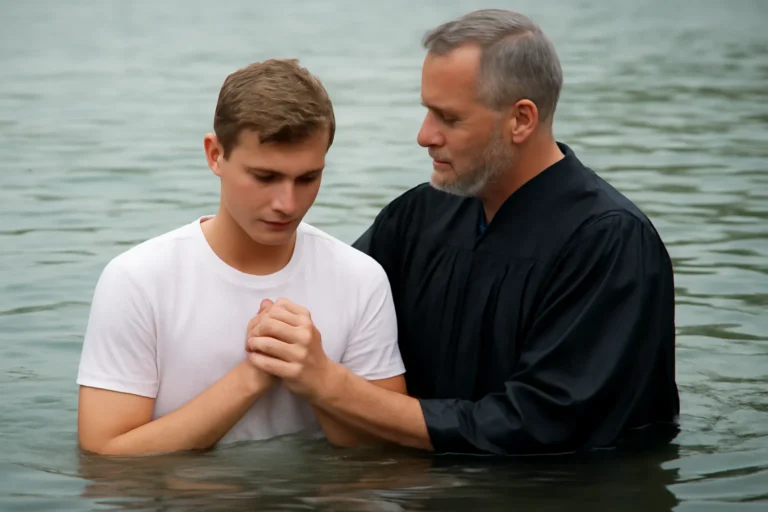
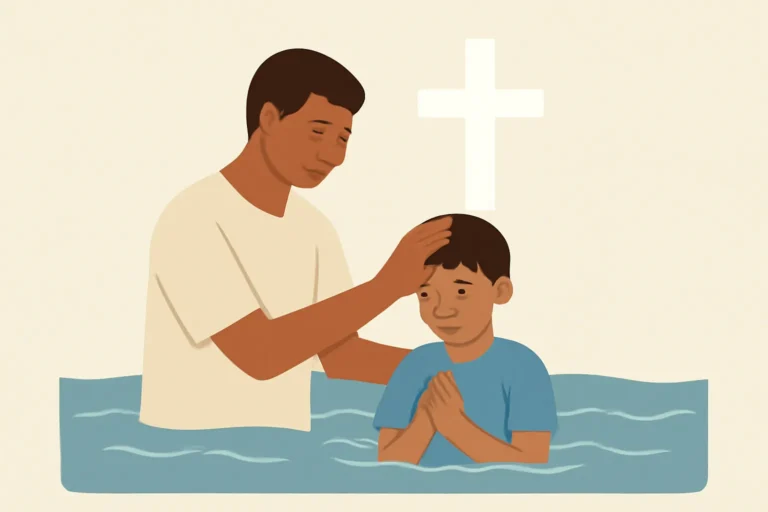
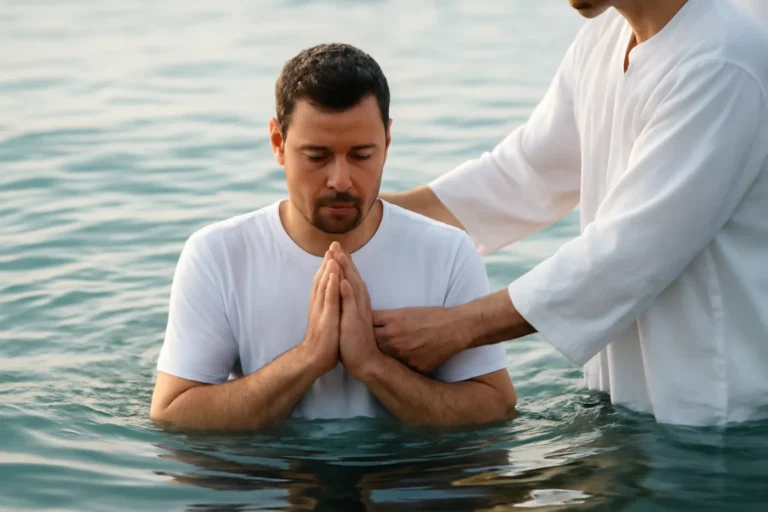
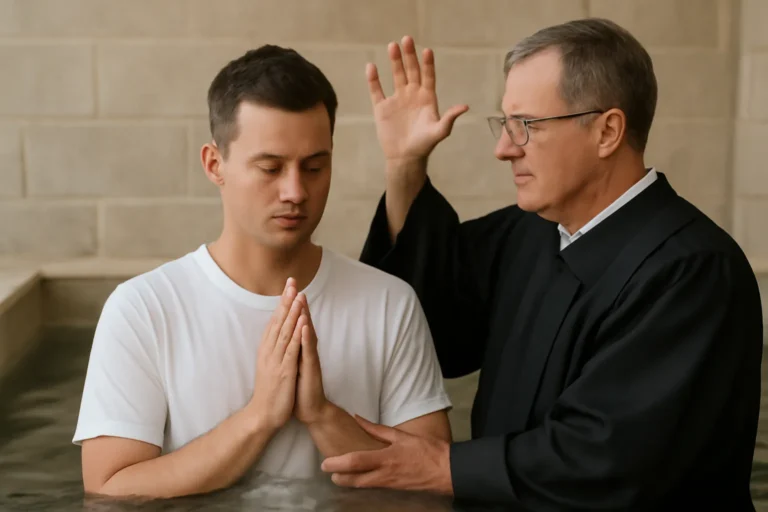
Baptism is generally understood as the rite of initiation into the Christian life. It marks one’s entry into the Church and a personal or communal confession of faith in Christ. In Catholic and Orthodox practice, baptism is typically administered to infants as well as to adults, emphasizing the idea that God’s grace goes ahead and initiates the believer into the life of Christ from the very beginning of life. In many Protestant churches, baptism is often practiced upon a profession of faith, frequently for believers who have reached an age of understanding.
Sign and grace in baptism: Water symbolizes cleansing from sin and regeneration by the Holy Spirit. The act is a visible sign of the invisible grace of new birth in Christ.
Modes and recipients: Modes vary—immersion, pouring, or sprinkling—and recipients range from infants to adults, depending on the tradition.
Theological significance: Baptism is not merely symbolic; it is believed to unite the believer with Christ’s death and resurrection and to welcome them into the faith community.
Most traditions emphasize that baptismal grace is a gracious gift that does not depend on human merit but on divine mercy. Debates about infant baptism versus believer’s baptism reveal the depth of tradition and interpretation: some stress continuity with an ancient practice that binds generations, while others emphasize personal profession of faith as the decisive moment of initiation.
Eucharist / Communion / Lord’s Supper
The Eucharist (or Lord’s Supper, Communion) is the central act of worship in many Christian communities. It commemorates Jesus’ last meal with his disciples and his command to “do this in remembrance of me.” Traditions differ on how they understand the presence of Christ in the elements—some teach a real presence in, with, or under the bread and wine, while others affirm a symbolic remembrance that fosters spiritual communion with Christ.
Elements as signs: Bread represents Christ’s body, and wine represents his blood, symbolizing sacrifice, gratitude, and fellowship.
Frequency: Some traditions celebrate weekly, others monthly or seasonally, but all regard this rite as a means of grace and a tangible expression of communal faith.
Theological diversity: Catholic and Orthodox churches often affirm a real, sacramental presence, while many Protestant groups interpret the rite as a memorial meal or a symbolic act of proclamation and gratitude.
Chrismation / Confirmation
Confirmation (often called Chrismation in Orthodox and some Anglican contexts) is the sacrament or rite of mature faith and of receiving the Holy Spirit in a particular fullness. It is usually linked to baptism and is associated with the laying on of hands and the anointing with oil (chrism).
Purpose: To strengthen the grace given at baptism, empower for service, and deepen the recipient’s commitment to Christ and the Church.
Effects: A renewed sense of spiritual identity, courage for witness, and an increased openness to guidance by the Holy Spirit.
Liturgical setting: Often celebrated within a protracted service of worship, with prayer, laying on of hands, and anointing.
Penance (also called Reconciliation or Confession) is the practice of acknowledging sins and receiving forgiveness through God’s mercy. In the Catholic tradition, this rite is typically carried out with a priest who offers absolution and spiritual counsel. In many Protestant churches, confession is more directly to God and the act may occur communally or privately, sometimes without a priestly mediator.
Purpose: To restore relationship with God and the Church after sin, to seek healing, and to renew one’s commitment to live in Christ.
Method: The form can involve private confession, corporate confession in worship, and the pronouncement of forgiveness by the clergy in Catholic practice, or a direct prayerful confession to God in other traditions.
Anointing of the Sick
The Anointing of the Sick (sometimes called Last Rites or Extreme Unction in older Catholic usage) is a sacramental act of care for those who are ill, aging, or facing serious danger of death. It emphasizes God’s presence in suffering, comfort, and healing, and it is sometimes linked to the hope of physical healing as well as spiritual strengthening.
Signs: Anointing with oil and prayers by a priest or bishop in many traditions; Laypeople or elders may administer other forms of blessing in some churches.
Purpose: To grant courage, peace, forgiveness, and grace to endure illness or peril, and to remind believers of Christ’s suffering and mercy.
Matrimony
Matrimony (or holy matrimony) is the sacramental or sacred rite of marriage in many Christian traditions. It is regarded as a covenant between two persons and God, reflecting the relationship between Christ and the Church. For some traditions, marriage is one of the seven sacraments; for others, it is a sacred rite but not always listed among the sacraments themselves.
Graces conferred: Mutual fidelity, love, and the formation of a family that can be a beacon of faith within the broader community.
Rituals: Exchange of vows, blessing, and sometimes the ring as a sign of fidelity, supported by prayers and liturgy.
Holy Orders is the sacramental act by which certain members of the Church are ordained to serve in leadership roles, such as bishops, priests, and deacons. This rite confers a grace that enables the ordained to guide, teach, shepherd, and administer the sacraments.
Grace and office: Affects both the character of the person and the ministry they will perform within the Church.
Distinctives: In Catholic and Orthodox traditions, ordination is considered a sacrament in itself, with a strong sense of apostolic succession and continuity.
Other rites sometimes counted as sacraments in various Christian traditions
Some traditions extend the list of sacred rites beyond the core seven to include additional liturgical acts that carry grace and serve as means of sanctification in the life of the church. For example, certain Anglican formularies treat Confirmation, Holy Communion, Baptism, Reconciliation, and Matrimony as sacra—while others emphasize a broader category of sacramental rites or ordinances that accompany church life.
Variations in Terminology: How Different Traditions Speak of the Sacramental Life
The Christian concept of the sacrament is not monolithic. Some churches use the term sacrament to describe a broad range of sacred rites, while others reserve the word for a smaller, more tightly defined set. A few key variations help readers understand the breadth of Christian practice:
Catholic and Orthodox usage: The standard list is seven sacraments, deeply embedded in liturgical worship and theology of grace.
Protestant usage: Often emphasizes two primary sacraments—Baptism and the Lord’s Supper—though some groups recognize additional rites as important, if not sacraments in the strict sense.
Anglican and Episcopal usage: Generally acknowledge Baptism and the Eucharist as sacraments, with a broader set of rites (e.g., Confirmation, Holy Orders, Matrimony, Penance) treated as sacraments by many but sometimes referred to as sacramental rites or ordinances.
Other terms: Some traditions prefer “holy mysteries” (especially in Eastern Orthodoxy) to convey the sense of divine mysteries entrusted to the church’s liturgical life.
These variations reflect differences in theology, ecclesiology, and tradition, but they all share the conviction that God uses specific acts of worship to draw near to believers and to transform their lives.
Significance and Purpose of the Sacramental Life
The importance of the Christian sacraments—whether referred to as sacraments, ordinances, holy mysteries, or sacred rites—lies in their capacity to nurture faith, build community, and shape the life of believers. The significance of these rites extends beyond personal piety into the mission and identity of the church as a whole.
Means of grace: In the sacramental life, grace is communicated in a tangible and communal way. The rites are not magic; rather, they are channels through which the Holy Spirit works in the believer’s life to sanctify, renew, and empower actions of service, love, and obedience.
Encounter with Christ: Each sacramental act provides an encounter with Jesus Christ—his life, death, and resurrection—through which believers are reminded of God’s love and called to respond with faith and commitment.
Formation of community: The sacraments anchor the church’s identity, uniting participants in shared worship, mutual care, and collective witness to the gospel.
Public profession of faith: Baptism, for example, publicly proclaims a decision to follow Christ, while the Lord’s Supper publicly declares the participants’ remembrance of Christ’s saving work and their unity with one another.
Sanctification and discipleship: The life of grace opened through the sacraments shapes spiritual growth, ethical formation, and a more faithful witness to God’s reign.
Eschatological dimension: Many Christians view the sacraments as a foretaste or “already-but-not-yet” experience of the heavenly reality—the fullness of God’s kingdom—where grace is perfectly fulfilled in the presence of God.
In teaching about the sacramental life, churches often emphasize that these rites are not ends in themselves but means to a deeper relationship with God and a more robust life of love toward neighbor. The symbolism—water, bread, wine, oil, the laying on of hands—points believers toward the mysteries of grace while inviting them to participate in the ongoing drama of salvation.
Historical and Theological Reflections on the Sacramental Principle
The understanding of the sacred acts has developed across centuries of Christian reflection. Early Church Fathers spoke of baptism as a passage from death to life and the Eucharist as the true presence of Christ in the community’s worship. The medieval period saw the codification of the sevenfold sacramental system in the West, accompanied by liturgical traditions that gave each rite its own character and meaning. The Reformation brought renewed emphasis on faith and the idea of grace received through the Word and through two main sacraments, while many Reformers continued to acknowledge the value of baptism and communion as central acts of worship.
In contemporary ecumenical discussions, scholars and church leaders often explore how to honor both the continuity with historic practice and the diversity of contemporary life. The conversation about baptismal formulas, reception of the Eucharist, and apostolic succession continues to shape how communities bear witness to Christ through sacred rites. The result is a rich tapestry of practice in which the essential belief remains that God communicates grace through signs that matter in the life of faith.
Practical Implications for Believers and Communities
For individuals exploring the Christian faith or for congregations shaping their liturgical life, the sacramental framework offers practical guidance on how to live out the Christian vocation. Here are some practical implications to consider:
Participating with reverence: Acknowledge the sacred character of the rite and prepare through prayer, repentance, and an expectant heart for God’s grace to be at work.
Understanding the sign’s depth: Recognize that the outward action is a doorway to deeper realities—God’s love, mercy, and the call to discipleship.
Fostering community: Celebrate these rites within the life of a local church, where participants can support one another in faith and growth.
Encouraging discernment: Different traditions have different emphases. Seek understanding through study, dialogue, and worship that respects the integrity of other communities.
Living the truth beyond the rite: Seek to translate the grace received in the sacrament into acts of love, justice, and service in daily life.
In the modern era, Christians from diverse backgrounds engage in constructive dialogue about the meaning and practice of the sacred rites. While disagreements about the exact nature of grace and presence in the sacraments remain, many churches recognize the shared center: God’s action in Christ, offered to believers through the church. Efforts toward ecumenical dialogue emphasize common ground—acknowledging baptism as a meaningful initiation into the Christian community and the Lord’s Supper as a sustaining meal of faith—while honoring legitimate differences in interpretation and liturgical practice.
The Sacramental Life as a Beacon of Christian Faith
The Christian concept of the sacrament, in its various forms and expressions, offers a powerful lens for understanding how faith is lived in history, worship, and everyday life. Whether described as seven sacred rites or two primary ordinances, the idea remains that God engages humanity through tangible signs that point beyond themselves to divine realities. The sacraments—whether called sacraments, sacred rites, holy mysteries, or ordinances—invite believers into a rhythm of grace, worship, service, and hope. They remind the church that faith is not only a matter of believing certain truths but also of participating in a living drama of salvation led by Christ and celebrated in community.
By exploring the meaning, examining the diverse types, and reflecting on the significance of these rites, readers can gain a richer understanding of how the Christian sacramental life shapes the life of faith. May this exploration encourage reverence for the sacred acts, clarity in teaching, and generosity in worship as communities continue to witness to the grace that God extends to every believer through Christ.
Baptist baptism stands as one of the most distinctive and defining practices within the Baptist tradition. It is more than a ritual moment; it is a deliberate expression of belief, a public witness of faith, and a visible sign of a transformative relationship with Jesus Christ. In Baptist life, baptism is treated primarily as an…
Introduction to Christian Baptism Meaning The topic of Christian baptism meaning touches the heart of how believers interpret the life, death, and resurrection of Jesus Christ. Across centuries and cultures, baptism has stood as a powerful public expression of faith, a ritual that unites individuals with the life of the church, and a theological act…
Baptism Importance: Why This Sacrament Matters Baptism is one of the oldest and most widely observed practices in the Christian faith. Across traditions, it has been celebrated for centuries as a defining moment in a person’s journey of faith. This article explores baptism’s significance from multiple angles—from its scriptural roots and theological meanings to its…
The phrase Baptized by the Holy Spirit and fire has captivated Christians for generations. It sits at the intersection of God’s empowering presence, personal renewal, and missionary zeal. This article seeks to explain what the expression means, how it is seen across Scripture, and what it might mean for a person’s faith today. Whether you…
Bienvenido a una guía completa sobre el bautismo de nuevo nacimiento. Este tema, conocido también como nacer de nuevo o bautismo regenerativo, es central en muchas tradiciones cristianas que entienden la fe en Jesucristo como el inicio de una vida transformada. En este artículo encontrarás una visión amplia y detallada: su definición, las bases bíblicas,…
Born Again Christian Baptism is a practice with deep spiritual meaning for many followers of Jesus. It is often described as a public response to the experience of being “born again” in Christ, a transformative moment of faith that leads to baptism as a visible sign of inward renewal. In this article, we explore the…