Christian Thanksgiving: Meaning, History, and Celebration
Across centuries and cultures, Christian thanksgiving has been a shaping force in how communities respond to the gifts of life, faith, and salvation. While the phrase may evoke images of autumn feasts in North America, the broader idea runs far deeper: gratitude to God for creation, redemption, and daily grace, expressed through worship, service, and shared meals. This article explores the meaning, history, and forms of celebration associated with the broader concept sometimes called Christian Thanksgiving, thanks-giving in Christian literature, or the Eucharist as the central act of thanksgiving in many Christian traditions.
Meaning and theology of thanksgiving in Christian faith
In Christian thought, thanksgiving is more than a polite acknowledgment of good things. It is a theological stance, a posture of heart, and a communal practice that situates human life within the larger story of God’s creation, covenant, and redemption. The most compact definition often used in Christian liturgy is that thanksgiving is the act of giving back to God the honor, praise, and gratitude that God’s gifts deserve. In Greek, the term eucharistia literally means thanksgiving, and this linguistic link points to a central doctrine: the Christian life is a continual offering of gratitude to God for grace received through Jesus Christ.
There are several dimensions to this meaning that recur across traditions and eras:
Gratitude as worship. The core form of Christian thanksgiving is worship, in which the believer or the church directly acknowledges God’s glory and goodness.
Recognition of grace. Thanksgiving grows out of the conviction that all good gifts—whether life, faith, community, or provision—are gracious gifts. The response is to praise and glorify the Giver rather than to claim the gifts as purely personal achievements.
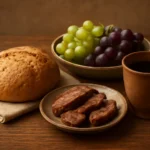
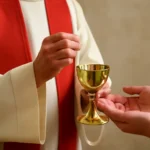
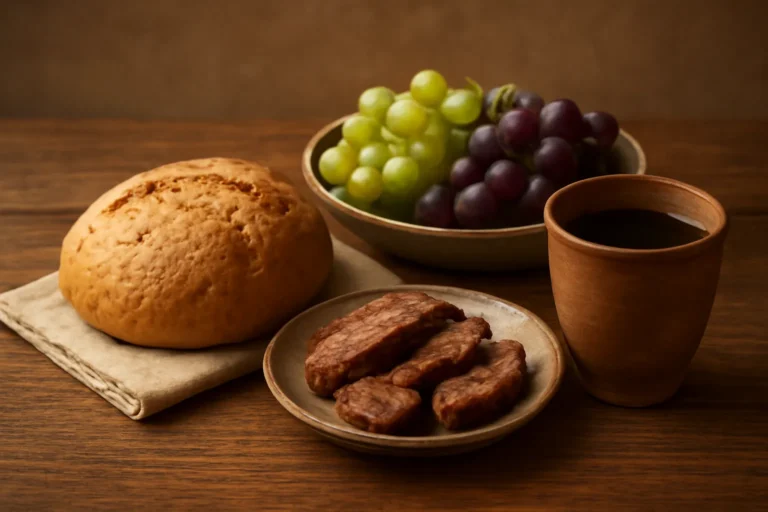
Memory and practice in the Eucharist. For many Christians, the act of celebrating the Eucharist (or Holy Communion) is the primary, ancient form of thanksgiving—an ongoing, living memory of Christ’s saving work in the bread and wine.
Ethics of gratitude. Thanksgiving matters not only in words but in deeds: generosity, hospitality, justice, and care for the vulnerable become outward expressions of an inward gratitude.
Communal dimension. Christian thanksgiving is seldom a solitary act; it is enacted within a community through liturgy, feasting, and shared service.
Across traditions, three terms often recur to capture the essence of Christian thanksgiving: gratitude (acknowledging what God has given), worship (responding to God with praise), and remembrance (recalling God’s saving acts). For many Christians, the word Eucharist signifies the heart of this practice, because it describes the act of giving thanks in the most intimate way—through sharing in the body and blood of Christ as a sign of communion with God and with one another.
Historical roots: from biblical thanksgiving to global practice
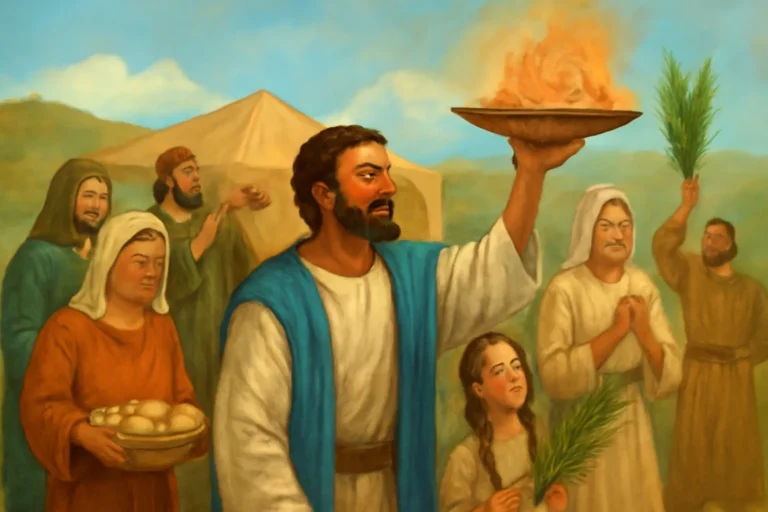
Thanksgiving is deeply rooted in biblical revelation. In the Hebrew Bible, offerings of gratitude—often called thank offerings or wood offerings—were performed in Temple worship and later in various ritual settings. The Psalms repeatedly call God’s people to give thanks: “Make a joyful noise to the Lord, all the earth! Serve the Lord with gladness! Come into his presence with singing” (Psalm 100, paraphrased for emphasis). In the New Testament, Jesus’ own phrases of gratitude at the Last Supper mark a turning point: “He took bread, gave thanks and broke it” (Luke 22:19, NIV), and the apostle Paul’s words about the Lord’s Supper frame thanksgiving as a central aspect of church worship (1 Corinthians 11:24–26). The Greek word eucharistia appears in various early Christian prayers and liturgies to denote this thanksgiving aspect of the sacrament.
Thus, the Christian concept of thanksgiving has two closely related anchors: a) the appreciation of God’s gratuitous gifts, and b) the decisive remembrance of Christ’s redemptive work through the sacramental meal. When Christians celebrate the sacrament, they are not merely performing a memory; they are participating in an ongoing act of thanksgiving that ties past salvation to present worship and future hope.
From early church to medieval times: liturgy, feasting, and social virtue
In the earliest centuries, the church worshipped with a shared meal known in some traditions as an agape feast, which included gratitude, charity, and community life. Over time, as the church’s public life formalized, the liturgy became more codified, with the Eucharistic prayers giving shape to the day’s thanksgiving. The emphasis on thanksgiving broadened from the priestly act of blessing to include the entire congregation’s participation in praise and intercession. This phase prepared the ground for later connections between grateful worship and social care: generosity toward the poor, hospitality to strangers, and aid for the needy emerged as practical expressions of a heart shaped by gratitude.
As Europe moved through the medieval era and into the Reformation, Christian communities began to anchor gratitude not only in liturgical prayer but also in seasonal and harvest observances. The annual rhythm of the church calendar—feast days, harvest festivals, and special prayers of thanksgiving—reflected a conviction that God’s goodness is evident in both spiritual blessings and temporal abundance. These rhythms provided a bridge between private devotion and public witness, between the temple’s altar and the village’s table.
Harvest, national, and ecumenical expressions in the modern era
With the rise of nation-states and global missions, Christian thanksgiving developed a broader social and cultural dimension. Harvest celebrations were adopted in many Christian communities as a public acknowledgment of God’s provision. In North America, a distinctive form of thanksgiving emerged among settlers and later the broader public: a national holiday centered on gratitude for blessings, family, and community. Canada’s Harvest Thanksgiving and the United States’ Thanksgiving Day are perhaps the most well-known manifestations, yet they are not universal Christian practices; they exist alongside numerous regional and denominational expressions of gratitude.
In many churches, the modern era introduced dedicated prayers of thanksgiving in daily worship, curricula for children about the habit of thankfulness, and organized acts of service that express Christian gratitude in concrete ways. Across denominations, there is a growing emphasis on gratitude as a spiritual discipline—a practice that shapes how believers relate to creation, wealth, work, and neighbor. This shift often merges personal devotion with social action, reinforcing the idea that a life of thanksgiving is inseparable from a life of compassion and justice.
How Christianity shapes thanksgiving celebrations today
Across the diverse landscape of Christian communities, thanksgiving is celebrated in multiple modes. Some traditions emphasize liturgical expressions inside worship spaces, while others highlight family meals, charitable acts, or public ceremonies. The common thread, however, is the conviction that gratitude to God should shape thoughts, words, and deeds beyond a single day or event.
Liturgy and worship as channels of thanksgiving
In many churches, the central channel for thanksgiving remains the liturgy. The Eucharist or Holy Communion is regarded as the most explicit, ongoing act of thanksgiving. In Catholic, Orthodox, Anglican, and many Protestant churches, the sacrament is understood as a thanksgiving to God for the gift of salvation, a mysterious, spiritual communion that sustains the believer’s life. In practice, this means liturgical prayers of praise, intercession for the needs of the world, and a communal meal that recalls Christ’s sacrifice and victory. Even when a church does not celebrate a formal Eucharist every week, many communities still structure services around a rhythm of praise, confession, Scripture, and thanksgiving.
Family feasts, gratitude in daily life, and charitable service
In addition to public worship, home-centered practice has long been a hallmark of Christian thanksgiving. Families gather to share meals, recount blessings, and pray together. The rhythm of daily life—working honestly, caring for others, stewarding resources wisely—becomes an everyday form of thanks-giving, not merely an annual event. Many Christians link gratitude with social responsibility: supporting the poor, visiting the lonely, and sharing abundance with neighbors who are in need. In this sense, the practice of thanksgiving extends from the domestic table to the public square, embodying a faith that acts with compassion and justice.
Harvest festivals have taken on regional flavors in different parts of the Christian world. In some places, a dedicated Harvest Festival can be a major church event with processions, choir offerings, and communal meals. In others, gratitude is woven into the calendar through special sermons during autumn or late autumn months, emphasizing perseverance, faith, and resilience. In addition to harvest-centered observances, some churches mark occasions such as Thanksgiving Day with interdenominational prayer services or ecumenical gatherings that celebrate unity in Christ and a shared desire to serve the community.
Variations across Christian traditions
Roman Catholic perspective on thanksgiving
For the Roman Catholic Church, thanksgiving is integrally linked to the Eucharist as the source and summit of Christian life. Catholic theology treats the Mass as the definitive act of thanksgiving to God for creation, redemption, and the ongoing sanctification of the faithful. While individual believers may practice personal gratitude in prayers and devotions, the communal celebration of the Eucharist constitutes the Church’s central expression of thanksgiving. Catholic liturgical prayers often include explicit language of gratitude for the mysteries of faith, for the gifts of grace, and for the Church’s mission to transform the world through justice and love.
Eastern Orthodox understanding of thanksgiving
In the Eastern Orthodox tradition, the Divine Liturgy is the primary setting in which thanksgiving is lived. The Orthodox view of liturgy emphasizes the mystery of God’s grace already at work in creation and in salvation history. The concept of theosis—the process of becoming more like God through participation in divine life—forms part of a broader understanding of gratitude as a transformative experience. The anaphora, or the central eucharistic prayer, expresses thanksgiving in rich, ancient language, connecting believers with the historical church and the heavenly host in praise and intercession.
Protestant perspectives on thanksgiving
Within Protestant circles, the emphasis on thanksgiving often centers on a personal and communal response to grace, Scripture, and the gospel. While the sacraments may be more simplified in some denominations, the practice of giving thanks remains central in worship and in daily life. Protestant traditions frequently highlight the personal dimension of gratitude—thanksgiving as a daily discipline, a virtue to be cultivated through prayer, study of the Bible, and acts of service. Additionally, many Protestant churches observe national or regional Thanksgiving holidays with services that blend praise, biblical proclamation, and charitable work.
Anglican, Lutheran, and Methodist approaches
In the Anglican tradition, the Book of Common Prayer provides explicit prayers of Thanksgiving that shape weekly and seasonal worship. Harvest Thanksgiving has a long history in Anglican churches, and it often features readings about God’s provision and the proper use of created goods. In Lutheranism, the emphasis on the grace of God leads to a confident form of thanksgiving expressed in both liturgy and catechesis. Methodists emphasize grace received through Christ and a life of gratitude expressed through social holiness—acts of mercy, mission, and care for the poor. Across these groups, the common thread remains: gratitude is not merely a sentiment but a concrete, transformative practice in worship and daily living.
Living a life of gratitude: contemporary practice and ethical implications
Today’s Christian communities often link thanksgiving to concrete moral and social commitments. A robust practice of gratitude can inspire environmental stewardship, fairer economic relationships, and ongoing care for vulnerable neighbors. The idea of thanksliving—living in such a way that daily actions reflect gratitude for God’s gifts—has gained traction in many churches and faith-based organizations. In this light, Christian thanksgiving becomes a motive for reform and service, not a private festival. This broader vision invites Christians to consider how generosity, stewardship, and justice flow from a grateful heart and how acts of thanksgiving become sources of healing in a fragmented world.
Practical guide: how to observe Christian thanksgiving in everyday life
Whether one lives in a liturgical tradition or a more informal faith community, there are practical ways to cultivate thanksgiving that are faithful to Christian life. Below is a practical guide that blends worship, study, and action:
Offer a personal prayer of gratitude. Begin or end the day with a brief, heartfelt prayer thanking God for specific blessings, challenges that formed character, and opportunities to serve others.
Read Scripture that centers gratitude. Passages such as Psalm 100, Psalm 107, Colossians 3:15–17, and 1 Thessalonians 5:18 provide rich text for reflection on thanksgiving in daily life.
Participate in corporate worship with thanksgiving at the center. In a church setting, let the liturgy guide you through praise, confession, and intercession with a focus on gratitude for God’s faithfulness.
Share a meal with purpose. Whether in a family setting or a church gathering, make hospitality a deliberate act of gratitude: invite others, especially those who may be lonely, and offer thanks for the provisions that enable the gathering.
Give to the needy as an expression of thanks. Practice generosity, support food banks, or sponsor a family in need. Let acts of mercy be a lived theology of thanksgiving.
Engage in acts of stewardship. Use resources wisely, protect creation, and pursue just economic practices that reflect gratitude for God’s gifts without exploitation of others.
Teach gratitude to younger generations. In home, church, or school settings, teach what it means to be grateful, to name blessings, and to recognize God’s grace at work in ordinary life.
In preparation for a season of thanksgiving, congregations often assemble resources such as devotionals, short prayers, and Scripture-based prompts. Families may curate a “gratitude list” that grows throughout the season, focusing on people, places, and experiences that have shaped faith and character. In all these forms, the aim is to keep gratitude from becoming sentimental and instead make it a springboard for worship, service, and reconciliation.
Frequently asked questions about Christian thanksgiving
Is Thanksgiving in Christianity only about food?
No. While shared meals are a meaningful expression of fellowship and gratitude, Christian thanksgiving is fundamentally about acknowledging God’s gifts, praising Him, and living in ways that reflect that gratitude through love, service, and stewardship.
Is Thanksgiving a Catholic holiday?
Thanksgiving as a national holiday is not exclusive to Catholics. Catholic communities around the world practice thanksgiving in the Eucharist and in daily life. National Thanksgiving Day, where it exists, is a civic observance rather than a strictly ecclesial holy day, yet it often features Christian prayers and services across denominations.
What is the difference between thanksgiving and praise in Christian practice?
Praise focuses on exaltation of God’s character and actions, while thanksgiving emphasizes gratitude for specific gifts and graces received. In practice, these two dimensions often overlap within worship and private devotion, forming a coherent life of faith.
How does the Eucharist relate to thanksgiving?
In most traditions, the Eucharist (or Holy Communion) is the primary sacrament of thanksgiving, a ritual act in which believers give thanks for Christ’s sacrifice and partake in the meal as a sign of union with Him and with one another.
Can non-Christians participate in Christian thanksgiving?
People of other faiths or no faith are welcome to participate in thanksgiving settings that are interfaith or community-based, particularly those focused on human flourishing, compassion, and service. However, the theological framing and the deepest meaning of thanksgiving as worship of God are rooted in Christian belief.
Thanksgiving as a living Christian discipline
Throughout Christian history, the practice of thanksgiving has served as a unifying thread that connects worship, ethics, and daily life. The concept, expressed through the Eucharist as a sacramental form of praise, through psalms and prayers that magnify God’s goodness, and through acts of generosity that women and men in faith undertake, remains central to what it means to be a follower of Christ. Whether one speaks of the harvest festival brought into a church’s calendar, a family’s autumn meal, or a weekly Eucharistic celebration, the core message is consistent: gratitude to God shapes who we are, how we treat others, and how we steward the gifts entrusted to us. In this sense, Christian thanksgiving is not a moment in time but a lifelong practice—a way of orienting the heart toward God, a way of living that honors the God who provides, a way of forming communities that reflect God’s generosity to the world.
As Christians continue to navigate a rapidly changing world, the call to thanksgiving remains a fruitful invitation: to name the blessings, to offer praise, and to translate gratitude into love in action. In all its forms—whether as a liturgical feast, a family meal, or a public act of service—the practice of thanksgiving remains a faithful response to the God who gives life, sustains faith, and invites humanity into a shared, transformative feast of grace.
Bible Festivals: A Comprehensive Introduction to Biblical Celebrations The Bible speaks of a rhythm of time marked by sacred gatherings, feasts, and commemorations— a calendar that mirrors history, faith, and the ongoing relationship between God and His people. These occasions are often referred to as biblical festivals, divine feasts, or the feasts of Israel. Across…
The study of biblical festivals—often called the feasts of the Lord—offers a window into how ancient Israel understood time, memory, worship, and hope. These sacred occasions were not merely annual calendar events; they gathered communities, oriented daily life around God’s salvation narrative, and created a rhythm of faith that bridged past deliverances with future promises….
Rosh Hashanah, the Jewish New Year, invites believers to pause, listen, and turn toward God with reverent longing. Scripture provides a wellspring of reminders about repentance, remembrance, renewal, and hope as the year begins. This article gathers bible scriptures for Rosh Hashanah from across the biblical spectrum, offering top verses for reflection and practical ideas…
Overview: What is the Bible Jewish Calendar? The bible-based calendar or biblical calendar refers to the way people in the ancient Israelite and Judahite communities tracked time for daily life, agricultural rhythms, and sacred observances. This bible calendar or Hebrew calendar has deep roots in lunar cycles, seasonal needs, and religious pilgrimage timeframes. In its…