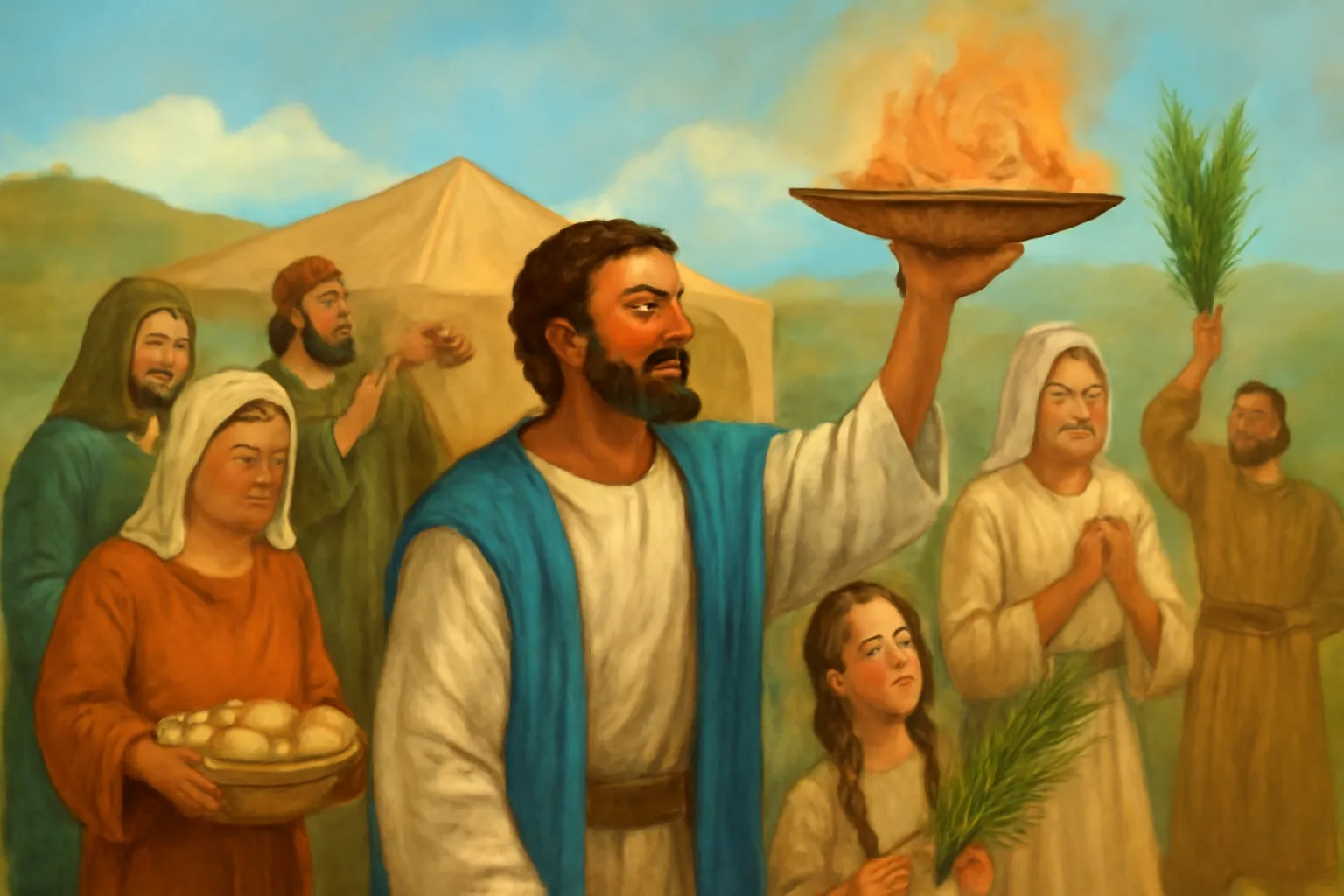
Bible Festivals: A Comprehensive Introduction to Biblical Celebrations
The Bible speaks of a rhythm of time marked by sacred gatherings, feasts, and commemorations—
a calendar that mirrors history, faith, and the ongoing relationship between God and His people.
These occasions are often referred to as biblical festivals, divine feasts,
or the feasts of Israel. Across centuries, they have served as moments of worship,
instruction, community bonding, and spiritual reflection. In this guide, we explore what these
celebrations are, their origins in the Hebrew Scriptures, how they were observed in ancient times,
and how they continue to influence Jewish and Christian practice today.
The Biblical Calendar and the Significance of the Festivals
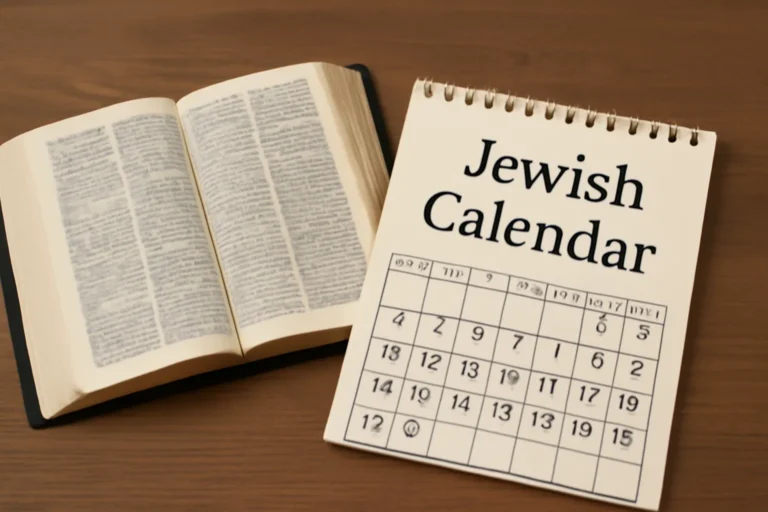
The biblical calendar centers on a combination of agricultural cycles and divine appointments.
The notable seasons are fixed by dates in the lunar year, and many of the feasts occur at pivotal moments
when God delivered, provided, or revealed Himself to His people. The purpose of these festivals is not
only to remember historical events but also to shape communal identity, teach spiritual truths, and
reinforce hope for future fulfillment.
While the ancient Israelite calendar was anchored in the land and its produce, the theological
dimensions extend beyond agriculture. The festivals often embody themes such as redemption, sanctification, pilgrimage, remembrance, and worship.
The phrase “the feasts of the Lord” is used in the biblical text to emphasize that these times
belong to God and are designed to shape how His people relate to Him and to one another.
The Major Biblical Festivals
Passover (Pesach): The Festival of Liberation
Passover is often considered the eldest and most central of the biblical festivals. It commemorates
the night when the Israelites, under the leadership of Moses, were freed from slavery in Egypt. The
core elements include the Paschal lamb, the afikomen, bitter herbs,
and a Seder meal that tells the story of redemption. Its symbolism points forward to the
ultimate sacrifice and the theme of deliverance by blood.
Key features in the biblical narrative:
Protection through the blood of the lamb on the doorposts (Exodus 12).
Eating unleavened bread as a sign of haste and purification (Exodus 12).
A night of vigil and the command to remember the day of release (Exodus 12).
In Christian interpretation, Passover gains a Christological dimension, with Jesus described as
the Lamb of God whose sacrifice is believed to fulfill the typology of the Passover
lamb. For many families, observing Passover remains a powerful way to connect ancient history with
personal faith and Christ-centered reflection.
Unleavened Bread (Chag HaMatzot): The Festival of Purity
Immediately following Passover is the Feast of Unleavened Bread, a seven-day period
dedicated to purity and remembrance. The removal of leaven from the home became a tangible discipline
reminding people of emancipation and moral cleanliness. The first day and the seventh day were especially
significant, serving as set-apart times for worship and rest.
The symbolism emphasizes humble dependence on God during times of transition. In many Jewish
communities, the process of cleansing the home becomes a family activity, reinforcing the connection
between ritual behavior and spiritual focus.
Firstfruits (Bikkurim): The Festival of New Produce
The early harvests were celebrated with the offering of the firstfruits, a recognition that all
provision comes from God. This festival connects to gratitude, provision, and the anticipation of
subsequent harvests. It also foreshadows the concept of resurrection and new life in a broader
theological frame.
Throughout history, the firstfruits have been seen as a tangible expression of thanks and trust in
God’s continued care. In some Christian traditions, this festival is linked to themes of
spiritual firstfruits—the earliest offerings of one’s life in service to God.
Weeks (Shavuot): The Festival of Weeks and Covenant
Shavuot, also known as Pentecost in the Greek tradition, occurs fifty days after
Firstfruits. It marks the completion of the harvest season and, in the biblical narrative, the giving
of the Torah at Mount Sinai. The festival emphasizes moments of divine revelation, covenant renewal,
and the community’s dependence on God’s instructions.
In Christian contexts, Shavuot is often associated with the coming of the Holy Spirit and the
empowerment of the early church for mission. The concept of receiving guidance, law, and empowerment
resonates across both Jewish and Christian streams, making Weeks a bridge between Old Testament and
New Testament thought.
Trumpets (Yom Teruah): The Festival of Remembrance and Bell-Ringing
Trumpets marks the beginning of the civil new year in the biblical calendar and is
associated with awakening, preparation, and the call to repentance. The sound of the shofar, a
ram’s horn, serves as a dramatic symbol inviting people to pause, reflect, and listen for divine
guidance.
The symbolism of Trumpets often extends to eschatological expectations—an anticipation of future
judgment or deliverance. The day invites a posture of humility before God and a readiness to align
one’s life with His purposes.
Atonement (Yom Kippur): The Day of Atonement
Yom Kippur stands as the holiest day in the biblical year for the people of Israel.
It centers on repentance, confession, and atonement. In ancient practice, the High Priest carried the
blood of sacrifice into the Most Holy Place, seeking reconciliation with God for the nation.
The themes of this fast day include cleansing, humility, and moral change. The fasting, prayer, and
introspection associated with Yom Kippur have influenced later devotional practices in both Jewish
and Christian communities, encouraging believers to examine heart and conduct before God.
Tabernacles (Sukkot): The Festival of Booths
Sukkot commemorates the Israelites’ journey in the wilderness and their reliance on
God’s care during that period. The ritual practice involves dwelling in temporary shelters (booths or
tents) and gathering harvest produce. Sukkot is a season of rejoicing, hospitality, and gratitude
for God’s protection.
Symbolically, the booths remind participants that life is transient and that trust in God provides
shelter during uncertain times. In many communities, Sukkot becomes a time for feasts, family
gatherings, and charitable acts, extending the festival’s themes into everyday life.
Other Important Themes in the Festival Cycle
Beyond the seven cardinal feasts, biblical scholars often highlight related themes that weave through
the festival calendar. These threads help readers understand how the biblical festivals function as a
coherent whole:
Redemption narrative: Many festivals reenact or symbolize God’s rescue and liberation.
Harvest theology: The agricultural calendar ties worship to the land and God’s provision.
Holiness and sanctification: Time-bound observances invite a life that increasingly reflects
God’s character.
Community and pilgrimage: Festivals were times when people would travel to a central
holy site and engage in communal worship.
Remembrance and proclamation: Remembering past acts of deliverance served as a
catalyst for faith in the present and hope for the future.
Prophetic foreshadowing: The festivals often point toward future fulfillment in the biblical
storyline, a pattern that readers may interpret through in-depth study and reflection.
Observance Across Time: From Ancient Practice to Modern Application
In ancient Israel, these celebrations were tied to a sacrificial system in the Temple,
with regulated offerings, itinerant pilgrimage, and precise liturgical procedures. After the destructions
and changes in the early centuries, Jewish communities adapted these practices to fit new circumstances. In
the diaspora, families and synagogues maintained the sense of sacred time through Scripture reading, prayers,
meals, and distinctive rituals.
In Christian traditions, some of these festivals were absorbed into church calendars, while
others took on new meaning in light of the life of Jesus. For example, Passover gains significance in some
Christian communities as a reminder of salvation through Christ’s sacrifice, while Pentecost (Shavuot) is
observed as the birthday of the church in many traditions due to the Spirit’s outpouring described in Acts 2.
The interplay between the biblical festivals and the Christian calendar has varied across denominations,
yet the shared impulse remains: to orient life around divine acts, promises, and the hope of renewal.
How to Study and Practice the Biblical Festivals Today
For readers who want to engage with the festivals in a way that is meaningful and manageable, here is a
practical framework. It emphasizes learning, participation, and reflection without requiring an all-or-nothing
approach.
Choose a festival to begin with. Start with Passover or Pentecost, whichever is most resonant
for you or your community. Learn its biblical origins, key symbols, and suggested modern practices.
Study the scriptures. Read Leviticus 23, Exodus 12, Deuteronomy 16, and related passages.
Explore how the festival is described, commanded, and celebrated in different biblical books.
Find a template for observance. Use a family-friendly Seder for Passover, a Sukkah
practice for Sukkot, or a day of fasting and prayer for Yom Kippur to connect with the festival’s themes.
Create a calendar plan. Look up the dates in the Gregorian calendar for the current year and
plan simple rituals, readings, meals, and acts of service that honor the festival’s meaning.
Involve the community. Invite neighbors, friends, or family to participate. Festivals can be
moments of hospitality, learning, and shared worship that broaden the circle beyond your household.
Reflect on the theological themes. After each celebration, journal or discuss what redemption,
covenant, or dependence on God looks like in your life today.
Practical Guides for Specific Feasts
If you want concrete steps, here are starter ideas for several major biblical feasts. These outlines are
adaptable for individual study, family practice, or congregational programs.
Passover: A Home-Centered Experience
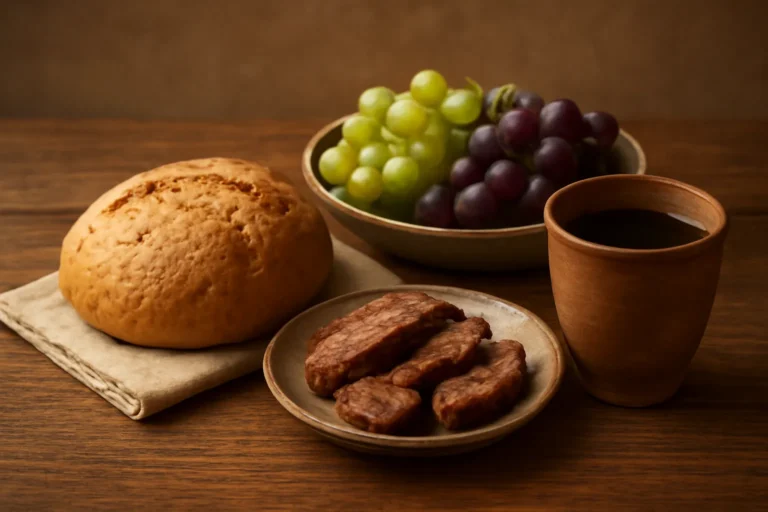
Prepare a Seder plate with symbolic foods: bitter herbs, charoset, a roasted lamb or alternative
protein, and matzah to recall the Exodus story.
Read the Passover narrative from Exodus 12 and highlight the themes of deliverance
and blood protection.
Involve children in the storytelling and perform a simple ritual meal together to emphasize faith
across generations.
Shavuot: Studying and Celebrating Covenant and Revelation
Mark the day with study—choose readings about the giving of the Torah or the Holy Spirit’s coming.
Share dairy foods and explore symbolic meanings—some traditions connect dairy with the sweetness of
God’s words and the abundance of divine provision.
Offer space for prayers of gratitude for guidance and wisdom in daily living.
Yom Kippur and Sukkot: Reflection and Rejoicing
For Yom Kippur, engage in confession, personal inventory, and acts of mercy. Consider a day of fasting
or a structured time of prayer and repentance.
For Sukkot, build a temporary shelter, share meals in the outdoor space, and practice hospitality to
demonstrate trust in God’s protection and provision.
Common Questions and Clarifications
Readers often ask about intersections between ancient festival practices and modern faith life. Here are
concise responses to a few frequent inquiries:
Are these feasts still mandatory for Christians? The biblical commands in Leviticus
23 pertain to the ancient Israelite system. Some Christian traditions view these festivals as templates
or foreshadowings that illuminate Christ and the church, while others observe them in a way that honors
their historical memory.
Can non-Jewish communities observe these festivals? Yes. Many Christian families, Messianic
communities, and interfaith groups mark the feasts to learn from the biblical narrative, reflect on
spiritual themes, and cultivate hospitality and gratitude.
What is the difference between a biblical festival and a modern holiday? Biblical
festivals are rooted in divine revelation and biblical calendar, with defined rituals and themes. Modern
holidays may focus on secular remembrance or cultural customs but may not carry the same scriptural
framework.
How can a small group participate? Start with one festival, create a simple program with
readings, songs, shared meals, and a discussion on how the festival’s themes apply to life today.
For families and individuals who want to integrate the biblical festival cycle into daily life, a steady,
meaningful rhythm can be built around a few guiding practices:
Learning together: Choose a festival at a time and study its biblical basis, historical context,
and modern relevance as a unit—this fosters shared understanding and curiosity.
Seasonal hospitality: Use festival occasions as opportunities to welcome guests, neighbors,
or friends who might not share the same faith background. Hospitality makes the feasts tangible and relational.
Family devotion: Adapt the rituals to suit different ages and capabilities. Short readings,
music, crafts, or storytelling can make the experience accessible and memorable for children.
Journaling and reflection: Keep a simple journal of what each festival teaches about God, the
community, and personal growth. Revisit past entries to notice spiritual movement over time.
Prayer focus: Use a dedicated prayer focus for each festival—redemption, gratitude, confession,
and intercession—so the practice becomes a discipline rather than mere observance.
The biblical festival cycle invites readers to contemplate several enduring theological themes:
God’s initiative in history: The festivals recount how God acts in time to deliver and shape a people.
Participation in holiness: Time-bound observances cultivate a distinct way of living that mirrors
divine character.
Hopeful anticipation: The prophetic dimension of these celebrations points toward future
promises and ultimate fulfillment in God’s plan for creation.
Identity and mission: By remembering and proclaiming the redemptive work of God, communities
are formed with a shared purpose and a call to witness to others.
The study of biblical festivals is not merely a historical exercise; it is an invitation to
reimagine the way time is spent, how community life is organized, and how faith is practiced in everyday
moments. While the details of each festival vary across traditions and generations, the underlying
commitments—remembrance, redemption, gratitude, and trust—remain central. For scholars, worship leaders,
and lay readers alike, these seasons offer a frame through which to explore the depths of Scripture,
the continuity between the Testaments, and the real-life implications of living as a people shaped by
divine revelation.
Whether you approach the festivals as a Jewish observer, a Christian believer, or a curious learner from
another faith background, engaging with these sacred times can deepen your understanding of God’s
purposes in history and in your own life. The ancient rhythms of the feasts invite modern readers to
participate in a timeless conversation about freedom, identity, and hope.
The study of biblical festivals—often called the feasts of the Lord—offers a window into how ancient Israel understood time, memory, worship, and hope. These sacred occasions were not merely annual calendar events; they gathered communities, oriented daily life around God’s salvation narrative, and created a rhythm of faith that bridged past deliverances with future promises….
Overview: What is the Bible Jewish Calendar? The bible-based calendar or biblical calendar refers to the way people in the ancient Israelite and Judahite communities tracked time for daily life, agricultural rhythms, and sacred observances. This bible calendar or Hebrew calendar has deep roots in lunar cycles, seasonal needs, and religious pilgrimage timeframes. In its…
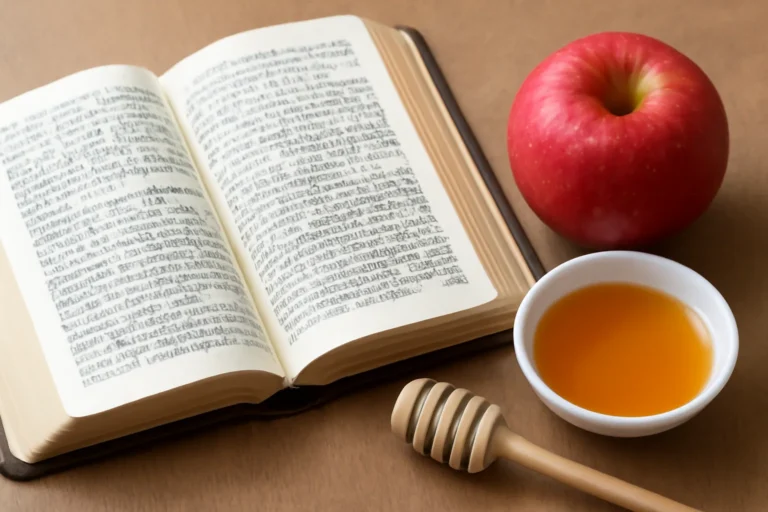
Rosh Hashanah, the Jewish New Year, invites believers to pause, listen, and turn toward God with reverent longing. Scripture provides a wellspring of reminders about repentance, remembrance, renewal, and hope as the year begins. This article gathers bible scriptures for Rosh Hashanah from across the biblical spectrum, offering top verses for reflection and practical ideas…
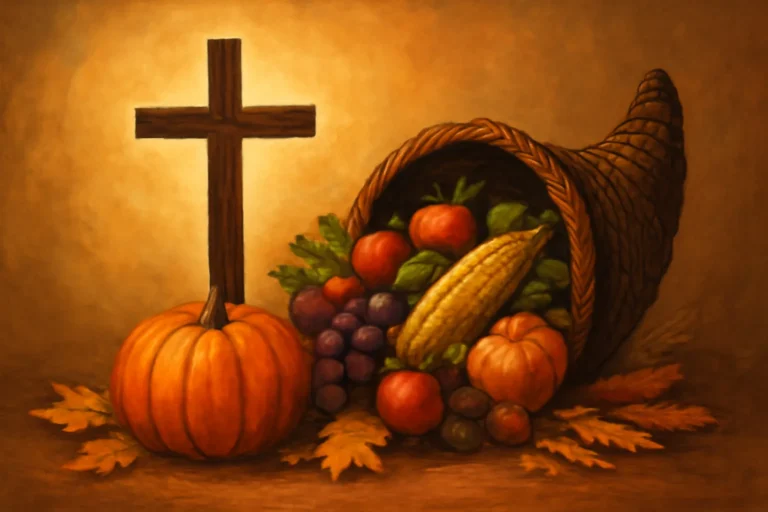
Christian Thanksgiving: Meaning, History, and Celebration Across centuries and cultures, Christian thanksgiving has been a shaping force in how communities respond to the gifts of life, faith, and salvation. While the phrase may evoke images of autumn feasts in North America, the broader idea runs far deeper: gratitude to God for creation, redemption, and daily…