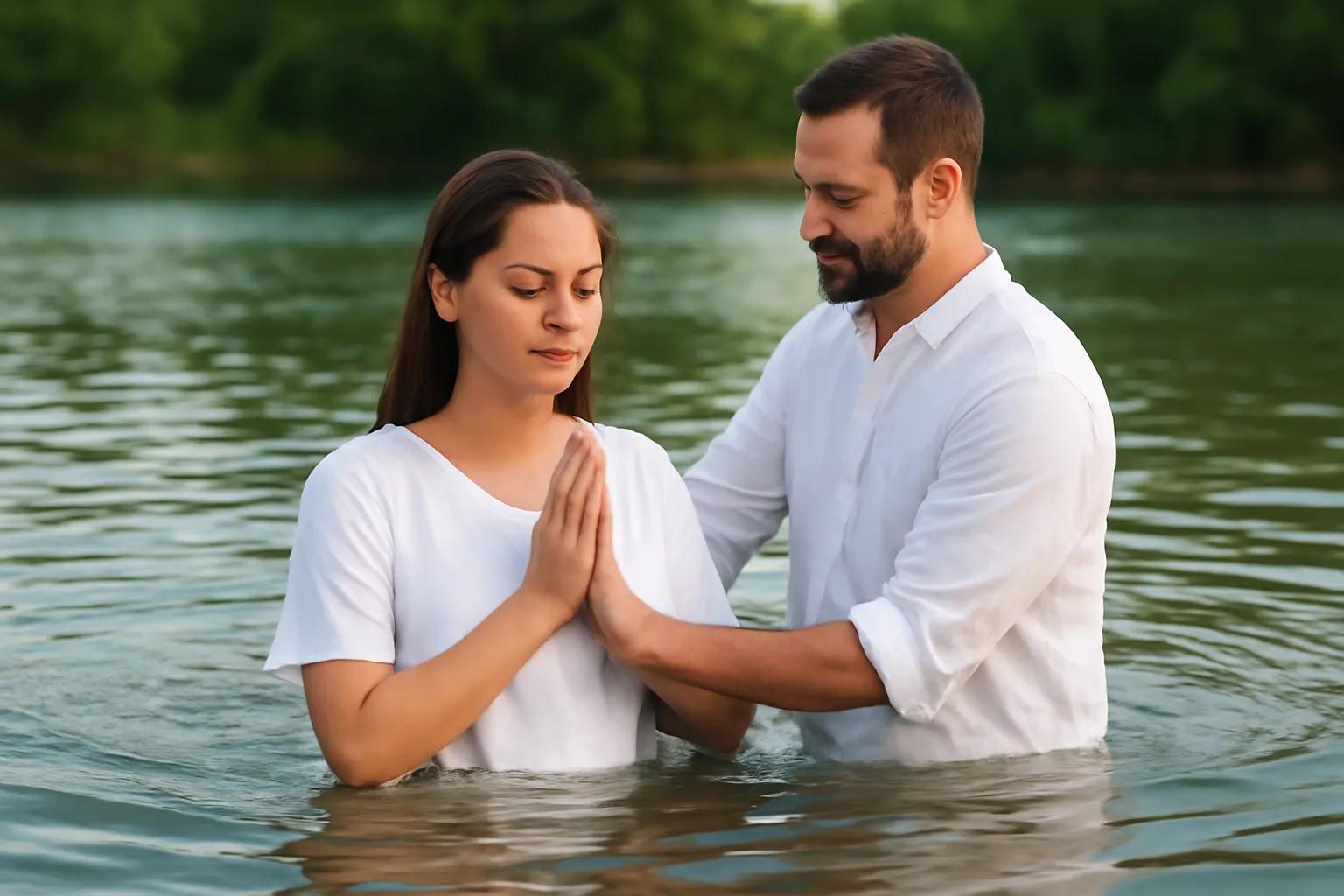
Baptism has been a defining practice in Christian faith since the earliest followers of Jesus. Known by many names and expressed in a variety of forms, this rite—often called Christian water baptism, baptism in Christ, or simply baptism—serves as a public declaration of faith, a sign of spiritual cleansing, and a profound symbol of belonging to the community of believers. This article surveys what Christian water baptism means, how it is understood across traditions, the beliefs that accompany it, and the practical steps involved in the rite. It also explores historical roots, biblical foundations, and the diverse ways churches practice baptism today.
At its core, Christian water baptism is a rite that marks a transition from life lived apart from God to life lived in Christ. It is typically associated with faith in Jesus Christ and repentance from sin, and it is usually performed with water by an authorized minister or church delegation. While the specifics can differ among denominations, the essential elements tend to be consistent: water, the invocation of God, a public profession of faith, and a designation of the person as a disciple within the Christian community.
The practice is often described as both a symbolic action and a means of grace, depending on the tradition. In some churches, baptism is viewed as an outward sign of an inward transformation—an expression of inward faith and new birth. In others, baptism is regarded as a sacrament that conveys grace through God’s action. In still others, it is an ordinance—a commanded ritual that bears witness to faith without imparting grace apart from faith. Regardless of terminology, most Christian traditions see baptism as deeply meaningful for the believer and for the church as a whole.
Throughout this article you will encounter several variations on the theme of baptismal practice, including phrases like immersion baptism, affusion (pouring water), and sprinkling. You will also see terms such as infant baptism and believer’s baptism, which reflect different theological emphases about when a person should be baptized and what is required for baptism to be valid.
Historical and Biblical Background
New Testament Basis
The New Testament provides the earliest biblical account of baptism and several foundational principles that shape Christian understanding today. Two of the most cited biblical passages are:
Matthew 28:19 (the Great Commission): Jesus commands his followers to go and make disciples, baptizing them “in the name of the Father and of the Son and of the Holy Spirit.” This Trinitarian formula has shaped many churches’ baptismal liturgies and has influenced the theological framing of baptism as a communicative act within the faith community.
Acts 2:38 and related apostolic passages: Early Christians linked baptism with repentance, forgiveness of sins, and reception of the Holy Spirit. This has contributed to the understanding that baptism is connected to faith in Christ, public confession, and entry into the church.
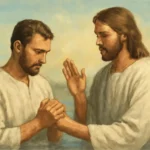
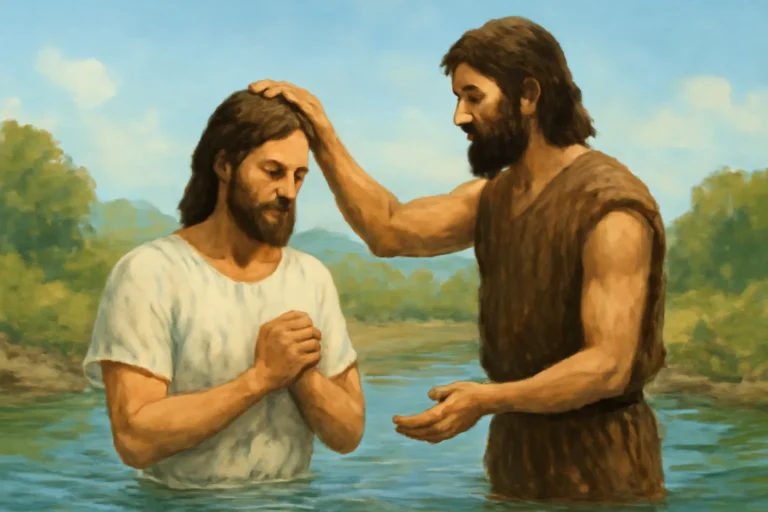
In addition to these key texts, the baptism of Jesus himself—recorded in the Gospels—serves as a model for baptismal practice and a sign of belonging to God’s mission. Jesus’ baptism by John is often interpreted as an inauguration of his public ministry, a demonstration of righteousness, and an example for believers to follow in faith and obedience.
The language used for baptism in the New Testament consistently emphasizes faith, repentance, and identification with Christ. The imagery is rich: washing from sin, burial with Christ, and rising to new life. These motifs continue to inform Christian understandings of what baptism signifies for an individual and for the community that receives them as a member.
Early Church Practice
In the earliest centuries of Christianity, baptism was integrated into a broader catechetical formation—often tied to a confession of faith or proclamation by a catechumen. Christians prepared for baptism through instruction, prayer, and sometimes a period of fasting. Immersion in living water or in a pool or river was common in many contexts, reflecting the symbolic death and resurrection that baptism embodies.
Over time, churches began to articulate broader theological frameworks about baptism as a rite that connected the believer to the life of the church and to the gift of the Holy Spirit. In some regions, infant baptism emerged as a practice rooted in the belief that baptism initiated the infant into the covenant community and a family of faith, while other communities preserved a strong emphasis on adult or believing baptism—baptism after a personal profession of faith. The diversity of early practice laid the groundwork for the rich variety of baptismal customs that exist in Christian traditions today.
While there is substantial diversity among Christian communities concerning the theology and practice of baptism, there are several common threads that constitute the core beliefs about Christian water baptism today:
Identification with Christ: Baptism publicly identifies a person with Jesus Christ’s life, death, and resurrection. It is a visible sign that the believer has died to sin and has begun new life in Christ.
Faith and repentance: Most traditions require a personal faith in Christ coupled with repentance for sin as a prerequisite for baptism. The baptismal act is therefore linked to an inward change and outward confession.
Public profession: Baptism is typically a public act within the community of faith. It testifies to the believer’s new allegiance and invites others to witness and support the new life in Christ.
Water as a symbol: Water represents cleansing from sin, renewal, and spiritual purification. It also points to Jesus as the living water who grants eternal life.
Trinitarian or Christ-centered formula: The wording of the baptismic invocation varies—many churches use the Trinitarian formula from Matthew 28:19, while others emphasize baptism in the name of Jesus. The chosen formula often reflects a church’s theological emphasis and tradition.
Mode matters for some: The question of how water baptism is administered—by immersion, pouring (affusion), or sprinkling—has been a key matter of theological and ecclesial distinction. For many traditions, immersion carries the strongest symbolic resonance of death and resurrection, while others emphasize the appropriateness and sufficiency of other modes.
Grace and faith: Across traditions, baptism is not seen as earning salvation on its own; rather, it is an expression of God’s grace received through faith. In some theologies, baptism accompanies or conveys grace; in others, it remains a sacred response to grace already received through faith in Christ.
Church membership and mission: Baptism often establishes or recognizes a person’s formal membership in a local church, linking the individual to a community of accountability, worship, service, and shared mission.
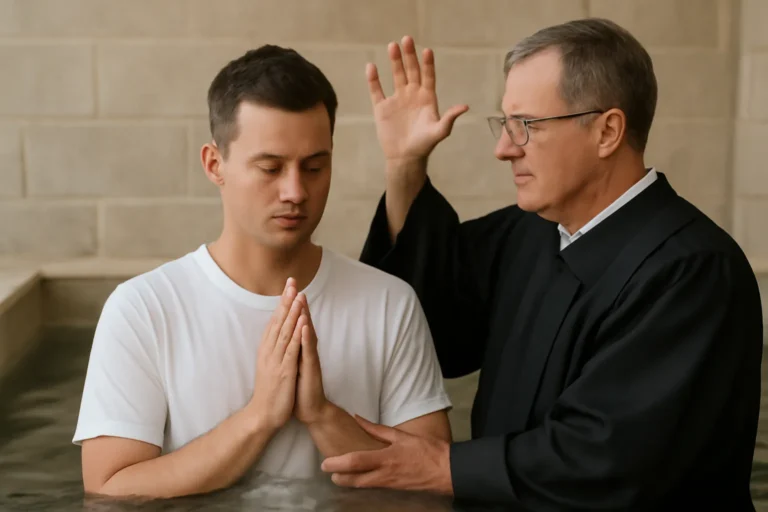
Immersion baptism is a practice in which the person being baptized is fully submerged in water or partially submerged and then lifted out. It is commonly associated with believer’s baptism—the belief that baptism should follow a conscious profession of faith. Proponents argue that immersion best conveys the biblical imagery of burial with Christ in death and rising to new life, mirroring Jesus’ own death, burial, and resurrection.
Regions and traditions that emphasize immersion often use a baptized individual’s full-body submersion in a font, baptismal pool, river, or other body of water. This mode is especially prominent in many evangelical and Baptist communities, where the act is viewed as a voluntary response to personal faith and a public testimony to the surrounding community.
Affusion and Sprinkling
Affusion (pouring water over the head) and sprinkling are other valid modes of baptism within many traditions—especially where immersion is impractical due to climate, health concerns, or historical practice. These modes still symbolically represent cleansing and new life while aligning with the theological conviction that baptism is the inward reality expressed outwardly.
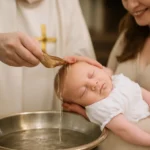
Some denominations that practice infant baptism historically favor affusion or sprinkling, often within a liturgical framework that treats baptism as a sacramental entry into the covenant community. In other contexts, homes, hospitals, or temporary facilities may be used to perform baptism when accessibility to a large baptismal pool is limited.
Sprinkling, Pouring, and Other Contexts
It is important to recognize that the meaning of baptism does not lie solely in the physical method but in the theological understanding and community which receives the person. The choice of mode can reflect doctrinal emphases about the nature of the church, the meaning of grace, and the relationship between baptism and salvation.
Infant baptism is practiced by several denominations—most notably Roman Catholic, Eastern Orthodox, Anglican/Episcopal, and some Lutherans and methodists. In these traditions, baptism is often viewed as the entry point into the covenant community and as the means by which God’s grace is made available to the child. Sponsorship by Godparents, the use of water, and the preservation of a liturgical rite are typical features of infant baptism.
Supporters of infant baptism often cite passages that emphasize household faith, covenantal language, and the inclusion of believers of all ages in the family and church. They may also point to patterns in the Old Covenant, where infants were included in the covenant community, and argue that baptismed children are being brought into the spiritual life of the church with the expectation that faith will mature as they grow.
Believer’s Baptism
Believer’s baptism places emphasis on the individual’s personal decision to place faith in Jesus Christ. It is commonly associated with the practice of baptism after a conscious profession of faith—often by immersion. The symbolism reflects the believer’s personal repentance, faith in Christ, and desire to identify with his death and resurrection.
Churches that practice believer’s baptism generally insist on a credible profession of faith and a personal baptism account, often with a brief testimony. This perspective highlights the voluntary dimension of baptism and views it as an outward sign of an inward decision.
The Steps of Christian Water Baptism
Although the particulars can vary by tradition, the process of Christian water baptism typically follows a series of steps designed to prepare the candidate, enact the rite, and integrate the new believer into the church family. Here is a comprehensive overview of common stages:
Pre-baptism instruction and discernment: Prospective candidates receive teaching about the gospel, the meaning of baptism, and the responsibilities of following Christ. This may include a period of catechesis, discipleship meetings, or a confirmation class.
Confession of faith: The candidate publicly declares belief in Jesus Christ as Lord and Savior and expresses repentance from sin. This profession of faith is central to the baptismal act in many traditions.
Preparation and eligibility: Depending on tradition, there may be eligibility requirements (such as baptism candidacy for infants or the readiness of a believer to make a public confession). In infant baptism, the language centers on the covenant family; in believer’s baptism, the emphasis is on personal faith.
Preparation of the baptismal waters: The venue is prepared with appropriate water, and the baptismal team ensures all participants understand the rite’s structure. In many churches, the baptismal pool is blessed, and liturgical elements are arranged (hymns, prayers, and scripture readings).
Renunciation of sin and affirmation of faith: The candidate or sponsor publicly renounces evil and affirms faith in Christ, often accompanied by prayer and scripture reading.
The baptism itself: The actual act of baptism—whether by immersion, pouring, or sprinkling—takes place. The minister pronounces a baptismal formula, such as “I baptize you in the name of the Father, and of the Son, and of the Holy Spirit,” or a variant used by the church. This moment signifies the individual’s participation in Christ’s death and resurrection.
Post-baptism ritual and welcome: The newly baptized person is welcomed into the church family, receives a baptismal candle or a white garment in some traditions, and may share in a rite of fellowship, a warm greeting, or a public exhortation from the community.
Discipleship and ongoing faith formation: Post-baptism, new believers often join ongoing discipleship pathways—Bible study, theology classes, service opportunities, and participation in worship and sacraments.
Note that some denominations, such as Baptist communities, emphasize believer’s baptism by immersion as the normative practice and may require a personal testimony before the baptism is performed. Other traditions emphasize infant baptism with a subsequent confirmation for the individual at a later age. The exact sequence and the rhetorical formulas used can vary, but the underlying purpose remains shared: to mark entrance into the Christian faith and to declare allegiance to Christ before the church.
The Significance and Symbolism of Baptism
Death, Burial, and Resurrection
A central Christian interpretation of baptism is its symbolic portrayal of Christ’s death, burial, and resurrection. The argument goes that as a person is immersed in water and then raised, they participate in the believer’s identification with Jesus’ death to sin and his new life. This imagery powerfully communicates the transformation that occurs when a person places faith in Christ and leaves behind the old way of living.
Water baptism also symbolizes cleansing from sin and spiritual renewal. This symbolic washing reflects a cleansing of conscience and a turning toward God’s holiness. While some traditions understand cleansing as primarily spiritual, others speak of it in terms of divine grace accompanying faith.
Identification with the Church
Baptism is also a public oath of allegiance to Christ and to the church. It signifies inclusion in the body of Christ—the community of believers—and a commitment to live in mutual accountability, worship, and service with fellow disciples.
New Life and Mission
Receiving baptism often marks the start of a new life oriented toward God’s mission in the world. It invites believers into a life of discipleship, ongoing sanctification, and participation in the church’s mission to love God and neighbor.
The Baptismal Rite and Church Practice
Elements Common to Many Traditions
Water as the essential symbol—whether in a font, a Baptismal pool, a river, or a basin—signifies cleansing and life.
Invocation or formula—the words spoken during baptism, commonly the Trinitarian formula, sometimes a variant that emphasizes the name of Jesus or a particular theological emphasis of the tradition.
Public confession of faith—a verbal declaration of belief, repentance, and commitment to follow Christ.
Public witness—a communal moment in which the church bears witness to the baptism and supports the new believer.
Sponsor or godparent role (in infant baptism)—in some traditions, sponsors promise to support the child’s faith development and spiritual upbringing.
Symbols and rites of welcome—for example, the presentation of a white garment, a baptismal candle, or a small certificate of baptism in some traditions.
Variations Across Denominations
Catholic and Orthodox: Baptism is typically regarded as a sacrament that confers grace. Infants are commonly baptized, and chrism oil (anointing) may accompany the rite. The rite often takes place within a liturgical service and includes prayers, readings, and the immersion or pouring of water.
Anglican and Episcopal: Baptism is both sacramental and ecclesial—receiving someone into the church while emphasizing faith and commitment. Infants are commonly baptized, and the rite is often part of a larger liturgy with godparents and a renewal of baptismal promises.
Lutheran: Baptism is a means of grace and a public sign of faith. It can be administered to infants or adults and is typically accompanied by the Word and the sign of the cross, and often the use of water and a formula invoking the Trinity.
Reformed and Presbyterian: Baptism is seen as a covenant sign. While infant baptism is common, some congregations practice believer’s baptism—emphasizing personal faith and the necessity of a conscious decision to follow Christ.
Baptist and many Anabaptist churches: Emphasize believer’s baptism by immersion as an intentional act following personal faith. They often regard baptism as an ordinance rather than a sacrament and stress the local church’s authority to administer it.
Churches of Christ and non-denominational groups: Often teach believer’s baptism by immersion, with a strong emphasis on personal faith and a straightforward baptismal rite that is centered on the proclamation of the gospel.
The relationship between baptism and salvation is a central topic in Christian theology and differs among traditions:
In many sacramental traditions, baptism is considered a means by which grace is conferred and a necessary step initiated by God’s action in the life of the believer, especially within infant baptism contexts.
In many evangelical and Baptist frameworks, baptism is an outward declaration of an inward faith that has already taken place; salvation is by grace through faith in Christ, and baptism testifies to that faith.
Some traditions maintain a view that baptism plays an essential role in the believer’s salvation, while others stress that salvation is by faith alone; baptism nonetheless remains a central, transformative rite in the life of a believer and in the church’s mission.
Across the spectrum, it is common to affirm that baptism is not a magic ritual that guarantees entrance into heaven apart from faith; rather, it is a divinely instituted response to faith—one that expresses allegiance to Christ and signals a life that is being transformed by grace.
Common Misunderstandings about Christian Water Baptism
“Baptism saves” in the sense that water alone cleanses or earns God’s favor apart from faith. Most traditions teach that baptism is meaningful because it is attached to faith in Christ and the work of the Holy Spirit.
“Unbaptized people cannot be saved”: This misunderstanding is sometimes debated, especially in traditions that hold baptism as essential for salvation. The nuance is varied by tradition and should be understood in light of ecclesial teaching and scripture.
“Baptism replaces personal faith”: Baptism is not a substitute for faith; rather, it is a public confession of faith and identification with Christ that accompanies faith.
“Only one mode is valid”: While immersion is preferred in some communities, many churches recognize affusion or sprinkling as valid expressions of baptism for practical or theological reasons.
Frequently Asked Questions (FAQ)
Who can be baptized? The answer depends on tradition. Some churches baptize infants, others require a personal profession of faith, and many require baptism after an individual has heard and understood the gospel and decided to follow Jesus.
What is the best mode of baptism? The “best” mode is determined by theological interpretation and church tradition. Immersion is common in evangelical circles, while affusion and sprinkling are used in many mainline and historic churches. The important aspect is the meaning and the community’s fidelity to the gospel.
What formula is used? Many churches follow the Trinitarian formula from Matthew 28:19, while others emphasize baptism in the name of Jesus or a Christ-centered invocation. The form used typically reflects the church’s doctrinal stance.
Is baptism a one-time event or a recurring ritual? Baptism is generally a one-time event for each believer; however, some churches practice reaffirmation of baptismal vows in special services or during corporate renewal moments.
Contemporary Relevance and Ecumenical Perspectives
In today’s Christian landscape, baptism remains a unifying and sometimes divisive practice, depending on context. Across traditions, baptism is a shared language of belonging to Christ and to a community of faith. Many churches engage in ecumenical dialogue to explore how baptismal understandings intersect, while still honoring legitimate differences that arise from history, culture, and theology.
The conversation about modern baptismal practice touches on issues such as:
How baptism relates to church membership and the life of discipleship within a local community.
What constitutes credible faith and how a believer demonstrates it before baptism.
How to enact baptism in culturally diverse contexts—urban centers, rural parishes, and missionary settings alike.
How baptism can serve as a witness to the gospel in a world increasingly skeptical about religious rituals.
The Ongoing Significance of Baptism in the Christian Life
Whether described as Christian water baptism, baptism in the Spirit and water, or merely as baptism, the rite remains a central moment in the life of a Christian and in the life of the church. It signals entry into the Christian community, celebrates new life in Christ, and invites believers to join in the mission of God in the world. The diversity of practice across traditions reflects a shared conviction that this ancient rite still speaks powerfully to the present: it testifies that God initiates a work of grace, that a person’s response of faith matters, and that a community of believers accompanies the new disciple on the journey of following Jesus.
If you are exploring baptism for yourself or for your family, consider talking with a pastor or church leader in your tradition to understand how baptism is approached, what the churches teach about grace and faith, and how a candidate is prepared for baptism. Reading the biblical accounts, reflecting on the meaning of the rite, and praying with members of your faith community can help illuminate how baptismal practice intersects with your personal journey of faith.
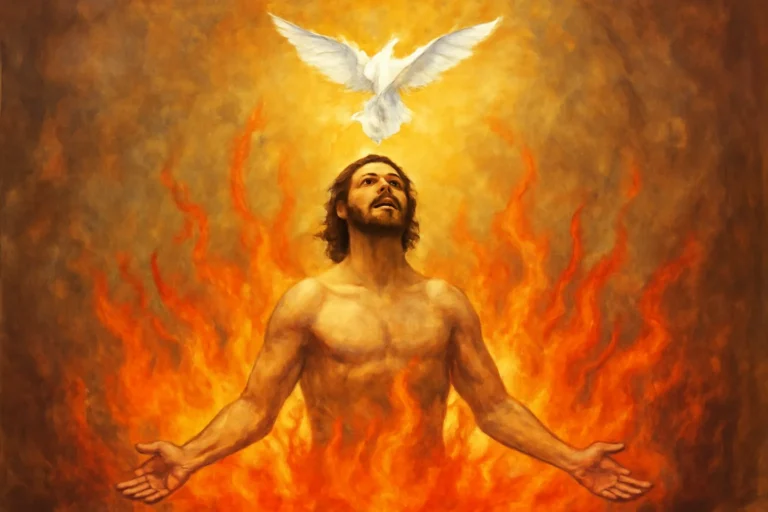
The phrase Baptized by the Holy Spirit and fire has captivated Christians for generations. It sits at the intersection of God’s empowering presence, personal renewal, and missionary zeal. This article seeks to explain what the expression means, how it is seen across Scripture, and what it might mean for a person’s faith today. Whether you…
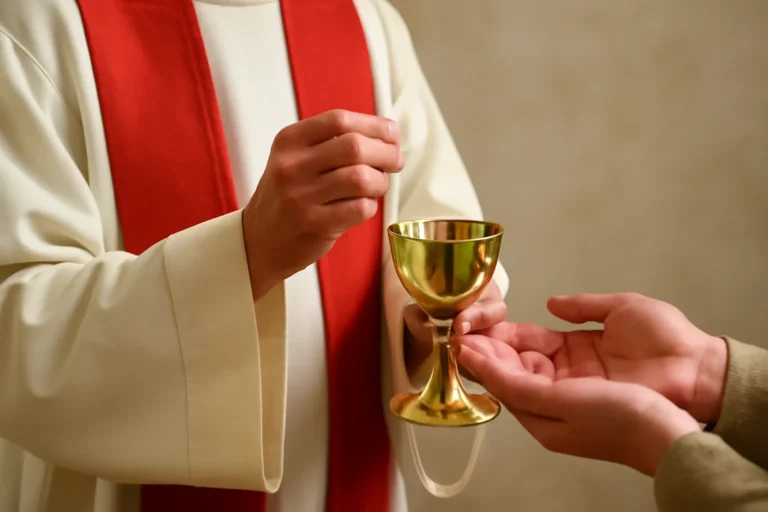
Meaning of the Christian Sacrament The word sacrament refers to a sacred sign or holy rite that conveys divine grace. In Christian usage, a sacrament is more than a ceremony or ritual; it is a tangible action that Jesus Christ instituted to communicate realities beyond the visible world. Across traditions, the expression the sacrament or…
Free Baptism: How to Find No-Cost Baptism Services Near You is a guide for people who want to explore baptism without financial barriers. Baptism is a meaningful step in many faith journeys, and for some individuals and families, finding a no-cost or free-of-charge option is essential. This article explains what “free baptism” can mean in…
What It Means to be Baptized Into Christ The phrase Baptism Into Christ captures a central idea in Christian faith: when a person submits to the rite of baptism, they are entering into a living, personal identification with the life, death, and resurrection of Jesus. This is not merely a ceremonial action; it is a…
Born Again Christian Baptism is a practice with deep spiritual meaning for many followers of Jesus. It is often described as a public response to the experience of being “born again” in Christ, a transformative moment of faith that leads to baptism as a visible sign of inward renewal. In this article, we explore the…
Introduction to Christian Baptism Meaning The topic of Christian baptism meaning touches the heart of how believers interpret the life, death, and resurrection of Jesus Christ. Across centuries and cultures, baptism has stood as a powerful public expression of faith, a ritual that unites individuals with the life of the church, and a theological act…