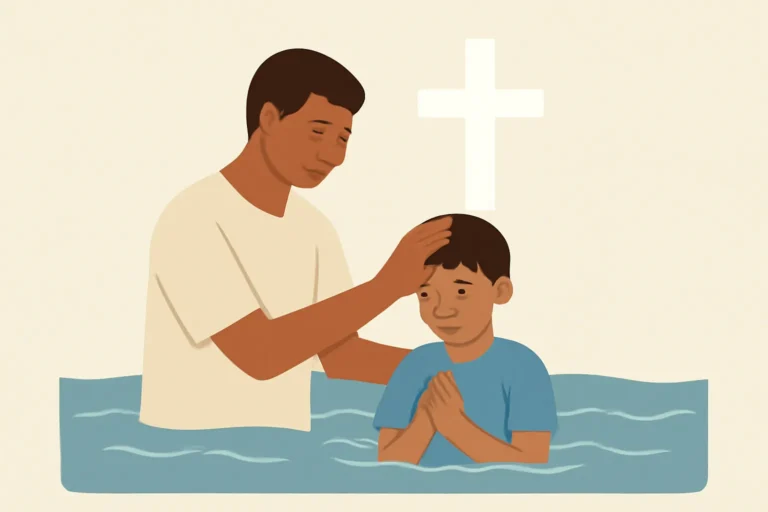
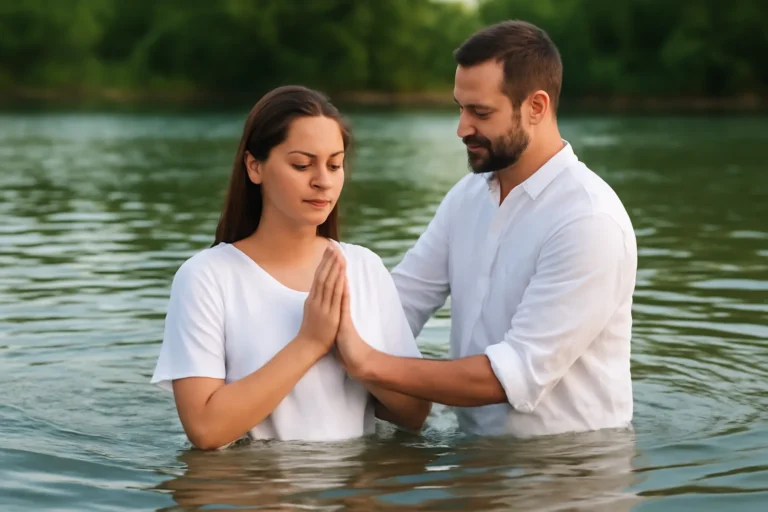
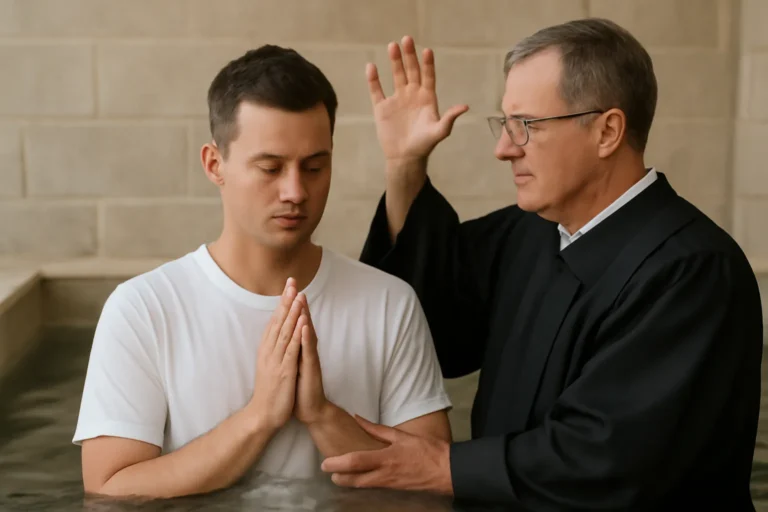
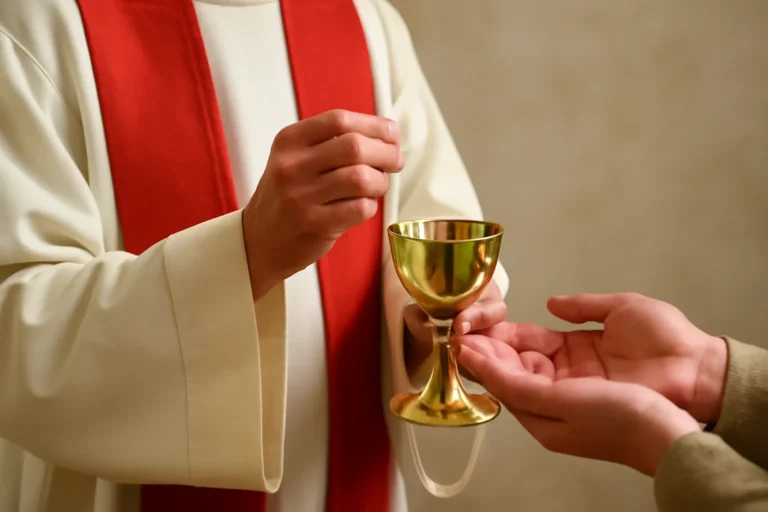
Free Baptism: How to Find No-Cost Baptism Services Near You is a guide for people who want to explore baptism without financial barriers. Baptism is a meaningful step in many faith journeys, and for some individuals and families, finding a no-cost or free-of-charge option is essential. This article explains what “free baptism” can mean in practice, where to look, what to ask, and how to evaluate programs so you can participate with confidence and clarity. Throughout this article, key ideas are highlighted in bold to help you quickly identify practical steps and important considerations.
Understanding the concept: what does free baptism mean?
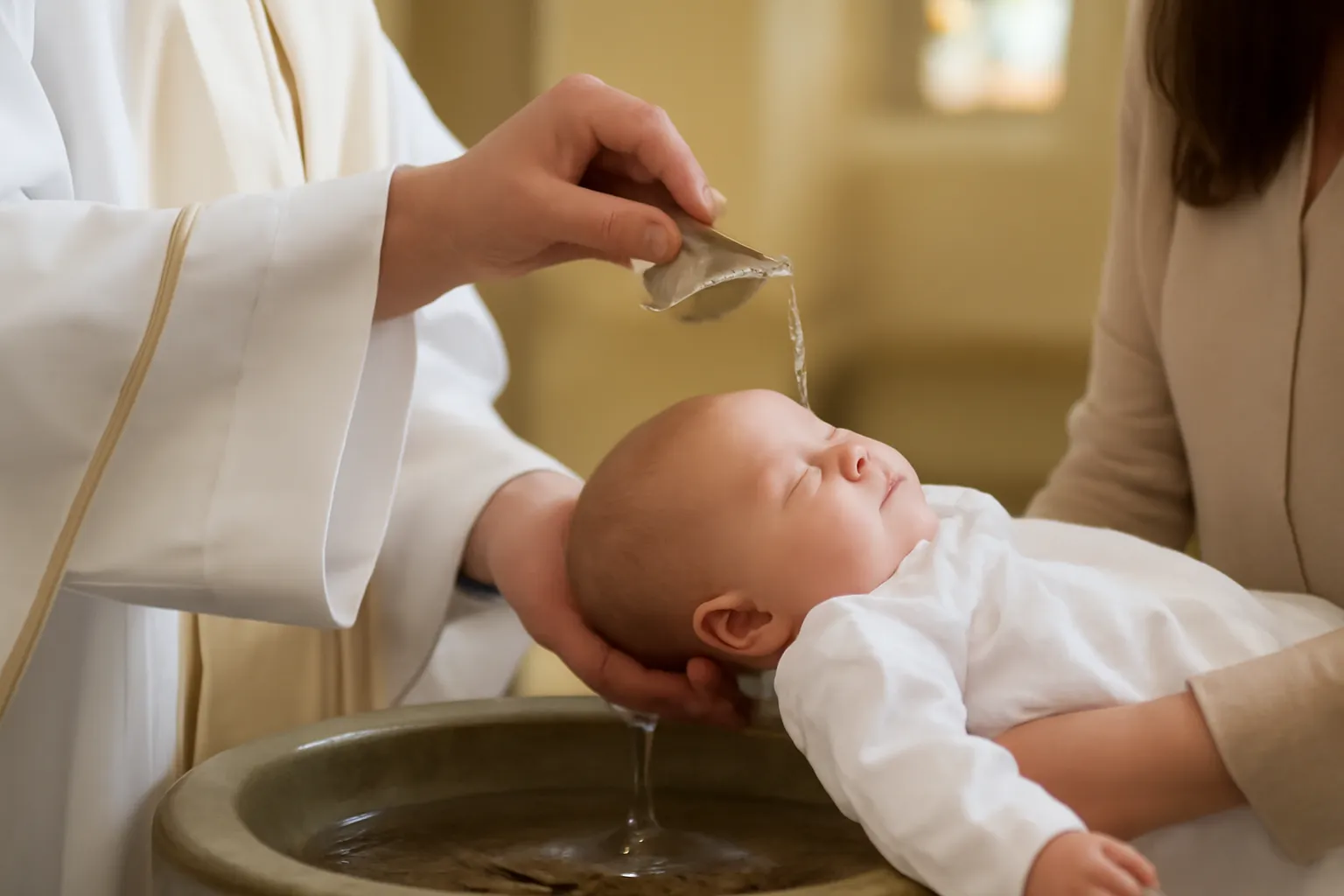
When people talk about free baptism, they are referring to baptism services that do not require the participant to pay a fee to receive the sacrament or ordinance. In many faith communities, baptism is funded through church offerings, charitable programs, or mission budgets, so attendees and new believers can participate without a cost. It is important to distinguish no-cost baptism from situations where a church accepts donations but does not require them, or from private ceremonies arranged by individuals or groups outside a traditional congregation. In practice, you may encounter several models:
No-charge baptism programs offered by churches as part of regular ministry, often with pre-baptism instruction and a scheduled service.
Donation-based baptisms where attendees are welcome to contribute if they wish, but a fee is not required for participation.
Community baptism events organized by interfaith or ecumenical groups, sometimes funded by grants or charitable organizations.
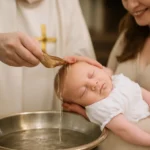
Infant baptism programs funded by participating churches or denominations, where families are not billed for the ceremony itself.
Adult baptism preparation courses that include classes, materials, and the rite at no cost to the student.
Understanding these distinctions helps you avoid confusion and ensures you are engaging with programs that align with your beliefs and expectations. Regardless of the model, you should expect a respectful, inclusive environment, clear information about the process, and a pathway to participate without pressure or hidden fees.
Where to look for no-cost baptism services
Finding no-cost baptism services near you involves a combination of online search, direct outreach, and word-of-mouth recommendations. Here are reliable avenues to explore, with practical tips for each.
Church websites and official denominational pages
Most churches post information about baptism on their own websites. Look for sections titled baptism, next steps, growth track, or membership classes. Denominational websites often publish directories or partner pages that highlight no-cost baptism opportunities, especially for new believers or families in need. When researching:
Search terms to use: “free baptism near me”, “no-cost baptism program”, “baptism class free”, “adult baptism preparation free”.
Check for explicit statements about costs, including any mention of donations or grants that cover the ceremony.
Note the location, schedule, and whether the program is intended for infant baptism, adult baptism, or both.
Denominational offices and ecumenical networks
Some faith groups coordinate baptism initiatives through regional or national offices. These programs may offer free baptism opportunities to members across multiple congregations or partner with community organizations to fund the ceremony. If you are exploring a specific tradition, contact the regional office or look for:
Regional church associations or synods that advertise free or low-cost baptism opportunities.
Ecumenical partnerships that provide community baptism events open to people from various backgrounds.
Guides or FAQs describing eligibility, prerequisites, and how to participate at no expense.
Community centers, charities, and mission organizations
Beyond traditional churches, there are community-based avenues that sometimes coordinate no-cost baptism opportunities, particularly for new believers or people in transition. Examples include:
Community centers that partner with faith groups to offer baptism as part of newcomer or integration programs.
Charitable organizations that sponsor baptismal rites as part of broader support for families or individuals in need.
Mission agencies that organize outdoor or river Baptisms funded by donors and volunteers.
When exploring these options, verify the legitimacy of the event, the compatibility with your beliefs, and whether the program will provide instruction, mentorship, and follow-up support in addition to the rite itself.
Local online directories and social media
Online resources can help you locate no-cost baptism opportunities. Use local search terms and also check:
City or neighborhood community bulletin boards and event calendars.
Social media pages for local churches or faith-based organizations describing upcoming baptismal services.
Review sites, forums, and community groups where people share personal experiences about free baptism programs.
Word of mouth and referrals
Personal recommendations are often the fastest way to identify legitimate free baptism options. Reach out to people you know in your faith community, to pastors or lay leaders you trust, or to mentors who have previously participated in baptism programs. Helpful questions to ask include:
“Are there any no-cost baptism opportunities in your network right now?”
“Which churches or organizations funded by the community offer free baptism this year?”
“What should I expect in terms of preparation and time commitments for a free baptism?”
How to evaluate a no-cost baptism program
Not all “free baptism” offerings are the same. Some are robust, with classes and ongoing spiritual formation; others may be single ceremonies with limited support. Here are criteria to help you evaluate any program you find:
Transparency about what is included
Ask for a clear outline of what is provided at no cost. Key questions include:
Is the baptism ceremony itself free, with no required donations or fees?
Are there preparation classes, and if so, are they free?
Are there any ancillary costs for robes, towels, or use of a baptismal pool, and if so, who covers them?
Ensure the program prioritizes safety and inclusivity. Important considerations are:
Is there adult supervision and trained leaders who are respectful of diverse backgrounds?
Does the program provide accommodations for people with disabilities or limited mobility?
Is the ceremony conducted in a way that respects different spiritual journeys and beliefs?
Immersion vs sprinkling, and religious practice
Different traditions practice baptism in distinct ways. You should know:
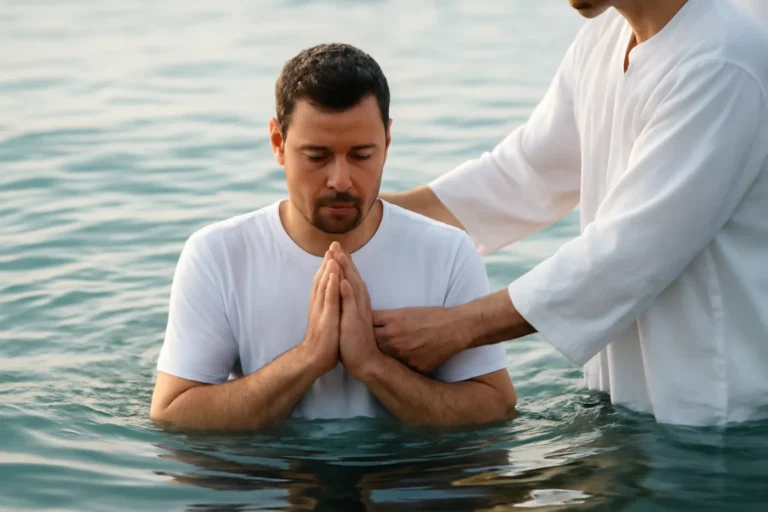
Whether the rite involves immersion in water, pouring, or sprinkling.
Which denomination is associated with the program and what theological significance it assigns to the act.
Whether the ceremony is a once-in-a-lifetime sacrament or part of a broader pathway that includes confirmation or membership.
Preparation and ongoing support
A good no-cost baptism program often includes ongoing support rather than a one-off event. Consider whether the following are offered:
Pre-baptism instruction or discovery classes.
Mentorship or spiritual guidance after the ceremony.
Opportunities to participate in a faith community, worship services, and small groups after the rite.
Step-by-step plan to find and join a no-cost baptism
Turning the search into a practical plan helps you move from curiosity to participation. Here is a straightforward, action-oriented plan you can follow:
Define your goals and preferences. Decide whether you want infant baptism, adult baptism, or a baptism for a family or a sponsor role. Clarify any theological or practical preferences (immersion vs sprinkling, single ceremony vs part of a series, language needs, accessibility).
Make a list of potential sources. Include local churches, denominational offices, community centers, and reputable charities you trust.
Collect contact information and reach out. Email or call with a brief, respectful message asking about no-cost baptism opportunities, prerequisites, and schedules.
Ask the right questions using a short checklist. Inquire about cost, preparation, time, and what is expected of you as a participant.
Visit or observe a service or class if possible. Seeing the environment helps you assess fit, safety, and inclusivity.
Complete required preparation if applicable. Attend classes, submit any forms, and participate in any follow-up steps.
Confirm details. Before the ceremony, re-confirm the date, time, location, attire, and any equipment you should bring.
Participate with intention. Engage in the rite and the surrounding spiritual community, and plan for ongoing involvement afterward if you wish.
Infant baptism vs adult baptism: key considerations
The decision about infant versus adult baptism varies by tradition and personal belief. Understanding the differences can help you navigate free baptism services more effectively.
Infant baptism
Typically performed in many Christian traditions as a sign of entry into the faith community and God’s grace.
Parents or guardians usually participate on behalf of the child, and readiness often centers on the family’s faith commitment.
Even when the ceremony is offered at no-cost, families might be invited to classes or seminars about parenting in the faith community.
Adult baptism
Often involves a personal confession of faith, understanding of the gospel, and a commitment to live according to the faith’s teachings.
The preparation period is common and typically includes bible study, discussions, and mentorship.
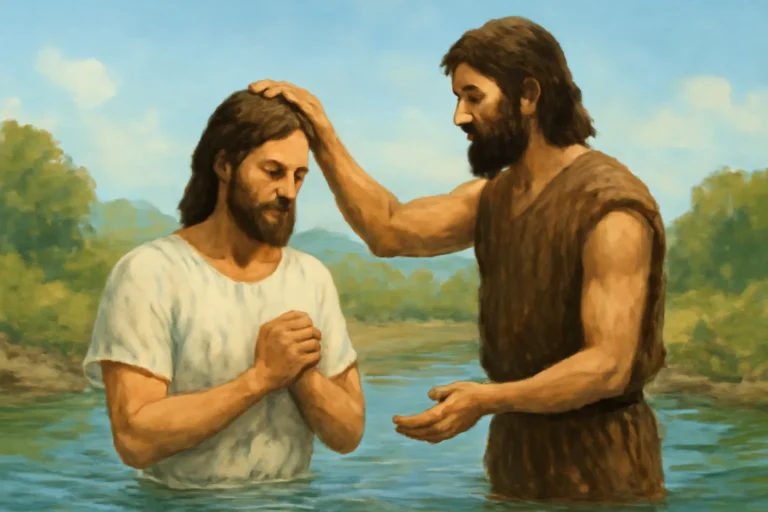
In many traditions, adult baptism is explicitly tied to the person’s mature faith journey and may be the culmination of a conversion process.
What to bring and how to prepare for a no-cost baptism
Preparation varies by program, but there are common practical steps you can take to make the experience smooth and meaningful.
Identify required documentation, such as proof of identity, baptismal eligibility forms, or sponsor information if applicable.
Attend pre-baptism classes if offered, and complete any assignments or readings provided by the program.
Ask about attire and whether robes, towels, or changing facilities are provided or need to be brought.
Prepare any personal statements or testimonies you’d like to share during the ceremony, if the format includes such moments.
Understand the timeline for the ceremony, including arrival times, rehearsal, and post-service activities.
Common questions and answers about no-cost baptism services
Here are some frequently asked questions to help you think through the process and reduce any uncertainty.
Is baptism free everywhere? Most churches or programs aim to remove financial barriers, but you should verify with the specific congregation or organization because practices vary widely by location and tradition.
Do I need to be a member of a church to participate? In many cases, you do not need to be a member, but some programs require attendance in a class or participation in a church community before the rite.
Will I be asked for a donation? If a program truly offers no-cost baptism, donations should be optional. Ask explicitly if donations are discouraged or accepted at the ceremony.
What about certificates and records? Most baptism programs provide a certificate or record of the baptism, and some churches place the record in church archives or denominational databases.
What if I cannot attend in person? Some programs offer virtual instruction or home-study options, but the actual rite is typically performed in person for immersion or other traditional practices.
Safety, ethics, and verification: how to protect yourself
Participating in a rite that carries deep meaning requires trust. Here are steps to protect yourself while pursuing a legitimate no-cost baptism opportunity:
Verify the legitimacy of the organization or church by checking official contact information, visiting the official website, and requesting references from other participants.
Avoid any program that pressures you into a rapid commitment or demands payment “to reserve your spot.” Legitimate no-cost baptisms do not coerce or rush participants.
Ask for a written outline of the process, including the exact services, dates, and what is expected from you. Written information helps prevent misunderstandings.
Be mindful of any out-of-state or remote considerations if the program requires travel. Some free baptism opportunities are local, while others may involve travel, in which case confirm logistics and accommodations.
Practical tips for a smooth experience
Whether you are exploring baptism for the first time or assisting a family member, these practical tips can help you navigate the experience with ease:
Bring a friend or family member for support, especially if you are new to a faith community.
Ask about accessibility options, including seating arrangements, hearing assistance devices, or interpreters if needed.
Plan for after the ceremony: many churches invite participants to a reception, a meal, or a time of fellowship. Consider staying for these activities to meet mentors and peers.
Keep a record of contacts and timelines in a dedicated folder or note so you can follow up with any questions after the event.
Case studies: how communities implement no-cost baptism programs
While each congregation has its own approach, several common patterns illustrate how free baptism services come to life in real communities. Here are a few representative examples you might encounter in various regions:
Case study 1: urban church with a monthly baptism day
A downtown church hosts a monthly baptism day that includes a short teaching, practical preparation, and the rite performed in a church pool. The program is explicitly free for participants, funded by the church’s benevolence fund and volunteer stewards. Prospective participants are invited to attend a 90-minute orientation and a 2-week preparatory course. The key benefits include clear cost transparency, a welcoming environment for first-time participants, and ongoing discipleship opportunities after the baptism.
Case study 2: rural community partnership with a regional denomination
A rural area partners with a regional denomination to offer a series of no-cost baptism rites during the spring and summer. Local churches contribute facilities and volunteers, while the regional office provides training and a shared calendar. Families who cannot access transportation may be served by mobile baptism units or satellite gatherings closer to home. This model emphasizes accessibility, shared resources, and continuity of care after the baptism through small groups.
Case study 3: intercultural outreach program with multiple language options
In a multicultural neighborhood, a coalition of churches and charities offers free baptism opportunities in multiple languages. The program includes language-specific study materials, interpreters, and culturally sensitive coaching. The emphasis is on belonging and inclusion, ensuring that diverse residents feel comfortable asking questions and participating fully in the rite and the accompanying spiritual formation.
How to begin your journey toward free baptism near you
If you are ready to begin a search for no-cost baptism opportunities, follow this practical starter plan:
Identify your denomination or tradition if you have a preference; this helps narrow your search to the most relevant options.
Make a short list of potential sources such as nearby churches, denominational offices, and community organizations.
Prepare a concise message you can send by email or phone, asking about no-cost baptism options, prerequisites, and schedules.
Schedule visits or calls to gather firsthand information about the programs you’re considering.
Attend an information session or class if offered, to gain a clear picture of the process and expectations.
Follow up with questions after your initial contact, especially if there are any costs beyond the ceremony or if you need accessibility accommodations.
Join the community after your baptism by participating in worship services, small groups, or volunteer activities to sustain your spiritual journey.
Key phrases and variations to search for no-cost baptism
To diversify your search and capture different wording used by churches and organizations, consider these variations:
Free baptism programs
No-cost baptism ceremonies
Complimentary baptism services
Donation-optional baptism options
Church-sponsored baptism at no charge
Infant baptism funded by the church
Adult baptism preparation free
Baptism classes with no fee
Ethical considerations: respect for beliefs and consent
As with any religious practice, it is essential to approach free baptism opportunities with respect for beliefs, practices, and community norms. If you are exploring baptism for yourself or for a family member, remember:
Respect the faith community’s doctrine and approach to baptism, recognizing that different traditions have legitimate but distinct understandings of the rite.
Consent is critical for all participants, especially for minors or vulnerable adults. Ensure that all participants freely choose to participate without coercion.
Transparency about costs, commitments, and follow-up support helps build trust and reduces potential misunderstandings.
Privacy and dignity should be protected. The baptism ceremony is a sacred moment for many; ensure that personal stories, testimonies, or faith statements are requested and shared with consent.
a practical, compassionate path to baptism without financial barriers
Finding free baptism opportunities near you is a practical and compassionate way to participate in a rite that a person believes marks a spiritual milestone, a commitment to a faith community, or a public declaration of faith. By exploring church websites, denominational offices, community partnerships, and trusted referrals, you can identify no-cost or donation-free baptism programs that align with your beliefs and needs. Remember to ask clear questions, verify the legitimacy of the organization, and consider how the program fits into your broader spiritual journey. With careful planning, you can approach baptism as a meaningful, supported, and accessible step—one that opens doors to community, mentorship, and ongoing spiritual growth.
Bienvenido a una guía completa sobre el bautismo de nuevo nacimiento. Este tema, conocido también como nacer de nuevo o bautismo regenerativo, es central en muchas tradiciones cristianas que entienden la fe en Jesucristo como el inicio de una vida transformada. En este artículo encontrarás una visión amplia y detallada: su definición, las bases bíblicas,…
What It Means to be Baptized Into Christ The phrase Baptism Into Christ captures a central idea in Christian faith: when a person submits to the rite of baptism, they are entering into a living, personal identification with the life, death, and resurrection of Jesus. This is not merely a ceremonial action; it is a…
Baptism Importance: Why This Sacrament Matters Baptism is one of the oldest and most widely observed practices in the Christian faith. Across traditions, it has been celebrated for centuries as a defining moment in a person’s journey of faith. This article explores baptism’s significance from multiple angles—from its scriptural roots and theological meanings to its…
Baptism has been a defining practice in Christian faith since the earliest followers of Jesus. Known by many names and expressed in a variety of forms, this rite—often called Christian water baptism, baptism in Christ, or simply baptism—serves as a public declaration of faith, a sign of spiritual cleansing, and a profound symbol of belonging…
Born Again Christian Baptism is a practice with deep spiritual meaning for many followers of Jesus. It is often described as a public response to the experience of being “born again” in Christ, a transformative moment of faith that leads to baptism as a visible sign of inward renewal. In this article, we explore the…
Meaning of the Christian Sacrament The word sacrament refers to a sacred sign or holy rite that conveys divine grace. In Christian usage, a sacrament is more than a ceremony or ritual; it is a tangible action that Jesus Christ instituted to communicate realities beyond the visible world. Across traditions, the expression the sacrament or…