Christianity Conversion: How to Begin Your Faith Journey invites you to explore a meaningful step in life—the moment when a person moves from inquiry to faith, from doubt to trust in Jesus, and from distance to belonging within a Christian community. This article uses multiple ways to describe the path people take when they decide to embrace the Christian faith, including conversion to Christianity, becoming a Christian, Christian conversion, and turning to Christ. Across traditions and cultures, the core questions are similar: Who is God? Who is Jesus? What is salvation? How does one live a life that honors God? The journey is personal, but not solitary. It often unfolds within a supportive community, guided by Scripture, prayer, worship, and service.
In broad terms, conversion refers to a radical shift in a person’s relationship with God. It is commonly described as moving from self-reliance to trust in God’s plan through Jesus Christ. In Christian thought, this shift is often associated with the moment of personal decision and the ongoing process of growing in faith. When people speak of conversion to Christianity, they are describing a turning from sin, unbelief, or spiritual confusion toward faith in Jesus and an adoption into God’s family through faith, grace, and baptism in many traditions.
Two dimensions of the journey
Internal transformation: changing beliefs, motives, and desires to align with the Gospel. This includes repentance, faith, hope, and love.
External expression: joining a community, participating in worship, and practicing the disciplines that sustain faith—prayer, Bible study, and service.
Common elements across Christian traditions
Recognition of Jesus as Lord and Savior.
Admission of sin and need for forgiveness.
Trust in God’s grace as the source of salvation, not personal merit alone.
Public profession of faith, whether through baptism, confirmation, or a personal declaration of belief.
Why people seek Christianity and begin a faith journey
Personal experiences
Many individuals pursue a Christian transformation after meaningful experiences—moments of answered prayer, a sense of peace in the midst of hardship, or encounters with Scripture that illuminate their life questions. Some are drawn by the example and love of Christian friends or family. Others explore the faith after difficult questions about purpose, morality, or the meaning of life. Regardless of the starting point, the process often involves honest reflection, spiritual longing, and an openness to discovering truth.
Intellectual and historical reasons
For some, reading the Gospels, studying early Christian writings, or exploring the historical evidence for Jesus leads to greater certainty about the claims of Christianity. The idea that God chose to reveal Himself in Jesus, that forgiveness is available, and that life can be oriented toward love and justice can be persuasive in the context of modern questions about meaning and morality. This intellectual curiosity can accompany personal longing, producing a sincere conversion experience that is both thoughtful and heartfelt.
Social and community factors
Joining a church community provides belonging, accountability, and practical support. The social dimension of becoming a Christian can be life-changing as people find relationships in which they can grow, be encouraged, and serve others. For many, life in a faith community is a key component of sustained faith and discipleship.
Steps to begin your Christian journey
Step 1: Explore the core claims
Begin by examining central Christian beliefs. Read the life and teachings of Jesus, the meaning of the cross, the concept of salvation, and the promise of new life. Helpful starting points include the Gospels (Matthew, Mark, Luke, and John) and a concise summary such as the Gospel message: God loves humanity, sin has a cost, Jesus paid that cost, and individuals can receive forgiveness through faith in Him.
Step 2: Pray and reflect
Prayer is commonly a way to open your heart to God, speak honestly about doubts and desires, and invite guidance. There isn’t one perfect prayer for everyone; instead, think of prayer as conversation with God—honest, humble, and listening for direction. You might use simple words like, “God, if you are real, please show me your truth. I want to know you. Help me understand what it means to follow Jesus.”
Step 3: Read sacred texts with guidance
Reading the Bible with a plan and, if possible, a trusted teacher or community can illuminate the path toward faith. Start with approachable portions that summarize the Christian message, then gradually explore the life of Jesus and the early Christian writings that explain how the church began. Use study notes, devotionals, and questions that help you interpret what you read in light of grace, mercy, and love.
Step 4: Seek guidance from trusted mentors
Connections with a pastor, chaplain, spiritual advisor, or mature believer can offer perspective, answer questions, and walk with you through the process. A mentor can listen to your story, address concerns about doubt, and help you discern whether you’re experiencing a genuine turn toward Christ or simply curiosity. This is a practical stage in what people describe as conversion to Christianity or becoming a Christian.
Step 5: Participate in a local church or faith community
Engaging with a faith community provides belonging, accountability, and opportunities to practice love in action. Attending worship services, small groups, and service projects helps you see how faith is lived out. Don’t worry about needing to “have it all together” before you join; many communities welcome seekers and value honesty about questions and growth.
Step 6: Consider baptism or formal affirmations
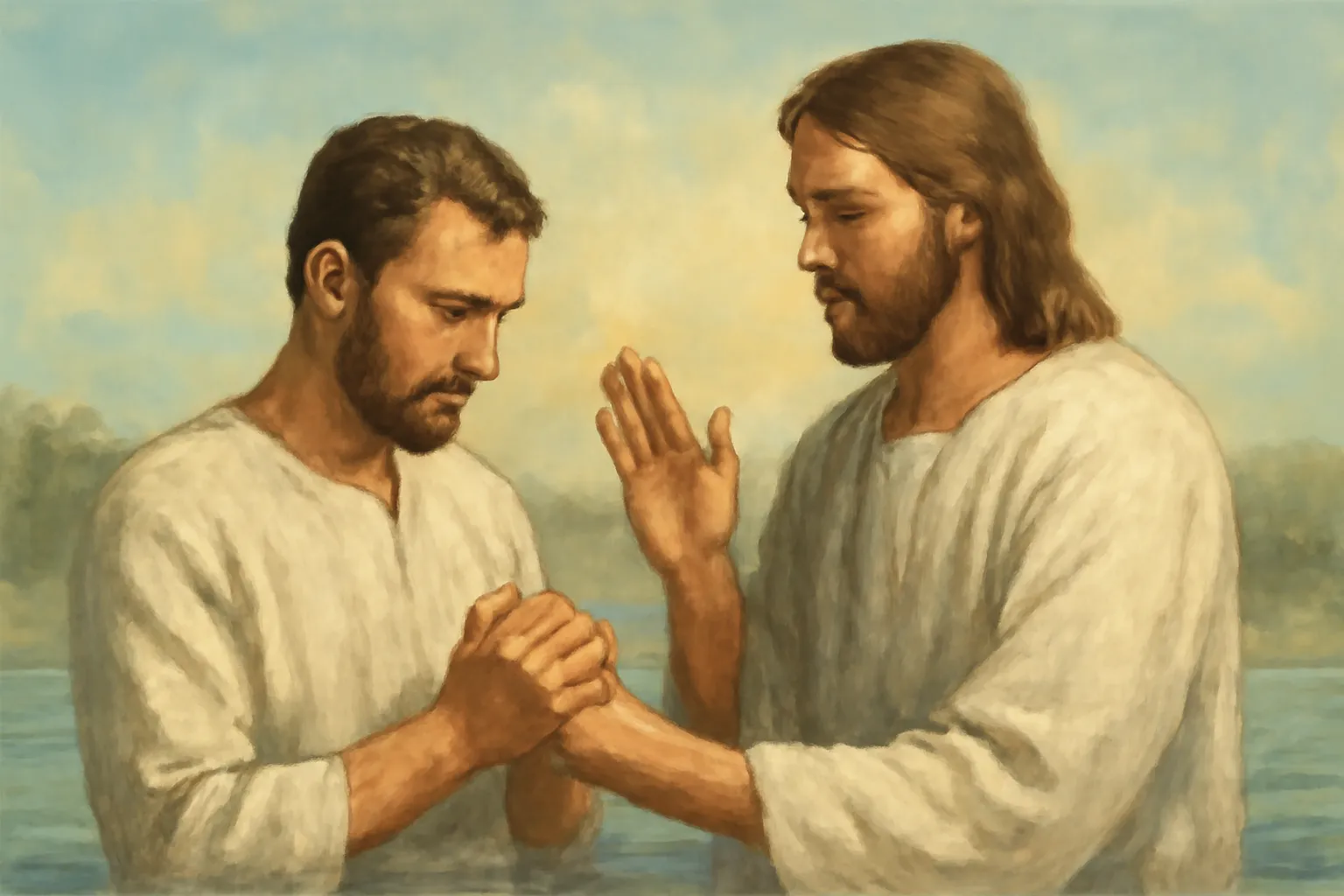
Baptism is a common next step in many Christian traditions after a personal decision to follow Jesus. It symbolizes cleansing from sin, new life in Christ, and public identification with the Christian community. The exact practice and timing vary by denomination, so talk with a pastor or church leader about whether baptism or a similar rite is appropriate for you at this stage of your journey.
Step 7: Develop a daily rhythm of faith
Beyond one moment of decision, most people who grow in their faith cultivate a daily rhythm that includes prayer, Bible reading, worship, and service. Small disciplines—like a morning devotion, a gratitude practice, or a weekly service project—help you keep your focus on God and neighbors, and they contribute to a sustainable life of faith.
Key beliefs and terms to know as you begin
Important concepts
Gospel: the good news about Jesus Christ—His identity, life, death, and resurrection—offering forgiveness and new life to all who believe.
Sin: actions or attitudes that separate people from God and others, requiring grace and reconciliation.
Grace: God’s unearned favor toward humanity, the source of salvation and transformation.
Faith: trust in Jesus and His promises, not reliance on personal merit.
Repentance: turning away from harmful patterns of life and turning toward God in obedience and love.
Salvation: deliverance from sin and its consequences, realized through faith in Christ and the gift of eternal life.
Baptism: a public rite that symbolizes cleansing, new life, and incorporation into the body of Christ.
Discipleship: ongoing growth in following Jesus, learning to love God and neighbor in daily life.
Differing emphases across traditions
Some traditions emphasize infant baptism as a sign of inclusion in the covenant community, followed by personal faith commitment later.
Other traditions emphasize believer’s baptism by immersion as a conscious choice made after understanding the Gospel.
The role of the Holy Spirit is understood differently in various streams of Christianity, but most agree that the Spirit empowers growth, conscience, and mission.
What to expect after you begin the journey
Emotional and spiritual shifts
People often report a mix of relief, curiosity, peace, and ongoing questions as they move toward a firmer faith. Some experience a sense of new birth or a fresh identity in Christ, while others wrestle with doubts and unresolved questions. The process is rarely linear; growth tends to come in seasons of clarity and seasons of challenge.
Community and belonging
Becoming part of a church or faith community offers friendship, accountability, and shared purpose. You may discover that serving others, praying with friends, and studying Scripture in groups brings deeper understanding and resilience. Community helps you practice what you believe and live out the values of love, justice, mercy, and humility.
Navigating doubt and questions
Questions about suffering, the nature of God, or the problem of evil are common in any journey of faith. A healthy approach is to bring questions into conversation with trusted mentors, Scripture, and prayer. In many Christian communities, doubt is not a barrier to faith but a doorway to deeper truth as you seek honest answers.
Baptism, confession, and public profession
Significance of baptism
In many Christian traditions, baptism is a defining step after a personal decision to follow Jesus. It symbolizes cleansing from sin, identification with Christ, and incorporation into the community of believers. The mode (immersion vs sprinkling/p pouring) and the age at which baptism occurs vary by denomination, but the underlying symbolism remains consistent: death to the old life and new life in Christ.
Confession and testimony
Public testimony of faith—often in the form of a profession of faith or baptismal vows—affirms your decision to follow Christ before God and the faith community. This public element reinforces accountability and invites others to support your spiritual growth.
Living a Christian life: practical disciplines for growth
Daily practices
Prayer: communicating with God, listening for guidance, and expressing gratitude.
Bible reading: engaging with God’s Word to discern truth and apply it to daily life.
Worship: praising God through songs, reflection, and reverence in daily routines.
Fellowship: building relationships within a faith community for encouragement and accountability.
Service: loving neighbors through acts of compassion, justice efforts, and practical help.
Living out the Gospel in everyday life
The Christian faith is not only a set of beliefs but a way of life. People who begin their faith journey often seek to align their work, relationships, and values with the teachings of Jesus. This alignment may include honest work, kindness, integrity, and a commitment to peace and reconciliation in communities affected by conflict or injustice.
Balance and growth
Growth in faith is not about achieving perfection but about ongoing transformation. It involves learning to recognize the truth in Scripture, discernment in decision-making, and humility before God and others. It also includes recognizing the gifts and limits of the local church and the broader Christian tradition you align with.
Common questions about Christian conversion and faith journeys
FAQ: Is conversion a single moment or a process?
For many people, conversion begins with a decisive moment—an inner turning toward Christ—yet it unfolds over time as a lifelong process of faith and obedience. The best answer often looks like both: a turning point and an ongoing apprenticeship in following Jesus.
Questions about sincerity and certainty
Questions about whether one’s faith is real, sincere, or lasting are common. The Christian answer emphasizes the sufficiency of God’s grace and the evidence of ongoing growth, love, and obedience as indicators of a genuine Christian life.
What if I have doubts about Jesus or the Bible?
Doubt is a natural part of the journey. It can be an invitation to study, pray, and seek counsel. Many find that honest questions lead to deeper understanding and stronger faith over time.
Do I need to join a church to be a Christian?
Most Christian traditions emphasize community as essential for growth and accountability. While belief in Jesus is central, belonging to a community helps believers learn, serve, and mature in faith. There are diverse ways to participate, from worship gatherings to small groups and service teams.
Resources and communities to support your journey
Types of resources to explore
Study Bibles and reliable commentaries that explain Scripture in context.
Introductory books on Christianity that present the Gospel clearly and accessibly.
Devotionals and guided prayer books that help establish a daily rhythm of faith.
Church websites, online sermons, and virtual groups that connect seekers with communities.
Finding a community
Attend a local church service with an open invitation to seekers and newcomers.
Join a newcomer or alpha-type course designed to explore the Christian faith in a welcoming setting.
Participate in a small group or Bible study to build relationships and receive guidance.
Questions to ask a pastor or mentor
What is the church’s understanding of baptism and how it relates to faith?
How does the church teach about grace, salvation, and works?
What opportunities exist for service, mission, and spiritual formation?
Next steps: planning your personal faith journey
Make a personal decision with clarity
Take time to reflect on what you’ve learned and how you feel about Jesus and the Gospel. A clear decision to follow Christ, expressed in personal prayer or a formal profession of faith, is often described as the moment you place your trust in Jesus. This decision does not exhaust the journey; it is the entry point into a life of faith, growth, and service.
Plan your first public step
If you sense a strong movement toward Christ, consider speaking with a pastor about baptism or a baptism class, and identify a church or community where you can begin to belong. Publicly declaring your faith through baptism or a similar rite is not merely ceremonial; it is an important milestone in the life of a Christian and a source of enduring encouragement in your spiritual formation.
Set realistic goals for your first year
Examples of goals may include reading through the Gospels, joining a small group, serving in a local ministry, and maintaining a daily habit of prayer. Remember that growth takes time, and grace is available at every step. Your path will be unique, shaped by your experiences, your questions, and your community’s guidance.
In summary, the journey of conversion to Christianity or becoming a Christian is a deeply personal yet profoundly communal process. It begins with honest inquiry and moves toward faith in Christ, repentance, and a transformed life lived in love for God and neighbor. Whether you describe this path as Christian conversion, turning to Christ, embracing the Christian faith, or faith in Jesus, the essential elements often include grace, truth, community, and a commitment to ongoing growth. The road ahead is not merely about a one-time decision but about a continuing, life-long relationship with God and others who seek to follow Jesus. If you are exploring this path today, know that you are not alone, and that many have walked this road before you, finding truth, hope, and purpose along the way.