Across centuries, the Bible has spoken in a single, memorable line about the human identity and worth of each person. The sense that we are fearfully and wonderfully made speaks not only to physical form but to something deeper—an intentional design, a purpose, and a relationship with the Creator. While the exact phrase appears in certain translations as an expression of praise and gratitude, many readers also hear a contemporary resonance when they encounter the idea of being beautifully and wonderfully made. This article explores what that assurance means for identity, worth, and devotion—and how it can shape life, relationships, and daily faith.
What it means to be «I am fearfully and wonderfully made»: a phrase with depth
The core line most readers associate with the idea of intentional creation comes from Psalm 139, a psalm that unfolds the intimate knowledge God has of every person. Translations vary slightly, but the core message is consistent: you are designed with care, you are known in your deepest parts, and your existence is a good work of God.
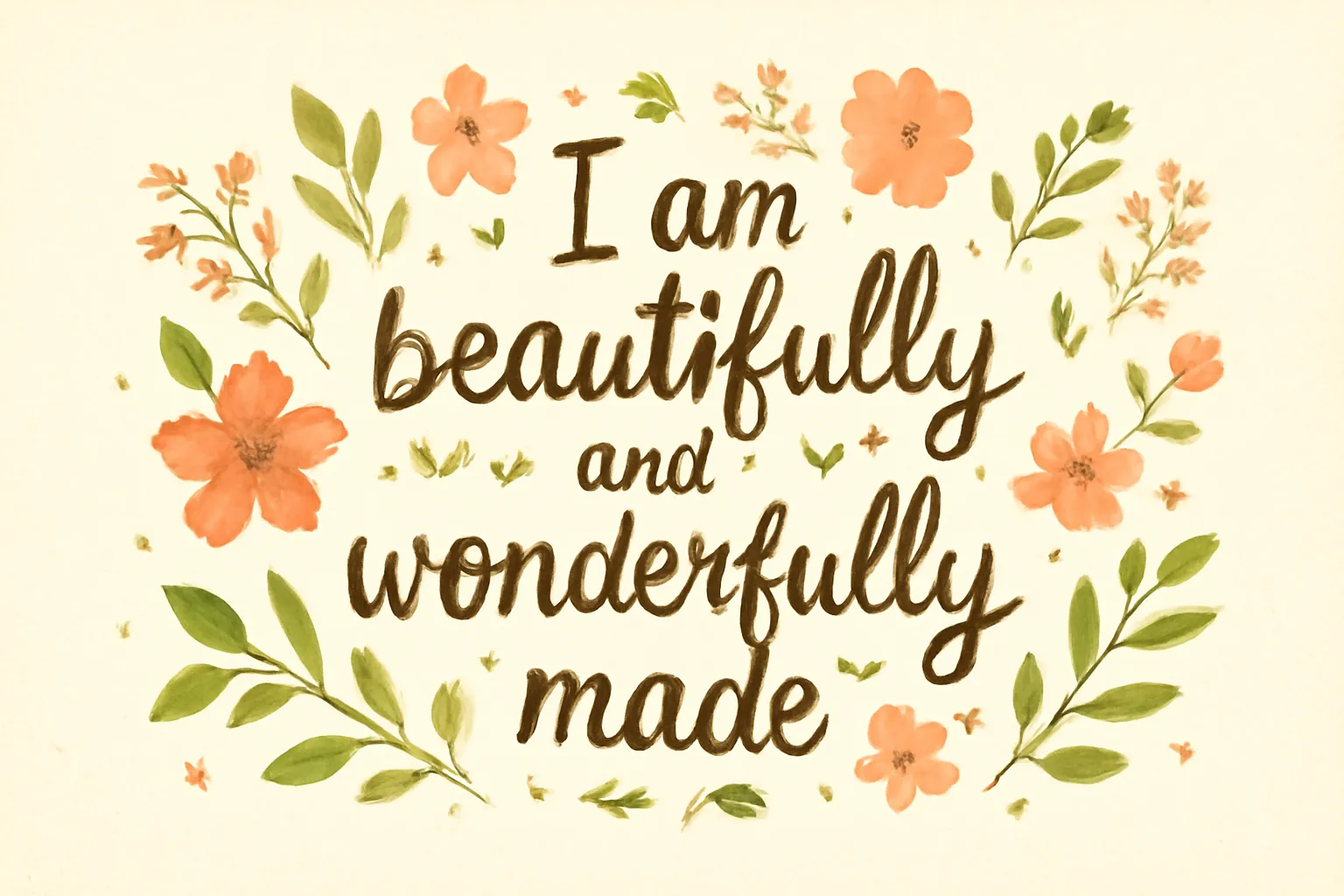
In some English Bibles the familiar refrain reads I praise you, for I am fearfully and wonderfully made; your works are wonderful, I know that full well (Psalm 139:14, NIV). Other versions render the same sentiment with terms like I will praise you because I am fearfully and wonderfully made (KJV), or You formed my inward parts; you knitted me together in my mother’s womb (Psalm 139:13–14, a more literal formulation that underlines the intimate craftsmanship). Some readers paraphrase the idea as “I am beautifully and wonderfully made”, capturing the sense of beauty in the creation as well as its profundity.
The variety of expressions—fearfully, wonderfully, beautifully, formed, knitted—points to multiple layers of meaning. The imagery suggests awe in the face of creation, meticulous care in design, and a sense of belonging within a larger, purposeful plan. For many readers, this breadth invites a holistic understanding: we are not accidents, not mere composites of chance, but people formed with intention and watched over with love.
Identity: who I am in light of being formed by God
Subsection: The identity that comes from being created by the Creator
Identity in biblical terms begins with origin: we do not define ourselves from the inside out first; we receive our sense of self as creatures created by a loving God. When a person contemplates the phrase I am fearfully and wonderfully made, the question “Who am I?” shifts from a self-centric puzzle to a relational confession: you are someone known by God, crafted for purpose, and embraced within a story that transcends individual achievements.
Belonging comes from being seen by the Creator: you are not incidental.
Identity is reinforced by being formed in relationship, not isolated from community or divine intention.
Purpose emerges as you consider how your gifts, interests, and limitations reflect a larger design.
Subsection: The image of God and the dignity it confers
A common scholarly and devotional thread in biblical interpretation is the idea that humans are made in the image of God (imago Dei). This underlying truth gives every person a fundamental dignity: no matter age, race, ability, or status, being an image-bearer means you participate in a vocation of relationship—toward God, toward others, and toward creation. When we say I am fearfully and wonderfully made, we affirm that our identity is rooted not in popularity or performance but in a divine design. That design denotes value that cannot be earned or revoked by external circumstances.
Subsection: The ongoing process of becoming who we are meant to be
Identity is not a one-time declaration but a lifelong formation. The biblical sense of being formed and knitted together implies a patient, ongoing process—learning, growing, healing, and receiving guidance from God and trusted communities. The Psalms frequently position the self as a creature continually being refined in dependence on a faithful Creator.
-worth: inherent value beyond appearances or achievements
If identity answers the question who am I?, worth answers the question how much am I valued? The biblical view locates worth not in social comparison or measurable success but in the conviction that you are worth the cost of God’s own life in the redemptive work described throughout Scripture. The line wonderfully made signals value built into the fabric of a person from the core—worth because God designed and loves you.
Subsection: Inherent worth vs. conditional esteem
In daily life, people are often told they are lovable or valuable only if they perform, compare favorably, or meet certain standards. The biblical stance, reinforced by the idea of being fearfully and wonderfully made, gently disrupts that pattern. Your value is not a variable that shifts with mood, metrics, or external approval. It remains constant because it is rooted in the Creator’s design and steadfast love.
Inherent dignity comes from being God’s creation, not from what you produce.
Unconditional acceptance is offered through divine grace, not earned through perfect behavior.
Hope persists because worth is grounded in God’s fidelity, not in shifting human standards.
Subsection: The body as a temple and a gift
The notion of being beautifully and wonderfully made invites reverence for the human body as a sacred gift. While Scripture also calls for wise care of the body and ethical use of physical life, the initial impulse is gratitude: the body is a vessel through which we experience life, love, and service. Seeing our bodies as sacred helps curb harsh self-criticism and invites a posture of stewardship—care for health, safety, and expression in ways that honor the divine design.
Devotion: responding with love, gratitude, and action
Devotion is the natural response to the revelation that you are fearfully and wonderfully made. Devotion means more than private piety; it translates into daily choices that reflect gratitude, trust, and service. When people anchor their self-understanding in divine design, devotion becomes a lifestyle—prayerful, practical, and relational.
A common devotional rhythm is to begin with gratitude for being made with care. A simple practice: name one aspect of your being you are grateful for each day—physical, emotional, intellectual, or spiritual—and pair it with a short prayer of thanks for the Creator’s workmanship.
Subsection: Letting identity inform relationships
When you embrace the truth of your own value, it becomes easier to acknowledge the same value in others. The conviction that each person is fearfully and wonderfully made invites a posture of respect, patience, and inclusivity. It challenges patterns of judgment and invites us to see others as complex, precious, and worthy of dignity.
Speak with gentleness about yourself and others, avoiding shaming or demeaning language.
Encourage others to see themselves as beloved by the Creator.
Practice listening and learning from people whose experiences differ from your own.
Translations and semantic breadth: how language shapes meaning
The exact wording of the verse matters because language carries nuance. Across English translations, these shades appear:
Fearfully and wonderfully made — emphasizes awe, reverence, and meticulous attention to detail.
Beautifully and wonderfully made — foregrounds beauty and delight in creation, highlighting aesthetic value alongside purpose.
Formed, knitted, or woven together — emphasizes the intimate, skilled craftsmanship and involvement of the Creator at the deepest level of life.
I will praise you…
A helpful practice is to compare paraphrases to see how the same truth can be felt through different words. For example, You formed my inward parts; you knit me together in my mother’s womb (Psalm 139:13, NIV) echoes the idea of intimate craftsmanship, complementing the more public, public-friendly declaration of being fearfully and wonderfully made.
Practical applications: living out the verse in everyday life
How might the conviction of being beautifully and wonderfully made translate into concrete steps? Below are practical pathways that align with identity, worth, and devotion.
Affirm your worth daily: replace negative self-talk with reminders of your design and God’s care. Create a short affirmation you can repeat in the mirror or during a quiet moment.
Guard your speech: speak about yourself and others in ways that honor the image of God in all people, avoiding shaming language and sarcasm.
Engage in body-positive practices: treat your body with care, exercise for health, eat with gratitude, and rest adequately as part of honoring the design you’ve been given.
Nurture identity in community: engage with mentors, peers, or faith communities that reinforce a healthy, God-centered sense of self.
Subsection: Identity in seasons of doubt
Doubt is a common companion on any journey of faith. The assurance that you are fearfully and wonderfully made can serve as a steadying anchor when life feels uncertain—whether due to suffering, failure, or transition. In those moments, turning toward Scripture, prayer, and trusted relationships can reaffirm your sense of belonging and worth.
Devotional practices: exercises to deepen understanding and commitment
To cultivate a living sense of being beautifully and wonderfully made, you can adopt reflective and creative routines. Here are some practical exercises:
Pause and reflect: each day, find a quiet moment to read Psalm 139 or a related passage. Write down one phrase that stands out and why it matters to you today.
Journaling with intention: write a letter to yourself from the perspective of God’s design—affirming your worth and inviting a response of gratitude.
Gratitude collage or art: create a visual representation of the ways you are made with intention, using imagery that celebrates your gifts and limitations alike.
Acts of service as devotion: put your sense of value into action by serving others in small or meaningful ways, reflecting the belief that you are part of a larger story in which love and care matter.
While Psalm 139:14 anchors the central claim, other biblical phrases reinforce related ideas. For example:
“You knit me together in my mother’s womb” (Psalm 139:13) emphasizes intimate craftsmanship, from the earliest moments of life.
“You are God’s workmanship” (a paraphrase of Ephesians 2:10) highlights being created for good works as part of a divine plan.
“The Lord will sustain me” in times of weakness upholds the trust that God’s design includes care and endurance.
living as beautifully and wonderfully made
The claim that you are beautifully and wonderfully made offers more than a comforting phrase; it offers a framework for identity, worth, and devotion that can shape every dimension of life. When you anchor yourself in the truth of being formed by a loving Creator, you encounter a stable ground for self-understanding, a hopeful horizon for how you relate to others, and a disciplined path for spiritual growth. The invitation remains open: to reflect on what it means to live out this truth in your daily routines, relationships, and service to the world.
Whether you lean on traditional translations or embrace modern paraphrases, the essential message remains consistent: you are not incidental. You are known intimately, created with intention, and called into a life of gratitude, wonder, and faithful devotion. As you carry this conviction forward, may your sense of identity, worth, and devotion become a wellspring of courage, compassion, and hope.
Life as a Gift: Biblical Foundations In Catholic teaching, life is a sacred gift entrusted to each person by the Creator. The Bible presents life not as a random accident, but as the intentional act of a loving God who creates, sustains, and invites us into relationship with Him. From the very beginning of creation…
Why Bible Verses on Christian Mission Matter The Christian life is often described as a journey with a purpose beyond personal comfort—a calling to bring the light of Christ into every corner of the world. Christian mission is not merely a historical event confined to the pages of the Bible; it is a living invitation…
Why a Bible Verse Foundation Matters In a world saturated with voices, opinions, and shifting cultural norms, the question often asked by seekers, students, and families is this: How can I build a life that lasts on something steady and true? The answer many find in scripture is a clear invitation to establish a bible…
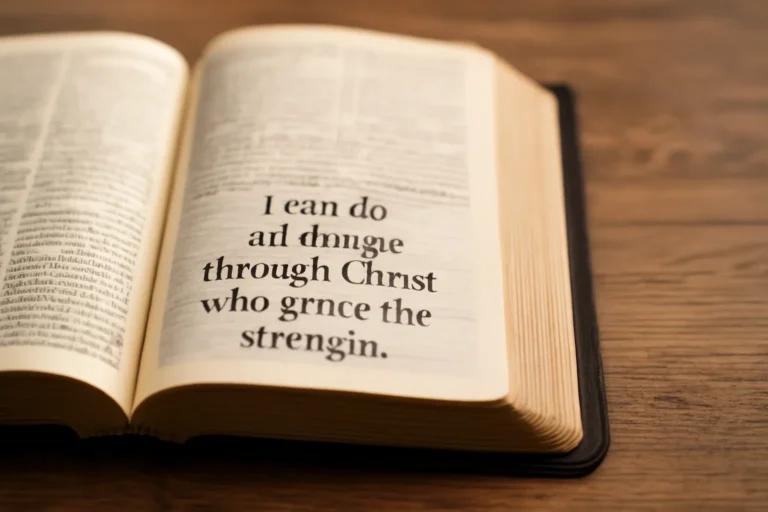
The Bible contains many verses that anchor believers in hope, courage, and steadfast trust in God. Among the most frequently cited themes is the idea of strength that comes not from human power, but from Christ. In particular, the phrase often associated with resilience and capability—“I can do all things”—is commonly linked in popular memory…
In biblical language, the phrase often translated as “slow to anger” identifies a core aspect of God’s character: patience, mercy, and steadfast love. The idea appears in several places in Scripture, most famously in Exodus 34:6, where God reveals himself to Moses as “a God merciful and gracious, slow to anger, and abounding in steadfast…
Why Respect for Elders Matters in the Bible In many biblical traditions, respect for elders is not merely a cultural courtesy but a spiritual posture that honors God Himself. The Bible presents respect for the elderly as both a social discipline and a covenantal virtue that shapes families, churches, and communities. Across the Old and…