Are God and Allah the Same? Similarities and Differences
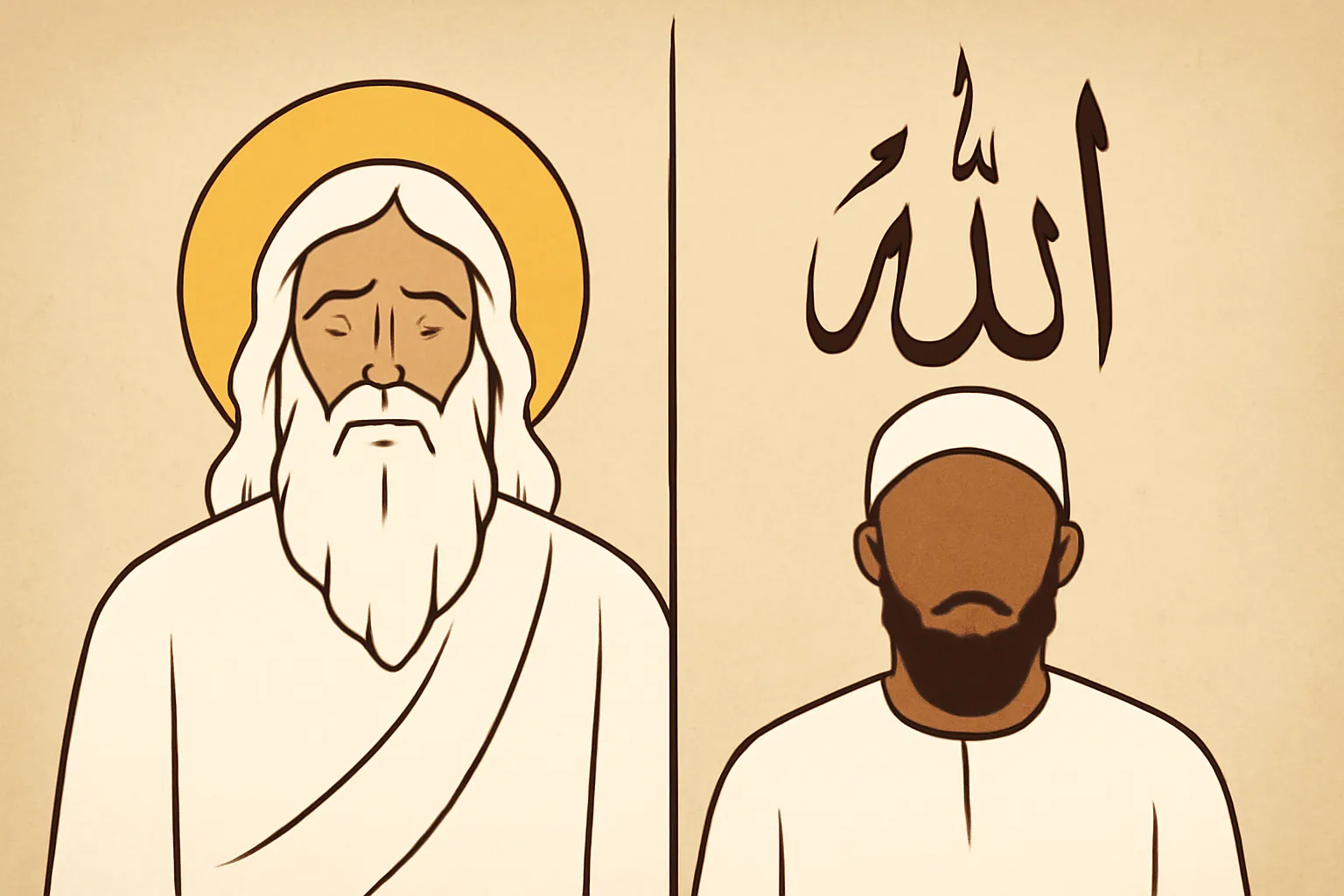
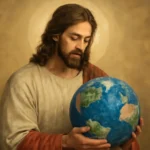
The question “Are God and Allah the same?” appears frequently in conversations about religion, theology, and interfaith understanding. On the surface, the inquiry asks about linguistic labels, but it also probes deep questions about the nature of God, revelation, and religious belief. This article presents a careful, balanced exploration of what God means in Christian tradition and what Allah means in Islamic tradition, then compares them to highlight both agreements and divergences. It is not a polemic but a thoughtful guide to how scholars, theologians, and everyday believers think about the divine in two of the world’s largest faith communities. Throughout, the phrase are God and Allah the same is treated with nuance—recognizing common ground while respecting doctrinal distinctions.
Definitions and Names
Arabic roots and the meaning of Allah
In Arabic, Allah literally means “the God.” It is not a personal name in the sense of a label like “God” in English, but a unique term used in Arabic to refer to the one, supreme deity. Because Arabic is the language of the Qur’an, Allah is the term Muslims use in daily speech, in prayers, and in scripture. It is also used by Arabic-speaking Christians and Arabic-speaking Jews who refer to God as Allah, reflecting the shared linguistic heritage. This linguistic fact is important when considering whether “God” and “Allah” refer to the same being: language can shape, but it does not by itself determine theological doctrine.
The Christian concept of God
In Christian discourse, God is the Creator and ruler of the universe. The traditional Christian understanding, especially within most branches of Catholicism, Orthodoxy, and Protestantism, is that God exists as a Trinity—Father, Son, and Holy Spirit—three persons in one divine essence. This understanding, formally expressed as the doctrine of the Trinity, shapes how many Christians speak about God’s nature, including his revelation, relationship to humanity, and activity in salvation history.
The Islamic concept of God
In Islam, Allah is the one, indivisible God who is transcendent and sovereign. Muslim theology emphasizes the absolute oneness of God (tawhid) and rejects any division of God’s nature. The Qur’an and the teachings of the Prophet Muhammad present Allah as the sole creator, sustainer, judge, and guide of humanity, who communicates through revealed messages but does not incarnate or become human. The Islamic perspective holds that God’s nature is perfect and that human beings cannot fully comprehend him in finite terms, yet God reveals himself through prophets and sacred scriptures.
Theological Frameworks: Islam and Christianity
Islam: monotheism in its most stringent form
From an Islamic standpoint, the central claim is that there is one God who is absolutely unique. The Islamic creed emphasizes that God’s attributes are perfect, and human beings should worship him alone without associating partners with him. The Qur’an presents Allah as merciful, just, and transcendent, yet intimately involved with creation at the level of guidance and judgment. Important distinctions in Islam include that prophethood is a line of messengers culminating in Muhammad, that the Qur’an is the final revelation, and that God did not take human form or become incarnate.
Christianity: revelation through the Word and the Son
Christian theology centers on the belief that God is revealed in history, Scripture, and especially in the person of Jesus Christ. For many Christians, the idea of a triune God—Father, Son, and Holy Spirit—defines how believers experience the divine in relation to creation and salvation. The incarnation—God becoming human in the person of Jesus—is a cornerstone for many Christian traditions. While Christians affirm the one God, they also affirm a distinctive way of speaking about God that includes personal and relational dimensions not emphasized in the same way in Islam.
Similarities Between God and Allah
Despite doctrinal differences, there are several areas where God (in Christian thought) and Allah (in Islamic thought) converge. These similarities often form the basis for interfaith dialogue and mutual respect. Some of the most widely acknowledged similarities include:
Monotheism: Both traditions insist that there is a single, sovereign God who is the source of all creation.
Creator and Sustainer: Both view God as the Creator and Sustainer of the universe, who upholds order and governs history.
Attributes of God: Both traditions describe God as the Most Merciful, the Just, the All-Knowing, and the All-Powerful, among other attributes.
Transcendence and Immanence: God is beyond human complete comprehension (transcendent) yet communicates with people and cares for creation (immanent).
Revelation and Guidance: Both believe that God has spoken to humanity through prophets and messages that guide how people should live.
Scriptural Authority: Each tradition holds sacred texts that believers turn to for knowledge about God’s will—though Muslims regard the Qur’an as the final and most complete revelation, while Christians regard the Bible as authoritative in varying degrees depending on denomination.
Historical Relationship with Prophets: Figures such as Abraham, Moses, and other biblical prophets are revered in both traditions, though their roles and narratives differ in detail.
Differences Between God and Allah
While there are meaningful overlaps, there are also substantial doctrinal and practical differences that shape how believers experience God and Allah. Understanding these differences helps clarify why many people ask “Are God and Allah the same?” and then answer “not exactly” in a way that respects both faiths.
Nature of God: In Christianity, especially within the mainstream understanding of the Trinity, God exists as one God in three persons. In Islam, God is strictly one (tawhid) and indivisible, with no division into persons or modalities. This key distinction affects how each faith speaks about God’s inner life, relationship to humanity, and the way God interacts with the world.
Incarnation and the Messiah: Christianity teaches that God entered history in the person of Jesus Christ—the Incarnation. Islam explicitly rejects the idea that Allah can become human, and views Jesus ({Isa}) as a honored prophet, not God or the Son of God. This difference has profound implications for soteriology (the doctrine of salvation) and how believers understand divine intervention in human history.
Revelation: Christians hold that God’s revelation culminates in the life, death, and resurrection of Jesus, and in Scripture inspired by the Holy Spirit. Muslims believe that God revealed the Qur’an to the Prophet Muhammad through the Angel Gabriel, as the final and most complete revelation for all humanity. Thus, in Islam, the Qur’an supersedes previous scriptures in authority, whereas many Christian traditions continue to regard the Bible as the ultimate revealed word, with differing views on how the old and new testaments relate to the gospel.
Scriptural Authority and Canon: The Christian Bible is a collection of books written over centuries, with diverse genres and authors. The Qur’an is, in Islamic belief, the unaltered, verbatim word of God revealed in a specific historical and linguistic context. This difference in how scripture is perceived and transmitted shapes the way each religion speaks about God’s will, mercy, justice, and guidance.
Salvation and Redemption: In Christian theology, salvation is often understood through faith in Jesus and his atoning work. In Islamic theology, salvation involves faith in God, righteous deeds, repentance, and submission to God’s will (taqwa), along with mercy from God. Although both traditions emphasize mercy and righteousness, their criteria for salvation and the means of attaining it diverge in meaningful ways.
Portrayal of God in Worship: Christian worship often centers on a liturgy of praise, prayer, and sacraments that address God as Father, with a focus on relationship through the Son and the Spirit. Islamic worship centers on the direct, personal worship of Allah through prayer (salat), remembrance (dhikr), and submission (Islam) to God’s will, with strict prohibitions against likening God to human attributes or images.
Common Questions and Misunderstandings
Are God and Allah the same? In a broad, monotheistic sense, both refer to the one supreme deity who created and governs the universe. However, due to doctrinal differences—most notably the Christian doctrine of the Trinity and the Islamic emphasis on tawhid—many theologians would say they are not the same in terms of nature, personhood, and revelation. The best way to frame it is: they refer to the same broad idea of a supreme God, but they describe and relate to that God in different ways.
Do Christians and Muslims worship the same God? This question has nuanced answers. Some scholars argue that Christians and Muslims worship the same deity in the sense of acknowledging the same divine origin and attributes. Others point out that the lived experience, doctrinal framework, and explicit claims about God (such as the Trinity, incarnation, and divine revelation) create a distinction in how worship and relationship with God are understood. In interfaith dialogue, it is common to acknowledge shared reverence for the Creator while recognizing that worship practices and theological conclusions diverge.
Is Allah only used by Muslims? No. Arabic-speaking Christians and Jews also refer to God as Allah in their religious contexts. The linguistic usage reflects a shared Arabic language for God, not a monopoly on a single creed. The functional difference is that Muslims typically refer to God as Allah within a framework of tawhid and Islamic revelation, while Christians who use Arabic will reference God as Allah within a Christian theological framework.
Do Muslims believe Jesus is God? No. In Islam, Jesus ({Isa}) is regarded as a prophet and messenger of God, highly significant and venerated, but not divine. The doctrine of incarnation and the belief that God became a human being is rejected. This stands in contrast to mainstream Christian belief in the incarnation of the divine Word in Jesus Christ.
Is God gendered? In Christian thought, God is often described with masculine language in Scripture, but most Christian theologians insist that God is not gendered in any human sense. In Islam, God is beyond gender and is described with masculine pronouns in Arabic for linguistic and cultural reasons, but God is not understood to be male. The key point across traditions is that human language has limits when describing the divine.
How should people of different faiths talk about God with sensitivity? A constructive approach emphasizes listening, avoiding caricatures, and focusing on shared values such as justice, mercy, compassion, and care for the vulnerable. Interfaith dialogue often begins with acknowledging a shared desire to seek truth and to live ethically, even while doctrinal conclusions differ.
Interfaith Perspectives and Dialogue
Many scholars and religious leaders advocate for respectful dialogue grounded in accurate information about both traditions. Here are some guiding perspectives used in interfaith work to discuss whether God and Allah are the same in essence or in practice:
Affirm common ground: Both traditions acknowledge the existence of a singular, all-powerful Creator who cares for humanity and enacts judgment and mercy.
Respect doctrinal boundaries: The concept of the Trinity, incarnation, and the nature of revelation are central doctrinal differences that shape each faith’s understanding of God. Dialogue often centers on appreciating these differences without making them into caricatures of the other tradition.
Context matters: The linguistic and cultural context in which people discuss God affects how terms like “God” and “Allah” are used and understood. Recognizing contextual nuance helps reduce misunderstandings.
Common ethical commitments: Many Muslims and Christians stand together on shared ethical concerns—care for the poor, hospitality, justice, and peace—stating that divine guidance should translate into concrete acts of mercy.
Education and humility: Learning about the other tradition’s beliefs, practices, and history fosters humility and reduces prejudicial assumptions that can hinder dialogue.
In practice, encounters around the question “are God and Allah the same?” often lead to conversations about worship, scripture, and the meaning of divine revelation. They can also explore how believers from different backgrounds can collaborate on social issues, while maintaining fidelity to their respective theological convictions.
Historical Context and Theological Reflection
The relationship between Christianity and Islam has deep historical roots. In the early centuries of Islam, Christians living under Muslim rule often engaged in dialogue and debate with scholars who explored how to interpret the divine in a plural world. In modern times, scholars from both traditions have revisited these questions with new frameworks, using historical-critical analysis, biblical and Qur’anic exegesis, and contemporary theological discourse. The question of whether God and Allah are the same is thus not merely semantic; it reflects how a faith community interprets revelation, divine nature, and the story of salvation.
From a reflective standpoint, several themes emerge:
Continuity: Across both traditions, the belief in a single, all-powerful Creator is a defining feature.
Discontinuity: The ways in which God reveals himself and the claims about God’s work in history differ meaningfully.
Human diversity: Different communities articulate the divine using distinct languages, metaphors, and doctrinal categories.
Dialogue: When approached with care, dialogue can illuminate shared values and reduce fear or suspicion, while also clarifying where beliefs diverge.
Practical Takeaways for Readers
Educate yourself: Learn the basics of how Christians and Muslims understand God, revelation, and scripture. This reduces mischaracterizations and supports healthier conversation.
Acknowledge differences: It is legitimate and important to recognize that Christians and Muslims may affirm similar ideas about a single God while disagreeing on the nature of that God and on relationships within the divine unity.
Seek common ground: Focus on shared ethical commitments, care for the vulnerable, and the goal of human flourishing as practical avenues for cooperation and mutual respect.
Practice respectful dialogue: In conversations about theology, avoid triumphalism or dismissiveness. Ask clarifying questions, listen deeply, and admit when you do not know something.
Appreciate linguistic nuance: Recognize that terms like Allah and God carry historical and cultural meanings beyond mere labels, and that those meanings shape belief and practice.
The question “Are God and Allah the same?” does not yield a single, simple answer. If one defines God in the Christian sense as the triune Creator who reveals himself through Jesus and the Bible, and defines Allah in the Islamic sense as the one, indivisible Creator who reveals himself through the Qur’an, then the two descriptions point to a shared reverence for a supreme divine reality while maintaining doctrinal distinctions that shape worship, revelation, and salvation. In other words, are God and Allah the same in the sense of identical personhood or nature? Most theologians would argue no, given core doctrinal differences. Are they the same in the broader sense of both representing the one God who made and sustains all things? Many scholars and believers would say yes, in the sense of a common monotheistic framework and shared reverence for divine mercy and justice.
As readers travel through these ideas, it is worth keeping in mind the larger goal of dialogue: to honor the dignity of each tradition, to seek truth with humility, and to work together for a more just and peaceful world. The question itself can be a bridge—prompting curiosity, learning, and mutual respect—when approached with openness and care. Whether you’re exploring this topic for study, personal faith, or interfaith engagement, the nuanced answer emphasizes both shared foundations and legitimate differences that enrich interreligious understanding rather than diminish it.