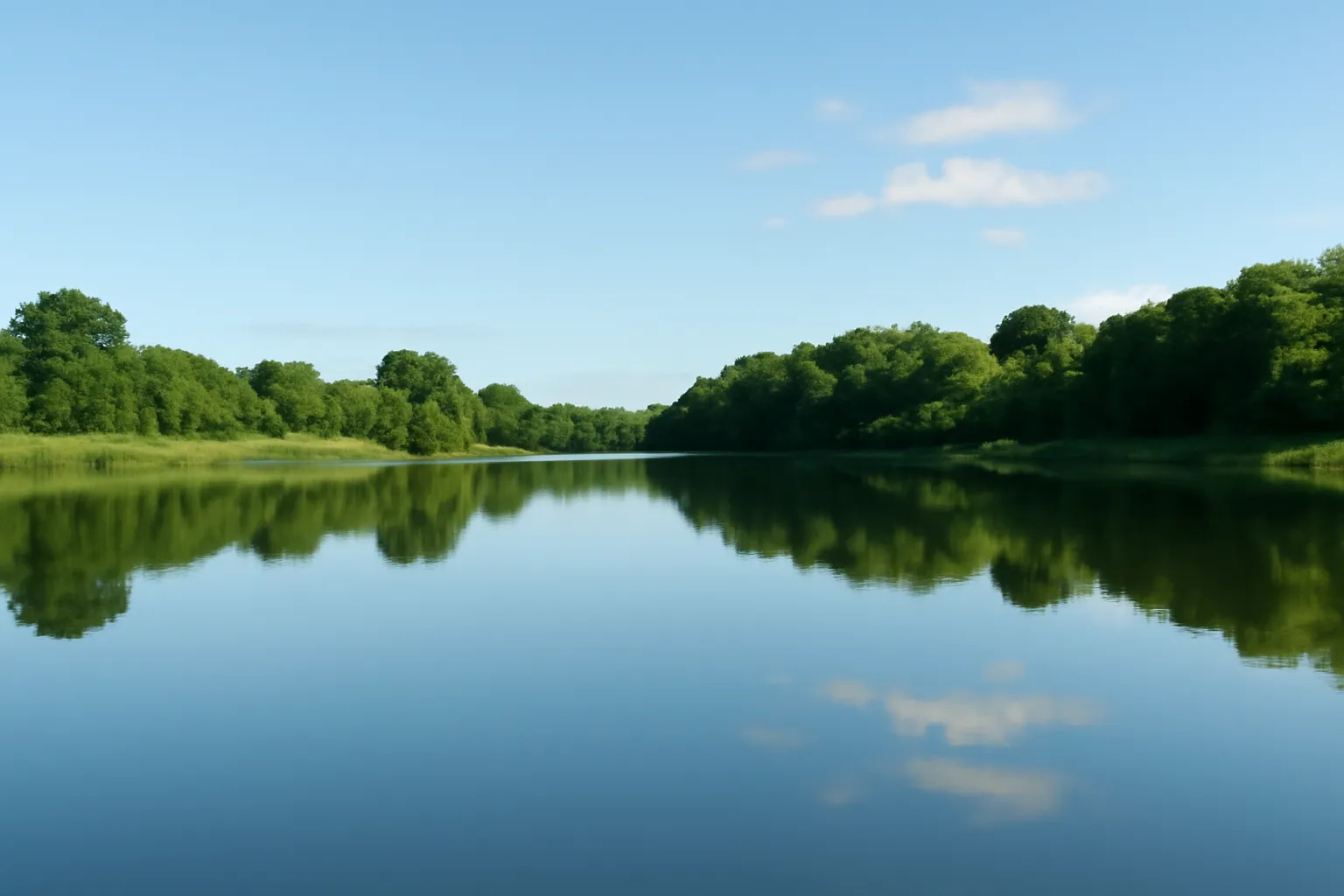
Across the Bible, water imagery carries a deep resonance—refreshment, renewal, cleansing, judgment, and life itself. One of the most enduring and comforting motifs is the image of still waters, a tranquil bed where the soul can rest and be restored. In some translations, the phrase appears as “still waters”; in others it is rendered as “quiet waters” or simply as waters that restore and refresh. This article explores the meaning of still waters in Scripture, its biblical context, the key verses that carry this image across translations, and practical ways to let that ancient language shape contemporary faith, prayer, and daily life.
The aim here is not to present a dry exegesis alone but to offer a guided, reflective look at how comfort and renewal come through God’s care, as pictured by waters that are calm and life-giving. Whether you approach the Bible as literature, theology, or a source of spiritual formation, the imagery of still waters invites you into a posture of trust and hope.
The Sacred Image: What Still Waters Connote in Biblical Thought
The phrase still waters evokes a landscape of safety and nourishment. In a desert world or a stormy sea, calm water becomes a sign of God’s provision. The psalmist’s care with words points toward a deeper reality: to be led beside still waters is to be guided toward rest, refreshment, and renewal of the soul. This image is not merely picturesque; it is functional and spiritual. Still waters enable green pastures to exist nearby, and they enable the shepherd’s flock to find quiet, restorative places where life can resume its proper pace.
The biblical writers often pair water with guidance, mercy, and the restoration of inner life. When the Psalmist says, “He restores my soul”, the restoration is inseparable from the physicianing nourishment of waters that do not overwhelm but sustain. In this light, still waters signal a divine invitation to pause, breathe, listen, and receive what God has prepared for the heart and mind.
For believers, the image also carries ethical and liturgical texture: to walk by still waters is to walk in line with God’s will, to trust the Shepherd who leads, and to cultivate a life that drinks deeply from the fountain of grace. The stillness is not a denial of the world’s noise but a practiced response to it—the choice to seek peace in God first, and to carry that peace into daily service and relationships.
Key Verses and Their Variants: Still Waters in Multiple Translations
Psalm 23:2 in Different Translations
The most famous biblical reference to still waters comes from Psalm 23:2. Here are a few ways this verse has been rendered:
KJV: “He maketh me to lie down in green pastures: he leadeth me beside the still waters.”
NIV: “He makes me lie down in green pastures, he leads me beside quiet waters.”
ESV: “He makes me lie down in green pastures. He leads me beside still waters.”
NASB: “He makes me lie down in green pastures; He leads me beside quiet waters.’’
These variations show how translators aim to capture a single picture—the Lord’s care that invites rest and refreshment—while acknowledging the nuances of ancient poetry and Hebrew wording. Across translations, the core meaning remains steady: God provides rest by calm waters, a necessary precursor to renewal of body, mind, and spirit.
Psalm 23:3: A Neighboring Step Toward Renewal
Immediately after the image of still or quiet waters, the psalmist broadens the blessing: “He restoreth my soul” (KJV). The restoration is not only emotional; it is vocational, relational, and liturgical—an invitation to reorient the heart toward God’s purposes.
In various translations, you’ll see similar phrasing that underscores the intimate care of the Shepherd and the deep nourishment that comes through contact with tranquil waters. This verse functions as a bridge: the movement to rest by water becomes the doorway to a stronger sense of identity before God and a clearer sense of direction for daily life.
Other Still-Waters and Water-Themed Passages
Beyond Psalm 23, the Bible presents water imagery that resonates with the broader theme of restoration and divine provision:
Psalm 42:1—“As the deer pants for streams of water, so my soul pants for you, my God.” This verse speaks to longing and thirst for God—a parallel longing that makes the still waters metaphor even more meaningful when scenting the soul’s needs.
Psalm 65:9—“You care for the land and you water it.” While not a direct “still waters” phrase, the verse underscores God’s consistent provision and the way living water sustain life.
Isaiah 55:1—“Come, all you who are thirsty, come to the waters.” The invitation echoes the refreshment implicit in still waters, inviting people to partake in God’s generosity.
Revelation 22:1-2—The river of the water of life that streams through the New Jerusalem offers ultimate fulfillment and perpetual nourishment, a culmination of the symbolism of living waters.
Water, Rest, and Calmed Turmoil: Narrative Echoes
The Gospel narratives also foreground water in ways that complement the still-waters motif. For example, when Jesus calms the storm, a different form of water-related peace is in view: “Peace, be still” (Mark 4:39). This pronouncement from Jesus restores order in a moment of fear and chaos, making the present calm another form of renewal that prepares the faithful for fresh mission and trust in God’s sovereignty.
Summary of Variants and Their Theological Echoes
Although translations differ in word choice—still waters, quiet waters, or simply waters—the message remains: God’s leadership invites rest, and rest becomes a conduit to renewal. The stillness is not passive; it is a healing hospitality offered by the Shepherd to a weary creature, enabling the soul to regain balance and to move forward with hope.
Comfort and Renewal in Scripture: Theological Reflections
The Shepherd’s Presence as a Source of Rest
In the Psalm 23 frame, the presence of the Shepherd is the primary cause of rest. The leading beside still waters is an act of care and providence, not a mere pastoral metaphor. The pastoral setting—green pastures followed by still waters—represents a rhythm of life under God’s governance, a rhythm by which the soul is reoriented from fear to trust.
The Soul’s Restoration: A Holistic Renewal
The phrase “He restoreth my soul” indicates more than emotional relief. It signals a renewal that affects the whole person: intellect, will, affections, and community life. In biblical psychology, restoration includes healing memories, corrected perspectives, and renewed purpose. The still-water experience acts as a catalyst for that broad restoration, enabling a person to re-enter life with greater resilience and grace.
Peace as Practical Faith: From Quiet Waters to Quiet Trust
The stillness of waters parallels a life of peaceful trust in God’s timing and promises. This is not a passive surrender to fate but an active posture of faith. Resting by the waters becomes a deliberate discipline—time set apart for listening, confession, gratitude, and the formation of a hopeful imagination for the future.
Water as Covenant Symbol
In biblical theology, water often signals covenantal life: cleansing, regeneration, and the ongoing renewal of relationship with God. Still waters become an image of covenant faithfulness—steady, trustworthy, and always ready to receive the human longing for renewal. The Psalmist’s restoring action is a sign of God’s steadfast love toward a people who may stumble, drift, or grow weary.
Practical Applications: Living in the Reality of Still Waters
Personal Practices for Encountering Still Waters
Seasonal reflection: Set aside time each week to meditate on Psalm 23 and related water imagery. Read a verse or two, then listen for impressions from God.
Breath and quiet: Practice slow, intentional breathing while picturing a calm pool. Let the rhythm quiet your thoughts and invite the sense of being led by a shepherd who cares for you.
Journaling: Write about what the still waters symbolize in your life—areas of fatigue, anxiety, or burden that could be renewed by God’s provision.
Gratitude practice: List small mercies and moments of peace you have experienced recently. Gratitude can turn perception toward the abundance of living waters.
Communal Ways to Embrace Renewal
Worship and liturgy: Use songs and prayers that reference rest, trust, and renewal. Let the imagery of still waters shape your corporate confession and praise.
Spiritual direction: Invite a mentor or spiritual director to reflect with you on where God is leading you beside calm waters and what renewal means for your next life chapters.
Acts of service: After moments of renewal, translate that rest into compassion and service toward others who may be burdened or exhausted.
Integrating Still-Waters Language into Daily Life
People often think of still waters as mere poetry; however, the biblical message asks us to translate that poetry into practice. When you face decision-making, conflict, or transition, picture yourself being led beside still waters. Ask: What would rest look like in this moment? What would it require of me to trust God’s provision rather than grasp for control? This shift—rooted in Scripture’s imagery—can reshape responses and outcomes.
When Waters Are Not Silent: Navigating Silence and Turbulence
Not every season features literal stillness. Some seasons feel stormy or dry. Yet the still-water image remains valuable even then: it points to God’s character and steadfastness in the midst of life’s tempests. In such times, Christians can hold onto the core invitation: to seek restoration and rely on God’s leadership, even when the surroundings seem unsettled.
Still Waters in Worship, Art, and Cultural Reflection
Worship: Letting the Image Shape Prayer
In prayer and liturgy, the idea of still waters can shape prayers of surrender, renewal, and gratitude. A common practice is to read Psalm 23 or Psalm 42 and then offer personal petitions that align with the longing for refreshment—requests for healing, clarity, and the courage to follow where God leads.
Across centuries, artists and writers have drawn on water imagery to depict divine companionship and the comfort of God’s presence. Paintings of serene rivers, poems that describe moral and spiritual renewal, and hymns that celebrate rest in God’s care all reflect the enduring appeal of still waters as a symbol of grace.
Contemporary Relevance: Still Waters in a Busy World
In today’s fast-paced culture, the invitation to pause by still waters offers a counter-narrative to hurry and anxiety. The biblical call to be led into rest is a radical invitation to re-prioritize time, attention, and energy around a God who provides constant renewal. The verse’s enduring relevance lies in its ability to speak honestly across generations about the need for rest that does not terminate life’s activity but enriches it with meaning and purpose.
Frequently Asked Questions: Still Waters and Biblical Faith
What does “still waters” symbolize in Psalm 23?
In Psalm 23, still waters symbolize God’s compassionate guidance and provision. They signify a safe space where the soul can rest and receive renewal—an environment that enables subsequent verses about restoration, guidance, and righteousness for God’s namesake.
Are there New Testament references to still waters?
While the explicit phrase “still waters” is more common in the Psalms, water symbolism continues in the New Testament through images of living water, baptism, and the sustaining presence of Christ. Stillness and peace in Christ are themes that run through the Gospel and Epistles, even when not worded with the exact phrase.
How can I apply the still-waters image to my personal spiritual life?
Practical steps include regular moments of pause, rhythmic prayer, scripture reading focused on restoration, and a willingness to receive God’s provision without rushing ahead. It’s about creating space for the soul to breathe, to be refreshed, and to be redirected toward love for God and neighbor.
What is the relationship between still waters and restoration of the soul?
The relationship is thematic and experiential. Still waters represent a divinely arranged environment in which the soul’s life is restored—emotionally, spiritually, and morally. The rest is not mere relief but a renewed capacity to love, serve, and live with hope.
Carrying the Gift of Still Waters into Everyday Faith
The biblical motif of still waters invites believers to trust the God who leads, provides, and renews. Whether one reads Psalm 23:2 in the form of the KJV’s classic cadence or the NIV’s contemporary phrase “quiet waters,” the essential invitation remains: God’s care creates spaces of rest where the soul can be restored and reoriented toward hopeful action. In a world that often runs toward busyness, the image of still waters serves as a timeless reminder that renewal flows from a divine source—quiet, faithful, and abundantly generous.
If you wish to cultivate a life shaped by this truth, begin where the scripture begins: with a posture of trust. Let the image of still waters guide your contemplation, your prayers, and your interactions with others. May you, like the Psalmist, lie down in green pastures and be led beside waters that heal. May your soul be refreshed, your heart restored, and your days marked by the gentle leadership of the One who knows how to lead us to the rest we crave and the strength we need for the journey ahead.