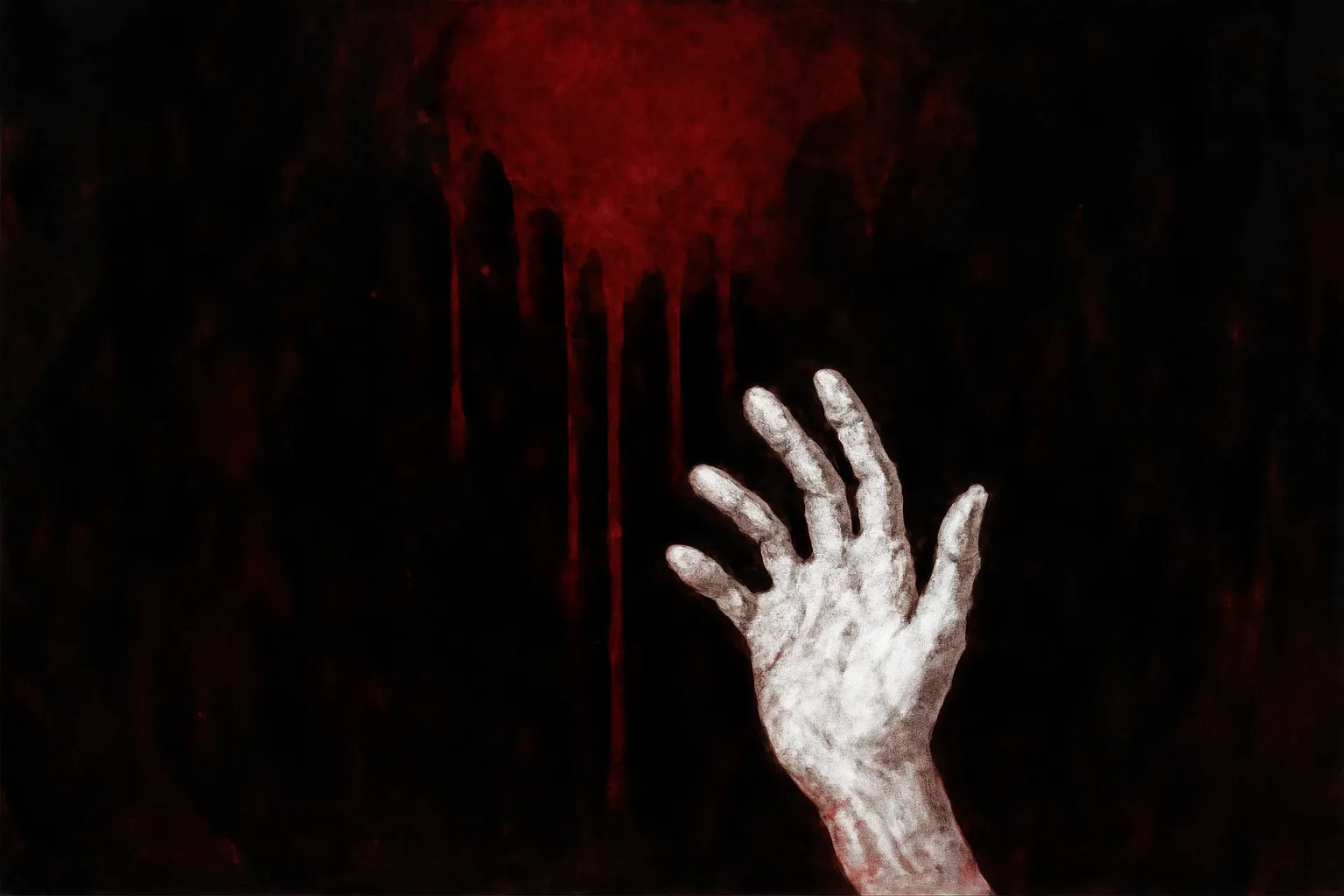
Blood psalms are not a single, fixed tradition but a broad family of lyrical and liturgical motifs that fuse the language of sacred poetry with the visceral symbol of blood. Across ancient rituals, biblical texts, and modern imaginative prose, the idea of blood as life, covenant, sacrifice, memory, and transformation has circulated in varied forms. In this article we explore the origins, the symbolic range, and the ways contemporary readers and writers reinterpret blood psalms for new meanings. The topic invites us to track how a physical substance—blood—comes to stand for moral, spiritual, and communal realities in different eras and cultures.
Origins of Blood Psalms: From Sacred Ritual to Literary Form
Ancient Near Eastern Roots
In the ancient world, blood was often the most tangible sign of life, kinship, and oath. In many Near Eastern cultures, oaths of loyalty or alliance were sealed with blood, and rituals that involved animal sacrifice produced a circulation of symbolic meanings that later language could borrow. The idea that a bond is sworn and bound by something as precious as life itself helped create a poetic register that poets and priests could reuse when composing hymns or recitations around temples and sanctuaries. These early practices laid the groundwork for a literary habit: to translate the intensity of a ritual moment into carefully crafted lines that could be preserved, repeated, and adapted across generations.
Biblical Language and Covenant Imagery
Within the Hebrew Bible and later Jewish and Christian traditions, blood becomes a covenantal sign, a seal, and a reminder of responsibility. The phrase «blood of the covenant» appears in the Hebrew Bible as a binding claim that a sacred agreement may require costly commitment. In Levitical law, the famous line that the life of the flesh is in the blood (Leviticus 17:11) links blood to life itself and to the possibility of atonement through sacrifice. In Christian thought, the theme evolves into the remembrance of Christ’s sacrifice, where blood takes on salvific meaning. The biblical idiom around blood—as life, as guilt, as reconciliation—shaped a mode of expression that later poets could appropriate when they spoke of struggle, mercy, and justice.
Symbolism and Thematic Range in the Psalter
Blood as Life and Vitality
One enduring interpretation of blood in psalmic and hymn-like texts is that it embodies life itself. Where the body breathes and beats, blood circulates as a visible sign of living continuity. In reflective and lamenting edges of sacred poetry, the blood metaphor can become a note of gratitude for vitality, a reminder that life is finite, and a prompt to offer praise for the gift of being. In modern readings, this can be extended to include collective health and the shared fate of communities—so that blood expresses both vulnerability and resilience.
Blood as Guilt, Atonement, and Forgiveness
Beyond vitality, blood carries the charge of guilt and the possibility of cleansing. In many traditions, the shedding of blood is linked to atonement, purification, and the restoration of right relationship with the divine or the community. This is not merely physical violence, but a symbolic economy: a narrative in which injury becomes the precondition for healing. In psalmic rhetoric, such terms invite readers to consider how memory of harm, confession, and the acceptance of responsibility can become a path toward renewal. Modern readers may hear echoes of personal remorse or collective remorse in these motifs, and the language can accommodate both individual and societal processes of reconciliation.
Blood as Covenant, Power, and Authority
The political and ethical dimension of blood is pronounced when it appears as a sign of covenantal obligation and authority. In ancient liturgies, the color and symbolism of blood signaled divine sanction on a people or a ruler, and it could be invoked to remind listeners of duties owed to the community and to the divine order. In the psalmic imagination, blood can thus function as a badge of identity and a reminder that political power carries moral weight. In contemporary readings, this dimension often translates into discussions of justice, responsibility, and the power to initiate or end cycles of violence.
Variations and Related Concepts: A Lexicon for Blood Psalms
Scholars and poets alike often employ a family of related terms to describe the same underlying phenomenon. Using variations of the phrase helps to expand its semantic reach and keep it flexible for different contexts.
Blood song — emphasizes music, cadence, and the intimate tie between sound and rite.
Psalm of blood — foregrounds the psalmic form as a vessel for blood-centered meaning.
Blood-liturgical verse — highlights ritual use and communal framing of the text.
Blood covenant language — stresses oath, bond, and legal-sacral dimensions.
Blood-memory — connects the symbol to lineage, inheritance, and inherited trauma or blessing.
Blood-soaked lament — foregrounds mourning, injustice, and the language of protest.
These variants are not merely stylistic choices; they reflect different emphases: life and vitality, ritual obligation, communal memory, or ethical indictment. Readers and writers often mix terms to keep the discourse dynamic and suitable for diverse audiences—from liturgical communities to secular poets.
Blood Psalms in Literature, Art, and Modern Media
In contemporary literature and art, blood psalms migrate away from strictly sacred contexts to broader arenas of human experience. Writers and artists borrow the motif to explore themes such as trauma, resilience, inheritance, and social justice. A blood-psalm might appear as a lyrical meditation on the inheritance of ancestors, a protest-poem that names violence and demands accountability, or a speculative fiction piece that personifies blood as a living archive of memory. In this sense, the blood psalm becomes a flexible instrument for articulating suffering and healing, hope and hazard, in a world where communities seek both truth and reconciliation.
Modern reinterpretations often harness the blood motif to address ethical questions about medicine and genetics, to highlight disparities in access to care, or to insist on accountability for harm. For example, a contemporary poetry collection might present a sequence that traces the lineage of a family through generations, using blood as a thread that ties family stories to national histories. A political essay might describe the “bloodlines” of power and critique how certain groups are marginalized or harmed, while a memoir might invoke blood as a symbol for the intimate cost of survival. In all these instances, the psalmic form—its cadence, insistence, and call to memory—provides a vehicle for moral reflection.
Modern Religious and Secular Adaptations
Some communities reinterpret blood psalms as inclusive or interfaith rites that acknowledge harm, seek justice, and honor healing. In secular or multi-faith settings, the language of blood can be reframed to talk about human vulnerability, the shared body of humanity, and the moral obligations that arise from living together. Conversely, some religious groups reclaim the imagery in a more traditional register, maintaining the sense of divine sanction and covenantal duty while emphasizing mercy and forgiveness. Across these diverging paths, the central energy of the blood motif remains: a potent sign that language can carry the weight of life, memory, and duty.
Modern Interpretations and Ethical Reflections
In the present era, readers often approach the blood psalms with heightened sensitivity to issues of violence, consent, and the ethics of witness. The symbol invites not only contemplation of past suffering but also questions about how societies respond to ongoing injustice. Some guiding questions for modern readers include:
How does the blood motif help articulate experiences of harm and healing in communities that have endured violence?
What responsibilities do individuals and institutions bear when called to address past bloodshed, whether in war, colonization, or systemic oppression?
In what ways can the symbolism of blood be used to advocate for justice, medical equity, and social solidarity?
How can artists and theologians balance reverence for tradition with critical engagement with historical harm?
These questions show that blood psalms are not relics of the past but living tools for ethical conversation. The language of blood—as sign of life, witness, memory, and accountability—continues to resonate in classrooms, sermons, clinics, and creative studios. The task for modern interpreters is to honor the complexity of the symbol while making it accessible to readers who bring their own histories into the equation.
Cross-Cultural and Interfaith Perspectives on Blood and Song
While the phrase blood psalms arises from a Judeo-Christian and ancient Near Eastern milieu, the core intuition—life and oath bound in a single, potent sign—finds echoes across many traditions. In some indigenous and Afro-diasporic repertoires, for instance, blood is linked to ancestors, lineage, and ritual remembrance in ways that parallel the psalmic impulse: to memorialize, to mourn, and to seek healing through communal song. In Hindu and Buddhist traditions, ritual fluids and bodily signs have symbolic resonance in contexts of purity, sacrifice, or devotion, and poets work in a global conversation where the moral energy of blood serves as a bridge between experience and expression. Readers who explore cross-cultural perspectives may notice both striking resemblances and distinctive divergences in how blood is framed as life, justice, or witness.
Interfaith dialogue about blood language often emphasizes ethical restraint and responsible storytelling. The careful use of the imagery can help articulate universal human experiences—suffering, memory, solidarity—without turning into sensationalism or sensational rhetoric. In educational settings, discussions of blood psalms across traditions invite students to compare metaphorical strategies, to evaluate how language shapes belief, and to consider how poetry can function as a civic act, calling communities to remember and to repair.
Scholars and writers who work with blood psalms frequently note that form matters as much as content. The psalmic form—its refrain-like cadence, parallelism, and rhetorical devices—provides a built-in mechanism for compression and resonance. When modern poets borrow this form to address contemporary concerns, they often blend ritual regularity with free-verse urgency, producing works that feel both ancient and immediate. The act of crafting a blood psalm becomes an ethical discipline: a decision to acknowledge pain, to listen to voices that have been silenced, and to offer a poetic space where healing might begin.
In classrooms and reading rooms, students may analyze how imagery shifts when the symbol is applied to different subject-matters—family lineage, communal memory, or public policy. They may also discuss the rhetorical strategies that keep a blood psalm accessible: concrete sensory details (the taste of iron, the color red, the feel of a hand on a wound), the cadence of a chorus or invocatory line, and the interplay between intimate confession and public witness. By tracing these craft decisions, readers gain a deeper appreciation for how language can carry moral weight while remaining artistically compelling.
From ancient ritual to modern poetry, the concept of blood psalms demonstrates how a single, physically vivid symbol can travel across centuries, cultures, and genres. The origins lie in the intimate connection between life, oath, and sacrifice; the symbolism expands into life-giving force, guilt and forgiveness, and covenantal obligation; and the modern interpretations transform a sacred vocabulary into a versatile tool for memory, justice, and healing. Whether read as liturgy, lament, protest, or elegy, the blood psalm remains a potent framework for thinking about what it means to belong to a community, to bear witness to suffering, and to seek repair in a world that continually tests our resilience.
Ultimately, the enduring appeal of blood psalms lies in their capacity to embody real human stakes in symbolic language. They invite us to consider how much of who we are is written in the bloodline of our ancestors, how much is earned through acts of courage or mercy, and how much of our future depends on the choices we make today. When readers encounter the blood motif in psalms, in poetry, or in contemporary art, they are invited into a dialogue about life, death, responsibility, and the possibility of renewal. In that dialogue, the old language remains responsive to new life—the living pulse behind every psalm and every blood-liturgical verse.