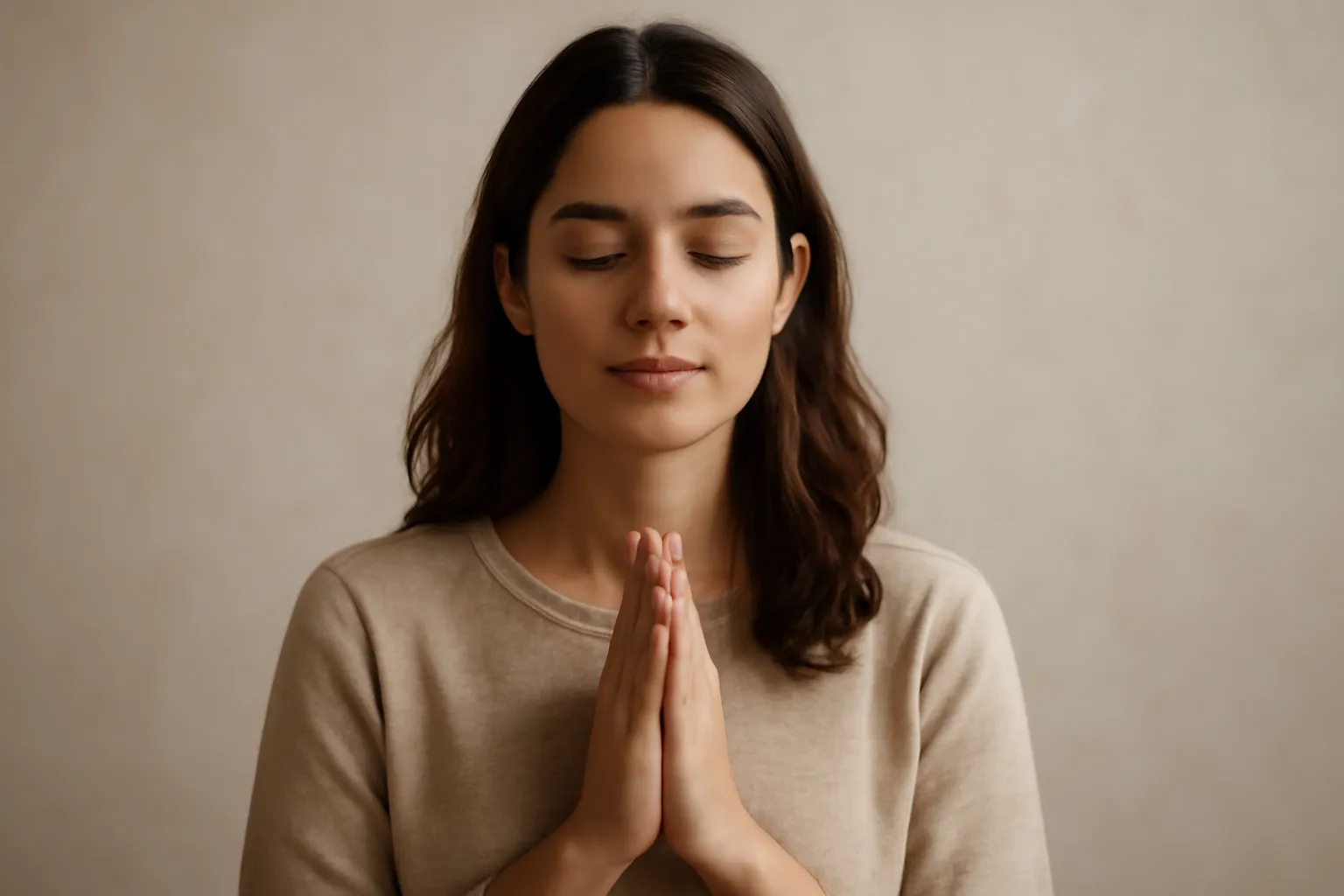
Mindfulness Prayer: A Guided Practice for Inner Peace
In a world that moves quickly and often pulls attention in many directions, mindfulness prayer offers a path to steady presence and inner calm. This approach blends two ancient strands of human experience: the intentional attention cultivated in mindfulness and the intimate, aspirational quality of prayer. The result is a practice that can be accessible to people with a wide range of beliefs—whether you frame it as a spiritual conversation, a secular moment of stillness, or a daily ritual of gratitude. The aim is not to force transcendence from outside, but to invite a compassionate, nonjudgmental awareness into the heart of daily life. This article provides a comprehensive, step-by-step guide to practicing mindfulness prayer, along with variations, tips for integration, and considerations that can help you cultivate lasting inner peace.
What is mindfulness prayer, and why does it work?
At its core, mindfulness prayer is a form of practice that keeps attention anchored in the present moment while opening to a sense of connection—whether that connection is to the divine, to others, or to one’s own deepest values. It is present-moment awareness combined with a gentle, guiding intention. Rather than approaching prayer as a distant plea or a static list of wishes, mindfulness prayer invites you to engage with awareness in the here and now. This combination can soften reactivity, reduce rumination, and foster a sense of inner peace that arises from steadiness rather than effort.
There are several ways to describe this practice, each with a slightly different emphasis:
Breath-centered mindfulness prayer: A focus on the breath as a doorway into presence, paired with a short, meaningful phrase or intention.
Loving-kindness mindfulness prayer: A deliberate cultivation of warmth toward self and others as a form of mindful devotion.
Gratitude-focused mindfulness prayer: An intentional acknowledgment of the sources of nourishment in life, offered with mindful attention.
Contemplative mindfulness prayer: A quiet, spacious exploration of one’s beliefs, values, and relationship to something larger than self.
Intercessory mindfulness prayer: A mindful extension of care toward others, held within a framework of awareness and compassion.
Across these variations, the throughline is consistency: bring attention to the present moment, soften the inner critic, and invite a sense of compassion—toward oneself and toward others. When practice is sincere but not punitive, mindfulness prayer can become less about achieving a particular outcome and more about cultivating a reliable sanctuary of awareness that can accompany you into daily life.
Benefits and potential outcomes of mindfulness prayer
The practice of mindful prayer has several practical benefits that have been observed across various forms of mindfulness and contemplative traditions. While individual results vary, many practitioners report gains in emotional regulation, clarity of mind, and a deeper sense of purpose. Some commonly reported outcomes include:
Reduced stress and lowered physiological arousal through regular breathing-aware pauses.
Improved attention and greater ability to stay with a task without immediate distraction.
Enhanced empathy, as mindful attention expands awareness of others’ experiences.
Stability during adversity, as a steady anchor can reframe reactions in challenging moments.
Alignment with values, helping daily actions reflect one’s deeper commitments.
It’s important to note that mindfulness prayer is not a substitute for professional mental health care when needed. If you or someone you know is experiencing persistent distress, clinical guidance and support from qualified professionals are essential. Mindfulness-based practices can complement such care by enhancing self-awareness and self-regulation within a structured framework.
Core principles of mindfulness prayer
A successful mindfulness prayer practice rests on several guiding principles. Keeping these in mind can help you approach each session with intention and care:
Non-judgment: Observe thoughts and feelings without labeling them as good or bad.
Openness: Welcome whatever arises in awareness, including discomfort, doubt, or fatigue.
Breath as anchor: Use the breath to ground attention and reduce reactivity.
Compassion: Let kindness guide your attention, toward self and others alike.
Pause: Create small, deliberate pauses in daily life to reconnect with presence.
Consistency: Regularity matters more than intensity; even brief daily sessions can accumulate meaningful shifts.
When these principles are practiced over time, mindfulness prayer can become a reliable habitat of calm in a busy life. It is less about escaping difficulties and more about meeting reality with clarity, steadiness, and care.
A guided practice you can use today
Below is a practical, step-by-step guided practice designed to be approachable for beginners while still meaningful for experienced meditators. You can adapt the duration to fit your schedule—from a short five-minute session to a longer, twenty-minute encounter.
Prepare your space and posture. Find a quiet, comfortable place. Sit with your back relatively straight yet relaxed, or lie down if needed. Let your hands rest softly in your lap or on your knees. If you like, dim the lights or light a candle to enhance atmosphere. The goal is a posture that supports alertness without strain.
Set a gentle intention. In your own words or with a brief traditional phrase, invite presence: “May I be present with kindness.” “May this moment be enough.” Or simply, “I am here.”
Centering breath. Close your eyes if you’re comfortable. Slowly become aware of your breathing. Inhale through the nose for a count of four, allowing the abdomen to rise. Exhale through the nose or mouth for a count of six, letting the abdomen fall. If counting feels constraining, simply notice the breaths—inhale, exhale—without forcing a rhythm.
Select a mindfulness phrase or focus. Choose a short phrase or mantra to accompany your breath. Examples include:
“Breathing in, I am present.”
“Breathing out, I release judgment.”
“May I be kind to myself.”
“May we all find peace.”
You can also opt for a more neutral focus, such as “present moment” or “here and now.”
Let the practice unfold. Silently or softly repeat your chosen phrase with each breath cycle. Allow the words to accompany the breath without straining for a certain outcome. If thoughts drift, simply label them as “thinking,” and gently return to the breath and phrase.
Cultivate inclusion and compassion. As you settle, expand your awareness to include a sense of care for yourself and others. You might silently offer a phrase of goodwill to someone you know, or to all beings who suffer, such as: “May all beings be free from unnecessary pain.”
Close with gratitude or a brief reflection. Before ending, take a few moments to acknowledge what you received from the practice—whether a sense of relief, clarity, or simply the experience of showing up. You may softly say, “Thank you for this moment.”
Return to daily life. Open your eyes slowly, stretch, and notice how you carry the felt sense of the practice into activities such as walking, eating, or conversing.
The above sequence can be repeated daily or adjusted to fit a busy schedule. For a shorter version, you can reduce the breathing cycles and skip the extended compassion section, while preserving the core practice of single-pointed attention and a gentle phrase.
Sample guided script (you can read or recite softly)
“I pause, I notice my breath. In this moment, I choose presence. Inhale, I am aware. Exhale, I release resistance. May I meet this moment with kindness. May I be present for myself, and for others. May this awareness bring peace.”
Keep this script as a personal touchstone; over time you may create a version that resonates most deeply with your beliefs and daily rhythms.
Variations of mindfulness prayer to enrich practice
Different moods, times of day, or contexts may call for variations of mindfulness prayer. Each variation holds the same core intention—steady awareness and compassionate engagement—while offering a distinct flavor. Here are several practical options:
Breath-centered mindfulness prayer
This form foregrounds respiration as the anchor. The practice invites a simple, rhythmic pairing of breath and prayer phrase. It can be especially helpful when attention is scattered or when you need a quick reset during a hectic schedule.
Loving-kindness mindfulness prayer
Also known as metta practice, this variation extends warm wishes first to the self, then to others—people you know, strangers, and even difficult individuals. The language may evolve from a gentle blessing to an open-hearted intention. The effect is often a gradual expansion of empathy and social connectedness.
Gratitude-focused mindfulness prayer
A gratitude orientation invites you to notice the “gifts” of life, large and small. With mindful attention, you can savor everyday blessings—air, light, food, friendship—and offer thanks with an uncluttered heart. This shift can reframe perception toward abundance rather than lack.
Nature-based mindfulness prayer
Some find resonance with a practice that situates presence within the natural world. Observing a breeze, the sound of birds, or the feel of sun on the skin can become cues for mindfulness, prayer, and a sense of belonging within a larger natural order.
Intercessory mindfulness prayer
In this variation, you deliberately hold others in your mindful awareness. You can offer compassionate intentions for people you know and for communities you care about, balancing your focus on self with an outward reach toward others’ well-being.
Short-form and extended formats
Short practices—three to five minutes—are practical for daily life, especially during transitions between tasks. Longer sessions—ten to twenty minutes or more—allow deeper exploration of sensations, emotions, and beliefs. Both formats can be meaningful if approached with gentleness and consistency.
Integrating mindfulness prayer into daily life
The power of mindfulness prayer grows when it becomes a recurring thread woven through everyday rhythms. Here are practical strategies to help you integrate the practice with minimal friction:
Morning anchor: Start the day with a brief practice to set tone and intention.
Midday reset: Use a short pause before meals or after meetings to realign attention.
Evening reflection: End the day with a gentle gratitude or compassionate reflection.
Silent practice in motion: Try walking mindfulness prayer—inhale with a step, exhale with a step—while keeping attention on the body and surroundings.
Environmental cues: Pair practice with a familiar cue—a chair, a window, or a seat in your home—to prompt a pause.
Digital mindfulness: Use guided audio or calming sounds to support practice, while observing mindful limits on screen time.
A core benefit of daily integration is the development of a portable inner sanctuary. This is not a retreat space you must travel to, but a mental and emotional configuration you can access at work, at home, or on the road. With time, the sense of peace cultivated during mindfulness prayer can become more readily available in moments of stress, conflict, or uncertainty.
Common challenges and how to address them
Any sustained practice encounters obstacles. Here are some frequent challenges and practical strategies to overcome them:
Persistent wandering: Thoughts drift. Gently acknowledge them as “thinking” and return attention to the breath or phrase without self-criticism.
Restlessness or discomfort: Adjust posture, allow pauses, or shorten practice time. Sometimes a softer, slower breath is more sustainable.
Judgment about progress: Let go of “shoulds.” Treat each session as an experiment in awareness, not a test of merit.
Time pressure: Use micro-practices of 2–3 minutes multiple times a day to build consistency without overwhelming your schedule.
Spiritual or theological concerns: Adapt language to your beliefs; mindfulness prayer can be secular or sacred depending on your context. The essential aim is compassionate presence.
Safety, ethics, and inclusivity considerations
Mindfulness prayer is broadly compatible with many spiritual and secular frameworks. However, it’s important to approach practice with respect for diverse beliefs and personal boundaries. If a particular tradition or wording feels inappropriate or uncomfortable, consider rephrasing or substituting a phrase that aligns with your values. For some individuals, mindfulness practices may surface difficult emotions; in such cases, proceed slowly, seek guidance from a teacher or therapist if needed, and prioritize safety and self-care.
For those with acute mental health concerns, mindfulness prayer should be practiced as part of a comprehensive care plan developed with a licensed professional. The practice can support treatment by increasing awareness and reducing avoidance, but it is not a substitute for medical or psychological intervention.
Resources to deepen practice
If you want to explore mindfulness prayer further, several accessible resources can help you expand your knowledge and practice. The following suggestions include readings, audio guidance, and community opportunities:
Books that weave mindfulness with contemplative prayer or devotional practice, such as introductory guides to mindful prayer, practical manuals on breath-centered practices, and anthology collections of mindful reflections.
Guided audio programs and apps that provide structured sessions, ranging from brief 5–10 minute prompts to longer, thematic journeys.
Local groups or retreats that offer guided sessions, where you can learn with others and receive feedback in a supportive setting.
Academic and clinical resources describing the effects of mindfulness-based practices on attention, mood, and well-being, which can help you understand the broader context and science behind mindfulness prayer.
When choosing resources, look for credible authors and instructors, clear guidance on posture and safety, and materials that honor your personal worldview. The most valuable tool is consistent practice, so begin with what feels accessible and gradually deepen as your awareness and comfort grow.
Closing reflections: the path of steady attention
Mindfulness prayer invites you to cultivate a quiet center that does not erase the world’s noise but provides a reliable way to meet it with clarity and care. The aim is not to “fix” everything at once, but to grow in the ability to pause, notice, and respond with intention. Over time, you may notice a shift from reactive habits to deliberate, compassionate actions—both toward yourself and toward others.
Remember that practice, patience, and kindness are the pillars of meaningful growth. A daily commitment—even a short one—can accumulate into a lasting sense of inner peace that you can carry into work, family life, and community. The journey is personal, but you are never alone: many practitioners around the world share this path of mindful prayer, offering variations and insights that can illuminate your own practice.
If you keep returning to a simple, present-centered frame—breath, intention, and a phrase rooted in compassion—you will likely discover that mindfulness prayer is less about achieving a perfect state and more about cultivating a way of living that aligns attention with care. In this alignment, inner peace becomes not a distant destination but a companion you can welcome again and again, in small moments and in larger ones alike.