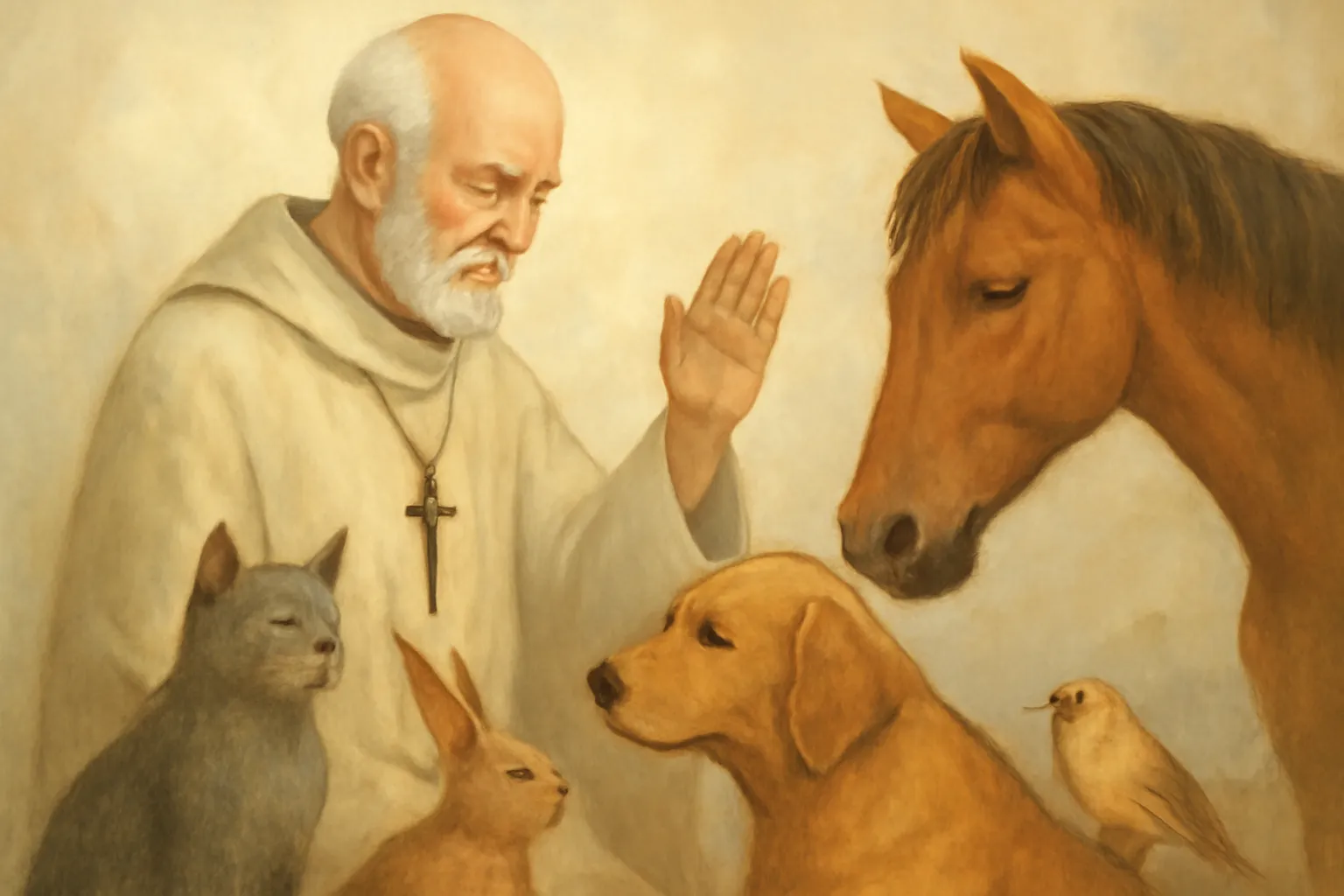
Animal Blessing Prayer: A Heartfelt Guide to Blessing Your Pets
Many people around the world carry a deep sense of gratitude and wonder for the companionship, joy, and comfort that pets bring into daily life. An animal blessing prayer is a gentle, intention-filled practice that invites gratitude for animals, seeks protection for them, and affirms our responsibility to care for their wellbeing. Whether you come from a religious tradition that explicitly includes blessings of animals, or you approach this practice from a secular, universal, or interfaith perspective, the core ideas remain the same: kindness, reverence, and a sense of shared life between humans and nonhuman beings. This guide offers a thorough overview of the practice, its history, practical steps to perform a blessing, and a collection of sample prayers and reflections you can adapt for your family, your pets, and your community.
What is an animal blessing prayer?
An animal blessing prayer is a short or extended moment of prayer, ritual, or reflection dedicated to the well‑being and safety of animals. It may be offered for household pets, rescue animals in shelters, farm animals, wildlife, or any creature with whom humans share the planet. While the exact form can vary, the essential elements include: gratitude for animal life, a request for protection and good health, and a commitment to compassionate care. In many traditions, the blessing also acknowledges the spiritual or moral bond between people and animals, recognizing that animals are sentient beings capable of feeling pain, joy, and love.
The concept of blessing animals has both a practical and a symbolic dimension. Practically, it can be a moment to review care routines, safety measures, and welfare considerations for pets. Symbolically, it can deepen a family’s sense of responsibility toward all living beings and strengthen the bond shared with animal companions. For those who celebrate a faith tradition, the blessing may be tied to feast days or liturgical cycles; for others, it can be a seasonal or personal ritual that honors life and creation.
Historical and cultural context
St. Francis of Assisi and the blessing of animals
A cornerstone reference for animal blessings is the figure of St. Francis of Assisi, the patron saint of animals and ecology in Christian tradition. St. Francis is celebrated for his gentle, inclusive love of all creatures. His story of preaching to birds and caring for the vulnerable animals of his time has inspired countless pet blessing ceremonies, community events, and personal prayers. In many Catholic communities, the Blessing of the Animals is observed on or around October 4, the feast day of St. Francis, though blessings can occur any time when people wish to honor animals.
Other traditions and modern interfaith expressions
Beyond the Catholic tradition, many faiths and spiritual streams recognize the importance of treating animals with respect. In some Protestant, Anglican, and Episcopal communities, you may find blessings of the animals as part of a broader service celebrating creation and stewardship. In Jewish, Muslim, Hindu, Buddhist, and secular humanist contexts, individuals often approach animal welfare and gratitude through prayers, reflections, or ethical commitments rather than formal liturgies. In contemporary practice, interfaith and non-denominational groups increasingly host interfaith animal blessing ceremonies that welcome people and pets of all backgrounds. These gatherings emphasize universal themes—compassion, responsibility, and reverence for life—without requiring adherence to a particular creed.
Why bless your pets? The rationale behind pet blessings
Gratitude and mindfulness: A blessing invites you to slow down, notice your pet’s presence, and express appreciation for the companionship they provide.
Protection and wellbeing: Many blessings include a request for safety, health, and comfort for living beings in your care.
Ethical care and responsibility: The ritual can serve as a reminder to uphold the highest standards of welfare—proper housing, nutrition, medical care, and enrichment.
Hope and resilience: For animals facing illness, aging, or uncertain futures, a blessing can be a moment of solidarity and emotional support for families and caregivers.
Family and community bonding: A shared blessing can become a meaningful family tradition or a community event that celebrates interspecies kinship.
In addition to these benefits, a blessing can be tailored to reflect your values—whether you place emphasis on family, environmental stewardship, or spiritual connection with all living beings. The practice can be inclusive, welcoming adoptive families, shelter volunteers, and neighbors who wish to participate with their own pets or simply hold space for the welfare of animals.
When and where to hold an animal blessing
Occasions and milestones: Pet birthdays, adoption anniversaries, or times of transition (moving homes, welcoming a new pet, or saying goodbye to a pet who has died).
Seasonal and liturgical moments: Around feast days related to animals or creation, during Earth-centered or nature holidays, or at community gatherings focused on compassion for living beings.
Rescue and shelter events: Volunteer days, adoption fairs, or “Meet the Pets” campaigns at shelters, rescue groups, or veterinary practices.
Family rituals: A quiet Sunday afternoon, a birthday party for a pet, or a small ceremony to mark a routine veterinary checkup or recovery from illness.
Where to hold the blessing is flexible. It can be a cozy corner of your home, your backyard, a park, a shelter meeting room, or a community center. The important part is that the space feels safe and welcoming for animals and humans alike. If you are organizing a public event, consider gentle introductions for shy pets, a quiet waiting area, and clear instructions for handlers to keep pets calm and comfortable.
How to perform an animal blessing prayer
Below is a practical, step-by-step guide you can adapt. The process is designed to be approachable for families with children, pet owners, shelter staff, and volunteers, and it can be shortened or expanded based on your needs.
Preparation
Choose a form and tone: Decide whether your blessing will be formal, informal, interfaith, or secular. You might prepare a short blessing to be read aloud, or invite participants to share a personal intention.
Gather simple elements: A small bowl of clean water (symbolic of cleansing and life), a candle (for illumination or remembrance), a bell or chimes (for gentle sound), a scarf or ribbon (to gently wrap around the hand or pet’s leash)—any of these can be optional.
Invite participation: Explain the purpose of the blessing, remind participants to respect animals’ comfort levels, and invite short contributions if appropriate.
Set a calm pace: Allow time for pets to sniff, observe, and settle in the space. Avoid rushing through the ritual; a slower pace reduces stress for animals.
Prepare a simple text: Have a short prayer, blessing, or reflection ready to read or recite. Write it in a form that you can adapt for individual pets or for a group.
During the blessing
For each animal: If possible, bring the pet into a comfortable position (on a lap, a mat, or a calm stand) and address them directly with a gentle, soothing voice. Use the pet’s name to personalize the moment.
Offer the blessing: Read or recite your prepared text, or invite a participant to share a brief intention. You can adapt your words to focus on gratitude, protection, health, or happiness for the animal.
Incorporate a sensory cue: If using water, you may sprinkle a few drops with a clean finger or offer a small bowl nearby for the pet to investigate. If using a candle, keep it safely lit and away from the pet’s reach; a mere symbolic flame or a battery-operated light can work in close proximity to animals.
Close with a moment of silence or a gentle sound: A soft chime, a bell, or a brief period of quiet reflection can help seal the blessing and allow participants to silently send well‑wishes to the animals.
Aftercare and reflection
Follow-up care: Use the blessing as a reminder to review your pet’s daily care, vet checkups, vaccinations, dental care, grooming, and enrichment activities.
Thank you notes or messages: Consider sending a quick note to shelter volunteers or fellow participants acknowledging the shared commitment to animal welfare.
Documentation: If you are planning a community event, capture photos (with consent from the pet owners) and share them with your community to inspire ongoing care and compassion.
Prayers and texts: Variations on the blessing for animals
Prayers and blessings for animals come in many shapes. The following sections offer a spectrum of options—from traditional religious texts to inclusive, modern adaptations that emphasize care, gratitude, and respect for all living beings.
Catholic and traditional blessings of animals (sample text)
The Catholic tradition often centers on the Blessing of the Animals with a structure that references creation, stewardship, and compassion. Here is a representative sample that can be adapted for personal use or family gatherings. Always use language that feels comfortable for you and respectful of others’ beliefs.
Prayer for the Pet
O God, Creator of all creatures, thank you for the life you have entrusted to us in this beloved animal companion. Bless this animal, whom we hold dear, with health, vitality, and peace. Guard him/her from pain and fear, grant him/her comfort in old age, and keep him/her safe from harm. May our home be a place of kindness, care, and quiet joy. Help us to be compassionate caregivers, honoring the dignity of every creature. Through Christ our Lord. Amen.
Optional add-ons:
Include a blessing for the pet’s health and a hope for harmony within the home.
Invite children to offer a pet’s birthday or adoption anniversary prayer.
Interfaith and universal blessings (inclusive, non-denominational)
For interfaith or secular gatherings, these lines aim to honor all beliefs while focusing on shared values: gratitude, protection, and care for animals. Use or adapt as you wish.
Universal blessing for animals
We give thanks for the gift of life and the friendship of animals who grace our days. May all creatures be safe, healthy, and free from fear. May this home be a place of gentleness, nourishment, and play. May we remember that every heartbeat is a sign of worth, and may our actions reflect a commitment to kindness toward all living beings. Amen, or so be it.
Non-religious or secular blessings
Humanist or secular blessings foreground humane ethics, compassionate care, and humane treatment of animals without invoking divine beings. They can be just as meaningful and powerful in guiding daily actions.
Secular blessing for a pet
Today we celebrate the bond we share with these wonderful creatures. May this animal be healthy, safe, and happy. May we provide proper food, shelter, medical care, exercise, and mental stimulation. May our households be peaceful, and may our choices honor the dignity of all living beings. May our love be a steady, lasting gift to this companion and to the world we share.
Prayers for specific animals
Different species and temperaments may respond to different tones and imagery. Below are a few examples tailored to common pets and considerations.
Dogs: A blessing that emphasizes loyalty, safety, and joyful companionship.
Cats: A blessing that honors independence, curiosity, and comfort in their chosen spaces.
Birds: A blessing that references wings, flight, and the safety of their roosts.
Small mammals and rabbits: A blessing focusing on gentle handling, enrichment, and calm environments.
Fish and aquatic life: A blessing that acknowledges their quiet beauty and the care of clean, healthy waters.
Farm animals: A blessing emphasizing stewardship, humane husbandry, and environmental care.
Creating a personal animal blessing ritual
You can craft a personalized blessing that reflects your family’s values, your pet’s personality, and your cultural or spiritual background. Here are practical guidelines to help you design a ritual that feels meaningful and feasible.
Name your intention: Begin with a clear intention—gratitude, protection, health, or companionship. Write it down or say it aloud.
Choose your symbols: Water for life, a candle for warmth and light, a bell for attention, or a soft cloth for gentle handling of the animal. Symbols can be meaningful without being elaborate.
Involve the pet’s personhood: Use the animal’s name, speak in a calm tone, and respect their boundaries. If the pet is anxious or uncomfortable, shorten the ritual or do it in stages.
Incorporate gratitude and service: Express thanks for the times your pet has shown courage, companionship, or healing. Add a personal pledge to care better for the animal and to support other animals in need.
Document the moment: Consider keeping a journal entry, a photo, or a short video of the blessing. Reflection helps anchor the experience and invites continued mindfulness.
Ethical considerations and compassionate care
When conducting an animal blessing, it is essential to center the welfare of the animal. Here are practical guidelines to ensure the experience respects the animal’s needs and dignity.
Respect consent and comfort: Never force an animal into a situation that causes fear or distress. If a pet hides or shows signs of stress, pause or end the ritual and try again later.
Keep the environment calm: Minimize loud noises, unfamiliar people, and sudden movements. A quiet, familiar space reduces stress and helps the animal feel secure.
Safety first: Keep candles, incense, or other potential hazards away from pets. Use battery-powered lights or water-based rituals when needed.
Acknowledge diverse beliefs: In a community setting, welcome participants with varied beliefs. Emphasize universal values—care, respect, and compassion—rather than dogmatic claims.
Follow up with ongoing care: A blessing should be part of a broader program of responsible pet care, including regular veterinary visits, vaccines, dental care, grooming, and enrichment activities.
Resources for further exploration
Books on the spirituality of animals, creation care, and pet blessings
Guides from animal shelters and rescue organizations on integrating blessings into adoption events
Interfaith and secular perspectives on blessings and rituals for animals
Online communities and local faith groups that host animal blessing ceremonies
Whether you are part of a church, a temple, a mosque, a synagogue, a nature-centered spiritual group, or a family seeking a simple, heartfelt practice, an animal blessing prayer can become a meaningful ritual that deepens your relationship with your pets and your commitment to their welfare. The path you choose—traditional, interfaith, or secular—can be adapted to fit your beliefs and your pet’s temperament, thereby making the blessing a genuinely personal and transformative experience.
Tips for a successful animal blessing event
Plan ahead: Decide on the format, guest list, and whether you will involve a veterinarian or animal welfare professional to discuss care considerations.
Promote safety and inclusivity: Provide guidelines for handling pets with care and ensure the event is accessible to different kinds of animals and owners.
Offer quiet spaces: For pets overwhelmed by crowds, create a separate, calm space with familiar blankets, a familiar toy, and limited stimulation.
Provide take-home resources: Create simple handouts with care tips, contact numbers for local shelters, and suggestions for ongoing acts of compassion toward animals.
Make it a community occasion: Invite local clergy, shelter staff, veterinarians, and animal lovers to join in. A shared moment can foster dialogue about animal welfare and community service.
A heart-centered approach to blessing your pets
An animal blessing prayer offers a thoughtful way to honor the bond between humans and animals, to express gratitude, and to reaffirm a commitment to their welfare. By blending historical tradition with contemporary practice—whether through a formal liturgy, a simple family ritual, or a non-religious reflection—you can create a meaningful experience that honors life in all its forms. The blessing becomes more than a moment of words; it is a practice of presence, care, and responsibility that can influence daily choices, from feeding and medicine to play and protection. If you decide to host or participate in an animal blessing, approach it with humility, gentleness, and an open heart, and let the life and love of the animals you bless guide you toward greater compassion for all beings.
May your pet blessings be moments of grace, connection, and lasting care. May every tail wag, purr, chirp, or flutter remind us of the sacred value of every creature. And may we, in our homes and communities, become steadier guardians of the wellbeing and dignity of all living beings.