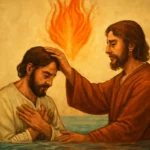
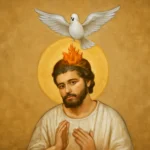
Anointed with Holy Spirit: What It Means and How to Walk in His Power Today
Throughout biblical history, the phrase anointed with the Holy Spirit carries weighty significance. It signals a distinct moment of divine presence, empowerment, and commissioning for purpose. In the Christian tradition, the idea of being anointed by the Spirit is not merely a symbolic act from antiquity; it is a living reality that believers can experience today. This article explores what it means to be anointed with the Holy Spirit, how that anointing operates in the life of a follower of Christ, and practical ways to walk daily in the power of the Spirit in a contemporary setting.
From the Old Testament practice of oil anointing for kings, priests, and prophets to the New Testament revelation of the Spirit’s indwelling, the anointing points to a divine source of enablement beyond natural ability. The goal is not to sensationalize spiritual experiences but to cultivate a steady life guided and empowered by God. In what follows, you will find distinctions, biblical foundations, and actionable steps for walking in the Spirit’s power today.
What It Means to Be Anointed with the Holy Spirit
To be anointed with the Holy Spirit means more than a single emotional moment or a private experience. It is a comprehensive reality that touches identity, calling, love, and action. The Spirit’s anointing is described in Scripture as an unearned gift that makes believers capable of serving God faithfully, loving others genuinely, and bearing witness to Christ with boldness and wisdom.
Divine presence and direction: The anointing signifies that God’s Spirit dwells within and guides you in daily decisions, big choices, and moral discernment.
Empowerment for service: The Spirit equips believers to fulfill God-given tasks, whether in preaching, teaching, mercy, intercession, or practical acts of service.
Gifts for God’s work: The Spirit distributes spiritual gifts (such as teaching, exhortation, healing, wisdom, faith, and others) to build up the church and reach the world with the gospel.
Transformation in character: The anointing is accompanied by the fruit of the Spirit—love, joy, peace, patience, kindness, goodness, faithfulness, gentleness, and self-control—that marks the life of the believer.
Truth and discernment: The Spirit illuminates Scripture and helps believers distinguish truth from falsehood, guiding conscience toward what aligns with God’s will.
Different Christian traditions emphasize slightly different aspects of the Spirit’s work, but the core experience remains consistent: God actively enables, equips, and manifests His presence in the life of a believer who trusts Him. When people speak of being anointed by the Spirit, they are pointing to a reality in which God’s power is available for sanctification, ministry, and mission. It is not a private privilege; it is a shared invitation to participate in God’s redemptive work in the world.
How the Anointing Is Described in Scripture
Scripture presents the anointing of the Holy Spirit in a few interrelated ways, rooted in both Old and New Testament contexts. The imagery of oil in the Old Testament signals consecration and commission. In the New Testament, the anointing is tied to Jesus’ messianic mission and to the outpouring of the Spirit on believers after Pentecost.
Old Testament consecration and symbol: Oil symbolizes being set apart for sacred service. Kings, priests, and prophets were anointed to indicate God’s choice and empowerment for their roles (for example, the anointing of David as king). This established a pattern in which God’s Spirit rests on those who are set apart for His purposes.
Messianic fulfillment: Jesus’ announcement in Luke 4:18–19 describes the Spirit’s anointing as central to His mission: to proclaim good news to the poor, recovery of sight to the blind, and liberation for the oppressed. Jesus embodies and inaugurates the Spirit’s work.
Pentecost and the Spirit’s indwelling: In Acts 2, believers receive the Holy Spirit in a new way—the Spirit dwells within individually and empowers the church collectively. This marks the beginning of an ongoing, personal, and corporate experience of the Spirit’s power for witness and service.
Gifts and fruit as evidence: The presence of the Spirit is evidenced by spiritual gifts (1 Corinthians 12; Romans 12; Ephesians 4) and by the transformation of character through the fruit of the Spirit (Galatians 5:22–23).
Across traditions, the practical takeaway remains the same: the Spirit’s anointing is the divine enablement that makes possible what God asks of His people. The Spirit does not force, coerce, or override human freedom; rather, He partners with believers who submit to Him in faith and obedience.
Different Ways People Talk About It
Over the centuries, Christians have described the Spirit’s work with a variety of terms. Each carries a particular nuance, and together they provide a fuller picture of the Spirit’s activity in a believer’s life.
The Spirit’s anointing or anointing of the Spirit: Emphasizes God’s choice and empowerment for service and mission.
The filling of the Holy Spirit: Often described as ongoing daily yieldedness to the Spirit, enabling right conduct, wisdom, and power for living out faith in daily life.
Baptism with the Holy Spirit: A foundational experience for some traditions, highlighting the moment when a believer is immersed into the life and power of the Spirit for bold witness and service.
The Spirit’s gifting or gifts of the Spirit: Refers to particular capacities the Spirit distributes to build up the church and reach people with the gospel.
Fruit of the Spirit: The moral and relational outworking of the Spirit’s work in the believer’s character.
Divine enablement for ministry: An emphasis on practical acts of service—teaching, healing, prophecy, encouragement, leadership, and mercy—through supernatural empowerment.
Despite the diversity of language, the underlying reality is consistent: the Holy Spirit manifests in ways that strengthen faith, deepen love for God and neighbor, and advance the mission of God in the world. When you encounter phrases like anointing, filling, or baptism, you are encountering pathways by which God communicates His readiness to work in and through you.
How to Walk in the Spirit’s Power Today
Walking in the Spirit’s power is a practical journey, not merely a theoretical belief. It involves daily choices, humble submission, and reliable practices that align with Scripture and community discernment. The following framework offers guidance for living out the anointing in everyday life.
1) Align Your Heart with God’s Will
Effective partnership with the Spirit begins with surrender. When a believer consistently seeks to know and do God’s will, the Spirit’s guidance becomes clearer. This alignment is expressed in:
Repentance and faith: Turning away from self-reliance and embracing dependence on Christ.
Desire for holiness: A longing to reflect Christ in attitudes and actions.
Submission to Scripture: Allowing Bible study to recalibrate desires and decisions.
2) Seek and Welcome the Spirit’s Filling Daily
Being filled with the Spirit is not a one-time event but a daily posture of openness. Through prayer and worship, believers invite the Spirit to renew, empower, and guide them. Key practices include:
Prayerful dependence: Regularly asking God for spiritual empowerment, wisdom, and discernment.
Scripture immersion: Allowing the truth of God’s Word to shape conscience and actions.
Worship and gratitude: Cultivating sensitivity to the Spirit through praise and thanksgiving.
Scripture often links spiritual fullness to being “filled with the Spirit” rather than merely being filled in a moment. Consistency matters: small, daily disciplines accumulate into a robust capacity to serve and witness.
3) Discover, Steward, and Deploy Spiritual Gifts
The Spirit distributes gifts not for personal glory but for the edification of the church and the expansion of God’s kingdom. Practical steps include:
Discovering gifts: Seek operating in gifts such as teaching, exhortation, mercy, healing, wisdom, and discernment, among others, through prayer, mentoring, and service testing.
Stewardship: Use gifts with humility, accountability, and a growing understanding of how they fit into God’s local community.
Deployment: Step into roles that require reliance on the Spirit’s power, and be prepared for feedback and refinement.
Gifts are not badges of privilege but channels of grace that empower others. The goal is unity of the body and the effective proclamation of the gospel, not self-display.
4) Cultivate the Fruit of the Spirit in Daily Life
The fruit of the Spirit demonstrates the inward work of the Spirit through outward behavior. It is a reliable barometer of spiritual health and authenticity. Practical manifestations include:
Love that seeks the good of others, even when it costs you personally.
Joy and peace, especially amid trials, reflecting trust in God’s sovereignty.
Patience and kindness in imperfect relationships and challenging circumstances.
Self-control and faithfulness in speech, choices, and commitments.
As you grow in these attributes, the Spirit’s influence becomes more evident in your everyday interactions, decisions, and resilience under pressure.
5) Practice Bold, Responsible Ministry
To walk in the Spirit’s power is to engage in ministry with humility, wisdom, and accountability. Practical expressions include:
Prayer for healing and miracles in appropriate contexts, with discernment about timing and methods, and with a commitment to truth and compassion.
Proclamation of the gospel: Sharing the good news in word and deed, guided by sensitivity to the Holy Spirit’s promptings.
Mercy and social action: Prayerful involvement in issues of justice, poverty, and care for the vulnerable.
Community accountability: Submitting to the church’s oversight and to mature mentors who help test and refine gifts.
Walking in power without love or wisdom can lead to harm. Therefore, it is essential to couple spiritual power with holiness, patience, and discernment.
Practical Practices for Living in the Spirit
Below are concrete practices that help believers remain open to the Spirit’s work while remaining anchored in Scripture and accountable community life.
Regular quiet time: Create space to listen to God through Scripture, prayer, and stillness.
Fellowship with believers: Engage in small groups, prayer meetings, and mutual encouragement to discern the Spirit’s direction for the church community.
Confession and repentance: Maintain spiritual honesty; address areas of sin or stubbornness that block the Spirit’s work.
Worship as a posture: Let singing, praise, and gratitude cultivate sensitivity to God’s presence.
Service and mission: Put faith into action through acts of service, outreach, and evangelism, trusting the Spirit to empower these endeavors.
Discernment in practice: Seek wise counsel and test impressions against Scripture and the community’s confirmation.
Stewardship of time and resources: Prioritize what advances God’s kingdom and aligns with biblical truth.
In all these practices, dependence on the Holy Spirit is essential. You are not in this alone; the Spirit partners with you to accomplish what you could never do in your own strength.
Frequently Asked Questions
Is the anointing available to every believer?
Yes. The scriptural pattern suggests that every believer who trusts in Christ can experience the Spirit’s presence and power. While the visible manifestations may vary—from quiet assurance to dynamic acts of service—every follower of Jesus is invited to walk in the Spirit’s fullness. The experience may differ in intensity or emphasis, but the invitation remains universal: turn to Christ, surrender, and receive the Spirit’s help for life and ministry.
It is important to distinguish between the initial reception of the Spirit and the ongoing filling and empowerment that believers seek daily. The former is a decisive moment of new life; the latter is a continual practice of yieldedness that increases over time through faith and obedience.
Scripture teaches that believers can grieve or quench the Spirit by persistent disobedience or neglect of spiritual disciplines. However, restoration is also consistently taught: repentance, faith, and recommitment reopen the channel of fullness. The dynamic relationship with the Spirit is ongoing, not static. The church encourages healthy practices—confession, accountability, Scripture engagement, and prayer—to keep the heart open to the Spirit’s guidance and power.
What about signs, miracles, and tongues?
Many Christian traditions recognize that the Spirit can enable signs, healing, and gifts of grace for the common good. Views on specific manifestations (such as tongues, prophecy, or miraculous healing) vary among denominations. Regardless of emphasis, the overarching aim remains consistent: to testify to Christ’s lordship, to build up the church, and to reflect the character of Christ in love. When asking about these experiences, it is wise to seek Scripture, examine historical precedent, and pursue discernment within a trusted community and pastoral oversight.
Living with Expectation and Responsibility
Believers who have experienced the Spirit’s anointing do not exist to draw attention to themselves but to illuminate Christ. The power of the Spirit is given for the church’s mission and for the transformation of lives. This leads to a life marked by both bold action and gracious humility. The anointing with the Holy Spirit is best understood as an invitation to participate in God’s story—a story where grace empowers courage, truth guides love, and service becomes a testimony to the risen Christ.
As you reflect on what it means to be anointed with the Holy Spirit, here are a few guiding principles to hold in tension:
Humility before God: Recognize that the power is God’s, not ours; we steward it as servants of the Lord.
Love for neighbors: Let every expression of power be tempered by love, mercy, and justice.
Scriptural alignment: Test experiences against the Bible to avoid misinterpretation or deception.
Community accountability: Seek guidance and correction within a faith family that seeks truth and righteousness.
Hopeful endurance: Trust God through slow seasons of growth, remaining faithful in small things as well as large opportunities.
In practice, this means daily reliance on the Spirit, a readiness to serve in love, and a commitment to the gospel’s integrity. When the Lord adds His blessing, ordinary people become channels of extraordinary grace, capable of compassionate service, persuasive witness, and enduring faith.
Closing Encouragement
The journey of being anointed with the Holy Spirit is not a distant ideal reserved for biblical characters alone. It is a present reality for believers who open their hearts to God, seek His face, and walk in step with His Spirit. The invitation is to grow in intimacy with the Father, to steward wisely the gifts He entrusts, and to live with the confidence that His power is available today for personal transformation, for ministry, and for mission in the world.
If you are new to this journey, consider starting with simple steps: a daily rhythm of reading Scripture, praying for the Spirit’s influence, and serving someone in love. If you are in a season of longing for deeper experience, invite the Spirit to reveal any areas of restriction in your life and pursue renewal through repentance, faith, and obedience. If you are part of a local church, engage with leaders and mentors who can help you discern and develop your gifts within a healthy community.
Ultimately, the measure of being anointed with the Holy Spirit is not the intensity of a moment but the consistency of a life that loves God, loves people, and bears witness to the truth of the gospel. May you walk in the Spirit’s power today, growing in grace, truth, and divine enablement for every good work God has prepared for you to do.
Anointing Sermon: 5 Keys to Delivering a Spirit-Led, Powerful Message An anointing sermon is more than a well-crafted outline or a polished delivery. It is a message that carries the presence of God into the meeting, stirring faith, hope, and transformation in the hearers. In Christian ministry, many preachers yearn for that moment when the…
This article explores the seven gifts of the Holy Spirit and how to recognize and practice them in everyday life. Overview of the Seven Gifts of the Holy Spirit The Christian tradition holds that there are seven gifts of the Holy Spirit that empower believers to live in closer union with God and to respond…
Baptism Holy Spirit Fire: Understanding Its Meaning and Impact Today The phrase baptism Holy Spirit Fire invites a careful, prayerful exploration of how Christians understand God’s work in a person’s life. Across history and across communities, the language of baptism, the Holy Spirit, and fire has carried rich symbolism—ranging from cleansing to empowerment, from purification…
This article offers a thorough exploration of the Bible spiritual gifts list, a guide to the gifts of the Holy Spirit described in Scripture. Whether you encounter the phrase bible spiritual gifts list, gifts of the Spirit in Scripture, or list of spiritual gifts in the Bible, the aim is the same: to illuminate how…
Understanding the Baptism with the Holy Spirit and Fire: Meaning, Significance, and Biblical Insights The phrase baptism with the Holy Spirit and fire appears in the New Testament as a powerful description of a spiritual experience associated with divine empowerment, purification, and transformation. Across Christian traditions, this language is used to speak of a deeper…