Bible Stories About Forgiveness — Parables, Lessons, and Real-Life Examples
The Bible presents forgiveness as a defining quality of God and a transformative practice for people. Across both
the Old and New Testaments, forgiveness is not merely an emotion but a path toward restoration, healing, and
renewed relationships. Forgiveness appears in parables, in direct narratives, and in the teaching
letters that followed Jesus’ life, death, and resurrection. This article surveys a wide range of biblical stories
and themes centered on forgiveness, highlighting how these stories invite readers to receive mercy and
to extend mercy themselves. We will explore classic parables, key real-life episodes, and practical lessons that
listeners and readers can apply today.
Classic Parables About Forgiveness
Parables are short stories that convey deep spiritual truths. In the realm of forgiveness, Jesus uses vivid
narratives to reveal the character of God and the response expected from believers. Here are several prominent parables
and the lessons they impart.
The Prodigal Son (Luke 15:11-32)
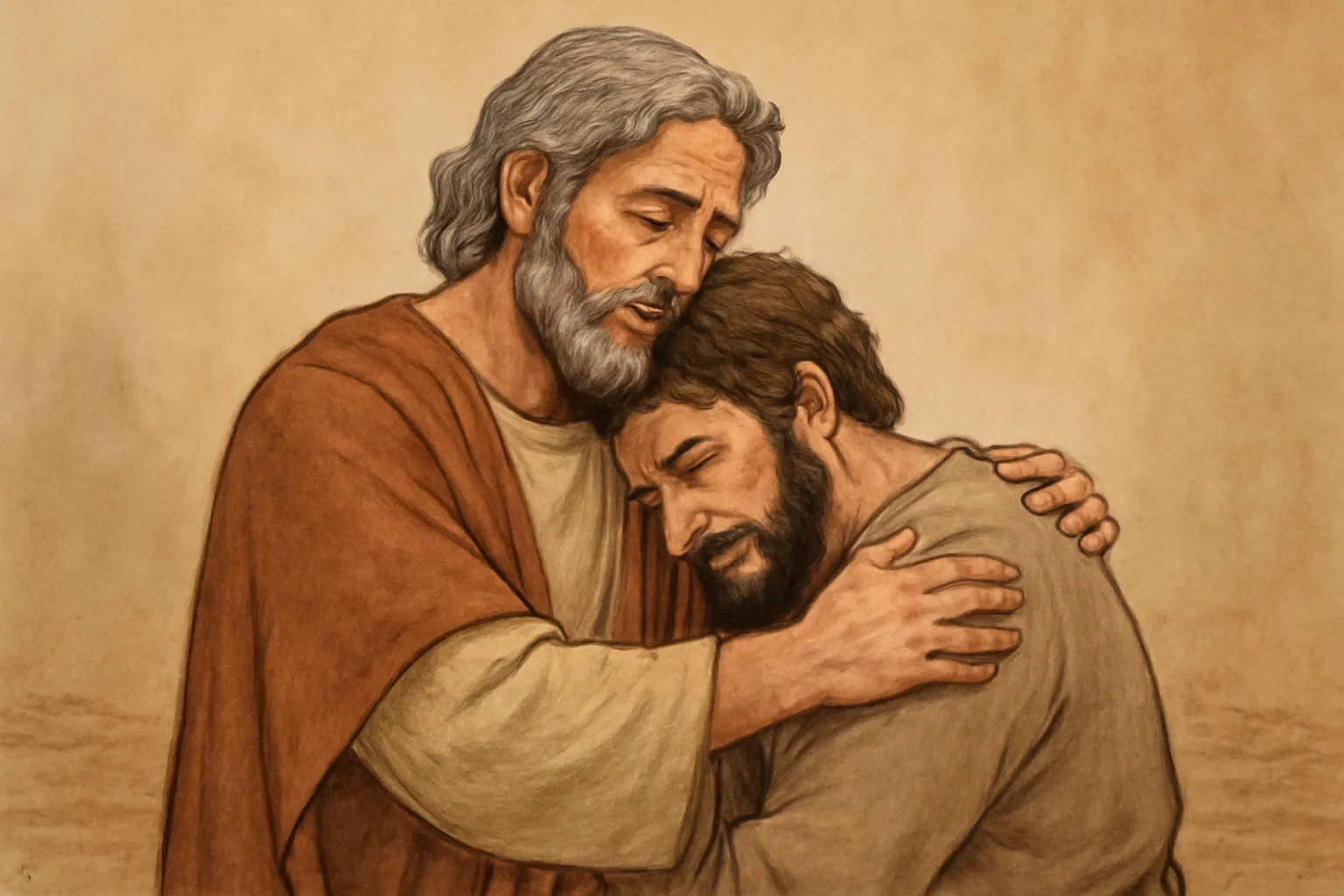
In this beloved story, a younger son requests his portion of the inheritance, leaves home in reckless independence,
and squanders his wealth in a distant land. When he returns in humility, his father runs to him, embraces him, and
proclaims a feast of reconciliation. The younger son admits his fault, but the father’s response is an overflowing
display of mercy and grace.
The parable also challenges the audience with the elder brother’s reaction. While the younger son is restored, the
elder brother’s pride exposes a different kind of obstacle to forgiveness—a posture of judgment rather than
welcome. The core message is that forgiveness is generous and undeserved, inviting all to reconciliation
with the Father. This story demonstrates that forgiveness is not earned by penance alone but received by
faith and gratitude, then extended to others.
The Unforgiving Servant (Matthew 18:21-35)
Peter questions Jesus about the size of the required forgiveness, and Jesus responds with a parable about a servant
who owes an enormous debt. The master forgives the debt, only for the servant to abuse that mercy by refusing to
forgive a much smaller debt owed to him. The contrast starkly highlights a central paradox: receiving forgiveness
should produce a life of forgiveness toward others.
This parable emphasizes that forgiveness is linked to personal transformation. It warns that those who refuse
to forgive others undermine their own forgiveness from God. The story is often read alongside passages that teach
about the conditions for divine forgiveness (for example, Matthew 6:14–15), underscoring that mercy extended
to others mirrors the mercy we have received.
The Pharisee and the Tax Collector (Luke 18:9-14)
This brief parable centers on two prayers: the proud Pharisee who emphasizes his own righteousness and the humble tax
collector who pleads for mercy. Jesus concludes that the humble one goes home justified, illustrating that forgiveness is rooted in humility and dependence on God’s mercy rather than on self-righteousness.
While not a story about a single act of forgiveness between two individuals, this parable teaches that forgiveness begins with recognizing one’s need for mercy and receiving it from God, which then reshapes
how we relate to others.
The Good Samaritan (Luke 10:25-37) and Mercy Across Boundaries
The Good Samaritan is celebrated for neighborly love and practical mercy, including a readiness to help a stranger in
need. While the tale foregrounds compassion rather than a courtroom-style transaction of guilt and pardon, it also
models a posture of forgiveness that crosses social and cultural boundaries. The Samaritan’s actions reflect
a larger biblical ethic: mercy should dissolve divisions and restore human dignity, paving the way for deeper
reconciliation within communities.
Woman Caught in Adultery (John 8:1-11)
In a dramatic reversal of judgment, Jesus responds to the crowd ready to condemn with a challenge: “Let him who is
without sin cast the first stone.” When no accuser remains, he tells the woman to go and sin no more. The scene
embodies forgiveness as liberation from shame and accusation, paired with a call to true repentance. It
reveals a principle that forgiveness is not merely about letting someone off the hook but about inviting
transformation and renewed fidelity to God.
Real-Life Biblical Examples of Forgiveness
The biblical record offers memorable real-life episodes in which individuals practice or receive forgiveness.
These stories illuminate how forgiveness can reshape families, communities, and personal destinies. They also show
how the mercy of God becomes a model for human conduct.
Joseph forgives his brothers (Genesis 45; 50)
The story of Joseph’s ascent from enslaved brother to ruler in Egypt culminates in a powerful act of forgiveness.
When famine strikes, his brothers come seeking aid, unaware that their brother is in power. Joseph’s decision to reveal
his identity and to reassure his brothers that what they meant for harm God intended for good is a profound exercise
of forgiveness.
In Genesis 50:20, Joseph tells his brothers, “You intended to harm me, but God intended it for good to accomplish
what is now being done, the saving of many lives.” This sentiment captures a core biblical truth: forgiveness mirrors
a divine purpose to bring blessing from broken circumstances. Joseph’s posture toward his brothers models a proactive
approach to reconciliation—one that refuses bitterness while choosing to restore familial ties and protect the family
line during a time of famine.
Jesus on the Cross: Forgiveness in the Greatest Sacrifice (Luke 23:34; Luke 23:46)
While hanging on the cross, Jesus prays for his executioners: “Father, forgive them, for they do not know what they are
doing.” This moment stands as a supremely radical demonstration of forgiveness, extending mercy into the
deepest wound of human rebellion. It reveals a model of forgiveness that transcends personal offense and aligns
with God’s plan of salvation.
Jesus’ final words also include entrusting his spirit to the Father and committing his mission to the church. This dual
act—extending mercy to enemies while maintaining a focus on divine purpose—offers a paradigm for how believers should
approach hurt, betrayal, and injustice in everyday life.
David and Saul: A Story of Respect, Restraint, and Mercy
In the story of David and King Saul, several episodes reveal gracious restraint and a commitment to justice without
vengeance. On multiple occasions, David has opportunities to harm Saul, who, in a complicated dynamic, had previously
pursued David. David’s refusal to seize the throne through violence, along with his insistence that Saul is God’s anointed,
demonstrates a form of forgiveness that protects life and honors God’s timeline.
Paul: Transformation and Reconciliation in the Early Church
The apostle Paul embodies a narrative of transformative forgiveness—both receiving God’s forgiveness for his past as a
persecutor and extending forgiveness to others as the gospel expands. His letters emphasize that forgiveness,
through Christ, redefines identity and community. Passages like 2 Corinthians 5:17 describe believers as new creations,
and Ephesians 4:32 encourages kindness, tenderheartedness, and forgiveness in relationships, just as God forgave in Christ.
Forgiveness in the Teachings: Epistles and Jesus’ Core Message
Beyond parables and real-life episodes, the New Testament letters (epistles) and Jesus’ teachings articulate a
sustained, practical theology of forgiveness. These writings provide timeless guidance for communities seeking to live
out mercy in daily life.
Matthew 6:12 — “And forgive us our debts, as we also have forgiven our debtors.” This petition links divine pardon with
human obligation, highlighting that forgiveness is reciprocal and relational.
Colossians 3:13 — “Bear with one another and, if any of you has a grievance against someone, forgive as the Lord forgave you.”
Ephesians 4:32 — “Be kind and compassionate to one another, forgiving each other, just as in Christ God forgave you.”
1 John 1:9 — “If we confess our sins, he is faithful and just and will forgive us our sins and purify us from all unrighteousness.”
Romans 12:17-21 — A call to live peaceably, not seeking revenge, but overcoming evil with good and leaving room for
God’s justice and mercy.
Lessons on Forgiveness: Core Truths Across Scripture
From parables and narratives to epistles, several core truths consistently emerge about forgiveness:
Forgiveness is costly and gracious. It often costs the forgiver something precious—pride, time, or the chance for revenge—but
its reward is reconciliation and restored relationship.
Forgiveness does not erase consequences. In many stories, wrongs are acknowledged, justice is pursued, and yet
mercy is extended in a way that preserves dignity and invites renewal.
Forgiveness begins with God’s mercy to us. When believers understand the depth of God’s mercy toward them, they become
channels of mercy to others.
Forgiveness requires humility. Humility enables confession, repentance, and the willingness to release offenses rather than
dwell on them.
Forgiveness is a community practice. The church, in its life together, is called to model forgiveness in speech, behavior,
and conflict resolution, fostering healthy and hopeful communities.
Practical Applications: How to Practice Forgiveness Today
The biblical vision of forgiveness is not merely theoretical. It invites concrete steps that individuals, families, and
communities can undertake. Here are practical guidelines to embody this transformative virtue:
Rename the offense with truth, not anger. Acknowledge what happened, name the pain, and distinguish between the wrongdoer and
the person’s identity. This helps prevent a narrowing of relationship into perpetual grievance.
Choose a posture of mercy, not vengeance. Mercy does not mean ignoring justice; it means prioritizing restoration and
healing where possible, while leaving space for accountability and growing trust over time.
Practice confession and repentance. When you recognize your own fault, own it, ask God for mercy, and invite the other
person to a path of reconciliation if appropriate.
Pray for the grace to forgive. Forgiveness is often a process. Prayer helps align the heart with God’s perspective and
sustains the will to forgive beyond initial feelings.
Engage in practical restitution when possible. Some offenses may benefit from tangible acts of repair—apology, restitution,
or acts of service that demonstrate a renewed commitment to relationship.
Seek community accountability. In community settings, pursue guidance from trusted mentors or pastors to navigate difficult
forgiveness journeys, especially when hurt is deep or ongoing.
Forgiveness can be one of the most demanding spiritual disciplines. Some challenges include:
Betrayal with lasting impact. Deep wounds may require time, counseling, and a careful plan for safe and healthy
ongoing relationships. Forgiveness does not always mean immediate restoration of all forms of contact.
Recurring offenses. When harm is repeated, boundaries and protection often must be maintained while choosing a posture of
continued mercy, seeking professional help if necessary.
Misunderstanding forgiveness as weakness. In some cultural contexts, forgiveness can be misread as excusing wrong or giving up
one’s rights. The biblical model combines mercy with wisdom and righteous living.
Case Studies: Reflection on Specific Biblical Moments
Let us briefly reflect on a few case studies that illustrate how forgiveness operates in real life settings, including responses
to betrayal, harm, and injustice.
Family reconciliation. The Joseph narrative shows healing after estrangement, envy, and manipulation, culminating in
a restored family bond that preserves life and lineage. The lesson emphasizes that forgiveness can transform a
crisis into a catalyst for blessing.
Cruciform mercy. Jesus’ prayer on the cross offers the archetype of forgiveness extended to enemies, even as
they carry out violent acts. This invites the church to embody mercy that transcends human frailty.
Justice and mercy in community life. The epistles show that forgiveness is integral to healthy fellowship, helping
communities navigate conflict, protect the vulnerable, and preserve unity under God’s peace.
The Ongoing Journey of Forgiveness
The Bible presents forgiveness as a dynamic, transformative power that can redeem hearts, restore communities, and
align human life with God’s redemptive purposes. From the intimate home scenes of the Prodigal Son to the cosmic act of the
cross, forgiveness is portrayed as the heart of divine action and a practical discipline for human living. The stories invite
readers to respond with humility, mercy, and a readiness to forgive, to pursue reconciliation where possible, and to trust
God for the strength to persevere when forgiveness seems costly.
By engaging with these biblical narratives and teachings, readers can cultivate habits that reflect the character of Christ:
a life marked by forgiveness, grace, and hopeful restoration. Whether through the warmth of a family gesture of
reconciliation, the quiet mercy offered in daily interactions, or the bold proclamation of mercy in the face of injustice, the
biblical witness remains a powerful guide for those seeking to embody mercy in a broken world.
In the Christian tradition, biblical forgiveness is more than a sentiment or a cultural cliché. It is a robust, theologically rich concept rooted in the character of God and lived out in human relationships. This article explores the definition of biblical forgiveness from multiple angles: its theological foundations, its scriptural warrants, its differences from everyday…
The enduring question of mercy and repair The simple, piercing plea “Father forgive me for I have sinned” has echoed through churches, chapels, and kitchens where families gather for confession and renewal. It is more than a sentence; it is a doorway into a spiritual practice that invites honesty, humility, and the transforming power of…
What this article covers Forgive is a word people use often, but when we explore it through the lens of the bible, the concept carries depth, responsibility, and transformation. In everyday speech, to forgive might simply mean letting go of a grudge. In the biblical sense, however, forgiveness implies a release from guilt, a cancellation…
The Transformative Power of Christian Forgiveness In the Christian faith, forgiveness stands as a sacred discipline and a doorway to freedom. It is not merely a feeling but a deliberate choice rooted in the example of Christ and the mercy of God. When hurt, betrayal, or injustice presses in, quotes from Scripture can anchor us,…