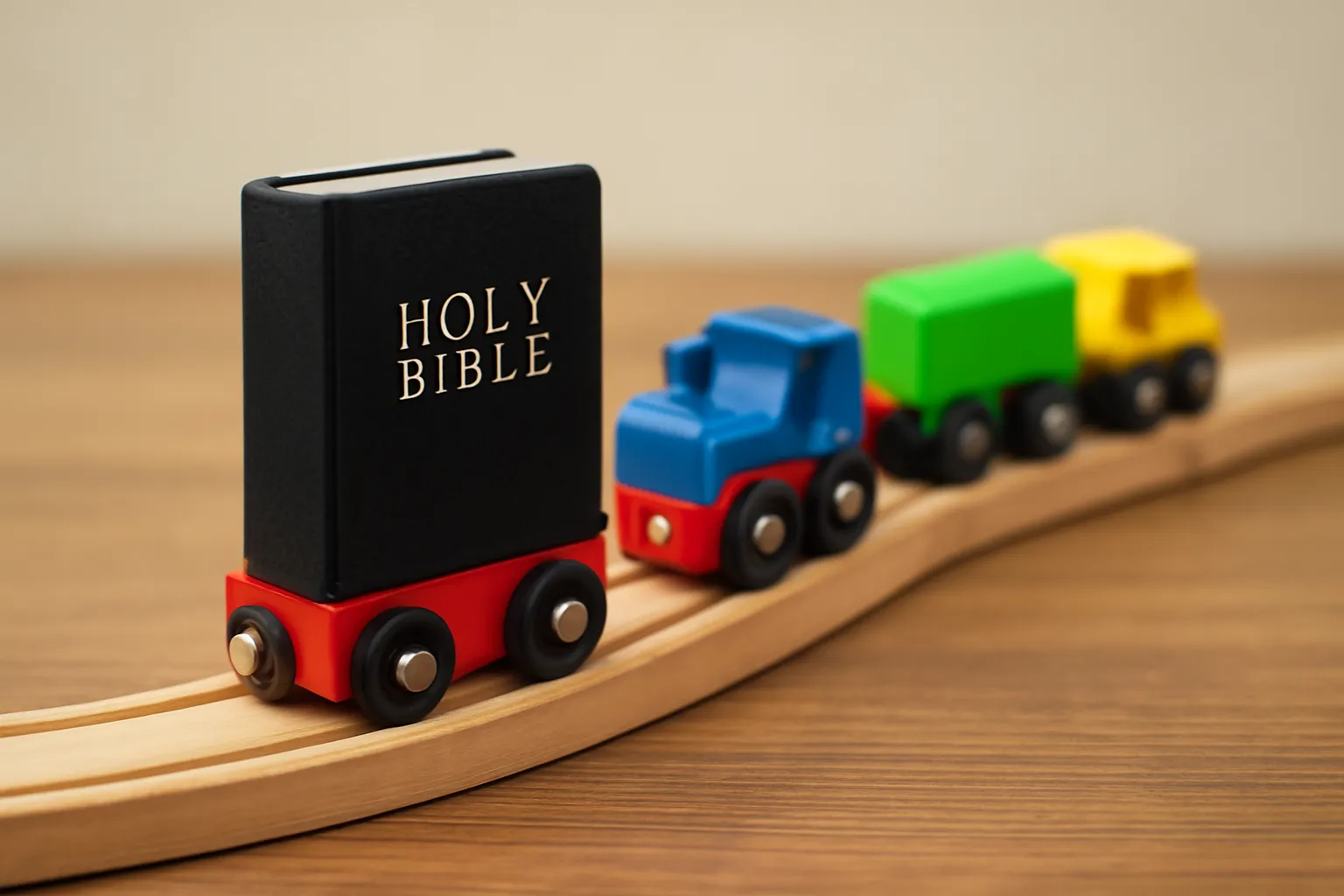
The Bible Train is a practical approach to strengthen faith by engaging with Scripture in a structured, repeatable way. It treats spiritual growth like a training program: you set clear goals, build consistent habits, measure progress, and adjust methods as you learn. The aim is not a one-off devotional moment but a sustained rhythm that helps the believer internalize truth, apply it to daily life, and grow in trust and obedience. While the language—train, cadence, regimen—might feel technical, the heart of the Word-centered practice remains profoundly personal: to know God better through His revealed Word and to let that Word shape character, decisions, and relationships.
In practice, a Bible Train isn’t about speed or frenetic study; it’s about reliability, endurance, and a willingness to reorder priorities around Scripture. Think of it as a journey with repeated stations: reception of truth, reflection, recall, and real-world application. When these stations become automatic, the believer’s faith grows steadily, almost invisibly, until the journey itself becomes a part of daily life. This article describes a comprehensive approach to building a robust Bible Train—one that you can tailor to your context, schedule, and spiritual goals.
The Philosophy Behind the Bible Train
The Bible Train rests on several timeless principles that have helped generations cultivate durable faith through Scripture. While you can adapt techniques, the core ideas remain consistent:
Consistency over intensity: regular, modest daily practice compounds into significant growth over time.
Repetition with purpose: repeated exposure to the same truths strengthens memory and understanding, especially when paired with reflection and application.
Active engagement: reading, meditating, memorizing, and applying are all essential; passive listening or scattered reading yields limited transformation.
Contextual understanding: scripture illumination comes from reading in context, cross-referencing, and considering historical and literary settings.
Accountability and community: sharing goals, encouraging one another, and receiving wise input helps sustain the journey.
Framing faith formation as a discipline of the Word helps believers avoid the common pitfalls of spiritual life—busyness, cynicism, or drift—and invites a dependable process that bears fruit in character and conduct. The Scripture Train, the train for faith, and the Word-based routine are all variations of the same principle: Scripture plus structure equals growth.
Building a Bible Train Routine
The practical core of the method is a deliberate routine. A routine provides the cadence that turns reading into a habit, reflection into insight, and insight into life change. Below is a comprehensive framework you can adapt.
Daily Bible Train: Foundations of the Routine
A daily cadence creates a dependable rhythm. Here is a balanced daily plan that forms the foundation of a strong Scripture Train:
Read a short passage or a portion of a chapter (5–15 minutes).
Note one or two core truths that stand out (noting context and meaning).
Reflect on a practical question: “What does this call me to think, feel, or do today?”
Commit to one concrete action that applies the truth (e.g., extending grace, practicing honesty, pursuing patience).
Record a brief prayer or intention based on the passage.
For many people, a daily scripture reading plan combined with a short note-taking habit yields the best balance between depth and feasibility. You can use a simple devotional guide or a personal plan you craft yourself. The key is consistency: even a small daily effort compounds over weeks and months.
Weekly Scripture Memory: Building a Retentive Mind
Memory work is a powerful component of the Bible Train. The goal is not to showcase memory prowess but to create mental anchors that can guide behavior in trials, decisions, and moments of temptation. A practical weekly approach:
Choose 1–3 verses to memorize, depending on your pace.
Write the verses on index cards or a digital note you revisit during the week.
Practice retrieval: recite from memory several times a day, especially at natural break points (before meals, after waking, before bed).
Reflect on how these verses speak to present situations or recurring themes in your life.
The aim of memory work in the Scripture Train is not to perform perfectly but to make the Word available when you need it most. When you can recall a verse in a moment of stress or confusion, you’ve already strengthened your faith beyond mere theoretical knowledge.
Weekly Review and Plan: Connecting Past and Future
A weekly review helps you connect what you’ve learned with where you’re headed. It also provides accountability to stay on track. A simple weekly routine includes:
Review the verses you memorized and the concepts you studied.
Journal a concise reflection on how you saw truth shaping your week—at home, work, school, or church life.
Set one or two goals for the coming week that translate Scripture into action.
Identify any obstacles or distractions that undermined your rhythm and brainstorm solutions.
Core Components of the Bible Train System
To make the Bible Train a durable habit, incorporate several interlocking components. Each piece supports the others, and together they form a robust, workable system.
Structured reading: a plan that covers a broad spectrum of biblical genres—narrative, poetry, prophecy, wisdom, gospel accounts, and letters.
Memory work: a steady cadence of memorization and retrieval practice.
Reflection and journaling: narrative journaling, question prompts, and prompts for personal application.
Application emphasis: concrete steps that connect Scripture to daily life (relationships, finances, time, speech).
Cross-referencing: learning to see connections within Scripture and how themes recur across books and covenants.
Community and accountability: inviting a friend, mentor, or small group to share goals, provide feedback, and celebrate progress.
Techniques for Strengthening Faith with Scripture
The power of the Bible Train lies not only in reading but in how you engage with the text. Below are practical techniques designed to deepen understanding and embed truth more deeply.
Active Reading and Note-Taking
Practice active reading by asking questions like: What does this passage reveal about God? What does it teach about humanity? What commands or promises are present? How does this text intersect with other parts of Scripture or with my life today? Take brief notes in margins or a dedicated notebook, focusing on actionable insights.
Memory Systems and Retrieval Practice
Use spaced repetition tools or simple card systems to secure verses in long-term memory. The retrieval process strengthens mental pathways and makes truth readily accessible in moments of need. Pair memory work with short meditations on the verse to deepen comprehension.
Meditation and Contemplation
Meditation in a biblical sense involves slowing down to consider a passage’s meaning and implications. Try a structured approach:
Read a short passage slowly.
Identify a key word or phrase and ponder its meaning in its original context.
Ask, “If this is true, how should I think or act differently today?”
Journaling and Personal Application
Journaling is a bridge from knowledge to life. Use prompts such as:
What truth about God does this passage reveal?
What truth about me does this expose or encourage?
What is one specific change I will pursue this week?
What prayer arises from this study?
Thematic and Topical Studies
In addition to sequential readings, conduct thematic studies that explore recurring biblical themes—grace, faith, hope, wisdom, justice, mercy, and discipleship. Thematic study helps you see the Bible as an integrated story rather than a collection of isolated verses. It also strengthens the biblical imagination that allows you to interpret life experiences through a scriptural lens.
Overcoming Challenges on the Bible Train
No discipline is immune to difficulty. The Bible Train encounters common obstacles—time constraints, spiritual dryness, doubt, and competing priorities. Here are practical strategies to stay on track.
Time Management and Prioritization
Block a fixed time window in your daily schedule and treat it as non-negotiable.
Use micro-sessions if your day is busy: two 5–7 minute periods can be effective when added together.
Pair Bible Train with other routines (e.g., part of your morning routine or the end of your workday) to create consistency.
Spiritual Dryness and Doubt
Keep going even when motivation is low; faith often grows through persevering when feelings are dull.
Switch to shorter readings or a different translation for renewed engagement.
Invite accountability partners to pray with you and to discuss what you’re learning, even if progress seems slow.
Distractions and Digital Noise
Create a quiet, dedicated space for your study time, free from notifications.
Limit digital distractions by using focused-reading modes or offline resources during study time.
Consistency Without Legalism
The Bible Train is a liberating discipline, not a burden of legalism. If a season requires adjustment, adapt your plan rather than abandoning it. The goal is steady faith development, not perfect adherence to a rigid schedule.
Measuring Progress and Encouragement
A healthy system includes gentle measurement and hopeful encouragement. Consider the following metrics and indicators of growth:
Consistency: regular engagement over weeks and months.
Retention: ability to recall verses and summarize key themes.
Application: frequency and quality of life changes influenced by Scripture.
Perspective: increased patience, discernment, and a growing sense of God’s presence in daily life.
Communication: greater clarity in sharing spiritual insights with others, whether in family, church, or community settings.
Periodic reflection—monthly or quarterly—helps you see the trajectory of your faith journey. Consider keeping a simple progress log that records not just what you studied, but how it affected your decisions, conversations, and patterns over time.
Bible Train for Different Ages and Contexts
The beauty of the Bible Train is its adaptability. You can tailor the routine for individuals, families, students, or church groups.
Family and Home Life
Establish a family Scripture Train routine around meals or evenings, with short readings and a shared reflection.
Use age-appropriate memory verses for children and invite them to recite and explain what they mean.
Encourage family projects that apply biblical truths to real-life situations (for example, acts of service or forgiveness conversations).
Students and Young Adults
Design micro-plans that fit class schedules and study demands, emphasizing practical application for campus life, work, and relationships.
Incorporate topical studies relevant to student concerns: integrity in exams, managing time, navigating social pressures, and pursuing wisdom in decisions.
Use peer groups to practice accountability and encourage sustained discipline.
Leaders and Communities
Develop a scalable version of the Bible Train for small groups or ministry teams, with shared memory verses and cooperative study plans.
Train leaders to guide others in reflective practice, memory work, and personal application.
Encourage group discussions that connect Scripture to community service, ethical decisions, and mission work.
Common Myths About the Bible Train
As with any disciplined practice, myths can distract or mislead. Here are some common misconceptions and clarifications:
Myth: The Bible Train is only for new believers. Reality: It benefits readers at all levels, from beginners to seasoned students of the Bible, by deepening understanding and consistency.
Myth: It requires a lot of time. Reality: It is scalable. Small, regular sessions often yield greater long-term results than sporadic, long sessions.
Myth: It’s primarily about rote memorization. Reality: Memorization is a tool, but the goal is meaningful transformation through recall, reflection, and action.
Myth: It’s a solo endeavor. Reality: Accountability and community amplify growth and sustain motivation.
Practical Tools and Resources for Your Bible Train
Building a durable Bible Train doesn’t require fancy gear. It benefits from a few practical tools that streamline routine and support learning.
Simple notebook or digital notes for journaling and reflections.
Memory cards (physical or digital) for verses you’re memorizing.
Reading plan or curated study guides that cover a balanced mix of genres.
Accountability partner or small group to share goals, progress, and challenges.
Church or community resources to align your study with broader teaching and mission.
Maintaining Momentum Over Time
The long arc of the Bible Train relies on sustainable momentum. Here are strategies to keep momentum without burning out:
Periodically refresh your goals to reflect new seasons of life, work, and family.
Rotate reading plans or verse sets to maintain freshness and prevent fatigue.
Celebrate milestones—memorable verses mastered, weeks of uninterrupted practice, meaningful life changes—and share them with your accountability circle.
Guard your time and environment: protect your practice space from interruptions and cultivate a mindset of reverence for the Word.
The Spiritual Fruit of a Lifelong Bible Train
When the practice becomes habitual, the result is not merely knowledge but transformation. The Bible Train develops a robust, living faith characterized by trust in God, wisdom in decisions, and a compassionate, patient demeanor toward others. It nurtures a worldview shaped by Scripture, where daily choices reflect biblical values and the believer grows toward greater christlikeness.
In addition, the routine fosters a sense of purpose: a clear pathway to live out one’s faith with clarity and integrity. The repeated patterns of reading, reflecting, memorizing, and applying gradually reframe how you understand yourself, your community, and God’s purposes in the world.
Embracing the Bible Train as Your Spiritual Practice
The Bible Train is more than a method; it is a philosophy of disciplined, Word-centered growth. By making Scripture a regular companion, practicing retrieval and reflection, and translating insight into action, you can cultivate a sturdy, resilient faith. Whether you are starting anew, seeking deeper roots, or aiming to lead others in a sustainable spiritual rhythm, the Bible Train offers a practical, scalable path. Remember, the goal is not perfection but progress—one day, one verse, one practice at a time.
If you are ready to begin, start small: pick a daily passage, memorize one verse, and write one line about how it will shape your day. Then tell a friend or join a small group. Over time, your Scripture-based routine will become a natural part of who you are, and your faith will deepen as you move forward on this lifelong journey of spiritual formation.