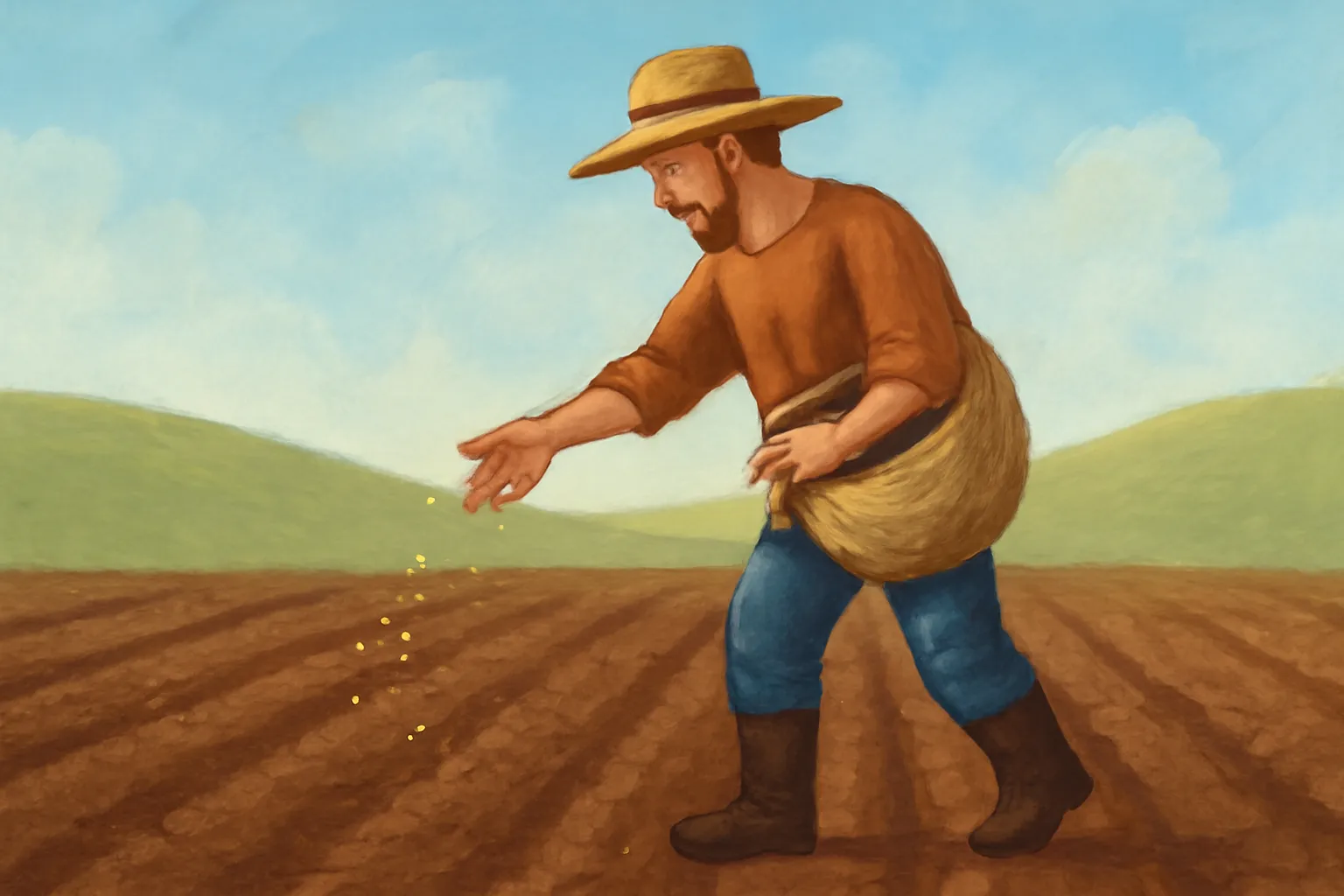
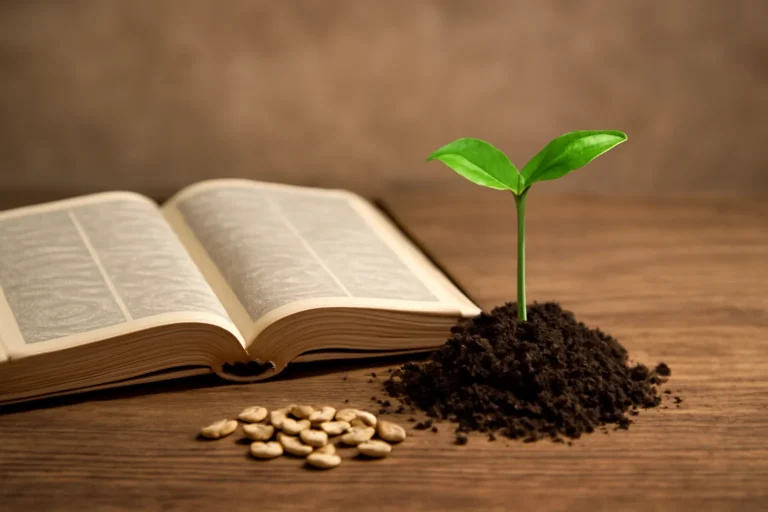
Bible Verse About Planting Seeds: Insights on Sowing and Reaping explores how a simple agricultural image becomes a rich, multi-layered metaphor in Scripture. Across the Bible, seeds symbolize potential, faith, perseverance, and the promise of growth under God’s oversight. By looking at different verses about planting seeds, we gain a fuller sense of how sowing and reaping shape moral choices, spiritual formation, and communal life. This article gathers a broad spectrum of biblical imagery—parables, proverbs, prophetic calls, and apostolic teaching—to illuminate what it means to plant seeds of goodness, truth, and love in the world.
The biblical landscape uses seeds and seedtime as a recurring motif that ties the rhythms of nature to the rhythm of righteousness. The simple act of sowing becomes a window into God’s design: what is planted, carefully tended, and trusted to God’s timing will, in due season, produce fruit that goes beyond the sower’s own hands. In Genesis, the rhythm of seedtime and harvest is set as a foundational pattern for all life: “As long as the earth endures, seedtime and harvest, cold and heat, summer and winter, day and night shall not cease” (Genesis 8:22). This refrain signals both a practical agricultural schedule and a divine invitation to depend on God for growth.
Sowing and Reaping: Core Biblical Principle
At its core, sowing and reaping are about cause and effect within the moral and spiritual order. The Bible consistently links what we plant with what we receive, though not always in the exact form or timeline we expect. It invites readers to consider not only the quantity of seed but the quality of soil, the conditions of the heart, and the intention behind the act of planting.
In the Bible, the word seed carries a rich tapestry of meaning. It can point to literal seeds planted in the ground, but it also serves as a powerful metaphor for potential, growth, new life, and faith. From the creation of seasons to the parables of Jesus, the imagery of seed and harvest invites readers…