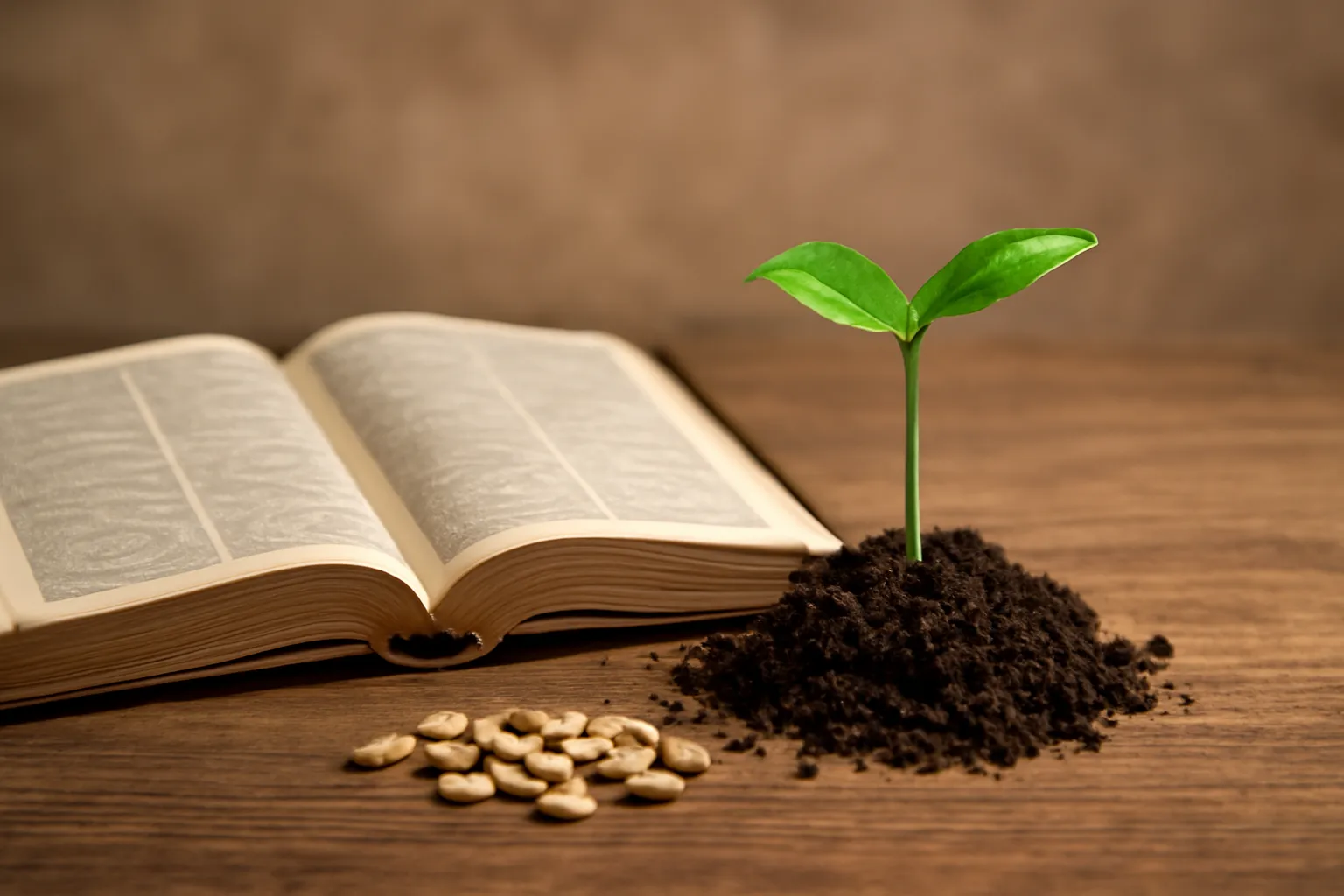
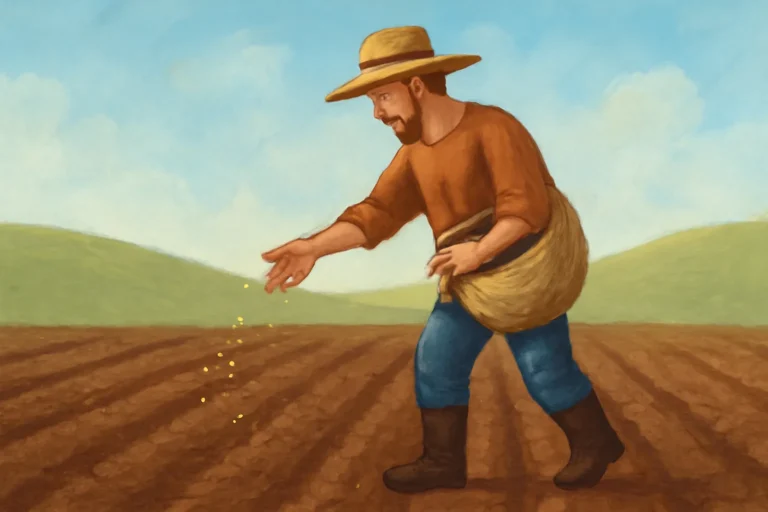
In the Bible, the word seed carries a rich tapestry of meaning. It can point to literal seeds planted in the ground, but it also serves as a powerful metaphor for potential, growth, new life, and faith. From the creation of seasons to the parables of Jesus, the imagery of seed and harvest invites readers to contemplate how small beginnings can yield significant results when tended with care, faith, and obedience. This article gathers a broad collection of verses about seed—covering sowing, growth, and the faith that enables the unseen to become seen in God’s timing. Whether you are thinking about physical seeds, spiritual seeds, or the seed of God’s Word in the heart, these scriptures offer guidance, encouragement, and spiritual insight.
The Bible presents seed as a dynamic symbol of life, patience, and stewardship. When a farmer plants a seed, there is a hidden, sometimes invisible process that leads to visible fruit. In the same way, a seed of faith, a word spoken in season, or an act of generosity may seem small at the start, but it can mature into a harvest that blesses many people. The following verses illustrate the core ideas tied to seed:
Potential and growth: Seeds contain the promise of what will become, often unseen at first.
Genesis 8:22 — “While the earth remains, seedtime and harvest, and cold and heat, and summer and winter, and day and night shall not cease.”
Sowing and reaping: What is planted determines what grows in return.
Galatians 6:7-9 — “Do not be deceived: God is not mocked; for whatever a man sows, that he will also reap.”
Word as seed: The Word of God can take root in the heart, growing into faith and fruitfulness.
1 Peter 1:23 — “Being born again, not of corruptible seed, but of incorruptible, by the word of God, which liveth and abideth forever.”
Fruitfulness through patience: Good seed yields a lasting harvest with perseverance.
Luke 8:15 — “But that on the good ground are they, which in an honest and good heart, having heard the word, keep it, and bring forth fruit with patience.”
Seed in Creation and Covenant
The regular rhythm of seedtime and harvest is woven into the very fabric of creation, and the biblical narrative shows how seeds function within God’s promises to His people. From Genesis to the apostolic letters, seed imagery anchors divine faithfulness and the call to sow wisely.
Genesis 8:22 and the Rhythm of Seedtime
The post-flood covenant places a recurring pattern at the center of life on earth: seedtime and harvest will continue as long as the earth remains. This verse is a foundational statement about seasons, continuity, and God’s gracious provision for ongoing life and productivity.
In practical terms, this means human labor, agriculture, and spiritual routines—prayers, acts of mercy, and faithful witnessing—are not fleeting acts but part of a divine cycle that God sustains. The language of seedtime points us to trust in God’s long arc plan, even when today’s results seem small or hidden.
God’s promises about seed move through generations. The language of seed helps explain how God’s blessings extend beyond the individual to households, communities, and nations. Two key threads emphasize this:
Abrahamic seed: The promises to Abraham are often framed in terms of his seed—a people and, ultimately, Christ.
Galatians 3:16 — “Now to Abraham and his seed were the promises made. He saith not, And to seeds, as of many; but, And to thy seed, which is Christ.”
The seed as the Messiah: The scriptural lineage emphasizes that Israel’s story culminates in the coming of Christ, described as the true seed of promise.
Romans 9:8 — “They are not the seed of God’s children because they are his physical descendants, but the children of the promise are counted as the seed.”
The Parables and Teachings of Jesus About Seed
Jesus frequently used seed imagery to teach about the Kingdom of God. His parables invite listeners to consider how small beginnings can lead to expansive, transformative outcomes when response and cultivation are aligned with God’s will.
The Sower and the Soils (Matthew 13; Mark 4; Luke 8)
The parable of the sower centers on a sower who scatters seed on different soils. The varying receptions of the seed illustrate how hearing, understanding, and perseverance determine fruitfulness. The seeds that fall on good soil yield a harvest that grows to be very fruitful.
Matthew 13:3-9 — “A sower went out to sow his seed. And as he sowed, some seeds fell by the wayside; some fell on stony places; some fell among thorns; and some fell on good ground, and yielded fruit.” The emphasis is on reception and fruitfulness.
Mark 4:35-41 — The same story in Mark’s account, highlighting Jesus’ authority over storms and the tranquil peace that comes with trust in the Word sown in faith.
Luke 8:5-15 — Luke’s version foregrounds the meaning: “The seed is the word of God.” The fertile response on good ground produces a rich harvest—“fruit with patience.”
Luke 8:11 — “Now the parable is this: the seed is the word of God.”
The Mustard Seed: Growth from Small Beginnings (Matthew 13; Mark 4; Luke 13)
The mustard seed is a striking image of how faith, though small at the start, can grow into something large and expansive. The kingdom of God is described as beginning as a mustard seed and becoming a tree where many find shelter.
Matthew 13:31-32 — “The kingdom of heaven is like a grain of mustard seed, which a man took and sowed in his field, and it became a great tree, so that the birds of the air could lodge in its branches.”
Mark 4:30-32 — Parallel teaching with the same core image: a tiny seed becomes something substantial.
Luke 13:18-19 — “What is the kingdom of God like? And to what shall I compare it? It is like a grain of mustard seed, which a man took and sowed in his garden; and it grew and became a large tree, and the birds of the air lodged in its branches.”
Jesus also teaches about the hidden work of the Kingdom. The seed sown in silence grows through God’s timing, increasing until harvest. The farmer does not know the exact moment of growth, but the result is sure: a crop appears at harvest.
Mark 4:26-29 — “The kingdom of God is as if a man should cast seed into the ground; and should sleep, and rise night and day, and the seed should spring and grow, he knoweth not how. For the earth bringeth forth fruit of itself: first the blade, then the ear, after that the full corn in the ear.”
Seed and Growth in the Life of Believers
Beyond natural seeds and parables, the Bible speaks of seeds planted in the heart and in community as the means by which believers grow into Christlike maturity. The imagery underscores that growth is a cooperative work: human faith and divine enablement work together to bring about a fruitful life.
The Word as Seed in the Believer’s Heart
1 Peter 1:23 — “Being born again, not of corruptible seed, but of incorruptible, by the word of God, which lives and abides forever.”
This verse anchors the idea that spiritual life begins with the Word taking root in receptive hearts.
James 1:21 — “Receive with meekness the implanted word, which is able to save your souls.” The term here often translated as implanted or engrafted word captures the seed that takes root and grows within a life.
Luke 8:15 — Reiterates the need for a good heart that hears, keeps and bears fruit “with patience,” underscoring the sustained cultivation required for seed to mature.
Seed, Sowing, and Spiritual Growth in the Apostolic Era
1 Corinthians 3:6-9 — “I planted, Apollos watered, but God gave the increase.” The cultivation of growth is a cooperative venture: humans sow and water, but God supplies the harvest.
2 Corinthians 9:10 — “Now he that ministereth seed to the sower, and bread for your food, multiply your seed sown, and increase the fruits of your righteousness.” This verse links seed-sowing to ongoing provision and spiritual fruit.
Galatians 6:7-9 — The sowing and reaping principle is repeated with a focus on perseverance: “he reaps in due season if he does not lose heart.”
The Seed of Faith and the Power of Giving
The Bible also ties the concept of seed to generous living and the faith that God honors when his people give with a right heart. Although not every verse uses the word seed in a literal sense, the principle remains: generosity sows seed that returns blessing. Consider:
Luke 6:38 — “Give, and it shall be given unto you; good measure, pressed down, shaken together, and running over, shall men give into your bosom.” This expresses a seed-like dynamic in giving and receiving.
Malachi 3:10 — “Bring ye all the tithes into the storehouse, that there may be meat in mine house, and prove me now herewith… if I will not pour you out a blessing, that there shall not be room enough to receive it.” The passage casts offerings as seeds that release divine blessing.
The seed motif traces the lineage of God’s people and the fulfillment of divine promises. It frames the spiritual genealogy of faith and the inclusion of Gentiles into God’s plan through Christ, who is called the ultimate seed of blessing.
Romans 4:13-18 — The Promise to the Seed of Abraham
Paul emphasizes that the promise was made to Abraham and his seed, not in terms of many seeds but in the sense of one seed that represents all who are of faith. This highlights the continuity of God’s plan across generations.
Galatians 3:16 — The Seed of Christ
The apostle clarifies that the promise to Abraham is ultimately fulfilled in Christ, who is the seed in whom all nations are blessed. This deepens the sense in which seed denotes lineage, blessing, and the inheritance of faith.
Practical Applications: Sowing Seeds in Daily Life
The biblical seed imagery translates into practical, everyday living. Christians are called to sow wisely in various domains—relationships, time, resources, and spiritual disciplines—so that a harvest of righteousness may come to fruition.
Words as seeds: Speak words that build up, encourage, and bless others, trusting that God can use even small, faithful conversations to plant seeds of faith.
Prayers as seeds: Pray persistently, planting spiritual seeds that God may cultivate into transformation in people and situations.
Acts of service: Small acts of love, generosity, and mercy can become seeds that bear fruit in communities and families.
Stewardship: Recognize that resources are seeds entrusted by God for his purposes—give, invest, and manage them in accordance with biblical wisdom.
Seed and Faith: A Summary View
Across the biblical corpus, seed functions as a unifying metaphor for life in God’s Kingdom. It points to:
The potential embedded in small beginnings, whether in soil, speech, or service.
The necessity of receptive hearts that nurture the Word and allow it to take root.
The inevitability of growth through divine sovereignty, human faithfulness, and patient endurance.
The fulfillment of God’s promises through a lineage that culminates in Christ, the true seed of blessing for all nations.
The Power of Seed-Focused Faith
When you reflect on seed in Scripture, you encounter a theology of beginnings that honors God’s sovereignty while inviting human participation. A seed planted in faith—whether it is the Word taking root in a heart, a small act of kindness, or a generous offering—has the potential to become a harvest that blesses many. The Biblical examples of sowing, growth, and fruitfulness remind believers that God honors faithful stewardship, even when the visible results seem modest at first. The biblical narrative invites you to tend your seeds with dependence on God, to cultivate the soil of your heart with discernment, and to watch for the season of harvest in God’s perfect timing.
May the themes of seed, sowing, and harvest inspire your daily walk: to plant wisely, nurture diligently, and patiently await the abundance God promises. In every seed, there is a story of faith, hope, and love—the story of God’s Kingdom growing quietly, steadfastly, and surely in the world.
Bible Verse About Planting Seeds: Insights on Sowing and Reaping explores how a simple agricultural image becomes a rich, multi-layered metaphor in Scripture. Across the Bible, seeds symbolize potential, faith, perseverance, and the promise of growth under God’s oversight. By looking at different verses about planting seeds, we gain a fuller sense of how sowing…