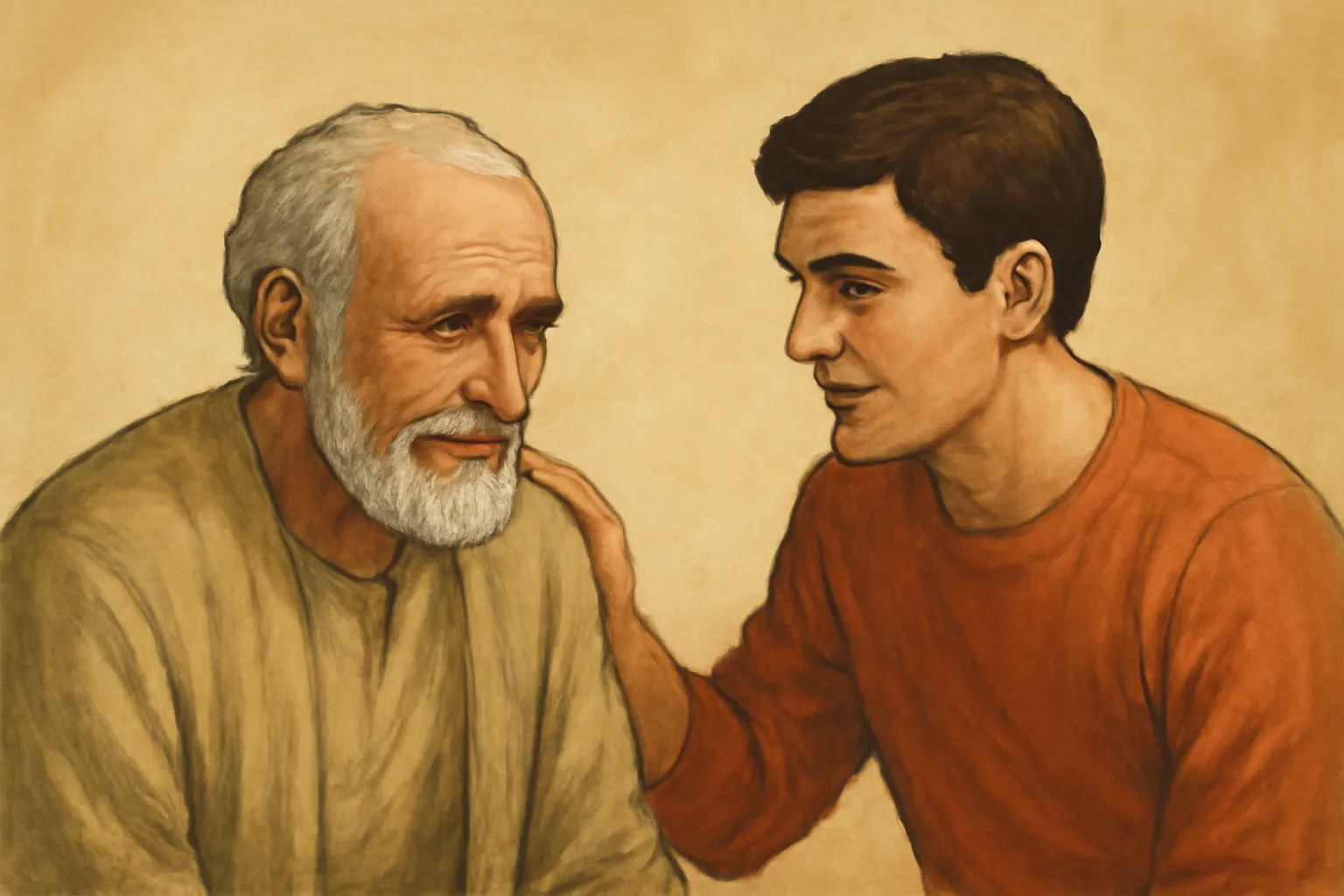
In many biblical traditions, respect for elders is not merely a cultural courtesy but a spiritual posture that honors God Himself. The Bible presents respect for the elderly as both a social discipline and a covenantal virtue that shapes families, churches, and communities. Across the Old and New Testaments, the call to honor those who have lived longer, who carry wisdom, and who have borne the burdens of life, recurs with varying language and emphasis. In this article we explore bible verses about respecting your elders, weaving them into a broad tapestry that includes commands, wisdom literature, and New Testament guidance. By looking at several verses and their contexts, readers can gain practical understanding of what it means to honor, respect, and value the elderly in today’s world—within families, congregations, and wider society.
Foundations in the Old Testament: Commands to Honor and Stand Before the Aged
Respect as a moral and social norm
The Old Testament grounds respect for elders in the moral fabric of God’s covenant people. Several verses set forth explicit duties toward parents, older relatives, and the elderly in the community. The underlying idea is that honor extends beyond sentiment to concrete action that affirms the dignity and wisdom of the elderly.
Exodus 20:12 (KJV): “Honor thy father and thy mother: that thy days may be long upon the land which the LORD thy God giveth thee.” — This foundational command links honor to longevity and wellbeing in the land promised by God.
Deuteronomy 5:16 (KJV): “Honour thy father and thy mother, as the LORD thy God hath commanded thee; that thy days may be prolonged, and that it may go well with thee in the land which the LORD thy God giveth thee.” — A reaffirmation of the familial duty to honor parents, with a focus on the practical blessing that follows obedience.
Leviticus 19:32 (KJV): “Thou shalt stand up before the gray headed, and honour the face of the old man, and fear thy God: I am the LORD.” — A vivid picture of showing deference to the elderly as a matter of respect for God Himself.
In these passages, honor is not limited to kind words; it includes actions that demonstrate reverence, attention, and protection of the well-being of older individuals. The instruction to “stand up before the gray head” conveys a posture of respect that is embodied in daily behavior—an attitude that keeps the dignity of elders intact and acknowledges the weight of their years.
Wisdom, reverence, and the crown of age
The Old Testament often casts aging as a sign of wisdom and a source of guidance for younger generations. While aging can come with vulnerability, the biblical framework consistently treats the elderly as holders of wisdom, experience, and spiritual perspective that can guide a community.
Proverbs 16:31 (KJV): “The hoary head is a crown of glory, if it be found in the way of righteousness.” — Acknowledges the beauty and honor that come with aged faithfulness.
Proverbs 20:29 (KJV): “The glory of young men is their strength: the beauty of old men is their grey head.” — Honors the distinct contributions of both youth and age, affirming the unique value of the elderly.
Proverbs 23:22 (KJV): “Hearken unto thy father that begat thee, and despise not thy mother when she is old.” — Encourages listening to aging parents and preserving their dignity.
Together, these verses shape a broad expectation: elders deserve respect not merely as a social custom but as a spiritual discipline that aligns the community with God’s design for intergenerational harmony.
New Testament Perspectives: Teachings on Honoring Elders within the Body of Christ
Family-centered exhortations
In the New Testament, the command to honor parents expands into teachings about how believers relate to one another within families and within the church. The apostolic letters articulate practical ways to treat elders and older believers with integrity and gentleness.
Ephesians 6:2-3 (KJV): “Honour thy father and mother; which is the first commandment with promise; that it may be well with thee, and thou mayest live long on the earth.” — A New Testament restatement of the command, connecting obedience to personal blessing.
1 Timothy 5:1-2 (KJV): “Rebuke not an elder, but entreat him as a father; and the younger men as brothers; elder women as mothers; the younger as sisters, with all purity.” — An instruction about respectful interpersonal conduct toward older men and women in the church context.
In these verses, respect is not a passive attitude; it is a relational posture that fluidly applies within the church family. The instruction to treat elders with a parental reverence, while remaining purposed in purity, shows that respect is bound to righteousness and holiness in community life.
Practical guidance for younger believers
The New Testament also provides guidance that addresses the younger generation in relation to older believers, highlighting humility, teachability, and the value of elder wisdom.
1 Peter 5:5-6 (KJV): “Likewise, ye younger, submit yourselves unto the elder. Yea, all of you be subject one to another, and be clothed with humility: for God resisteth the proud, but giveth grace unto the humble.” — Emphasizes a reciprocal, humble posture in the community, especially toward elders.
Titus 2:3-5 (KJV): “The aged women likewise, that they be in behavior as becometh holiness, not false accusers, not given to much wine, teachers of good things; That they may teach the young women to be sober, to love their husbands, to love their children, To be discreet, chaste, keepers at home, good, obedient to their own husbands, that the word of God be not blasphemed.” — A passage showing how elder women play a crucial role in mentoring younger believers, underscoring respect for their authority and experience.
Taken together, these New Testament guidelines encourage a culture where elders are honored in word and deed, where younger members seek wisdom, and where mutual humility binds the church together as a family under God.
Practical Applications: How to Live Out Respect for Elders Today
Everyday acts that embody respect
Respecting elders is not only a matter of speaking well about them; it’s about concrete actions that reflect consideration, care, and gratitude for their life-long contributions. Here are practical ways to embody this virtue in daily life.
Listen actively when an elder shares a story, a memory, or a lesson learned from decades of experience. Active listening honors the dignity of their voice and reinforces intergenerational connection.
Ask for advice on important decisions, whether about career, parenting, or faith. A respectful approach to seeking guidance demonstrates trust in the elder’s wisdom.
Offer practical help in daily tasks, healthcare, transportation, or technology. Small acts of service reflect compassion and solidarity with the elderly in practical ways.
Value their stories as living history that testifies to God’s faithfulness across generations. Documenting or sharing their life lessons can preserve wisdom for future generations.
Speak honorably about elders in conversations with others and defend their reputation against false rumors or disrespect.
Community and church life
Beyond the home, communities and churches have a special obligation to create spaces where older believers are respected, included, and empowered to contribute. This includes recognizing their needs, ensuring their voices are heard in decision-making, and providing opportunities for mentorship and leadership.
Honor in leadership: When elders exercise spiritual leadership, younger members should respond with respectful submission, balanced by a commitment to truth and righteousness (consistent with scriptures like 1 Peter 5:5).
Mentorship programs: Older believers can mentor younger families, couples, and singles, passing on practical wisdom, doctrinal understanding, and pastoral care strategies.
Care networks: Churches and neighborhoods can organize support networks for the elderly, including visits, meal programs, and accessibility improvements.
Common Questions About Respecting Elders
Is respect unconditional, or are there limits?
Respect for elders in biblical terms does not require unconditional obedience to every command that may conflict with God’s higher authority or with justice. When elder authority contradicts Scripture or leads to harm, the moral order shifts toward obedience to God first. The biblical principle remains: honor and esteem the elderly, while maintaining fidelity to God’s commands and righteous living.
Yes. The biblical call to honor extends beyond one’s parents to older believers in the community who demonstrate faith, wisdom, and godliness. In passages like 1 Timothy 5:1-2 and 1 Peter 5:5, the church is described as a family where elders and younger believers relate with mutual respect. The principle of respecting the elderly extends to any elder within the faith community who fosters life-giving guidance and spiritual maturity.
How do we translate ancient cultural practices to modern contexts?
While some directives use culturally specific imagery (standing up before the gray-haired, for instance), the underlying principle is universal: value integrity, wisdom, and life experience, and respond with care, attentiveness, and generosity. In contemporary life, this can translate into listening, honoring by words and actions, supporting health and dignity in aging, and including elders in meaningful roles within families and churches.
Historical and Theological Reflections: Why These Verses Matter Today
The Bible’s emphasis on honoring elders arises from God’s own character. God reveals Himself as a God who values wisdom and order, who invites younger generations to learn from those who have walked with Him longer. This emphasis has persisted through centuries of Jewish and Christian interpretation, shaping practices that sustain intergenerational faith communities. The biblical ethic encourages both humility and respect—a humility that invites elder voices to guide, and a respect that recognizes the enduring dignity of every human life.
Humility before elders: The New Testament’s call to clothe yourselves with humility (1 Peter 5:5) mirrors the old covenant’s posture of respect toward older believers and those who bear leadership in the faith.
Wisdom without status: With aging comes wisdom, but the biblical call is to honor with discernment—respect the elder’s contribution while testing words against Scripture and love.
Integrated community life: The biblical picture is not a hierarchy of honor but a mutual upholding of members, with elders offering guidance and younger members showing reverence through deeds and attitudes.
Across the scriptures, respecting your elders emerges as a vibrant, living practice—one that honors God by valuing the lives that have walked long roads, learned hard lessons, and trusted in the faithfulness of God through decades of changing circumstances. Whether you are a parent guiding children, a grandparent sharing wisdom, a church member seeking counsel, or a younger person learning to listen well, the Bible invites you to cultivate a posture of honor, patience, and grace toward those who have lived longer. The verses discussed in this article—ranging from the daring call to stand before the gray-headed, to the New Testament commands about elder leadership and mutual submission—form a compelling, enduring vision: that communities thrive when elders are respected, mentored, and cherished as precious gifts from God.
If you are looking to apply these themes today, start with small, concrete steps:
Listen to the stories and lessons of elders in your family and congregation.
Value their counsel, and show appreciation for the sacrifices they have made.
Help meet practical needs, ensuring that aging does not lead to isolation.
Honor elders in your speech and actions—speak respectfully, include them in decisions, and recognize their lifelong contributions.
Teach younger generations to follow this pattern, so the rhythm of intergenerational respect becomes a lasting habit in your community.
In the divine economy, honoring the elderly is not merely a cultural nicety; it is a sacred practice that aligns people with God’s heart for wisdom, care, and community. As you engage with these bible verses about respecting your elders, may you be encouraged to cultivate a life that is marked by honor, humility, and grace toward all who have come before us and who continue to bless the generations that follow.
Overview: Bible Verses About Love and Marriage in the King James Version (KJV) The King James Version (KJV) of the Bible remains one of the most enduring translations for readers seeking romance, commitment, and spiritual guidance on matters of love and marriage. This article gathers a wide range of verses from the KJV, presenting them…
God Never Leaves Us Verse: Bible Verses About God’s Faithfulness and Presence For many readers, the idea that God never leaves us is a foundational impulse that shapes how they face fear, loss, and uncertainty. Across the Bible, this comforting truth is not merely a feeling but a concrete promise echoed in many variations of…
What does it mean for wives to respect their husbands? The phrase commonly associated with discussions about marriage in the Bible is “Wives, respect your husbands”. In many traditional readings, this idea is connected to a broader biblical instruction about roles within marriage. This article aims to unpack that topic in an informative and balanced…
Break Curses Bible Verse: Scripture to Break Free and Find Freedom In many faith communities, believers look to the Bible for guidance on spiritual freedom and the removal of anything that hinders a vibrant walk with God. The idea of breaking a curse—whether understood as a personal, generational, or spiritual bondage—often centers on discovering the…
Bible Verse on Job: Key Passages About Suffering and Faith Across the pages of the Book of Job, readers encounter a story that wrestles with suffering, moral questions, and the shape of faith when life seems to unravel. This article surveys key verses and themes from Job, highlighting how they speak to our own moments…
Embracing Bible Verse Power in Daily Life In a world filled with noise and distraction, the power of Scripture can be a steady anchor for the heart. The phrase bible verse power captures a timeless truth: God’s Word carries a transforming energy that can realign our thoughts, refresh our spirit, and strengthen our faith when…