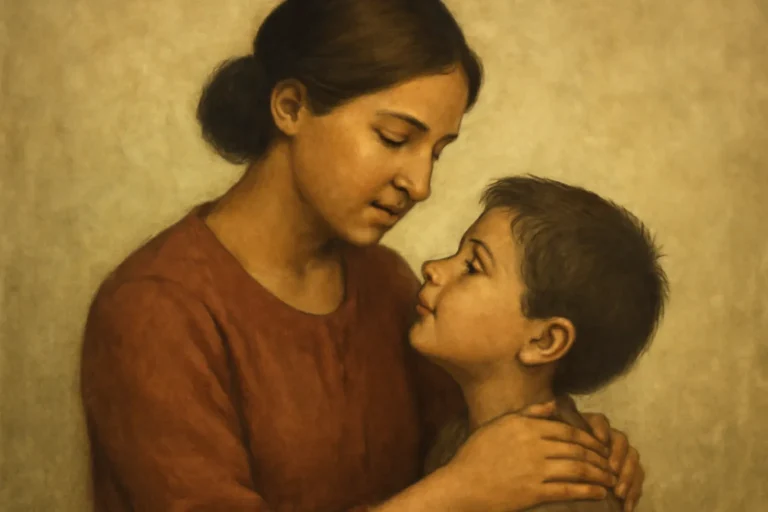
Overview: Fearfully and Wonderfully Made in Scripture
The phrase often quoted in Christian circles as “fearfully and wonderfully made” sits at the crossroads of personal identity, theology of the body, and the intimate work of God in creation. This article explores the meaning behind the words, the textual and historical context in which they appear, and biblical insights that help readers understand how human beings are described and valued in the fullest sense. While the exact wording is most commonly associated with Psalm 139, the language and imagery resonate with broader biblical themes about creation, purpose, and the dignity of every person made in God’s image.
The quintessential form of the phrase appears in the posture of praise found in Psalm 139, especially in its opening lines that celebrate God’s intimate knowledge of the speaker. A representative rendering from well-known English translations reads something like:
I praise you because I am fearfully and wonderfully made; your works are wonderful, I know that full well.
This line is typically understood as a personal confession of identity grounded in God’s creative and sustaining power. The emphasis is not primarily on human fear in the sense of paralysis, but on a deep, reverent awe in response to the skilled and purposeful nature of God’s crafting. In many English translations, the surrounding verses reiterate that God’s thoughts toward the person are precious, that God precedes and accompanies every moment of life, and that the speaker’s existence is embedded within a divine order and care.
Hebrew Roots: Meaning of the Key Words
A careful look at the Hebrew terms helps illuminate what is being affirmed. The phrase most closely linked to the well-known English rendering involves two core words, often explored in studies of Yare’ and Pala or related adjectival forms. While translations differ, the underlying sense centers on two connected ideas:
“Fearfully” or “fearful” in this context conveys reverence, awe, and a sense of being rightly impressed by the power and wisdom of the Creator as expressed in the design of a person’s form, function, and the moral and spiritual dimensions of life.
“Wonderfully” points to the extraordinary quality and beauty of God’s workmanship; it recognizes that an entire human being is crafted in a way that invites admiration, gratitude, and trust in the Creator’s purposes.
In Hebrew poetry, such paired terms frequently function as a paired intensifier—one word elevating the perception of the other. The phrase thus invites readers to see the human person as a living testament to divine skill and sovereignty. The broader Psalter repeatedly uses language about God’s works being wonderful and about God’s intimate attention to the details of creation, which adds weight to the declaration that we are fearfully and wonderfully made.
Psalm 139 stands out within the Psalter for its thematic focus on God’s omnipresence, omniscience, and intimate involvement in the life of the individual. The Psalm moves through several movements:
The psalmist acknowledges God’s thorough knowledge of their words, thoughts, and ways even before spoken or imagined.
There is an affirmation of God’s presence in every place—where one can go, God is there—and a sense that God’s hand guides and sustains life from beginning to end.
The speaker responds with a posture of trust and reverent praise, recognizing that human life is known, formed, and governed by God’s providence.
The near-quotations around the celebrated line also emphasize that God’s works are not just abstract creations; they are deeply personal. The statement, “I praise you because I am fearfully and wonderfully made,” is closely tied to the idea that God’s creative works reveal intention, care, and order. The surrounding verses point toward a philosophy of life in which identity is bound up with God’s purposes and in which every person is known by God in a uniquely intimate way.
Broader Biblical Context: Creation and Identity
The assertion that human beings are fearfully and wonderfully made aligns with broader biblical assertions about human beings as Imago Dei—made in the image of God. This concept is introduced most famously in Genesis 1, where humanity is described as created in God’s image and given stewardship over the rest of creation. The linkage between image-bearing status and personal worth/purpose is central across the biblical narrative.
Genesis 1:27 and the Imago Dei
The Genesis account presents a foundational premise for human dignity: God creates humanity in His own image, male and female, and gives them authority to tend and steward the earth. This divine imprint is often interpreted as a basis for:
Intrinsic worth that does not depend on external achievement or status.
Moral agency and responsibility to live in alignment with God’s will.
Relational value—humans are designed for meaningful relationships with God and with one another.
When Psalm 139 speaks of being fearfully and wonderfully made, it echoes this Imago Dei grammar in a personal, experiential register. It invites readers to connect their present sense of self with the ancient and enduring truth that life is a gift sustained by the Creator’s design.
Theological Implications: Identity, Dignity, and the Body
The language of being fearfully and wonderfully made carries several interwoven theological implications that resonate in both personal devotion and communal ethics.
Identity and Self-Worth
The declaration invites believers to form a robust identity rooted in God’s creative activity rather than cultural standards, outward appearance, or shifting social narratives. When someone says, “I am fearfully and wonderfully made”, they are aligning their self-understanding with a divine verdict about value and purpose. This helps counter messages that degrade the image-bearing reality of the human person, especially in contexts where vulnerability or disability, body image concerns, or mental health challenges might be sources of shame.
Embodiment and the Body
The phrase also speaks meaningfully to the Christian view of the body as good and significant, not merely as a vessel for the soul or a problem to be faced. The body is part of God’s design, and its intricacies—strength, fragility, creativity, and physiology—are woven into a story of God’s ongoing work in creation. This has practical implications for pastoral care, medical ethics, and everyday life. It says that physical presence, care for one’s own body, and compassionate treatment of others’ bodies are not tangential concerns but integral to the Christian life.
The biblical claim of being fearfully and wonderfully made provides a solid anchor for a wide range of ministry and personal-development themes. Here are practical pathways for applying this truth in everyday life, education, and church communities.
Pastoral counseling: Use the language of dignity and divine workmanship to encourage clients facing shame, self-criticism, or trauma. Affirm that their lives matter to God and that healing involves recovering a truthful sense of worth grounded in the Creator’s design.
Youth and family ministry: Teach teenagers and families to see themselves as image-bearing beings, reducing pressure to conform to harmful beauty standards and encouraging respect for diverse bodies and stories.
Ethics and social justice: Ground advocacy for vulnerable people—children, disabled persons, elderly, immigrants—in the conviction that every life carries the stamp of God’s handiwork.
Healthcare and caregiving: Embrace policies and practices that honor patients’ dignity, acknowledging that each person is fearfully and wonderfully made by God. This can guide decisions around consent, autonomy, and compassionate care.
Education and personal growth: Encourage learners to articulate their identities in light of God’s purposes, promoting virtues such as gratitude, humility, and responsibility toward others who are likewise made in God’s image.
Variations and Semantic Breadth
To deepen understanding and avoid reducing the phrase to a single translation, it is helpful to explore variation in wording across translations and theological reflections. These alternate phrasings preserve the core claim—human beings are the product of deliberate, loving design—while highlighting different nuances.
“Fearfully made” or “fearfully and fearfully made” (emphasizing reverent awe at the design and design process).
“Wonderfully made” (emphasizing the intrinsic beauty and excellence of creation).
“Marvelously made” (a translation a bit more interpretive, echoing the sense of marvel at God’s workmanship).
“Your works are wonderful” (placing emphasis on God’s creative acts as the source of wonder).
Paraphrase: “I am formed with intentional care by my Creator” (a contemporary restatement that foregrounds intentionality and care).
Cross-references: Imago Dei language across Scripture (framing this line within Genesis 1 and related passages about image-bearing and dignity).
Within a broader Psalm 139 lens (read as part of a larger meditation on God’s omniscience, omnipresence, and intimate care).
These variations are more than linguistic distinctions; they help readers approach the text from diverse theological and pastoral angles. Some readers may resonate with the emphasis on awe before God’s design, while others may lean into the affirmation of inherent worth as the basis for social and spiritual flourishing.
Intra-Biblical Cross-References and Theological Dialogue
The phrase fearfully and wonderfully made sits in a network of biblical allusions to design, purpose, and worth that includes both the Old and New Testaments. Several related threads invite ongoing reflection:
Genesis 1–2: Imago Dei: The human person begins as God’s image-bearer, a status that grounds dignity and vocation.
Psalm 139: A broader meditation on God’s knowledge of the person, with a strong sense of intimate care from conception onward.
Romans 12:4–8 and 1 Corinthians 12:12–27: The body and its many parts are one, with diversity functioning together for the common good; this supports a robust theology of embodiment and community.
Jeremiah 1:5 and Psalm 139:16: Themes of divine foreknowledge and ongoing formation of life in the womb and beyond, reinforcing a sense of intentionality in God’s creative acts.
Tellings about care for the vulnerable (e.g., Leviticus, Deuteronomy, and prophetic literature): The recognition of God’s personal knowledge of each person translates into ethical obligations toward others in need of protection and wholeness.
Interpreters frequently highlight that the psalmist’s conviction—that life is known, formed, and valued by God—serves as a bridge between personal devotion and public ethics. When the church teaches about being fearfully and wonderfully made, it often aims to cultivate both intimate trust in God and compassionate action toward neighbors who share in the same dignified identity.
Common Interpretive Questions
Readers frequently come to this topic with questions about what the statement means for daily life and belief. Here are a few commonly encountered questions, accompanied by concise reflections.
Is this about physical appearance or inward life?
The text affirms an integrated sense of person where body, mind, and spirit are interrelated. While not denying that outward appearance can change, the emphasis is on the complete person as God’s workmanship—encompassing physical form, capacities, and moral-spiritual potential.
What does it mean to be “made” by God?
The wording points to a creation story in which God’s activity shapes and sustains life. It affirms that life is a gift, not a random accident, and that human beings hold a moral and relational purpose within God’s cosmic plan.
How should this shape Christian living today?
Christian living moves from awe to action: recognizing every person’s intrinsic worth, advocating for justice and protection for the vulnerable, and shaping attitudes and practices in the home, church, and society that honor God’s workmanship in every individual.
The declaration that we are fearfully and wonderfully made is a compact statement with expansive reach. It anchors personal identity in God’s deliberate design, grounds dignity in the Creator’s imagery, and calls believers into a life of gratitude, care, and ethical responsibility toward others. The phrase sits within a broader biblical narrative that celebrates God as the Master Craftsman who knows us deeply, forms us purposefully, and sustains us lovingly through every circumstance.
When we revisit Psalm 139 with attention to its language and its place in Scripture, we are reminded that to be human is to be known by God, cherished by God, and invited to participate in God’s good purposes in the world. Whether we reflect on the beauty of the body, the wisdom of design, or the call to love our neighbor as ourselves, the message remains clear: each person bears the mark of divine workmanship and is therefore worthy of dignity, care, and respect.
Bible Verses About Our Purpose: Finding Meaning and Direction Our lives are not accidental journeys but part of a larger, divinely ordered plan. The Bible speaks with clarity about purpose as something God designs, reveals, and empowers in us. In Scripture we encounter a message of intentional design: we are created with intention, called into…
What it Means to Stand With Israel Biblically In recent decades, the phrase “stand with Israel” has appeared in sermons, articles, prayer meetings, and public discourse across many faith communities. While the political and historical dimensions of the modern state of Israel can be complex, the biblical record offers a set of foundational ideas about…
Bible Verses About Being Broken Hearted: Comfort and Healing The experience of a broken heart can feel isolating, heavy, and overwhelming. Yet the Bible speaks with steady, compassionate clarity about sorrow, loss, and the path toward comfort and healing. Across many books and voices, Scripture points us to God’s intimate presence with those who grieve,…
The Call to Give Freely In biblical thought, the impulse to give freely is framed as a natural outgrowth of God’s character and of the believer’s response to grace. The concept appears in multiple forms throughout Scripture: a cheerful gift given to those in need, a voluntary contribution to support the church and its mission,…
Why the command to honor mother and father matters The biblical command to honor your father and your mother sits at a foundational crossroads of faith, family, and public life. It appears in the Ten Commandments, in the books of the Old Covenant, and, for Christians, is echoed and reinterpreted in the New Testament. This…
Bible Verse: I Will Be With You – A Powerful Promise of Hope and Comfort Across generations, believers have clung to the simple yet profound assurance that I will be with you. This promise — whispered through Scripture in various forms and contexts — serves as a compass in times of fear, a beacon in…