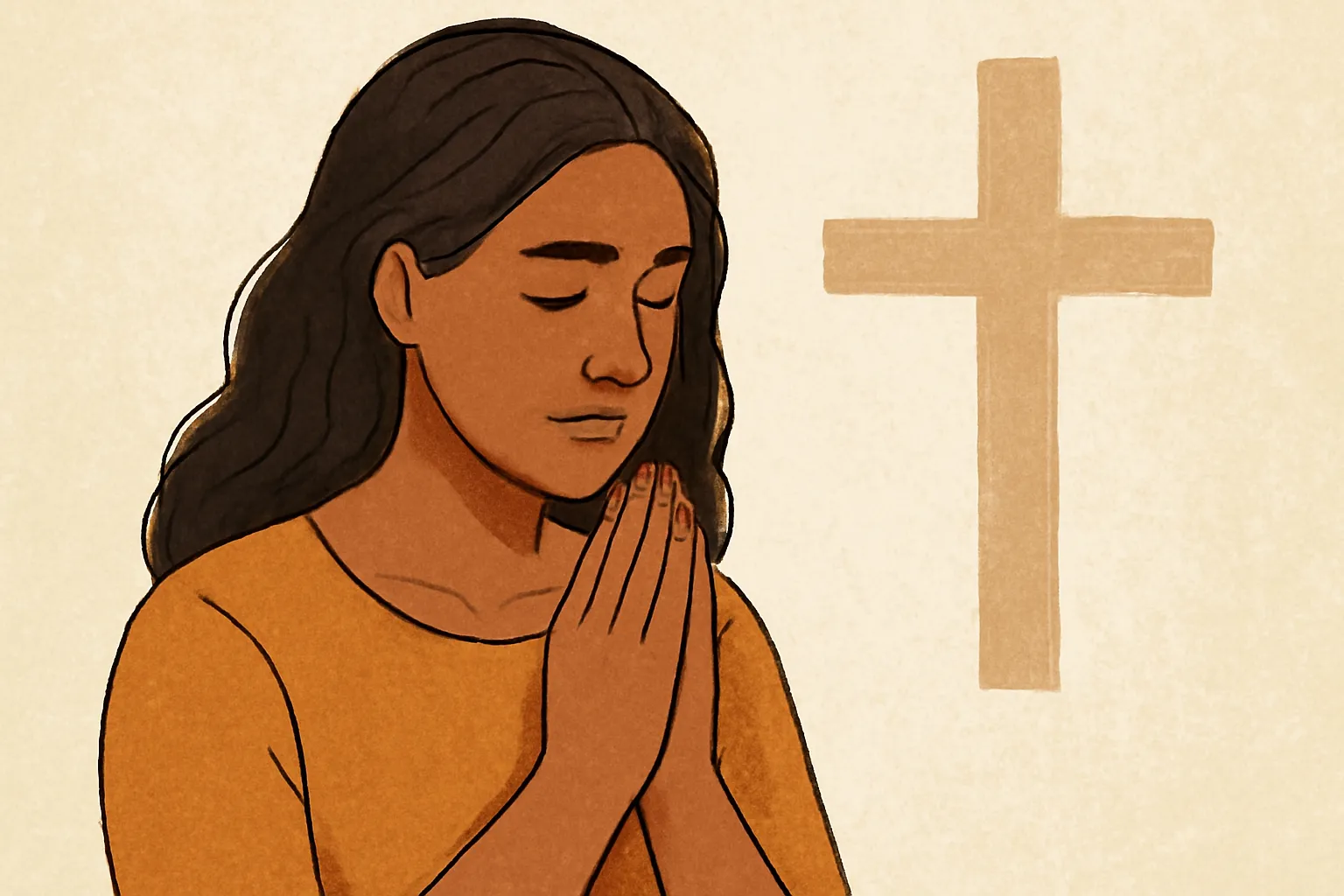
Many people seek deliverance from generational curses as part of their spiritual journey and personal healing. This article provides an informative overview of what generational curses are understood to be, how they might manifest in families, and practical approaches to overcoming them through prayer, forgiveness, and intentional living. While the topic is rooted in particular faith perspectives, the discussion offers broadly applicable ideas about breaking cycles, healing trauma, and creating healthier patterns for future generations.
Throughout this article, you will find a range of prayer variations designed to resonate with different temperaments and spiritual backgrounds. The central aim is not to replace professional mental health support or counseling, but to offer frameworks for spiritual renewal and familial healing that can accompany other forms of care.
What Are Generational Curses and Why Do People Talk About Them?
A generational curse is a concept found in many religious and cultural traditions that describes patterns of sin, trauma, illness, poverty, addiction, or dysfunction that seem to run through families from one generation to the next. People often understand these patterns through three lenses:
Spiritual perspective: A belief that spiritual forces or consequences can be transmitted across generations due to collective choices or ancestral actions.
Psychological perspective: The intergenerational transmission of coping styles, parenting habits, trauma responses, and learned behaviors that shape a family’s dynamics over time.
Sociocultural perspective: The way social conditions, economic pressures, and community norms create recurring life trajectories for families.
In practice, many people find that addressing a generational pattern requires a combination of confession, renunciation, forgiveness, and practical steps toward new habits and boundaries. The aim is not to assign fault to ancestors but to break the cycles that hinder health and flourishing for the current and future generations.
Origins and Scriptural Context (In Brief)
For those drawing from Christian traditions, several biblical themes are commonly cited when discussing generational patterns. While interpretations vary, the following ideas are often referenced in sermons, study groups, and personal devotionals:
The concept that certain consequences may accompany inherited sin or collective disobedience, as described in passages that speak about inherited tendencies and consequences to the third or fourth generation.
God’s call to mercy, forgiveness, and restoration through faith, which many people apply to break cycles that harm families.
The belief that Christ provides freedom from “the law of sin and death” and enables a fresh start for individuals and families who choose to live in alignment with higher principles.
Even outside specific doctrinal contexts, the core idea remains relevant: to recognize patterns that hinder well-being, to seek healing, and to commit to actions that foster healthier family narratives.
Why People Seek Deliverance from Generational Patterns
There are multiple legitimate motivations for engaging in prayers and practices aimed at breaking generational cycles. Some of the most common motivations include:
Healing personal trauma and reducing the carryover of painful experiences into adulthood or the lives of children.
Breaking cycles of addiction or health issues that seem to recur in families across generations.
Building healthier relationships by interrupting patterns of control, abuse, or neglect.
Creating a sense of agency and spiritual discipline that empower individuals to change their life trajectories.
Setting a new legacy for future descendants—demonstrating that past pain does not have to determine future outcomes.
It’s important to recognize that the journey can involve both emotional and spiritual elements. For some, the process is deeply spiritual, while for others it may be primarily psychological or relational. Regardless of framework, the underlying goal remains the same: cultivate freedom, wholeness, and a future shaped by constructive choices.
Core Principles for Breaking Generational Curses
While approaches differ, several core principles commonly appear in effective prayers and practices for breaking generational patterns:
Renunciation of inherited paths that lead to harm, and a declaration of intent to walk in a new direction.
Forgiveness for oneself and for others, recognizing that forgiveness loosens the grip of old wounds.
Confession or acknowledgement of harms that contributed to patterns—paired with accountability and a commitment to change.
Prayer of repentance or heart posture that seeks alignment with higher principles and healing for the lineage.
Declaration of blessings, protection, and new purposes for future generations.
Practical steps — setting boundaries, seeking counseling, building supportive communities, and forming healthier rhythms of living.
These principles can be woven into personal prayer, family devotionals, or small-group sessions. The combination of inward transformation (change of heart) and outward action (new habits) is often most effective for sustainable impact.
Types of Prayers and Variations
Below are several prayer variations commonly used to address generational patterns. Each variant is designed to be adaptable to different settings—personal devotional time, family prayers, or communal gatherings. You can mix and match approaches to suit your context.
Renunciation Prayer
A Renunciation Prayer is a deliberate declaration of turning away from harmful patterns and disavowing any alignment with them. You can adapt language to fit your tradition.
Sample Renunciation (modern language):
In the name of the Almighty, I renounce every pattern that has passed down through my family line which brings pain, fear, addiction, or discord. I renounce the spirit of bondage, every chain of anger, bitterness, poverty, and harm. I choose a new path of peace, health, and love. I break every agreement I may have made, knowingly or unknowingly, with destructive cycles. I declare that I walk in the light of a new covenant, with courage to stand for what is right and a commitment to choose freedom for myself and for those who come after me.
Variations you can try:
Renunciation of fear-based patterns and an embrace of courage and resilience.
Renunciation of substance abuse cycles and a commitment to healthy coping strategies.
Renunciation of abusive dynamics and an invitation to-build boundaries and safe relationships.
Confession and Repentance Prayer
Confession acknowledges the harms that have contributed to intergenerational pain, and repentance expresses a sincere desire to change direction.
Lord, I confess and take responsibility for the ways I have contributed to harm in this family line, and I repent for not upholding the dignity and safety of those in my care. I renounce any tie to inherited patterns that cause suffering. I ask for the forgiveness that heals and the strength to walk in new directions. Cleanse my heart, renew my mind, and guide me in the path of righteousness for the sake of my family and future generations.
Variations:
Confession of resentment and a plea for healing reconciliation.
Confession around anger management and the adoption of healthier coping skills.
Ancestral Healing Prayer
An Ancestral Healing Prayer seeks to honor the good in ancestors while releasing what has harmed the lineage. It often includes gratitude, acknowledgement, and a forward-looking commitment.
Heavenly Father/Mother Spirit, I thank you for the ancestors who carried love and courage into this world. I acknowledge the wounds that have passed through generations and I release any curse or pattern that harms the line. I ask for healing to flow through every branch of my family tree—heart, body, mind, and the relationships between us. May blessings replace the hurts, wisdom replace the confusion, and compassion replace judgment. I commit to stewarding a legacy of health and hope for those who come after me.
Variations:
Language that emphasizes gratitude for positive traits and roles in the family, alongside release of harm.
Use of specific ancestral names or lineages, if meaningful in your tradition, with care to honor rather than stereotype.
Deliverance and Breaking Chains Prayer
This category emphasizes a declaration of freedom from spiritual or emotional bondage and the authority to exercise that freedom.
Sample Deliverance (bold and direct):
In the name of Jesus (or your preferred higher power), I command all spirits of fear, bondage, addiction, and dysfunction tied to this family line to depart from me and my descendants. I choose the authority granted to me to stand in freedom. I declare victory over cycles of harm and I invite the light of truth, healing, and protection to saturate every generation to come. I walk in liberty and I bless the generations that follow with courage, sound judgment, and lasting peace.
Deliverance language framed in a more non-theistic or universal spiritual vocabulary for inclusive contexts.
Include a practical element, such as steps to disengage from old triggers or to seek professional support when needed.
Protection and Restoration Prayer
Protection prayers focus on safeguarding individuals and households from harm while inviting restoration and renewal.
Sample Protection (structured for daily use):
Heavenly Protector, I ask for your shield over my life and my home. Protect me from cycles that seek to destroy or diminish. Cover my mind with peace, my relationships with safety, and my body with health. Restore what has been broken and renew hope in the generations to come. Lead us in paths of wisdom and kindness, so that the legacy left behind is one of safety, trust, and vitality.
Variations:
Specifying areas of protection (emotional well-being, financial stewardship, relational safety).
Prayers for community protection, especially for vulnerable family members such as children and elders.
Forgiveness and Reconciliation Prayer
Forgiveness is often central to breaking cycles. This prayer focuses on healing wounds through grace and reconciliation, where possible.
Sample Forgiveness (grace-filled):
God/Spirit of compassion, I choose to forgive those who have harmed me, and I invite forgiveness to flow through me toward those I have harmed. Where there is division, bring reconciliation. Where there is hurt, bring healing. Help me to release bitterness and to replace it with generosity, empathy, and patience. May forgiveness extend to future generations, creating room for love to grow and flourish.
Variations:
Forgiveness that is personal (for myself) and familial (for relatives, including those not alive).
Forgiveness framed as a gift to the next generation, with a pledge to model healthy, respectful relationships.
Prayer for Healing and Renewal
Healing prayers address physical, emotional, and spiritual wounds, inviting renewal and wholeness.
Sample Healing (holistic):
Source of Life, pour healing into every wound carried by this family line. Restore strength to bodies weakened by illness, calm minds troubled by anxiety, and joyful hearts weighed down by sorrow. Bring renewal to the generations to come by teaching weeping may endure for a night, but joy comes in the morning. Let renewal ripple outward, affecting marriages, children, workplaces, and communities with vitality and hope.
Variations:
Healing prayers that focus on physical health, mental health, and relational wellness.
Inclusion of gratitude for small but meaningful improvements as signs of progress.
Step-by-Step Guide to Using These Prayers
Identify the patterns you want to address. Reflect on what you’ve observed across generations: recurring conflicts, health issues, financial difficulties, or relational dysfunction.
Choose a prayer variation or mix several. Consider your temperament, tradition, and the specific issues you want to address.
Prepare a safe space. Create a quiet environment, free from distractions. If possible, involve trusted teammates—family members, a pastor, a counselor, or a prayer partner—who respect your boundaries.
Confess and renounce. Use a renunciation or confession prayer to acknowledge the patterns and declare your intent to break them.
Renounce agreements that may have been entered into, whether consciously or unconsciously, with unhealthy cycles.
Forgive as a pivotal step toward healing. Forgiveness is often transformative even when the other person is not present or able to apologize.
Declare blessings and protection for yourself and all future generations. Speak commitments that reflect your desired outcomes.
Take practical steps. Prayer is meaningful, but it should be paired with concrete actions—seek counseling, establish healthy boundaries, practice healthy coping strategies, and cultivate supportive communities.
Document progress. Keep a journal of patterns observed, changes you notice, and testimonies of healing to reinforce the process.
Invite ongoing support. Regular check-ins with mentors, faith communities, or therapists can help sustain progress and provide accountability.
Tip: Some people find it helpful to create a simple ritual that marks each new step—lighting a candle, praying at a specific time of day, or saying a short affirmation aloud. Rituals can anchor intention and create a sense of sacred tempo for lasting change.
Sample Prayers: Full Texts in Different Styles
Traditional Formal Prayer
O God of mercy and truth, I bow before you and acknowledge the cycles that have touched this family line. I renounce every pattern of harm and every agreement with bondage. I confess the ways I have contributed to pain, and I repent with a sincere heart. I ask for your cleansing and healing power to wash over my life and the lives of my descendants. Set us free from lingering hurts, break every chain, and replace fear with faith, sorrow with joy, and despair with hope. Lead us in paths of right living, protect us, and bless the generations to come with peace and abundance. In your mercy, grant that our family legacy be one of life, love, and legitimate strength. Amen.
Hi God, I’ve seen patterns in my family that didn’t make sense and hurt people I love. I’m choosing a different path. I renounce anything in this family line that causes harm—drama, addiction, anger that hurts others, and poverty thinking. I forgive those who hurt me and ask for forgiveness for my own mistakes. Please help me break these cycles and watch over my kids and grandkids. Help me build healthier habits and relationships. I want a fresh start—for me and for the generations to come. Thank you for hearing me. Amen.
Ancestral Healing-Focused Prayer
Gracious Spirit, thank you for the good in those who came before me. I honor their courage and the lessons I’ve learned from them. I release and disconnect from the things that harmed us: fear, rage, neglect, and misuse of power. I invite healing into the wounds carried from one generation to the next. May our family line be marked by love, safety, responsibility, and mutual respect. I bless the future and commit to nurturing a healthier legacy for those who follow me.
Deliverance-Oriented Prayer
Power and freedom, I step into the truth that I am not bound by the mistakes of the past. I declare freedom from every chain that has weighed this family down. I command any unclean spirits or negative patterns to depart, and I invite the fullness of life, peace, and courage to fill every person in my family. Let light replace darkness, and let joy replace fear. I choose to live with integrity and with love, so our lineage may prosper in every good way.
Protection and Blessing Prayer
Protector and blesser, shield my family from harm, especially the cycles that tend to repeat. Pour out blessing, wisdom, and provision. Surround us with healthy boundaries, supportive communities, and compassionate relationships. May future generations walk in faith, hope, and resilience, equipped to turn toward what is good and right. Thank you for your steadfast care.
Common Mistakes and How to Avoid Them
Rushing the process: Healing and transformation take time. Allow space for emotion, reflection, and gradual change.
Using prayer as self-paturation rather than honest repentance and real change. Prayer should lead to concrete steps, not only feelings.
Neglecting boundaries: Breaking cycles often requires setting and enforcing healthy boundaries with family members, friends, and social circles.
Isolating or blaming: Healing is not about blame; it’s about accountability, compassion, and growth.
Ignoring trauma: If trauma is involved, seek support from professionals in addition to spiritual practices.
Resources and Next Steps
If you are exploring generational healing, you may find these avenues helpful:
Pastoral guidance or a trusted spiritual advisor who respects your tradition.
Counseling or therapy to address trauma, addiction, or dysfunctional family dynamics.
Support groups for individuals seeking healing from family-pattern issues.
Educational books and materials on intergenerational trauma, personal development, and spiritual growth.
Healthy routines—regular sleep, nutrition, exercise, mindfulness, and spiritual practices that promote resilience.
Remember that there is no single formula for healing. The path often includes prayer, reflection, accountability, and community. If you engage with a faith community, consider sharing your journey with someone you trust and seeking guidance on how to implement practical changes that support enduring wellness.
Closing Thoughts
Generational patterns can shape life narratives in powerful ways, but they are not inexorable destinies. Through intentional practice, prayer, and compassionate effort, it is possible to break free from cycles that have held families back for generations. The combination of renunciation, confession, forgiveness, and practical action creates a strong foundation for healing that can reverberate through the present and into the future.
Whether you approach this topic from a Christian framework, a broader spiritual perspective, or a secular mindset focused on healing and healthier family dynamics, the essential elements remain: acknowledge harm without dwelling in blame, invite healing, and commit to actions that build a legacy of wholeness. By embracing these ideas and using the varied prayer variations outlined here, you can cultivate freedom, resilience, and a hopeful future for yourself and the generations that follow.
Freed Spirit: Reclaim Your Freedom and Live Authentically The idea of a freed spirit is not a single moment of rebellion, but a durable practice of choosing truth over fear, authenticity over conformity, and agency over resignation. When people speak about reclaiming their freedom of being, they are describing a shift from living by others’…