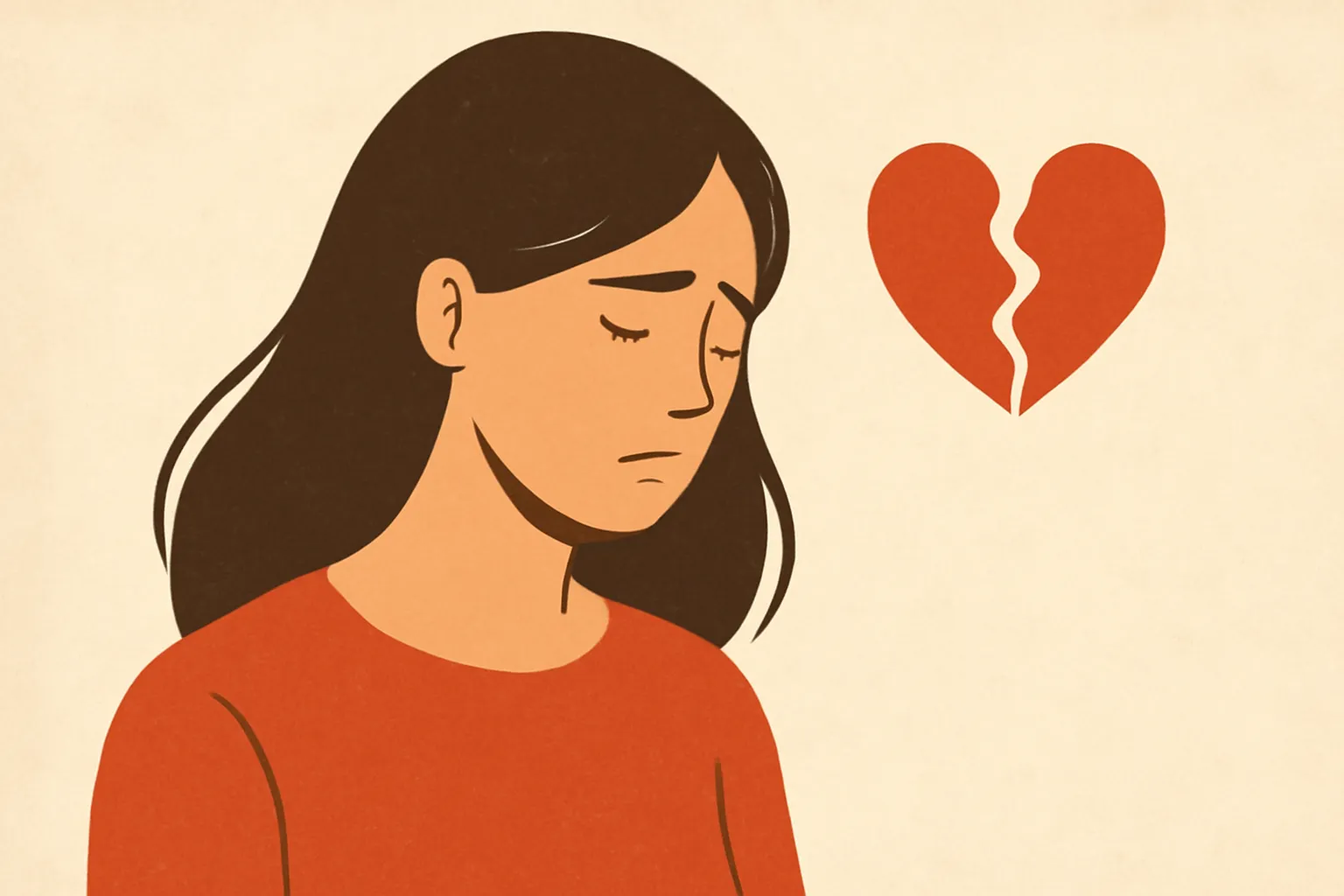
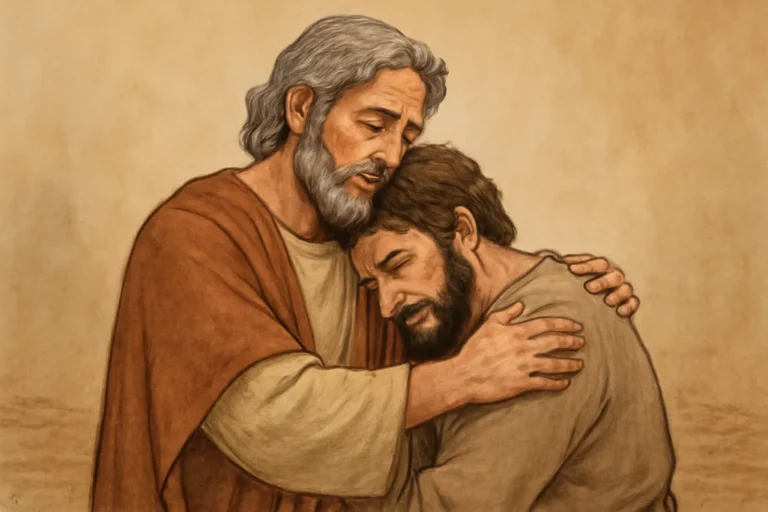
When you Loved the Wrong Person and Faced No Forgiveness
Love can be a powerful compass, guiding us toward closeness, safety, and growth. Yet
sometimes the heart leads us to the wrong person, a relationship marked by
hurt, manipulation, or betrayal. When forgiveness is withheld or appears unavailable,
it can feel as though you are carrying a second wound alongside the initial hurt. This article
explores how to heal from a hurtful relationship and move on
after loving the wrong person, even when forgiveness seems out of reach.
The path from pain to progress is rarely linear. It involves naming emotions, rebuilding boundaries,
reexamining beliefs about love and self-worth, and choosing actions that support a healthier future.
This guide presents practical steps, clear definitions, and supportive strategies to help you recover
with dignity—whether or not forgiveness from the other person ever arrives.
What it means to love the wrong person: recognizing harmful patterns
Loving the wrong person does not imply moral failing; it reflects the imperfect
nature of human attraction and the complex dynamics that unfold in intimate relationships.
Often, people who are loving in intent still create situations that are unsafe, unrewarding,
or emotionally exhausting. Some telltale patterns include:
Chronic boundary violations, where your needs, limits, and autonomy are dismissed.
Emotional manipulation, including guilt-tripping, gaslighting, or blaming you for problems.
Inconsistency and unreliability, leaving you feeling unstable or unsafe.
Control and possessiveness, curtailing your freedom, friendships, or personal growth.
Repeated harm, whether through harsh words, neglect, or actions that undermine your well-being.
Being aware of these patterns helps separate the pain of the relationship from your self-worth.
It’s possible to acknowledge that you were hurt while also recognizing that your value remains intact.
This distinction is essential for self-respect and for deciding how to proceed.
The role of forgiveness: what it is, what it isn’t
Forgiveness is a complex and deeply personal process. It is not a single action but a journey of
changing how you hold onto the past. There are two critical ideas to keep in mind:
Forgiveness is optional. You can heal and move forward without granting forgiveness to the other person, and that choice does not minimize your trauma or your need for peace.
Forgiveness for yourself can be separate from forgiveness for the other person. You may choose to forgive yourself for any perceived mistakes while still protecting yourself from further harm.
When the phrase loved the wrong no forgiveness appears, it often signals a conflict between
longing for reconciliation and the reality of ongoing harm. This tension doesn’t mean you failed;
it means you are navigating a difficult ethical and emotional landscape. The goal is healing, safety,
and the ability to shape a future in which you can thrive.
Immediate steps to begin healing after loving the wrong person
Early steps set the foundation for lasting change. Start with small, manageable actions that
rebuild safety, sense of self, and clarity about what you want in the future.
Name the emotions: Allow yourself to feel anger, sadness, fear, shame, relief, and confusion.
There is no right order or timetable. Journaling or talking with a trusted friend can help you articulate feelings.
Establish safe boundaries: If the relationship is ongoing in any form, define and enforce limits.
This might mean reducing contact, changing routines, or seeking professional support to maintain safety.
Seek support from people who validate your experience. Friends, family, or a mental health professional can
provide perspective, accountability, and coping tools.
Limit contact with triggers, including social media, mutual acquaintances, or reminders of the relationship
that intensify pain or confusion.
Practice self-compassion: Treat yourself with the same patience and kindness you would offer a friend in pain.
Practical exercises to start healing today
Gratitude journaling: Each day, write down three things you appreciate about yourself or your life
that aren’t tied to the relationship.
Boundary scripting: Write short statements you can use to enforce boundaries (for example, “I’m not available to discuss this right now.”).
Grounding techniques: When distress spikes, try 4-7-8 breathing, naming objects in the room, or slowly feeling the chair beneath you.
Emotional navigation: mapping the inner landscape
Healing from a hurtful relationship involves moving through a range of emotions without getting stuck in
them. Below is a map of common emotional stages and strategies to manage them in a healthy way.
Grief and loss
Grieving a relationship—especially one that felt meaningful—can resemble mourning a loss. It is not just
about the person, but about the future you imagined with them. Allow yourself to mourn the anticipated
connection, the companionship, and the sense of safety that you hoped would exist.
Anger and confrontation resistance
Anger can be a protective shield, signaling that your boundaries were breached. You do not need to “cleanse”
this anger instantly. Use it as a signal to assert boundaries or to catalyze change in your life.
Shame and self-criticism
It’s common to second-guess your judgment or feel foolish for loving the wrong person. Challenge these thoughts
by collecting evidence of your strength, resilience, and the choices you are now making to protect yourself.
Moving from heartbreak to healing: building a path to a healthier future
Moving on requires practical steps and the cultivation of healthier relationship templates. The process is gradual
and often non-linear, but it is also within your control. Here are strategies to help you reclaim your life.
Redefine self-worth outside of romantic validation. Your value comes from who you are, not who you love or who loves you.
Rebuild identity: Re-engage with hobbies, friendships, and activities that you enjoyed before the relationship or that you’ve wanted to try.
Develop new routines: Create daily habits that reinforce safety, well-being, and progress, such as regular exercise, healthy meals, and consistent sleep.
Strengthen social connections: Cultivate a supportive circle that respects your boundaries and celebrates your growth.
Practice assertive communication: Learn to express needs clearly and calmly, without escalating conflict.
Reframing your narrative
The stories we tell ourselves about love and worth shape our future choices. If you repeatedly tell the
narrative that you are unworthy of healthy love, you may unconsciously attract similar dynamics. To counter
this, practice reframing:
“I can learn from this experience and increase my discernment.”
“I deserve respect, safety, and reciprocity in a relationship.”
“My past does not define my future; I can choose better boundaries and healthier partners.”
When forgiveness is not the goal: choosing to move forward without reconciliation
It’s possible to heal without reconciliation. The presence or absence of forgiveness from the other person does not
determine your ability to heal. You can:
Let go of ongoing blame toward yourself or the other person to reduce chronic stress.
Forgive yourself for choices you now view with more clarity, while recognizing that you acted with the
information you had at the time.
Choose no contact when needed to protect your emotional health and create room for healing.
Boundaries as a cornerstone: regaining control after loving the wrong person
Boundaries are not about punishment; they are about safety, respect, and the kind of relationship you want to have
in the future. Clear boundaries include physical space, emotional limits, and time and energy commitments.
Practical boundary examples
I will not engage in conversations that turn disrespectful or abusive.
I will limit contact to essential topics if there are shared responsibilities (children, finances).
I will pause social media stalking or checking their updates—unsubscribing from triggers.
I will seek support from a therapist or trusted friend when I feel overwhelmed.
Self-care as a healing strategy: reorienting toward vitality
Self-care is not a luxury; it is a necessity for healing after an emotionally taxing relationship. It helps reduce the
impact of stress, rebuilds resilience, and reinforces your capacity to choose healthy environments.
Physical health: Regular movement, balanced nutrition, hydration, and sufficient sleep.
Mental health: Mindfulness, journaling, or therapy to process trauma and develop coping skills.
Social health: Meaningful connections, role models, and supportive communities.
Spiritual or existential health: Time for reflection, values clarification, or activities that bring meaning.
Seeking professional help: when therapy can accelerate healing
A mental health professional can provide a structured space to process trauma, assess patterns, and develop a
personalized plan for moving forward. Look for providers who specialize in trauma-informed care, relationship
dynamics, or adult attachment styles. If safety is a concern, seek help immediately from local resources or hotlines.
Common myths about healing, forgiveness, and moving on
Many myths surround the process of healing after loving the wrong person. Debunking them can prevent stagnation and
promote healthier decisions. Consider these points:
Myth: Forgiveness must come before healing. Healing can occur independently of forgiveness.
Myth: Time alone heals everything. Time helps, but deliberate action and support are often needed.
Myth: You should forget the pain to move on. You can acknowledge the pain and still move forward with boundaries and growth.
Myth: If you still miss the person, you failed at healing. Missing aspects of the past is normal; it doesn’t negate progress.
Long-term recovery: building a healthier future after a difficult relationship
Long-term recovery involves ongoing attention to your needs, patterns, and goals. Here are ways to sustain progress
and prevent repeating the same hurtful dynamics.
Review and adjust your attachment patterns: Understand whether you tend toward anxious, avoidant, or secure styles.
Use this insight to guide how you choose partners and how you navigate conflict.
Develop a healthy dating framework: Define non-negotiables, signs of red flags, and a pace that honors your readiness.
Foster self-trust: Keep promises to yourself, celebrate small wins, and resist returning to familiar but harmful cycles.
Invest in personal growth: Pursue education, career goals, hobbies, and friendships that reinforce your sense of purpose.
Variations on the idea: reframing the theme of “loved the wrong no forgiveness”
Throughout this journey, you may encounter variations of the core idea—“loved the wrong person,” unforgiven hurt, or
“no forgiveness” from the other side. These phrases reflect different facets of the same experience:
the collision between desire for connection and the reality of harm. Keeping these variations in mind can help you frame your
healing in a way that validates your experience while guiding you toward actionable steps.
Case examples: applying the principles to real-life situations
Consider two hypothetical scenarios that illustrate how the guidance above can play out in practice. These examples
emphasize that healing looks different for everyone, and there is no single right path.
Case A: Boundaries and a clean break
A person in a hurtful relationship recognizes persistent manipulative behavior. They begin by documenting incidents,
talking with a therapist, and establishing strict boundaries, including a permanent pause in romantic engagement with the
partner. Over several months, they rebuild their social circles, pick up a hobby, and gradually reduce contact. They do not
seek forgiveness from the other person; instead, they focus on self-respect, safety, and a future that aligns with their values.
Case B: Healing while co-parenting
In a situation where there are shared responsibilities, such as co-parenting, healing requires practical routines and
civil communication. The person works with a mediator and a therapist to establish boundaries that protect the child’s
well-being and their own mental health. They practice self-care, explore personal interests, and reframe their story to emphasize
growth and responsibility rather than blame.
Practical checklist for a comprehensive healing plan
This checklist consolidates the key steps into an actionable plan you can customize.
Acknowledge reality: Name what happened, how it affected you, and what you need to recover.
Clarify your boundaries: Decide what you will accept and what you will refuse moving forward.
Build a support network: Seek friends, family, or professionals who respect and encourage your healing.
Engage in self-care routines: Prioritize sleep, nutrition, exercise, and activities that restore energy and mood.
Reframe your narrative: Develop a personal script that emphasizes your growth, values, and future goals.
Take gradual action: Make small, consistent steps toward independence, new routines, and healthier relationships.
When to seek additional help: recognizing persistent distress
If you notice persistent symptoms such as chronic insomnia, daily intrusive thoughts about the relationship, severe anxiety
or depression, or thoughts of self-harm, seek professional support immediately. A licensed therapist can offer tailored
strategies, diagnose potential trauma responses, and help you develop a safety plan. In emergencies, contact local crisis lines
or emergency services.
Myths vs. realities: reframing common beliefs about lasting hurt
Let’s address some common misconceptions that can stall progress:
Myth: If I forgive, I am minimizing the harm. Reality: Forgiveness is a personal choice that does not erase harm. It can coexist with boundaries and accountability.
Myth: Healing means I must forget what happened. Reality: Healing often involves integrating the experience into a wiser sense of self, not erasing memory.
Myth: The absence of forgiveness from the other person means I can never move on. Reality: You can move forward by validating your feelings, rebuilding your life, and choosing healthier connections.
Final reflections: honoring your journey toward a healthier love
The experience of loving the wrong person can leave a lasting imprint, but it does not define your future.
By embracing these steps, you can transform hurt into a catalyst for growth and create a life in which you
are surrounded by respect, safety, and genuine connection. Even when no forgiveness from the
other side is forthcoming, your healing remains possible and within reach.
you deserve a future free from repeated harm
Healing after loving the wrong person is not about denying the pain or pretending everything is okay.
It is about choosing to protect yourself, rebuild your sense of self, and cultivate the kind of healthy love
you deserve. Remember:
Your feelings are valid, and it’s okay to take your time.
Boundary-setting matters and is a critical catalyst for healing.
Forgiveness is optional and personal; moving on can occur without reconciliation.
Self-care and support lift you up and sustain you during the difficult days.
The journey from heartbreak to a brighter future is deeply personal, but you are not alone.
By applying the insights in this guide, you can transform unforgiveness into a pathway to
empowerment, and you can design a future where you are loved in the right ways—by people who honor your
boundaries, your worth, and your dreams.
The Transformative Power of Christian Forgiveness In the Christian faith, forgiveness stands as a sacred discipline and a doorway to freedom. It is not merely a feeling but a deliberate choice rooted in the example of Christ and the mercy of God. When hurt, betrayal, or injustice presses in, quotes from Scripture can anchor us,…
What this article covers Forgive is a word people use often, but when we explore it through the lens of the bible, the concept carries depth, responsibility, and transformation. In everyday speech, to forgive might simply mean letting go of a grudge. In the biblical sense, however, forgiveness implies a release from guilt, a cancellation…
The enduring question of mercy and repair The simple, piercing plea “Father forgive me for I have sinned” has echoed through churches, chapels, and kitchens where families gather for confession and renewal. It is more than a sentence; it is a doorway into a spiritual practice that invites honesty, humility, and the transforming power of…
Bible Stories About Forgiveness — Parables, Lessons, and Real-Life Examples The Bible presents forgiveness as a defining quality of God and a transformative practice for people. Across both the Old and New Testaments, forgiveness is not merely an emotion but a path toward restoration, healing, and renewed relationships. Forgiveness appears in parables, in direct narratives,…
In the Christian tradition, biblical forgiveness is more than a sentiment or a cultural cliché. It is a robust, theologically rich concept rooted in the character of God and lived out in human relationships. This article explores the definition of biblical forgiveness from multiple angles: its theological foundations, its scriptural warrants, its differences from everyday…