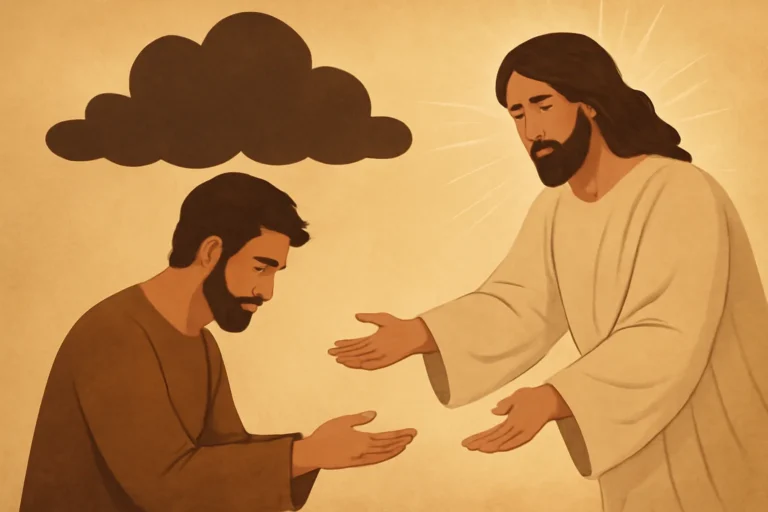
Across cultures and centuries, many people have turned to a simple, comforting maxim in moments of *pain, pressure, or loss*: “God does not give you more than you can handle.” The sentiment is meant to offer reassurance, a reminder of divine companionship, and a prompt to persevere. Yet the phrase has a complicated history. It is often quoted as a blanket rule for all human hardship, and that broad application can mislead readers away from richer biblical teaching, nuanced theology, and practical care in times of distress.
This article explores the intention behind the saying, its biblical roots, and the differences between temptation, trials, and suffering. It also addresses how communities, pastors, counselors, and individuals can respond in ways that honor both truth and compassion. The goal is not to debunk a comforting proverb but to clarify its scope, avoid misuse, and offer constructive ways to respond when life feels overwhelming.
The phrase in its popular form: variations and semantic breadth
People express the idea in several variations, each carrying its own emphasis. Some common forms include:
“God won’t give you more than you can bear.” — a concise paraphrase emphasizing endurance.
“God does not burden you beyond what you can handle.” — stresses limits and divine restraint.
“God will not tempt you beyond what you can resist.” — highlights the moral dimension of temptation and the possibility of escape.
“God is faithful; He will provide a way out so you can endure it.” — echoes the sense of divine provision in hardship.
“You are not asked to endure alone; God gives strength through community.” — expands the idea to social support and shared burden.
These variants illustrate a key truth: people often try to harmonize a difficult experience with a belief in a loving, active God. The common thread is comfort, resilience, and trust, but the language shifts emphasis between personal endurance, divine aid, temptation, and communal responsibility.
The original context: where does the phrase come from, and what does it mean there?
1 Corinthians 10:13 and the language of temptation
The phrase most frequently cited in popular conversation is a paraphrase of concepts found in 1 Corinthians 10:13, a verse about temptation. The passage reads, in part:
No temptation has overtaken you except what is common to mankind. And God is faithful; He will not let you be tempted beyond what you can bear. But when you are tempted, He will also provide a way out so that you can endure it.
In this biblical context, the concern is temptation to sin and the assurance that God will provide a path to resist and escape that temptation. The verse affirms divine faithfulness and a way forward, not a blanket statement about every form of suffering or every kind of hardship in life.
Several important distinctions arise from studying this passage carefully:
Temptation vs trial: The text speaks specifically to temptation, not every adverse circumstance such as illness, poverty, or grief.
Beyond what you can bear: The focus is on the point at which a person cannot resist temptation on their own. God’s intervention is intended to prevent inevitable moral collapse and to supply a moral exit or strength.
Providence in action: The verse emphasizes God’s faithfulness to provide a way out, which may involve inner resolve, external support, or a combination of both.
When readers interpret this passage as a universal guarantee about all trials, they risk conflating two distinct issues: moral temptation that seeks to draw a person into sin, and the broader, often non-moral, burdens of life that test endurance, resilience, and faith in different ways.
Why the distinction matters for interpretation
Interpreting temptation language as blanket hardship can lead to several unintended consequences. It may inadvertently minimize real pain, imply that suffering signals moral failure, or discourage people from seeking help. Recognizing the original focus helps readers avoid misapplying scripture to situations where it does not directly address the core issue.
Depending on context and personal experience, the maxim can function as a comfort or as a source of pressure. Here are several frequent misinterpretations and their possible effects:
Oversimplification of suffering: Reducing grief, illness, or trauma to a single internal test may ignore medical, social, and economic realities that require practical help and systemic responses.
Moralizing pain: Framing hardship as a consequence of personal weakness can compound guilt and shame rather than offer relief or relief-seeking behavior.
Dismissal of distress: When others say “you’ll get through it,” someone in acute distress may feel unheard if they do not sense immediate relief or tangible support.
Underutilization of support systems: If the maxim implies “try harder and trust God,” people may delay seeking professional care, counseling, or communal resources that could help them cope more effectively.
These potential problems do not nullify the genuine benefit of faith-based resilience; they highlight the need for nuanced language and compassionate, practical ministry that distinguishes moral temptation from existential suffering and acknowledges real limits.
Across Christian traditions, there is a spectrum of views about why hardship exists, how God relates to suffering, and what it means to persevere in faith.
Providential care and theodicy
Some theological approaches emphasize God’s sovereignty and compassionate care, asserting that God remains present in pain and may use trials to shape character, deepen faith, or prepare a person for greater service. In these views, resilience is not simply human grit but an reception of divine grace.
Solidarity with the suffering and communal care
Other perspectives stress the importance of community, justice, and shared responsibility. They argue that God acts through neighbors, families, churches, and social structures to alleviate burden and to bear one another’s sorrows. In this model, the truth that God does not abandon us is lived out in concrete acts of care and advocacy.
Compassionate realism: a balanced stance
A more balanced stance acknowledges that pain can be both a trial and a context in which faith can grow. This view avoids implying that every hardship is a test you must endure alone and instead invites lay and ordained leadership to offer spiritual resources, practical assistance, and therapeutic support.
How should a reader apply these ideas when facing overwhelming circumstances? The following perspectives can help bridge theology and daily life:
Recognize the specific kind of challenge: Distinguish between temptation to sin, moral failure risk, and non-moral hardship such as illness, bereavement, or financial distress.
Seek appropriate support: If you are grappling with mental health symptoms, consider counseling, pastoral care, and medical evaluation as part of a holistic response.
Practice spiritual disciplines: Prayer, meditation, scripture reflection, and worship can provide steadiness, not as a denial of pain but as a way to endure with hope.
Set boundaries and pace: Recognize signals of burnout, and allow yourself to rest, reset, and ask for extensions or assistance when needed.
Contemporary psychology and theology both affirm that people can grow through hardship. This growth is not automatic or guaranteed, but it is possible when individuals have access to adequate resources, supportive relationships, and meaningful interpretation of what they endure.
In many faith communities, hardship is reframed as opportunity for spiritual formation—not in the sense of glorifying pain, but in the sense of allowing pain to shape character, deepen compassion, and strengthen hope. This is where the concept of endurance intersects with the idea of purpose.
If you sense that life has placed more on your plate than you can reasonably bear, the following practical steps can be helpful. They incorporate both spiritual resources and pragmatic support:
Name what you feel: Acknowledge fear, grief, anger, exhaustion, and confusion. Verbalizing feelings is the first step toward relief.
Assess the fundamental needs: Is the burden physical, emotional, financial, or relational? Determine which needs demand immediate attention and which require long-term planning.
Seek practical help: Don’t hesitate to reach out to friends, family, congregations, or professionals for tangible support.
Turn to trusted spiritual resources: Prayer, reading, or spiritual counsel can provide orientation and courage without minimizing pain.
Develop a plan with realistic steps: Break down overwhelming tasks into manageable actions, and set attainable milestones.
Set boundaries: Protect your rest, health, and essential commitments. It is sane and wise to say no to nonessential demands when you are at your limit.
Monitor for warning signs: If distress escalates— persistent despair, thoughts of self-harm, or inability to care for basic needs—seek urgent professional help or crisis resources.
The way we speak about suffering carries ethical weight. When we say “God won’t give you more than you can bear”, we should accompany that assurance with empathy, honesty, and practical care. The aim is not to absolve people of their pain or to pressure them to “be strong” in ways that are unrealistic. Instead, the goal is to accompany them in their burden, acknowledge their limits, and empower them with resources—spiritual, relational, and professional.
Affirmation of God’s presence and the person’s value, even in distress.
Admission that suffering is real and cannot be easily dismissed.
Action that connects faith with concrete support and practical steps toward relief and healing.
The idea that faith will shield believers from all burdens is not universal across religious traditions or historical periods. Some eras emphasize affliction as a teacher or as a forming discipline within a longer arc of salvation history. Others stress divine mercy as the present help in time of trouble, while still others highlight the responsibility to alleviate the suffering of others as a manifestation of divine love at work in the world.
In modern discourse, the phrase often surfaces in counseling rooms, sermon series, social media, and everyday conversations. Its popularity reflects a longing for a simple, memorable rule to navigate life’s complexities. Yet the realities of pain, loss, disability, chronic illness, and systemic injustice require more nuanced language and a broader set of responses than any single proverb can provide.
While the specific maxim is common in many Christian contexts, other religious and philosophical worldviews offer parallel messages about endurance, purpose, and divine accompaniment. Some traditions frame suffering as a test of virtue; others emphasize the mystery of suffering within a larger cosmic plan. Across these differences, a shared thread is resilience through struggle and the belief that human beings are not left to face hardship in isolation.
The takeaway is not a universal decree but a set of guiding principles: acknowledge pain, seek support, rely on hopeful convictions, and act with compassion toward others who are bearing heavy loads.
The expression commonly summarized as “God does not give you more than you can handle” can be heard as a short, hopeful reminder that God is present, that help is available, and that endurance is possible. However, to be faithful to scripture and to the realities of human life, we must hold this truth with nuance. The biblical emphasis on temptation and divine provision in 1 Corinthians 10:13 teaches that God is faithful to provide escape and strength in the face of moral testing, not that every hardship is a moral test of endurance. The practical implication is a call to compassionate realism: recognize pain for what it is, resist the urge to minimize it, and mobilize spiritual, relational, and professional resources to bear it well.
In the end, the most faithful articulation may be this: God’s presence accompanies us in our suffering, and we are called to intervene for one another with love and practical care. When we adopt this posture, we move from a simple proverb to a robust framework for personal growth, communal solidarity, and hopeful perseverance in the face of life’s heaviest burdens.
Give Your Problems to God Bible Verse: Scriptures for Peace In a world filled with noise, worry, and frequent uncertainty, many readers turn to the Bible for guidance on how to handle burdens. The idea of giving your problems to God is a recurring theme throughout Scripture, offering a pathway from anxiety to divine peace….
Bible Stories on Trusting God: Faith-Filled Lessons invites readers into a journey through Scripture where trust is tested, refined, and celebrated. These stories reveal not only what faith looks like in dire moments but also how trust shapes daily decisions, relationships, and future hope. Across both the Old and New Testaments, people trusted God in…
The Eternal Promise at the Core Across generations and cultures, the idea that God will never leave us nor forsake us has served as a compass for faith, a source of courage in trials, and a steady anchor for hope. This promise is not a mere feeling or a vague sentiment; it is a theological…
Cast Your Burdens Upon the Lord: Finding Peace Through Faith In a world that often moves faster than our thoughts, many people find themselves carrying heavier loads than they were ever meant to bear. Cast your burdens upon the Lord is more than a well-worn phrase; it is a principle that has offered solace to…
Bible Verse That God Will Never Leave You: Finding Comfort, Hope, and Strength In a world full of change, uncertainty, and fear, the promise that God will never leave you can be a steady anchor for the soul. This article explores the breadth and depth of that assurance across Scripture, showing how the theme of…
Across generations and cultures, many people have found comfort and courage in the conviction that God is my protector. This idea captures the sense that the divine presence watches over, defends, and sustains believers in moments of danger, fear, or uncertainty. The phrase can be spoken as a personal confession, a whispered prayer, or a…