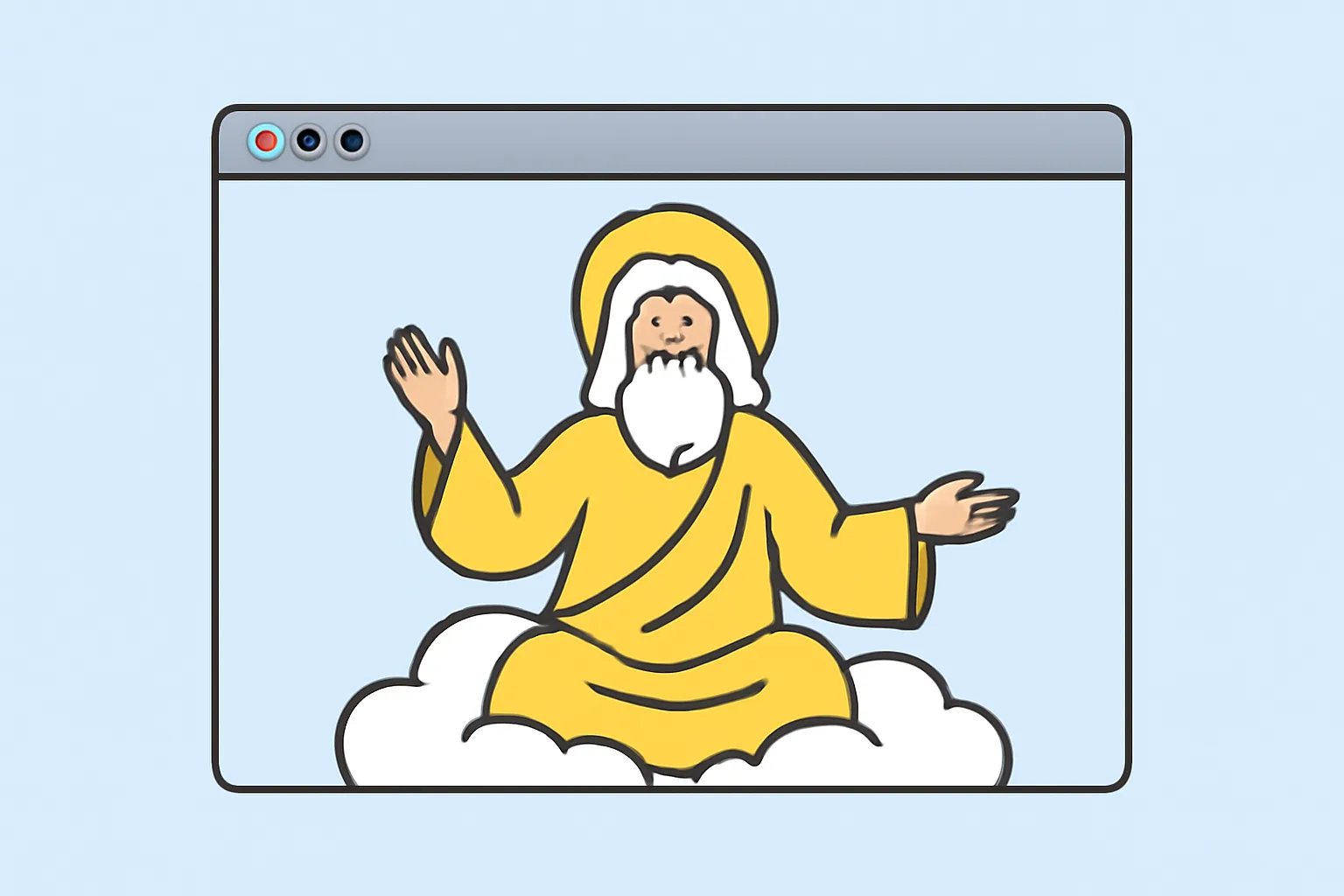
God Web: Exploring the Intersection of Faith and the Internet
In a world where information travels at the speed of light and communities form at the click of a button, the convergence of faith and the digital realm gives rise to what we might call the divine web or holy internet. This article dives into the multifaceted landscape where theology meets technology, where prayer meets platforms, and where ancient wisdom tries to speak in modern code. We will explore how the God web—in its many forms and variations—offers new avenues for worship, study, service, and community, while also raising questions about ethics, identity, and stewardship in the online age.
Understanding the God Web: Definitions, Variations, and Why It Matters
The phrase God web can be understood in several overlapping ways. Some use it to describe a theological idea—the sense that God transcends space, yet also reveals through human culture, including digital culture. Others refer to a web of faith built through online communities, where people share creedal beliefs, devotional practices, and mutual care. Still others speak of a divine web as a network of sacred spaces—virtual chapels, online libraries, and digital sanctuaries—that sustain spiritual life in everyday environments. Across these usages, the common thread is a conviction that the online sphere is not neutral; it shapes how people encounter God, how they think about religious truth, and how they live out their commitments in a connected world.
Key terms and phrases
Divine web — a broader language for God’s presence in digital networks.
Sacred web — online spaces that feel set apart for worship, study, or service.
Online worship — liturgies, prayers, sermons, and sacraments streamed or hosted on the internet.
Digital discipleship — practices of learning and growing in faith through online means.
As a living field of inquiry, the God web invites both admiration and discernment. It calls communities to imagine how faith traditions can adapt without losing core convictions. It also challenges technologists and theologians alike to consider questions of accessibility, justice, and the transmission of sacred knowledge in a rapidly changing landscape.
The Sacred Web: History, Context, and the Advent of a Digital Faith Landscape
From scrolls to servers: a brief historical arc
Religious life has always adapted to media. In ancient times, communities gathered around manuscripts and scrolls; in the medieval era, monasteries preserved robust libraries; in the modern era, churches built facilities to host congregations. The shift to a globally connected God web era began with the rise of the internet as a shared public square.
Early online religious communities often emerged in forums, mailing lists, or basic prayer apps. As technology matured, divine web platforms expanded to include live streams, podcasts, social media, and searchable digital libraries. Today, a holy internet ecosystem includes everything from global online denominations to localized digital ministries that serve communities across city blocks and continents alike.
Why this matters for faith communities
Accessibility and inclusion: The divine web can lower barriers to worship and study for people who are homebound, geographically isolated, or differently abled.
Authenticity and accountability: Digital spaces demand clear ethical norms and transparent leadership to maintain trust.
Interfaith and ecumenical dialogue: The global sacred web enables conversations across traditions, promoting mutual understanding while preserving distinct identities.
Educational reach: The sacred web democratizes knowledge, enabling higher-quality religious education, catechesis, and scriptural study beyond traditional classrooms.
In short, the history of religion and technology intersected at a moment when a God web could become a durable infrastructure for spiritual life—one that respects the sacred while welcoming the innovations of the digital era.
Building a Divine Web: Practices of Faith in Online Spaces
Worship, prayer, and liturgy in the digital age
Digital tools have transformed how communities worship. Streaming services, online prayer meetings, and virtual sacraments point to a future in which sacred rites can be experienced across borders while still feeling intimate and communal. For many believers, online worship is not a replacement for in-person gathering but a complementary avenue that nourishes faith between physical meetings.
Study, catechesis, and scriptural engagement
The divine web enables expansive access to sacred texts, commentaries, and scholarly work. From mobile Bible apps to online classes and digitized libraries, the divine internet invites lifelong learning. Communities often rely on curated reading plans, video lectures, and discussion forums to deepen understanding and encourage critical thinking within a faith tradition.
Service and outreach in a connected world
Charitable work, social justice advocacy, and pastoral care are increasingly organized and scaled online. A web of mercy can mobilize volunteers, raise funds, coordinate relief, and provide mental health support remotely. At their best, digital ministries translate ancient moral imperatives into practical action that meets people where they are—online and offline.
HTML-based practices: a practical checklist
Clear digital theology: articulate how your community understands God, technology, and human flourishing in light of your tradition.
Accessible liturgy: captions, transcripts, and alt-text for media to ensure inclusivity.
Ethical stewardship: protect privacy, obtain consent for sharing, and practice respectful dialogue online.
Community governance: create digital codes of conduct, moderation policies, and channels for feedback.
Digital Sabbath: intentional rest from digital platforms to avoid burnout and preserve the rhythm of worship and contemplation.
Theological Reflections on the God Web: Theological Thought in a Connected Era
Omnipresence, incarnation, and the digital embodiment
Traditional theologies describe God as present everywhere and in all things. In the divine web, believers ask: how does divine omnipresence translate into online presence? Some theologians emphasize that the web of God makes space for divine encounter in ordinary moments—through a compassionate reply to a needy message, through the comfort of a streamed liturgy during illness, or through a thoughtful post that invites reflection. Others caution that digital spaces can distort presence if not oriented by humility, accountability, and a robust sense of the sacred.
Ethics of representation and rumor control
The internet amplifies voices and information. The holy internet requires discernment about what is shared in the name of faith. Theological ethics here involve truth-telling, protecting the vulnerable, and resisting manipulation. The divine web should reflect the gospel’s commitment to truth-telling, justice, and love, even when those commitments require difficult conversations or hard boundaries with platforms that prioritize engagement metrics over human flourishing.
A vision of digital discipleship
Digital discipleship seeks to form character, nurture hope, and cultivate community. The sacred web can be a space for mentorship, spiritual practice, and service that spans time zones. Framing digital life as a realm for spiritual formation helps believers avoid merely using technology as a convenience and instead see it as a field for spiritual growth and witness.
Ethics, Challenges, and Responsibilities in the God Web
Misinformation, manipulation, and the risk of fragmentation
One of the defining challenges of the God web is preserving truth and unity amid vast streams of information. False claims, sensationalism, and sectarian propaganda can proliferate online, hindering genuine spiritual understanding and causing harm. Faith communities must develop digital literacy, fact-checking habits, and responsible sharing practices to counter misinformation while maintaining a spirit of charity toward those who err.
Privacy, data stewardship, and consent
Online ministries collect data for engagement analytics, fundraising, and pastoral care. The divine web needs clear policies about what data is collected, how it is used, and how individuals can control their information. Respect for privacy and consent is not merely a legal requirement; it is a theological obligation to protect the dignity and autonomy of each person who enters digital sacred spaces.
Platform power, governance, and the common good
Tech platforms shape what content is visible and how conversations unfold. The holy internet calls faith communities to engage with platforms in ways that promote the common good—prioritizing accessibility, inclusion, and civil dialogue. This sometimes means advocating for policy changes, creating alternative spaces that model healthy discourse, or partnering with others to resist abusive or deceptive practices online.
Digital wellbeing and spiritual health
Excessive screen time, online fatigue, and social comparison can damage spiritual health. The divine web invites practices that support sustainable engagement: set boundaries, cultivate contemplative tech habits, and prioritize meaningful relationships over metrics of reach. A healthy digital life helps believers live more fully in the world while remaining rooted in their faith commitments.
Inclusion, accessibility, and justice
A truly inclusive god web seeks to welcome people across language, mobility, economic, and cultural barriers. This requires multilingual content, adaptive technologies, and affordable access to devices and connectivity. When digital spaces are designed with equity in mind, they become powerful instruments for human flourishing and the expansion of the sacred reach of faith communities.
Case Studies: Real-World Illustrations of the God Web in Action
Global congregations streaming worship
Many religious bodies now offer multi-language livestreams, virtual choirs, and interactive prayer rooms. A contemporary example is a worldwide church network that streams services in dozens of languages, enabling diaspora members to participate in worship as if they were present in their homeland. This demonstrates how the divine web can sustain a sense of belonging for people separated by geography.
Online communities for study and mentorship
Numerous platforms host digitized sacred texts, video lectures by respected theologians, and moderated discussion groups. In such environments, the divine internet serves as a classroom and a forum for mentorship, where experienced faith leaders accompany younger members through questions of doctrine, ethics, and vocation.
Digital charitable efforts and social impact
Faith-based organizations often leverage the sacred web to coordinate relief, fund education, and advocate for justice. Through crowdsourcing campaigns, real-time updates, and volunteer networks, online platforms widen the circle of care and empower communities to respond quickly to needs around the world.
Digital ethics collaborations across traditions
Interfaith dialogues hosted online illustrate how a holy internet can foster respectful engagement among diverse traditions. These spaces foreground shared commitments to human dignity, peace, and the common good, while still honoring differences in belief and practice.
Future Trends: What Comes Next for the God Web?
Artificial intelligence and spiritual guidance
As AI tools become more capable of generating reflective content, there is potential for them to assist with sermon prep, theological study, and pastoral care. The challenge will be ensuring AI serves human flourishing and respects the integrity of sacred texts and traditions, rather than replacing human leadership or reducing faith to algorithmic responses. The divine web may include collaborative tools where AI handles routine tasks while humans provide discernment, empathy, and accountability.
Immersive experiences and embodied faith online
Advances in immersive media (virtual reality, augmented reality, and 3D streaming) could create new possibilities for encountering sacred spaces and narratives. A web of holiness might host virtual pilgrimages, interactive parables, or remote rites that feel tangible while preserving safety and accessibility for participants who cannot travel.
Data ethics as a theological priority
Privacy and consent will likely become central theological concerns as data trails intersect with spiritual life. The god web of the future will need robust norms and transparent practices to honor the sanctity of personhood in the digital realm.
Decentralized and community-owned digital spaces
Instead of relying solely on large corporations, faith-based communities may increasingly create their own digital ecosystems—open-source platforms, community servers, and decentralized networks—that prioritize governance by congregants and stewards who are accountable to a shared mission.
Practical Guidance: How to Cultivate a Wholesome God Web Presence
Principles for a healthy digital faith life
Clarity of mission: Be explicit about why your online presence exists and what values guide your digital activity.
Centered liturgy: Integrate ritual life with digital offerings in a way that honors tradition while inviting innovation.
Respect and gentleness: Foster a culture of care, avoiding shaming or belittling others, even in disagreement.
Accessibility: Ensure content is usable by people with different abilities, languages, and tech literacy levels.
Accountability: Establish governance structures, moderation policies, and channels for feedback and redress.
Steps to build your own god web presence
Define your audience and spiritual aims for online engagement.
Develop a content strategy that blends worship, education, and service.
Create inclusive spaces with clear norms and welcoming language.
Invest in accessibility features (captions, transcripts, alt text, translations).
Practice digital Sabbath and sustainable engagement to avoid burnout.
Evaluate impact through feedback, metrics, and pastoral care outcomes.
Tools for a vibrant and responsible Holy Internet presence
Livestreaming and video hosting with accessible formats
Content management systems that support multilingual and accessible content
Moderation dashboards and community guidelines
Educational platforms for catechesis and bible study
Privacy-friendly data practices and transparent consent mechanisms
Common pitfalls to avoid
Reducing faith to a performance metric or algorithmic reach
Overlooking the needs of marginalized participants
Allowing online spaces to become digital arenas for hostility or bullying
Ignoring the intimate, relational aspect of spiritual life in favor of broad broadcast
The Sacred Internet as a Tool for Connection and Transformation
The God web is not a single thing but a family of realities. It encompasses awe-filled encounters with the sacred in digital spaces, as well as the disciplined work of building, sustaining, and guiding online communities that aspire to candor, compassion, and truth. When faith communities approach the divine web with humility and responsibility, they discover new avenues for formation, service, and witness. They also confront enduring questions about how to preserve the integrity of tradition while engaging a rapidly changing world. In the best of cases, the holy internet becomes a mirror and a magnifier of the best aspects of faith: generosity, courage, curiosity, and the longing for justice and peace.
Ultimately, the web of God—as a metaphor and as a moving reality—invites believers to translate ancient wisdom into modern practices: to pray, learn, and act with discernment in a networked world. It asks us to steward technology as an extension of grace, to build communities where everyone can grow in love, and to remember that the digital realm, like any realm, is most holy when it points beyond itself toward the deeper realities of truth, beauty, and goodness.