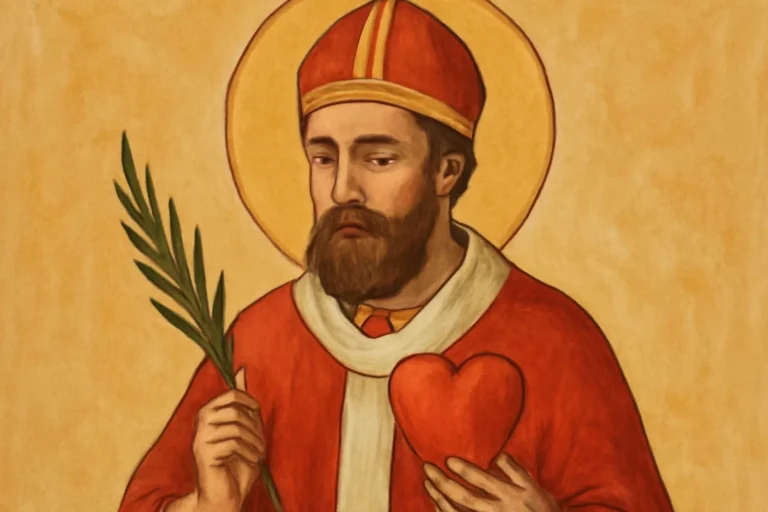
Foundations of Devotion: What It Means to Love God with All Your Heart
At the heart of many spiritual traditions is a call to love God with all your heart. This is not a feeling that passes with the mood of the day, nor a casual sentiment that can be claimed when convenient. It is a deliberate orientation of the self toward the divine, a choice to center one’s life around the highest good as one understands it. Across languages and cultures, the idea recurs in various forms: to love the Lord with all thy heart, to put God first with wholehearted devotion, to engage life with a primary allegiance to the sacred. In this guide, we will explore practical ways to translate that aspiration into daily life, so the heart can remain oriented toward the divine through ordinary days and extraordinary challenges alike.
The phrase love thy God with all thy heart invites us to consider three interwoven dimensions: motive, method, and community. The motive asks what stirs the heart to devotion beyond convenience or sentimentality. The method asks how devotion is carried out in concrete actions, habits, and choices. The community dimension asks how devotion is nurtured in relationships with others, with tradition, and with the world at large. When these dimensions work together, devotion becomes a living reality rather than a distant ideal.
What It Means to Love with All Your Heart
To love with all one’s heart is to align the deepest desires, fears, hopes, and values with the divine purpose one recognizes. It does not require perfect moral performance, but it does require honesty about where you stand, willingness to change, and consistency in practice. This kind of love is not primarily about belief alone; it is about practice—habits that demonstrate where the heart truly rests under stress, joy, and fatigue.
A practical way to understand this is to imagine the heart as a compass. When devotion is wholehearted, the compass needle spends most of its time pointing toward spiritual north. When other forces pull the needle away—fear, resentment, hurry, cynicism—the devotee learns to recalibrate. The repeated process of returning to center becomes the discipline that sustains love for God through life’s storms.
Daily Practices for Loving God with All Your Heart
The most effective way to grow in wholehearted devotion is through regular, tangible practices. Below are modalities you can adapt to fit your temperament, culture, and schedule. Each item is designed to strengthen the habit of regard for the divine and to keep the heart engaged in meaningful work.
Morning reflection — Begin the day with a brief moment of stillness, gratitude, and a clear intention to love God with all your heart. This sets a trajectory for the hours ahead.
Gratitude journaling — Record three things you are grateful for, especially those that reveal God’s presence in everyday life. Gratitude deepens perception and softens the heart.
Scripture or wisdom reading — Read passages that speak to wholehearted devotion. If you follow a tradition, use texts that you can meditate on rather than merely study.
Breath-centered mindfulness — In moments of distraction, practice slow, intentional breathing while inviting a word or image that centers your love for God.
Acts of service — Let love for God flow into how you serve others. Small acts, such as listening well, offering help, or giving time, transform intention into tangible devotion.
Integrated prayer — Develop a prayer life that is not merely petitionary but relational: speaking with God as you would a trusted friend, and listening for inner prompts.
Creative worship — Use art, music, poetry, or nature as a conduit for encountering the sacred. Creativity can be a powerful vehicle for wholehearted love.
A routine helps the heart stay compact and focused. Consider these structured options, then adapt them to your rhythm:
Morning rhythm: silence, a short reading, a single intention, and a moment of praise.
Midday check-in: a deliberate pause to recalibrate heart and mind toward affection for the divine.
Evening reflection: review the day with honesty, noting moments when love for God guided decisions or softened challenges.
Theological and Philosophical Dimensions of Wholehearted Love
Understanding love for God with all the heart requires a bridge between personal practice and larger belief. While the precise language varies among traditions, the underlying claim is that life gains coherence when devotion informs every level of decision. Here are some core dimensions to consider.
The Motive: Why Love God with All Your Heart?
Several motivations commonly accompany wholehearted devotion:
Gratitude for the gift of life, consciousness, and community that many traditions attribute to divine generosity.
Duty and fidelity to a covenant or relationship that values the sacred as the ultimate truth.
Transformation of motives, so that selfish desires become channels for love, compassion, and justice.
Hope that a life oriented toward the divine will contribute to healing, peace, and wisdom in the world.
Method: Practices that Express a Wholehearted Heart
The method is not a rigid catechism but a set of practices that keep the heart connected. These practices are designed to be sustainable and integrated, not exhausting or punitive.
Ritual regularity that respects slower tempos as needed by life’s pace.
Vigilance against distraction by recognizing when the heart drifts and gently guiding it back toward the sacred.
Hospitality toward doubt — inviting questions without collapsing into cynicism, treating doubt as a doorway rather than a dead end.
Ethical consistency— letting devotion influence justice, kindness, and mercy in daily interactions.
Community: Love for God in Relationship
Devotion that is truly wholehearted does not isolate the believer from others. It seeks to nurture communities where trust, mutual accountability, and shared aspiration thrive.
Worship in community as a forum for shared reverence, not merely personal uplift.
Mentoring and accountability to encourage constancy and humility.
Service networks that translate devotion into social impact—care for the vulnerable, advocacy for justice, and invitation to dialogue.
Overcoming Obstacles on the Path to Wholehearted Love
The journey to love God with all your heart is rarely straightforward. It involves encountering the realities of longing, fear, fatigue, and competing loyalties. Below are common impediments and practical strategies to address them.
Rising cynicism or indifference — Counter by naming what you doubt and choosing a daily act of trust, even if small.
Busyness and distraction — Create non-negotiable time blocks for stillness, even if brief; quality often trumps quantity.
Emotional pain or trauma — Seek supportive community, trusted mentors, and, when necessary, professional guidance to restore a heart capable of loving.
Conflicting loyalties — Examine values and align priorities; when conflict is real, choose what honors the deepest sense of the sacred while remaining compassionate toward others.
For each obstacle, the response is not to rationalize away difficulty but to cultivate resilience. The heart that loves God generously remains teachable, patient, and persistent.
Community, Family, and Public Life: Expressing Wholehearted Love Beyond Self
Wholehearted devotion must translate into action that touches others. It is not merely a vertical relationship with the divine; it is a horizontal engagement with the world—neighbors, families, strangers, and the earth itself. Here are ways to express love for God with all your heart in communal and public contexts.
Family rituals that honor the divine in daily life—mealtime blessings, bedtime gratitude, or shared readings.
Ethical leadership that models integrity, transparency, and care for the vulnerable.
Interfaith and intercultural dialogue that reveals the common longing for the sacred and the common responsibilities we share toward each other.
Environmental stewardship as a spiritual practice rooted in reverence for creation and a duty to protect it for future generations.
Practical Expressions in Family Life
A family can cultivate wholehearted devotion by designating spaces and times where conversations about values, spiritual questions, and acts of service become regular, not occasional, events.
Family gratitude journals where each member notes daily blessings.
Shared service projects, such as volunteering or helping a neighbor in need.
Rotation of roles in home rituals—who leads the prayer, who chooses a reading, who documents the experience.
Measuring Growth: How to Know You Are Loving God with All Your Heart
Devotional life benefits from honest self-reflection and gentle accountability. Rather than chasing a perfect score, aim for steady improvement, clear outcomes, and practical indicators of change.
Consistency in daily practices over weeks and months, even when enthusiasm ebbs.
Humility under pressure— the heart remains teachable when frustration arises.
Depth of relationships— increased capacity to listen, forgive, and serve others.
Perceived alignment between beliefs and actions—where your choices reflect your stated commitments.
Consider keeping a reflective journal that tracks moments when you felt your heart drawn toward the divine and times when you needed to recalibrate. Over time, you may notice patterns: certain practices bring more peace, conversations with others clarify your sense of purpose, and acts of mercy broaden your sense of belonging to a larger story.
Variations and Expressions: Linguistic Breadth for the Same Heart Commitment
To honor the many ways people speak about devotion to the divine, let us explore variations of the core command while preserving its essential meaning. Each variant can open a doorway for reflection, prayer, or practice.
Love God with all your heart — a direct, personal imperative that centers the sacred in the core of your being.
Love the Lord your God with all your heart — a covenantal phrasing that emphasizes relationship, authority, and fidelity.
Love the divine with your entire inner life — a broader expression that invites imaginative understandings of the sacred beyond traditional boundaries.
Wholehearted devotion to the Creator — a universal frame that can be adapted across cultures and beliefs.
Put God first with all your heart — a directive that prioritizes spiritual alignment in daily choices.
Loving God with all your heart and soul and strength — a more expansive formulation that widens the scope of devotion to include vitality, imagination, and action.
These variations are not contradictory; they are complementary lenses that help different people engage with the same essential call: to orient one’s life around the sacred with sincerity and perseverance.
In daily life, you may find it helpful to memorize or write down concise phrases that capture the core aspiration. Consider keeping a card in your wallet, a note on your desk, or a screensaver that displays one of these sentences:
Heartfelt devotion to God
Wholehearted love for the divine
Love God with every breath
Love God with all thy being
These short forms can become prompts that return you to center during a busy day, providing a gentle nudge back toward the sacred focus.
To support a sustained practice of love for God with all your heart, you may wish to draw on a variety of tools, from moment-to-moment reminders to longer study resources. The list below is designed to be flexible and adaptable.
Daily devotion journal with prompts for gratitude, questions, and commitments.
Guided prayer apps or audio guides that help structure a spiritual routine without becoming a distraction from the inner life.
Scripture or wisdom study groups that offer accountability, different perspectives, and shared practice.
Reflection prompts for solitude such as silence, emptying, and listening for quiet insights.
If you are exploring interfaith or cross-traditional dialogue, you can incorporate these resources to broaden your understanding of how others articulate wholehearted love for the sacred. The aim is not to erase differences but to illuminate common ground—precisely where love, humility, and service converge.
Creating a Personal Covenant: Drafting Your Own Path to Wholehearted Love
A personal covenant is a simple, practical agreement you write for yourself to guide daily life. It should be feasible, measurable, and meaningful—assignable to a regular routine, not a one-time vow. Below is a suggested framework you can adapt.
Statement of purpose — One or two sentences describing why you want to love God with all your heart and what that looks like in your life.
Core practices — A short list of daily actions (for example: morning gratitude, daily prayer, weekly service) you commit to performing.
Accountability structure — A mechanism for checking in with a friend, mentor, or community about progress and obstacles.
Evaluation cadence — Decide how often you will review your covenant (monthly, quarterly) and adjust as needed.
Your covenant should honor the reality that devotion requires both the inward turning of the heart and the outward shaping of life. When written and revisited with sincerity, it becomes a practical map rather than an abstract target.
The Ongoing Journey of a Wholehearted Heart
To love God with all your heart is to commit to a direction of life rather than a destination. It is a dynamic practice that grows richer as you encounter more of life’s difficulties, questions, and joys. This journey invites you to be honest about your fears, patient with your mistakes, and bold in your acts of love. It calls you to align your desires with a greater good, to serve with humility, and to cultivate a spirit of generosity toward others and toward the world you inhabit.
If you take away one idea from this guide, let it be this: wholehearted devotion is cultivated through daily choices that reflect the heart’s true allegiance. By embedding small, consistent actions—prayer, gratitude, service, listening, and study—you create a life in which love for God with all your heart becomes not just a phrase but a lived reality. And as you walk this path, you may discover that the very act of striving to love well becomes a source of strength, peace, and clarity for every part of your life.
Love the Lord and Your Neighbor: Living the Greatest Commandment Why This Commandment Remains Timeless In a world filled with noise, distraction, and division, the call to love the Lord and love your neighbor stands as a transcendent invitation to reorder priorities, soften the heart, and orient daily life toward what endures. The commandment often…
Love Saint: Sacred Love Stories, Saintly Guidance, and Inspiration In the quiet hours of devotion, many people turn to the love saint as a guide for matters of the heart—whether in pursuit of meaningful romance, the healing of broken relationships, or the steadfast work of building a loving family. The phrase love saint encompasses a…