Old Testament Bible Readings for Weddings: Timeless Verses to Bless Your Ceremony
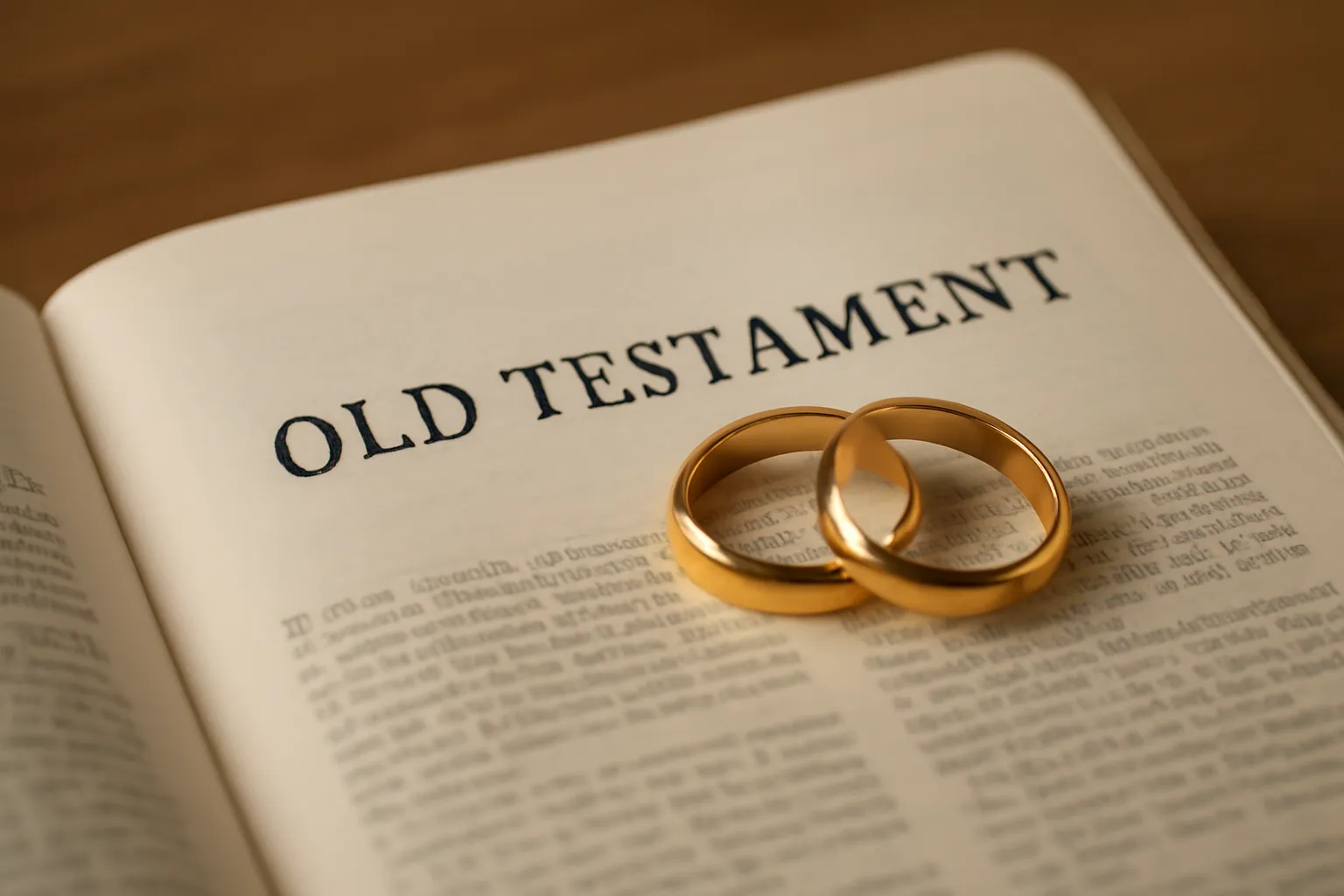
Old Testament readings have long guided couples as they prepare for a life together. The verses offer guidance on love, covenant, commitment, and the blessing of a home. In many traditions, these wedding readings become a spiritual touchstone for the vows being spoken, the promises being made, and the lifelong journey ahead. This article explores a broad spectrum of Old Testament passages that couples often choose for their ceremonies, and it explains why these verses resonate with couples today. It also provides practical ideas for incorporating these readings into your service with reverence, clarity, and beauty.
Why choose Old Testament readings for weddings?
Selecting a wedding reading from the Old Testament can help anchor a ceremony in a long tradition of faith, prayer, and community blessing. Here are several reasons couples gravitate toward these passages:
Covenant and commitment themes remind couples that marriage is a sacred agreement between two people and God, not merely a social contract.
Timeless wisdom about partnership, trust, patience, and mutual service remains relevant across generations.
Romance and devotion are expressed through poetic and practical language, offering a spectrum from ardent affection to steadfast fidelity.
Liturgical beauty and recognizable cadence in translations (such as the King James Version) create a solemn, memorable moment in the ceremony.
Context for family and community readings reinforces the sense that marriage is a shared blessing within a wider faith family.
Classic Old Testament readings for weddings
Genesis 2:24 — The foundation of marriage
This passage is often described as the theological pivot for marriage: a man leaves his family of origin and joins with his wife, becoming “one flesh.” It frames unity and mutual commitment as divinely intended from creation.
Theme: creation, partnership, covenantal union
How to use in a ceremony: read during the processional or after the vows as a reminder of the lifelong bond being formed.
Notes for couples: pair with prayers for grace to live out the unity in everyday life—family, work, and ministry alike.
Ruth 1:16-17 — Loyalty, devotion, and chosen belonging
Ruth’s famous declaration to her mother-in-law expresses a commitment that transcends bloodlines and circumstances. In weddings, this passage is often cited as a model of steadfast devotion and a willingness to walk together through all seasons of life.
Theme: fidelity, chosen family, steadfast love
How to use in a ceremony: ideal for a couple that wants to emphasize loyalty, mutual choice, and the beauty of companionship beyond tradition.
Notes for couples: consider pairing with a reading about grace and hospitality toward others who enter the union’s life together.
Song of Songs 2:16; 8:6-7 — Love’s ardor and enduring ardor
The Song of Songs offers some of the most lyrical and intimate language about love in the Old Testament. Verses in these passages celebrate possession and protection of love, while recognizing the power of love to endure beyond time or distance.
How to use in a ceremony: ideal for moments that celebrate the emotional heart of marriage; often read during a candle-lighting, unity ceremony, or sermon snippet about love that stands strong.
Notes for couples: be mindful of the language’s poetic imagery; pair with prayers or blessings that emphasize sacred love in daily life and community impact.
Proverbs 3:3-6 — Trust, guidance, and the path of wisdom
This passage foregrounds trust in God and the guidance of divine wisdom as essential to lasting relationships. It is frequently chosen for weddings to bless the couple with wisdom in decision-making, gentleness in conflict, and a heart that seeks God first.
Theme: trust, guidance, integrity
How to use in a ceremony: read as part of the homily or during a blessing over the couple’s plans, family creation, and future goals.
Notes for couples: consider a short reflection on how wisdom will shape their home, finances, and service to others.
Ecclesiastes 4:9-12 — The strength of partnership
This passage emphasizes the power of collaboration and community, noting that two are better than one and that companionship can provide strength during difficult times.
Theme: partnership, resilience, shared burden
How to use in a ceremony: perfect for couples who value teamwork, mutual support, and the idea of a shared life lived in cooperation with others.
Notes for couples: pair with commitments to work as a team in family life, work, and service to the faith community.
Psalm 127:1-3 — Blessing the home and the work of hands
This psalm invites blessing on the home and labor of life, highlighting that success and security come from God’s active care. It is often read to bless the household that a couple will build together.
Theme: divine blessing, family, home life
How to use in a ceremony: suitable for a backdrop reading as a reminder that their home and vocation are under God’s care.
Notes for couples: ideal when combined with a blessing over children, faith formation, and hospitality toward guests and neighbors.
Numbers 6:24-26 — The priestly blessing over the couple
This is a classic blessing that has traveled through generations of weddings and blessings. It asks for God’s grace, protection, and favor to be poured out on the marriage.
Theme: blessing, grace, protection
How to use in a ceremony: often spoken as a benediction or final blessing; can be woven into a closing moment or a signing ritual.
Notes for couples: reflect on how blessings shape a couple’s ministry of love to family and community.
Jeremiah 31:3 — Everlasting love and faithfulness
This verse speaks of a deep, enduring love that surpasses circumstance. In a wedding, it can anchor the couple’s sense of being chosen and kept by a faithful love.
Theme: timeless love, faithfulness
How to use in a ceremony: a strong closing blessing or a quiet moment of reflection on the depth of God’s love as a model for the couple’s commitment.
Notes for couples: pair with a message about daily choices to nurture fidelity and mercy in marriage.
Isaiah 54:10 — Covenant love that endures
Although not the most commonly cited wedding verse, this passage’s language about an enduring covenant and steadfast love resonates deeply with the sacred promise being spoken at a wedding.
How to use in a ceremony: can accompany a vow renewal moment or a blessing over the couple’s future ministry and family life.
Notes for couples: consider a pairing with a reading about mercy, forgiveness, or the couple’s shared mission in the community.
Psalm 128:1-4 — Blessings for a blessed household
This psalm emphasizes the fruitfulness of a home that honors God, including the blessing of peace, children, and prosperity that follows a life shaped by reverence and care.
Theme: blessing, family, reverence
How to use in a ceremony: especially fitting for ceremonies that include family vows and a public blessing over children or steps toward forming a family.
Notes for couples: consider using as a gentle, hopeful benediction for the future of the couple’s household.
Thematic variants and how to choose
When planning Old Testament readings for a wedding, consider the themes that most resonate with you as a couple. Some couples prefer a strong emphasis on covenant and unity, while others want a focus on devotion, family blessing, or mutual support. Here are a few practical ways to think about selection:
Covenant-focused pairings: Genesis 2:24 with Numbers 6:24-26 or Jeremiah 31:3; these combinations emphasize lifelong commitment and divine blessing.
Love and romance pairings: Song of Songs passages with Proverbs 3:3-6 or Ecclesiastes 4:9-12 to balance affection with wisdom and partnership.
Home and family focus: Psalm 127:1-3 or Psalm 128:1-4 paired with Ruth 1:16-17 to highlight a shared life that builds a home and welcomes others.
Pairing readings with the ceremony structure
Thoughtful placement of readings can enhance the ceremony’s flow. Consider these common structures and ideas:
Processional read: a short, inspiring verse (or two) as the couple enters, setting the tone for a sacred moment.
Vows and blessing: a longer passage suitable for reflection during vows, or as a preface to the couple’s promises.
Communal blessing: a blessing such as Numbers 6:24-26 delivered as a benediction over the couple and the gathered community.
Home and family rite: a blessing from Psalms or Proverbs read in conjunction with a family blessing or the lighting of a unity candle.
Practical tips for using Old Testament readings in your wedding
Integrating Old Testament readings into a wedding requires thoughtful planning. Here are practical tips to help ensure that the readings enrich the ceremony rather than overwhelm it:
Translation choice: select a translation your officiant and venue prefer. Many couples choose the New King James, English Standard Version, or the classic King James Version for its ceremonial cadence. If your church uses a specific translation, align your choice with that tradition.
Length and pacing: keep readings concise enough to preserve the ceremony’s rhythm. If using longer passages, consider dividing them into two shorter readings across the service.
Pronunciation and public reading: have the reader practice, especially with archaic language or difficult names, to ensure a smooth delivery.
Context and commentary: provide a brief introduction in your program or to your officiant so listeners understand the passage’s significance for your relationship.
Pairing with music or silence: pair each reading with a moment of reflection, a brief meditation, or a complementary musical piece to deepen the emotional resonance.
Accessibility: paraphrase the verses in your own words on a program insert if needed, so guests can follow along and grasp the meaning even if they are not familiar with the language of the Bible translation.
Writing your ceremony around Old Testament readings
If you are designing a ceremony from scratch, you can structure the program to highlight the selected Old Testament passages in a way that mirrors the arc of your relationship. For example:
Opening invocation: introduce the day with a short meditation on covenant and blessing that ties to Genesis 2:24 or Jeremiah 31:3.
Vows and vows’s preface: place a reading like Proverbs 3:5-6 to set a theme of trust, guidance, and dependence on God’s wisdom.
Commitment and unity: use Song of Songs 2:16 and 8:6-7 to celebrate mutual love and the protective strength of the relationship.
Blessing over the couple: conclude with Numbers 6:24-26 or Psalm 128:1-4 as a benediction on the newly formed union.
Common questions about Old Testament wedding readings
Are Old Testament readings appropriate for non-religious weddings?
Many couples who are exploring a secular or interfaith ceremony still include Old Testament readings for their universal themes of love, commitment, and partnership. If your ceremony is not explicitly religious, you can frame the readings in a way that highlights shared values and moral reflections without theological emphasis.
How many readings should we include?
A typical wedding includes one or two readings, but you can include more if your ceremony requires. A common approach is to pair a love-focused passage with a blessing passage. If you prefer a shorter format, one well-chosen passage (150–200 words) is often enough to convey depth without lengthening the ceremony.
What about mixing Old and New Testament readings?
If you are open to broader biblical tradition, you can pair a New Testament reading that emphasizes Christian witness and community with a Old Testament reading about marriage. The result can be a balanced tapestry of covenant, grace, and shared mission. However, ensure the combination reflects your beliefs, the expectations of your officiant, and the tone you want for your ceremony.
Additional notes for editors, planners, and families
For those assisting with wedding planning—whether a couple, a parent, or a pastor—these notes can help ensure the Old Testament readings contribute meaningfully:
Respect different traditions: some families prefer certain passages due to tradition or local customs. Be open to adaptation that honors the couple’s vision while preserving reverence for the text.
Involve the couple in selection: encourage the couple to choose passages that reflect their story, values, and goals for their marriage.
Provide context: include brief program notes or a short spoken introduction so guests understand why these verses were chosen.
Keep the language accessible: consider paraphrasing longer passages in the program or accompanying readings to ensure comprehension for all guests.
In summary: timeless verses for a timeless moment
The Old Testament offers a rich treasury of verses for weddings. From the elegant declaration of unity in Genesis to the intimate and hopeful songs of love, these passages invite the couple, the families, and the community into a shared moment of blessing and purpose. Whether you seek to emphasize covenant, devotion, wisdom, or family blessing, there is a timeless verse that can eloquently frame your ceremony.
If you are in the planning stage, consider building your ceremony around a few carefully chosen readings, supported by thoughtful prayers or reflections. The goal is not to overwhelm the service with text but to let these ancient words speak clearly into your present moment—declaring that your marriage is rooted in something larger than yourselves and sustained by grace, blessing, and shared purpose.
Why the Marriage Bed Be Undefiled Matters Today The maxim “let the marriage bed be undefiled” has deep roots in moral and relational discourse. While it originates in ancient texts, its enduring relevance lies in a simple truth: a marriage is strongest when the couple protects the exclusivity of their intimate life, and when fidelity…
What does it mean when the Bible speaks of biblically defined marriage versus modern cultural ideas about partnering and family life? This article invites readers into a careful, thoughtful exploration of God’s design for marriage as revealed in Scripture, focusing on the biblical picture of a lifelong, covenantal union between a man and a woman….