Female Bible Characters: A Comprehensive Guide to Women in the Bible
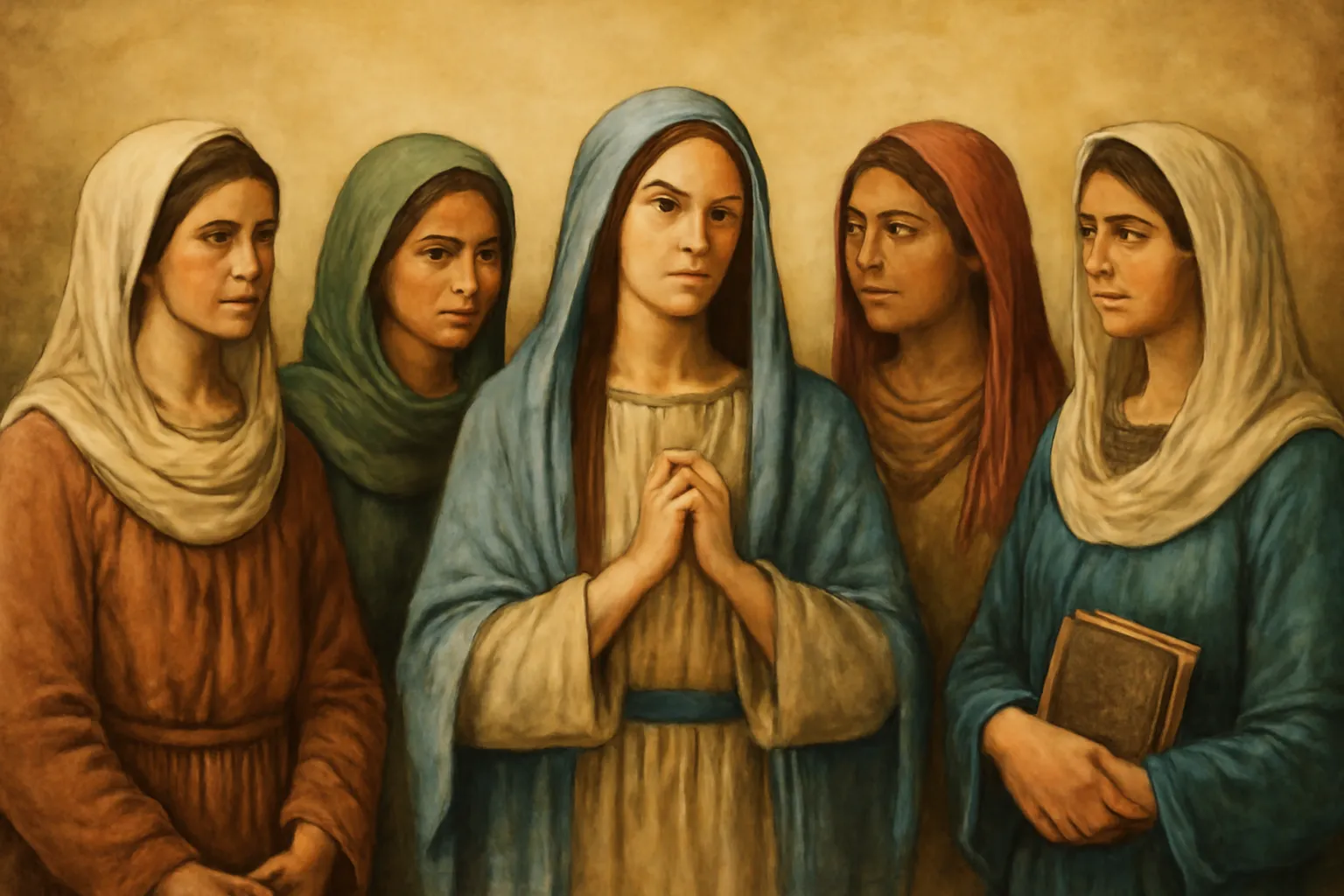
Across the pages of scripture, female figures appear in a wide range of roles, from faithful followers of God to bold leaders, from quiet supporters of men to powerful catalysts for history. This guide surveys women in scripture in order to illuminate their stories, draw out enduring themes, and offer practical insights for readers today. By examining the arcs of these women—daughters, wives, mothers, prophets, leaders, and witnesses—we discover how their lives illuminate questions of ethics, faith, justice, courage, and hope. While the Bible presents a spectrum of experiences shaped by culture, time, and divine purpose, the core messages about faith, obedience, wisdom, and compassion remain resonant through the ages.
Old Testament Matriarchs and Heroines
Eve, the First Woman
The narrative of Eve in Genesis frames humanity’s origins and invites reflection on choice, responsibility, and consequence. Eve’s life, though constrained by the fall, is also a story of longing, partnership with Adam, and the birth of a family line that culminates in futures beyond the garden. Readers often explore how her experience shaped perspectives on freedom and divine mercy.
Sarah, Rebekah, Rachel, and Leah: The Wives Who Shaped a Nation
The narratives of Sarah, Rebekah, Rachel, and Leah center on covenant, blessing, and lineage. These matriarchs demonstrate how faithful waiting, decisive action, and hospitality toward strangers can have far-reaching consequences. Their stories intersect with the promises given to Abraham, and they reveal how family dynamics and trust in God can move history.
Hagar, Miriam, and Deborah: Courage in Diverse Roles
Hagar, though a marginalized figure, encounters God in the wilderness and receives a blessing that reverberates through generations. Miriam, as a prophetic voice and sister of Moses, helps lead the community in song and praise after the Exodus. Deborah, the judge and prophetess, demonstrates that leadership can rise in a context of political strife, offering wisdom and strategic courage to the people of Israel.
Ruth and Naomi: Covenant Friendship and Transformation
The bond between Ruth and her mother-in-law, Naomi, unfolds as a tale of loyalty, conversion, and resilience. Ruth’s decision to stay with Naomi becomes a turning point that places Ruth in the lineage of King David and ultimately in the broader story of salvation history. Their partnership shows how mutual care and faithfulness can create legacies beyond individual lifetimes.
Esther: Courage in a Hidden Place
Esther models boldness within a palace setting. Through courageous advocacy and shrewd discernment, Esther preserves the Jewish people from a plot of annihilation. Her story emphasizes that and advocacy for the vulnerable can emerge even in places of power, reshaping history.
Rahab, a Canaanite woman who aids Israel’s spies, is celebrated for her faith and for aligning with God’s people. The Shunammite woman welcomes the prophet Elisha and experiences a miraculous restoration in her family life. These narratives highlight how hospitality and gifted persistence can lead to divine provision.
Hannah embodies sincere prayer and devotion, appealing to God for a son and dedicating him to divine service. In parallel, the biographies of widows in scripture—often quiet in public life—reveal a form of faith that persists when public power is limited and divine trust remains central.
New Testament Women: Faithful Witnesses and Founders of Early Communities
Mary, Mother of Jesus
The mother of Jesus models humility, trust, and steadfast obedience. Her reception of the angel’s message and her presence at critical moments in Jesus’ life point to a unique witness that anchors the Incarnation within a family story of faith.
Mary Magdalene, Martha, and the Beloved Disciple’s Circle
Mary Magdalene stands as a powerful example of devotion and perseverance in the resurrection narrative, often called the first witness to the risen Christ in the gospel accounts. Martha demonstrates practical service and thoughtful dialogue with Jesus, reminding readers that hospitality and theology of care are integral to discipleship.
Elizabeth, Anna, and Early Faithful Women
Elizabeth and Anna reflect the vitality of patient expectation and worship in the advent tradition. Their stories underscore how intergenerational faith and recognition of God’s work in the present moment can shape the spiritual climate of communities.
Priscilla, Phoebe, Lydia, and the Household Churches
Priscilla and Aquila (as a couple) provide a model of teaching and mentorship within early Christian communities. Phoebe is called a deaconess and a benefactor, illustrating the diversity of leadership roles available to women in the early church. Lydia, a successful businesswoman who hosts a house church, embodies hospitality as a form of mission. These portraits affirm that women participated in the spread of the gospel through teaching, generosity, and community leadership.
Tabitha (Dorcas), Rhoda, Chloe, and Other Believing Women
Tabitha (Dorcas) is remembered for acts of charity, while Rhoda helps sustain early believers in prayerful expectation. Chloe is named in a letter as a source of unity in the church, illustrating how women held influential roles in early Christian life. Together, their stories highlight the practical charity and spiritual discernment that characterized first-century congregations.
Junia, Euodia, and Syntyche: Leadership and Community Dynamics
The apostolic framing of Junia (noted as «outstanding among the apostles» in some manuscripts) points to the possibility of women in leadership recognized within the church. The letters mentioning Euodia and Syntyche reveal tensions typical to any community, while also prompting reflection on how women contribute to reconciliation and unity in the body of Christ.
Widows, Servants, and Witnesses: A Broad Portrait
The New Testament depicts a range of women who served as teachers, sponsors, travelers, and church elders in practice if not always in formal titles. The overarching message is that the gospel expands social boundaries and invites all who follow Christ to participate in mission, worship, and care for one another.
Faith under pressure — Across both testaments, women model steadfast faith when circumstances are difficult or unclear.
Hospitality and service — The recurring motif of welcoming strangers or vulnerable people demonstrates leadership through care.
Wisdom and discernment — From Elizabeth and Anna to Priscilla and Lydia, wise decision-making shapes communities and preserves truth.
Courage and advocacy — Esther’s bold risk within a dangerous landscape and the quiet courage of many other women reveal the moral force of advocacy on behalf of the vulnerable.
Resilience and generosity — The stories of Ruth, Naomi, and the Shunammite woman emphasize resilience in hardship and generosity toward others.
Leadership in community — Women in early churches and biblical communities often led by example, teaching, hosting, and organizing spiritual life.
Readers may notice how voice and presence for women in scripture vary by context, yet the throughlines remain clear: women contribute to the unfolding of God’s purposes through faith, action, and communal life. This section invites readers to reflect on how these ancient narratives can inform contemporary practice, from personal devotion to church leadership and civic ethics.
How to Read Female Biblical Characters with Care
Contextual awareness
Interpreting female figures requires attention to historical context, literary genre, and the broader arc of salvation history. Some stories are exemplary, some are descriptive, and some are prescriptive in moral lessons. Recognizing genre distinctions—historical narrative, poetry, prophecy, or epistle—helps readers avoid overgeneralization and appreciate nuanced messages.
Agency and limitations
Women in the Bible often operate within patriarchal settings, yet they consistently demonstrate agency, initiative, and influence. The goal is to acknowledge both the constraints they faced and the ways they exercised leadership, courage, and faith to advance God’s purposes.
Faith communities and interpretation
In contemporary faith communities, the stories of female Bible characters are resources for teaching, worship, ethics, and social action. The principles of love, justice, and mercy that emerge from these narratives can inspire programs for education, outreach, and care for the marginalized.
Applications for Today: Lessons from Women in Scripture
Leadership and collaboration: Stories like Deborah, Lydia, Priscilla, and Junia invite a broad understanding of leadership that includes teaching, mentoring, and church governance.
Hospitality and welcome: The practice of hosting strangers and supporting itinerant workers echoes in modern church and community life.
Social justice and protection of the vulnerable: Esther, Rahab, Ruth, and Hannah contribute to discussions about justice, mercy, and communal responsibility.
Perseverance in hardship: Women who persevere in prayer, service, and faith encourage believers to endure trials with hope.
Voice and memory in worship: The prophetic songs of Miriam and the praises of Mary remind communities to lift up voices that proclaim God’s faithfulness.
For readers seeking practical ways to engage with these texts, consider these steps:
Eve — The first woman; beginning of humanity’s narrative; themes of choice and consequence.
Sarah and Rebekah — Matriarchs whose actions influenced the covenant lineage.
Ruth and Naomi — A bond that illustrates loyalty, conversion, and legacy.
Esther — Courageous queen who advocates for her people.
Miriam — Prophetess and leader in the Exodus narrative.
Deborah — Judge and leader who embodies strategic wisdom in crisis.
Rahab — A participant in God’s plan through courageous faith.
Mary, mother of Jesus — Model of faith and surrender to God’s purpose.
Mary Magdalene — Faithful witness to the resurrection and a disciple of Jesus.
Priscilla and Aquila — Partners in ministry who teach and host early Christians.
Lydia — A businesswoman who fosters a house church and hospitality as mission.
Phoebe — A deaconess and patron in the early church.
Tabitha (Dorcas) — Known for acts of mercy and generosity.
Junia — Mentioned among the early church’s respected colleagues in mission.
Chloe and other unnamed female leaders — Examples of women contributing to church life.
This quick reference is not exhaustive, but it serves as a starting point for deeper study. Each figure offers a distinct lens on what it means to live out faith in varied circumstances.
The Rich Tapestry of Women in the Bible
The stories of female Bible characters form a rich tapestry that spans genres, cultures, and centuries. Their lives invite readers to consider how faith, courage, wisdom, and compassion operate within real-world challenges. From the intimate sphere of family and home to the public sphere of leadership and community-building, women in scripture model a wide range of faithful responses to God’s call.
By reading these narratives with care, readers can gain a more nuanced understanding of how women contributed to the biblical story and how their examples can inform ethical reflection, leadership development, and spiritual practice in contemporary settings. The ultimate aim is not merely to catalog names, but to engage with the moral imagination they foster: to see the world with courage, to act with mercy, and to trust in divine purposes that sustain communities through faith.
Whether you are a student, a pastor, a teacher, or a curious reader, this guide hopes to equip you to encounter women in scripture with curiosity, reverence, and a critical eye toward applying their lessons in today’s context. The stories remind us that the biblical narrative includes powerful portrayals of women who contributed to God’s redemptive work—often in subtle ways, sometimes at the center of political drama, but always with lasting impact.
Facts About the 12 Disciples: Names, Roles, and Biblical Significance offer a window into the early Jesus movement and the foundations of Christian tradition. This article presents a careful, well-rounded survey of who the twelve were, what roles they played, and what their lives reveal about the theological and historical significance of their ministry. The…
Bible Figures: The Complete Guide to Key Biblical People This guide offers a thorough tour of bible figures—the men and women whose stories, acts, and faith shaped the arc of Scripture. We will explore notable biblical characters, from the dawn of creation through the beginnings of the church, highlighting their roles, their decisions, and the…
Why the Name Simon Appears So Often in Scripture In the Bible, the given name Simon appears multiple times, attached to a variety of men who play very different roles in biblical narratives. For readers new to the text, or even for seasoned students, it can be confusing to encounter several characters who share the…
Why a Bible Character Guide matters The Bible presents a tapestry of biblical characters whose lives illuminate the complex interplay between faith, failure, grace, and redemption. A character study of the Scriptures helps readers recognize patterns that recur across generations: trust under pressure, obedience amid uncertainty, courage in danger, and mercy shown to the unlikely….