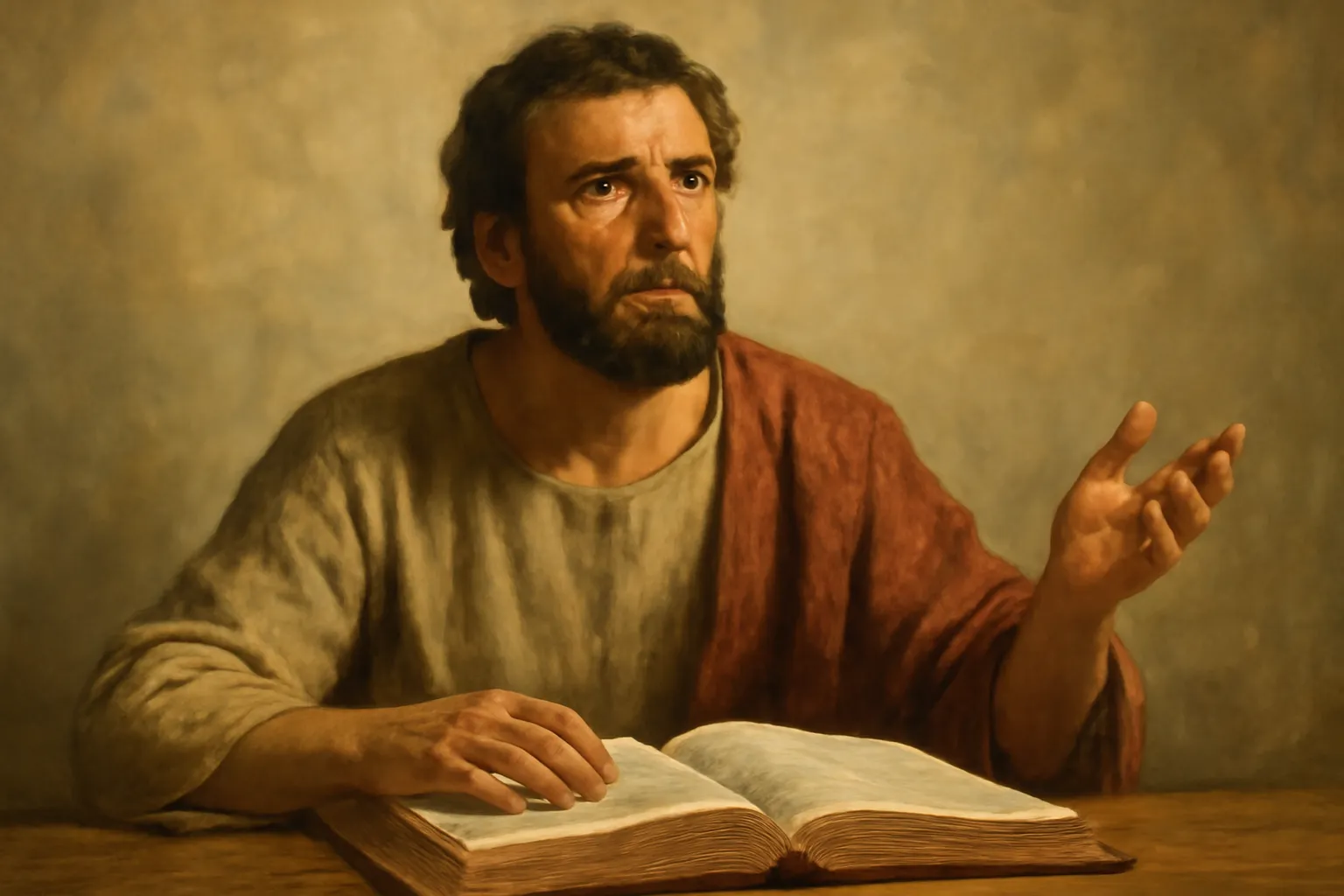
In the Bible, the given name Simon appears multiple times, attached to a variety of men who play very different roles in biblical narratives. For readers new to the text, or even for seasoned students, it can be confusing to encounter several characters who share the same name. The purpose of this article is to map out the most notable figures named Simon (and its variants) in Scripture, explain their distinct identities, and show how their stories contribute to larger themes in the biblical record. Although the name is common in ancient Near Eastern and Greco-Roman contexts, each Simon represents a unique trajectory—ranging from apostles and Pharisees to outsiders and converts, from loyal followers to cautionary examples of misused power.
The Two Main Apostolic Simons: Simon Peter and Simon the Zealot
Within the circle of Jesus’ closest followers, two of the twelve are named Simon in the gospels, and both are given distinctive descriptors to prevent confusion. Their different paths illustrate how a shared name does not entail a shared fate.
Simon Peter: The Fisherman Who Becomes a Cornerstone
The most prominent
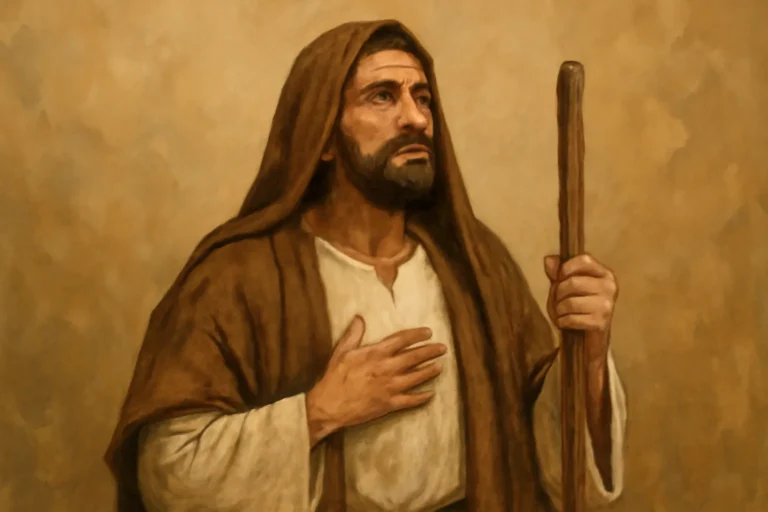
Simon Peter (also called Peter, and Cephas in Aramaic) is one of Jesus’ first disciples. His name appears in multiple gospels as Simon and is later paired with “Peter” to emphasize his role and identity. His journey includes bold confessions of faith, moments of fear, leadership among the apostles, and a defining call to shepherd the church.
Key verses and themes: Matthew 4:18-22; Matthew 16:16-19 (Peter’s confession and commissioning); Acts 2 and beyond (Peter as a leading figure in the early church).
Impact: Peter’s leadership shape shaped how the early church understood authority, mission, and grace. He is often cited as the first apostle to preach to a broader audience, including Gentiles, under the Spirit’s guidance in Acts.
Simon the Zealot: The Other Apostle Named Simon
Another Simon among the twelve is the Simon the Zealot (also called the Cananean or the Zealot in some manuscripts). He is listed alongside Simon Peter, James, and others in the Gospel lists of apostles, but little is recorded about his individual deeds in the canonical text.
Identity: A member of the Twelve who likely aligned with the Zealot movement—an adherence that emphasized political or religious zeal for Israel. The label distinguishes him from the other Simons and underscores the diversity within Jesus’ inner circle.
Scripture references: Matthew 10:4; Mark 3:18; Luke 6:15; Acts 1:13 (lists him among the apostles, though details of his life are sparse in biblical narrative).
Note on naming: The titles “the Zealot” or “the Cananean” reflect different translation traditions for the same person and highlight how biblical authors use descriptors to differentiate individuals with common names.
Other Simons in the Gospels and Acts: Distinct Identities Across the Narrative
Beyond the two apostolic Simons, the New Testament mentions several other individuals named Simon who contribute in meaningful, sometimes contrasting, ways to the unfolding story of Jesus and the early church. Here we group them by role and location to aid understanding.
Simon the Magician (Simon Magus): A Cautionary Figure in the Early Church
The figure commonly known as Simon Magus appears in the Book of Acts as a man who practiced sorcery and astonished the people of Samaria. His encounter with Peter and John reveals a stark contrast between genuine spiritual power given by the Holy Spirit and counterfeit or self-serving power sought through manipulation.
Identity and action: Simon the Magician attempts to buy spiritual authority, an act condemned as greedy and misaligned with God’s purposes.
Scripture references: Acts 8:9-24 describes his background, his belief, and his offer to pay for apostleship’s power, followed by the rebuke he receives when confronted with real spiritual authority.
Theological takeaway: This Simon serves as a warning against commercializing spiritual gifts and the dangers of attempting to control God’s work for personal gain.
Simon of Cyrene: A Passerby Who Becomes Part of the Passion Narrative
Simon of Cyrene stands out as a non-Israelite who becomes involuntarily involved in Jesus’ crucifixion journey. His simple act of carrying Jesus’ cross becomes an emblematic moment in the Passion narratives, illustrating how ordinary people participate in redemptive history.
Identity: A traveler from Cyrene (in North Africa), forced to help Jesus carry the cross at Golgotha.
Scripture references: Matthew 27:32; Mark 15:21; Luke 23:26; John 19:17 (the canonical gospels vary in wording but consistently identify him as the man who carried the cross).
Legacy: Some traditions identify his sons—Alexander and Rufus—in later New Testament references (e.g., Mark 15:21 and Romans 16:13 mention Rufus); the cross-bearing moment has theological resonance about bearing one another’s burdens in Christ’s story.
Simon the Pharisee: A Host and a Contrast in Luke 7
In Luke 7, a Simon the Pharisee hosts Jesus for a meal, a setting that becomes a teachable moment about humility, forgiveness, and love. The narrative juxtaposes Simon’s religious posture with a repentant woman who demonstrates extravagant devotion. The story highlights how posture before God matters more than outward appearances.
Identity: A religious leader in Galilee who invites Jesus to dine with him at his house.
Scripture reference: Luke 7:36-50.
Theological takeaway: The encounter challenges readers to recognize grace, reckon their own need for forgiveness, and value costly love over social propriety.
Simon the Leper: A Bethany Host Prefiguring a Crucial Moment
In the Bethany home, a Simon the Leper hosts Jesus, and an unnamed woman anoints Jesus’ feet with costly perfume. The scene, often paired with the tension between sacrificial giving and potential waste, invites reflection on worship, sacrifice, and the kingdom’s priorities.
Identity: A leper who hosts Jesus in his house, possibly in Bethany near Jerusalem.
Scripture references: Mark 14:3-9; Matthew 26:6-13.
Theological takeaway: The event emphasizes that true worship may be costly and that Jesus’ mission takes precedence over social expectations surrounding ritual purity or social status.
Simon the Tanner: A Practical Host in Joppa
In Acts, Simon the Tanner is a local tradesman who hosts Peter in Joppa (modern Jaffa). His livelihood—tanning—becomes a backdrop for Peter’s vision and the expansion of the church to the Gentiles, as the Spirit directs Peter to welcome non-Jews into the people of God.
Identity: A craftsman who breathes life into a city’s religious and social scroll by providing hospitality and stability for leaders of the early church.
Scripture references: Acts 9:43; Acts 10:6 (the latter identifies Peter’s destination to stay with Simon the Tanner and introduces Cornelius’s vision that accelerates Gentile inclusion).
Theological takeaway: The Simon of Joppa helps illustrate how ordinary tradesmen and laypeople participate in the spread of the gospel through hospitality and obedience to the Spirit’s leading.
Simon called Niger: A Leadership Figure Among Early Believers
In Antioch, a Simon called Niger is named among a group of leaders and prophets who guided the early church before Saul’s mission to the Gentiles. The name Niger may reflect a description or ethnic identifier, and it helps to demonstrate the church’s increasingly diverse leadership.
Identity: A Christian leader listed among prophets and teachers in Antioch, alongside Lucius of Cyrene, Manaen, and Saul (the future Paul).
Scripture reference: Acts 13:1.
Theological takeaway: The presence of Simon Niger highlights the early church’s multiplicity of backgrounds and the Spirit’s call across cultural boundaries to carry forward the gospel.
Variant Names and Name-Origins: Simeon, Simon, and Semantic Breadth
Readers may notice that some biblical names translated into English appear as Simon in some places and Simeon in others. These variants reflect linguistic and manuscript traditions rather than a single, uniform identity. Here are a few important notes to keep in mind as you study:
The name in Greek is typically rendered as Symeon or Simon, and the Hebrew/Aramaic form often reads as Simeon or Shimon.
In Luke 2:25, the name Simeon refers to the devout elder who meets Mary and Jesus in the temple, a distinct figure from the New Testament Simons but sometimes confused in casual reading due to the phonetic similarity.
To avoid conflating people, many English translations use descriptors (Peter, the Zealot, the Magus, the Tanner, etc.). These descriptors help readers track who is who across the narrative arc.
When translating or studying, pay attention to context: a passage mentioning Simon may refer to a follower of Jesus, a bystander, a leader in a local church, or a historical figure whose life illustrates a particular theological point.
Why Distinguishing the Simons Matters for Bible Study
Understanding the various Simons in Scripture matters for several reasons. It clarifies biblical geography, the social fabric of early Christian communities, and the development of early church doctrine and practice. Here are some key points to consider as you study:
Character differentiation: Distinguishing each Simon prevents conflating distinct life stories and theological lessons. A reader who confuses Simon the Zealot with Simon the Magician risks misunderstanding the text’s moral and doctrinal aims.
Theological themes: Each Simon narrative highlights different themes—humility and forgiveness (Simon the Pharisee); hospitality and mission expansion (Simon the Tanner); power and integrity in ministry (Simon Magus); courage and witness in the face of cruelty (Simon of Cyrene).
Historical context: The presence of several Simons across the Holy Land and the wider Roman world reflects the name’s popularity in antiquity and helps illuminate the early church’s demographic breadth—Jews, Gentiles, freedmen, and travelers alike.
Practical Tools for Reading About Simons in Scripture
As you engage with the biblical texts that mention these various Simons, here are practical tips to help you read with clarity and depth:
Track the identifiers: Always note the descriptor tied to the name—Peter, the Zealot, the Magician, the Tanner, Niger, etc. These tags signal both identity and vocation.
Map the geography: Create mental or physical maps of where each Simon appears. Cyrene is in North Africa, Cyrene is far from Galilee or Samaria, and Joppa is on the coast near modern Tel Aviv. Geography often informs the audience and the mission context.
Distinguish narrative roles: Some Simons are central actors in a scene (Simon Peter shaping church governance), while others are background participants (Simon of Cyrene’s act of bearing the cross). Recognizing roles helps interpret purpose and message.
Cross-reference synonyms: When a translation uses Simeon or Simon, check the Greek and Hebrew lexicons or reliable commentaries to understand whether two mentions refer to the same person or distinct individuals with the same name.
Note the historical arc: The same narrative arc may touch multiple Simons across different books. For example, themes of conversion, leadership, and outreach recur in the stories of Simon Peter, Simon Magus, and Simon Niger, each illustrating a different stage of early Christian mission.
A Consolidated Reference: Quick Guide to the Simons
Here is a compact reference to help you recall who is who when you encounter these names in biblical study or commentary. This is not an exhaustive list of every textual mention, but it covers the most significant and well-attested figures named Simon in Scripture.
Simon Peter (also Peter, Cephas): Leader among Jesus’ apostles; key figure in Acts; foundational for church governance and mission to the Jews and Gentiles.
Simon the Zealot (Cananean): One of the Twelve; little is narrated about his actions, but his inclusion signals the diverse backgrounds present in Jesus’ circle.
Simon the Magician (Simon Magus): A cautionary example of attempting to purchase spiritual power; a contrast to the gift of the Spirit.
Simon of Cyrene: A passerby compelled to help Jesus bear the cross; his act becomes part of the Passion narrative’s larger story of suffering and salvation.
Simon the Pharisee: A host who faces Jesus’ teaching on forgiveness and humility during a dinner in Luke 7.
Simon the Leper: The host in Bethany whose home becomes the backdrop for a costly act of worship toward Jesus.
Simon the Tanner: A Joppa resident whose hospitality facilitates Peter’s movement and the expansion of the gospel to Gentiles.
Simon called Niger: An early Antioch leader among prophets and teachers; his presence signals early church leadership’s diversity.
Simeon (variant spelling in some translations): A different biblical figure (the devout elder in Luke 2) whose story sits at the narrative frontier of Jesus’ early life and the temple visitation.
Concluding Reflections: The Many Simons, One Larger Message
The variety of Simons in Scripture serves a larger purpose: to remind readers that God works through many kinds of people—fishermen, travelers, leaders, laypersons, and even those who resist or misunderstand Him. The repetition of a common name across distinct stories invites readers to look beyond labels and discern the character and trajectory of each individual. In doing so, readers gain not only historical insight but also spiritual lessons relevant to faith communities today:
Leadership is diverse: The church’s apostolic leadership emerged from a spectrum of backgrounds and temperaments, reinforcing that God can use many kinds of people to accomplish His purposes.
Genuine faith versus counterfeit power: The story of Simon Magus tests the integrity of spiritual power and warns against mercenary motives in ministry.
Hospitality and mission: The interactions with Simon the Tanner and other ordinary believers illustrate how everyday hospitality can catalyze extraordinary evangelistic opportunities.
Humility and forgiveness: The encounter with Simon the Pharisee shows how Jesus redefines forgiveness, love, and true righteousness beyond outward appearances.
Inclusion across cultures: Figures like Simon Niger and the Gentile movement emphasize the early church’s widening circle and the Spirit’s power to cross cultural boundaries.
Closing Note: Engaging the Text with Care
As you continue exploring Scripture, allow the genealogies of names like Simon to guide you toward a richer understanding of biblical narrative and theology. Use study tools, commentaries, and cross-references to distinguish each Simon’s unique role. By doing so, you’ll deepen your appreciation for how the biblical authors construct a tapestry in which a single name can weave through diverse stories, yet point toward a unified message of grace, transformation, and mission. The Bible’s Simons are not merely characters in a historical record; they are invitations to reflect on how ordinary people can be drawn into God’s extraordinary purposes.
Female Bible Characters: A Comprehensive Guide to Women in the Bible Across the pages of scripture, female figures appear in a wide range of roles, from faithful followers of God to bold leaders, from quiet supporters of men to powerful catalysts for history. This guide surveys women in scripture in order to illuminate their stories,…
Facts About the 12 Disciples: Names, Roles, and Biblical Significance offer a window into the early Jesus movement and the foundations of Christian tradition. This article presents a careful, well-rounded survey of who the twelve were, what roles they played, and what their lives reveal about the theological and historical significance of their ministry. The…
Bible Figures: The Complete Guide to Key Biblical People This guide offers a thorough tour of bible figures—the men and women whose stories, acts, and faith shaped the arc of Scripture. We will explore notable biblical characters, from the dawn of creation through the beginnings of the church, highlighting their roles, their decisions, and the…
Why a Bible Character Guide matters The Bible presents a tapestry of biblical characters whose lives illuminate the complex interplay between faith, failure, grace, and redemption. A character study of the Scriptures helps readers recognize patterns that recur across generations: trust under pressure, obedience amid uncertainty, courage in danger, and mercy shown to the unlikely….