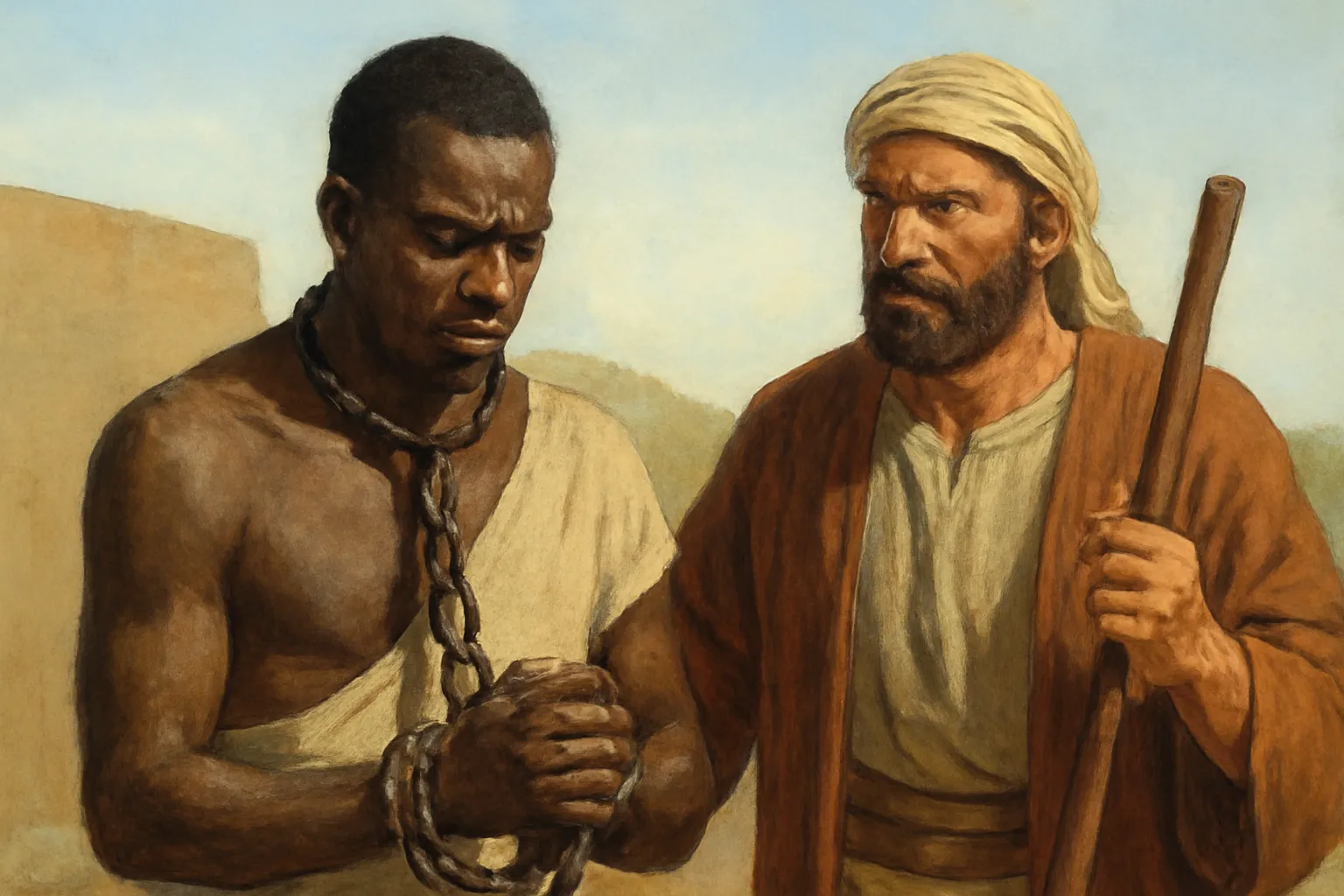
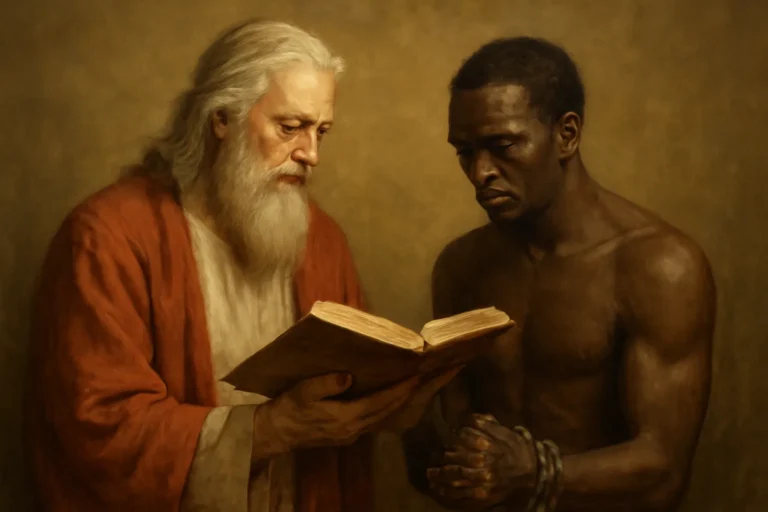
Bible Slaves in Scripture: History, Context, and Lessons for Today is a topic that invites careful reading, historical awareness, and ethical reflection. The word slavery evokes a painful and contested history in many societies, yet the biblical record spans millennia and a variety of social arrangements. In Scripture, what appears as «slavery» among the ancient Israelites, neighboring nations, and early Christians is a complex mosaic of systems—some constrained by law and covenant, others shaped by economic need, war, or debt. This article surveys the ways in which biblical writers described and regulated servitude, the differences between Hebrew and Greco-Roman worlds, and the enduring lessons that modern readers can take into consideration when they think about dignity, freedom, and justice today.
Terminology and Concepts: What is Meant by Slavery in Biblical Texts
The Bible employs a spectrum of terms to describe people in servile or dependent situations. Understanding these terms helps readers avoid anachronistic judgments and appreciate the distinctions within ancient social life. In Hebrew and Greek, several phrases point to related, but not identical, realities:
Eved (Hebrew for “slave” or “servant”): often used of a person bound by a covenant or obligation rather than a purely coercive relationship.
Oved (worker or servant): sometimes used to denote labor performed under obligation, sometimes simply a respectful term for a person in service.
Doulos (Greek for “bondservant” or “slave”): in the New Testament, Paul and others use this term to describe a person who serves a master, yet also speaks of spiritual allegiance to Christ, transforming the social category in light of Christian faith.
Pais (boy, servant, or bondservant in Greek): often indicates a younger person in service or a household dependent, especially in the Gospel accounts and Epistles that reflect Greco-Roman usage.
Other terms and phrases refer to “servants of the house,” “household slaves,” or “debt bondage.” Some passages distinguish between what we might call “hereditary slavery” and “temporary service” or “debt obligations.”
Two broad patterns emerge from the textual record:
Legal and ceremonial distinctions between Hebrew slaves and foreign slaves, including differences in rights, duration of servitude, and eventual release.
Ethical expectations on both sides—masters and slaves—grounded in the fear of God, mercy, and the call to justice within the covenant community.
In short, the biblical material does not present a single, uniform model of servitude. Rather, it reflects a range of social arrangements that existed in ancient economies, along with normative commands intended to regulate power imbalances and to promote mercy and protection for the vulnerable.
Historical Context: Slavery in the Ancient Near East and the Greco-Roman World
To read biblical passages on slavery wisely, readers should situate them in their historical milieu. The ancient world, including the kingdoms of Israel and Judah, was embedded in a broader world where slavery—often linked to inheritance, debt, war, or temple service—was a common institution. The biblical writers neither fully modernize nor simply endorse the system; they frequently critique, regulate, or repurpose existing practices within a divine framework.
Debt and war as pathways into servitude: In many ancient economies, losing a debt dispute or being captured in war could lead to a person becoming a slave or a dependent laborer. The Bible shows both the dangers of debt bondage and, at times, the possibility of release and reintegration.
Different statuses within households: Not all servants were the same. Some were permanent “servants” in estate contexts, some were temporary workers, and others were Hebrew slaves with a structured path to freedom after a set period or during Jubilee cycles.
Protected classes and legal boundaries: Exodus, Leviticus, and Deuteronomy establish limits on brutality, specify days of rest for enslaved people, and set rules for masters to treat bondservants with humanity. While these protections do not abolish slavery, they reflect a covenantal impulse toward restraint and fair treatment.
Israel’s distinctive ethical voice: The biblical law codes sometimes challenge encultured norms by compelling masters to honor the dignity of their household dependents, abolish certain abuses, or provide for release from servitude at prescribed times.
Beyond the scriptural text, scholars emphasize that the Bible engages with, rather than simply mirrors, ancient customs. Some passages describe practices as they were, and others reframe them toward broader ethical aims—justice, mercy, and the equality of all people under God. The result is a dynamic dialogue rather than a single endorsement or rejection of slavery as a social institution.
Key Biblical Texts and Their Frameworks
Old Testament Law: Protecting the Vulnerable
Several foundational passages address the status and treatment of those in servitude. The laws governing Hebrew slaves differ from those applying to foreign slaves, reflecting the social hope of the Israelite community to preserve its covenant identity while maintaining practical governance over households and economy.
Exodus 21:2-11: Hebrew servants must be released after six years of service in a way that emphasizes liberty and the return to family; in some cases, a Hebrew bondservant may choose to voluntarily remain with the master for life if the master shows kindness.
Leviticus 25:39-46: The status of fellow Israelites as slaves is limited; Israelite debt or servitude to other Israelites is not permanent, and God’s people are commanded to treat those in servitude with fairness, ensuring that even foreign-born servants have a degree of protection and a potential path to freedom.
Deuteronomy 15:12-18: The release of Hebrew slaves in the seventh year is emphasized, along with the obligation to provide generously when releasing a slave so that they do not leave empty-handed. This passage frames freedom as a social obligation meant to sustain the vulnerable.
Leviticus 19:34 and related texts instruct Israel to treat resident aliens as native-born, underscoring a broader ethical horizon in which hospitality and justice extend beyond kinship.
These laws reveal a tension: the covenant community does not categorically abolish slavery, but it builds a system that aims to prevent abuses, protect basic human dignity, and encourage ongoing mercy and generosity. The distinction between Hebrew servants and foreign slaves also reflects a complex social reality: insiders and outsiders occupied different legal and moral spaces, with the law seeking to maintain order while advancing standards of compassion.
Narrative Examples: Joseph, Moses, and the Slavery/Exile Narrative
In addition to legal codes, biblical narratives present personal stories that illuminate the lived experience of bondage and the possibility of transformation. The story of Joseph, though set within an Egyptian context, unfolds as a dramatic arc from slavery to leadership, illustrating how God’s providence can work through servile circumstances. Meanwhile, Moses’ own calling emerges in a context shaped by oppression, exile, and a people seeking liberation. These narratives are not simple endorsements of servitude; they are moral and theological devices that invite readers to reflect on power, justice, and human flourishing.
Philemon and Onesimus: A Case Study in Early Christian Ethics
The Epistle to Philemon provides a uniquely intimate example of how early Christians engaged with the institution of slavery. Onesimus, a slave who has run away from his master Philemon, becomes a Christian and a trusted companion of Paul. Paul’s letter appeals to Philemon not only to welcome Onesimus back but to regard him as a beloved brother in Christ, reframing their relationship within the Christian family. While the letter does not explicitly abolish slavery, it foregrounds values of reconciliation, trust, and mutuality that challenge the presumptions of slaveholding. The Onesimus episode is often cited in discussions about Christian ethics and social reform as an example of subversion from within a system rather than outright abolitionist decree in a single text.
New Testament Directives: Slaves and Masters in Early Christian Communities
In the New Covenant era, the apostolic writings address the existing social order while rooting personal identity in Christ. Two broad lines of instruction emerge:
Household codes such as Ephesians 6:5-9 and Colossians 3:22-4:1, which urge slaves to obey their masters with sincerity and masters to treat their slaves justly and fairly, recognizing the equal humanity of all under God.
Christological and ecclesiological motifs that speak to freedom in Christ, identity beyond social roles, and a community where allegiance to Christ reshapes relationships. The famous declaration in Galatians 3:28—“there is neither slave nor free, for you are all one in Christ Jesus”—is often invoked to highlight the radical spiritual equality that emerges within the Christian movement, even if the social order of slavery persists in the broader society.
These texts are not a single abolitionist manifesto in the way modern readers expect, but they contribute to an ethical trajectory that undermines the dehumanization associated with slavery. The early church included both enslaved and free individuals who navigated a public square that tolerated, regulated, and sometimes contested the institution of servitude.
Important Debates and Theologies: How Christians Read Biblical Slavery
Over the centuries, readers have disagreed about how to interpret the biblical material on servitude. Two major currents have often dominated discussions:
Condemnation and critique: Some readers emphasize biblical calls to justice, compassion, and equal dignity before God, arguing that the overall biblical arc moves away from coercive, dehumanizing practices. They highlight texts that condemn oppression, such as prophetic calls for justice for the poor and the powerless, and New Testament statements about unity in Christ that undermine the social hierarchies associated with slavery.
Continuity and reform within tradition: Other interpreters contend that the Bible, in its own historical setting, preserves certain forms of servitude while ensuring limits on abuse, and that Christian ethics historically participated in abolitionist movements by reframing the conversation around mercy, stewardship, and the inherent worth of every person.
Both lines of interpretation have shaped Christian ethics and public action. The abolitionist movements of the 18th and 19th centuries, for example, frequently drew on biblical themes of liberty, the universal dignity of persons, and the moral authority of the Gospel to challenge slavery in the modern world. At the same time, some religious traditions have wrestled with how to translate biblical authority into anti-slavery advocacy without erasing the historical context in which the texts were written.
Year of Jubilee, Release from Debt, and Practices of Freedom
One of the most striking biblical instruments related to servitude is the Jubilee cycle described in Leviticus 25. This annual and eventual-year practice offers a picture of social renewal that sought to prevent long-term bondage and economic exploitation. Key elements include:
Debt forgiveness for people who have fallen into financial obligation that could lead to servitude beyond a reasonable period, providing a reset after a generation.
Return of property and restoration to ancestral lines, preventing the permanent accumulation of wealth by a small minority at the expense of the many.
Liberty for the entire community as a theological and social ideal, signaling that the land belongs ultimately to God and that social structures should serve human flourishing rather than perpetual subjugation.
Historically, commentators have noted that the Jubilee concept functions more as a normative ideal than as a precise legislative frame for every historical moment. Yet it remains a powerful symbol of how a community might structure its life around justice, mercy, and the possibility of redemption for those who have fallen into debt or bondage.
Lessons for Today: How to Read Biblical Slavery with Integrity and Care
For readers today, the topic of biblical slavery offers several practical and ethical lessons that can inform discussions about human dignity, economic justice, and social policy. Here are some key takeaways:
Dignity and equality before God: Across both Testaments, the biblical writers repeatedly affirm that every person bears God-given value. This principle invites readers to resist any system that reduces people to mere property or instruments of labor.
Context matters: Slavery in Scripture arises within ancient economies and legal frameworks. Contemporary readers should distinguish between ancient norms and modern principles of human rights, ensuring hermeneutical humility and historical awareness.
Protection of the vulnerable: Even when slavery exists in the text, laws and stories often embed protections for the vulnerable—especially for the poor, foreigners, widows, and orphans. These protections model a posture of mercy and responsibility that can inform modern policies on labor rights and social welfare.
Ethical transformation through faith communities: The early Christian movement demonstrates how communities can reinterpret social hierarchies through the lens of Christian brotherhood and mutual service. This legacy informs ongoing conversations about social reform and justice movements grounded in faith traditions.
Read with a robust, critical conscience: Modern readers should engage with the text critically, balancing reverence for Scripture with ethical critique of historical practices. This often means acknowledging both the moral complexity of ancient law and the transformative achievements of later ethical developments inspired by biblical ideals.
Application to contemporary issues: The biblical conversation about servitude intersects with discussions about labor rights, human trafficking, refugee status, and economic exploitation. The overarching biblical ethic of justice and mercy provides a framework for evaluating contemporary systems that might oppress or dehumanize people today.
In practical terms, readers can apply these lessons by promoting policies that defend worker dignity, support vulnerable migrants and refugees, and advocate for fair wages and safe working conditions. The biblical call to mercy is not a narrow spiritual exhortation but a challenge to love in concrete, social ways that improve real human lives.
Toward a Thoughtful, Responsible Reading of Scripture
The subject of bible slaves—whether described as servants, bondservants, or debt laborers—illustrates a broader pattern in the biblical narrative: ancient communities wrestle with power, economy, and dignity in the light of divine revelation. The biblical record does not produce a simple abolitionist manifesto, but it does provide a coherent set of moral impulses—toward justice, protection of the vulnerable, and recognition of the God-given worth of every person—that can guide readers today as they seek to understand history, interpret challenging texts, and act toward greater human flourishing. By reading with care, acknowledging context, and applying core ethical commitments to contemporary life, communities of faith and readers from many backgrounds can learn from this chapter of scripture what it means to pursue freedom with responsibility, to steward resources with mercy, and to honor the intrinsic worth of every person in today’s complex world.
Appendix: Quick Reference Guide to Key Terms and Texts
vs foreign slavery in the Old Testament context
Exodus 21 (laws about Hebrew servants, and protections against abuse)
Leviticus 25 (the Jubilee year as a mechanism of resetting debt and servitude)
Deuteronomy 15 (six-year terms of service and the release of debt slaves)
Philemon ( Onesimus as a case study in Christian ethics toward a slave)
Ephesians 6:5-9 and Colossians 3:22-4:1 (slaves and masters in household codes)
Galatians 3:28 (no longer slave or free in the body of Christ)
Joseph’s story (servant and prisoner in Egypt as part of a larger providential plan)
The topic of slavery in biblical texts invites readers into a larger conversation about history, ethics, and faith. By examining the layers of law, narrative, and ethical instruction, contemporary readers can engage with Scripture in a way that honors the complexity of the ancient world while seeking to live out its enduring values of justice, mercy, and respect for human dignity. This balanced approach helps ensure that the conversation about biblical slavery remains both historically informed and genuinely relevant to today’s moral challenges.
Is the Bible Pro Slavery? A Critical Analysis of Passages and Historical Context The question “Is the Bible pro-slavery?” has sparked heated debates for centuries. To answer it responsibly, we must distinguish between descriptive history (what the text says in its own time) and normative ethics (what it implies for how people ought to treat…