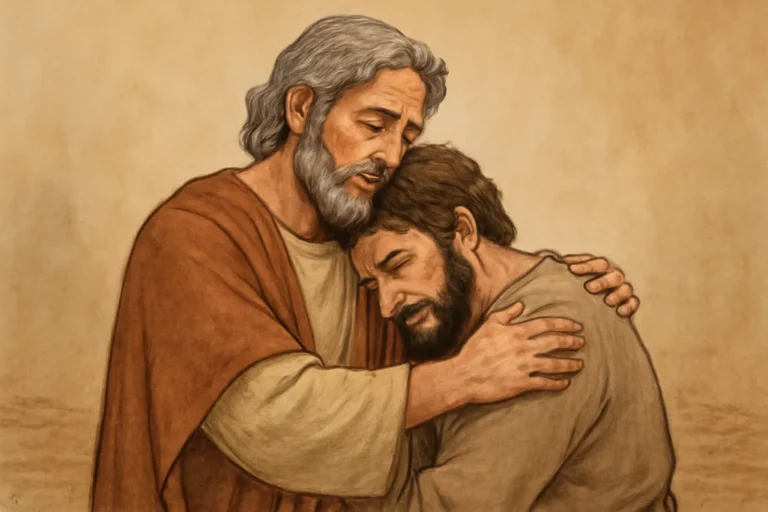
Forgive is a word people use often, but when we explore it through the lens of the bible, the concept carries depth, responsibility, and transformation. In everyday speech, to forgive might simply mean letting go of a grudge. In the biblical sense, however, forgiveness implies a release from guilt, a cancellation of debt, and an invitation to reconciliation that aligns with God’s character. This article unpacks the forgiveness definition in the Bible, explains the original languages behind the English term, surveys Old Testament and New Testament teaching, and offers practical guidance for applying biblical forgiveness in daily life. By tracing the semantic breadth of terms like forgive, forgiveness, and related concepts across Scripture, we gain a robust understanding of what it means to be forgiven and to forgive others.
The biblical meaning of forgiveness is not a single, simple act. It encompasses attitudes, actions, and outcomes. At its core, forgiveness is a decision by the offended party to release a person from the burden of guilt, shame, or punishment for a wrong. In Scripture, this often involves two dimensions: God’s forgiveness of the sinner and the sinner’s forgiveness of others. Some of the essential facets include the following:
Release from guilt or debt cancellation: Sins are metaphorical debts, and forgiveness represents the creditor’s decision to cancel that debt. This is seen in both divine mercy and human conduct toward one another.
Removal of consequences in a relational sense: Forgiveness can restore relationship, reduce hostility, and restore trust, though it does not erase all earthly consequences of one’s actions.
Reconciliation as a potential outcome: Relationships can be healed when genuine repentance, confession, and grace are present. Reconciliation is a possible, not automatic, outcome of forgiveness.
Grace and mercy as the driving force: God’s forgiveness is rooted in grace, mercy, and faithfulness, not human merit.
Transformative power: Forgiveness can lead to inner change in the offender (repentance) and the offended (freedom from bitterness), shaping moral and spiritual development.
To summarize the definition in practical terms: when the Bible speaks of forgiveness, it often describes a God-centered action that releases debt, moves the relationship toward healing, and reflects the character of a God who forgives sinners. The language varies, but the essential sense remains: to forgive is to choose mercy over punishment, to release a grievance, and to invite restoration whenever possible.
Key terms in the Bible related to forgiveness
Understanding the biblical meaning of forgiveness requires a look at the original languages, where the words carry nuance beyond the English usage. Here are the main terms and their broad meanings:
Hebrew roots often translated as forgiveness
Salach (to pardon, to spare, to forgive): A foundational verb used in the Old Testament for forgiveness and mercy. It conveys the sense of mercy granted to someone who deserves punishment and the relief that follows.
Kaphar (to cover or atone): This root conveys the idea of covering sin, atonement, or making reconciliation between a person and God. It often appears in the context of sacrifice and reconciliation with a holy God.
Nasa (to lift or bear away): In some contexts, forgiveness involves removing the burden of offense from the offended party and bearing the consequences of sin from the sinner.
Greek words in the New Testament emphasizing forgiveness
Aphiēmi (to send away, to dismiss, to release): A primary verb for forgiveness in the New Testament sense of releasing someone from guilt or obligation.
Aphesis (forgiveness, a release from constraint): The noun form often used in the sense of forgiveness that results in a new status before God.
Charizomai (to show kindness or grant as a favor; to forgive as a gift): Emphasizes the gracious nature of forgiveness, rooted in God’s generosity toward humanity.
These terms reveal how forgiveness in the Bible blends mercy, justice, grace, and relational restoration. When you read verses about forgiveness, you can see that it is not merely an inward feeling; it is a dynamic act that affects God, the offender, and the offended.
Forgiveness in the Old Testament: foundations for the biblical definition
The Old Testament lays the groundwork for understanding forgiveness by establishing the moral order, the need for atonement, and the character of God as merciful and just. Some of the most important themes include these:
God’s gracious initiative: Forgiveness begins with God’s desire to be in relationship with people who have broken His commands. He offers mercy even when justice would demand punishment.
At-one-ment and sacrifice: The system of sacrifices and the Day of Atonement (Yom Kippur) point to forgiveness as a divinely provided means to address sin and restore communion with God. At-one-ment (atonement) is expressed through the idea of making things right between God and humans.
Human responsibility: People are not passive recipients of forgiveness; there is a call to repentance and righteousness, reflecting the biblical principle that forgiveness involves a response, not merely a receipt.
Forgiving others as a reflection of God’s mercy: The Old Testament encourages believers to imitate God’s mercy toward others and to practice social justice and compassion as expressions of forgiven hearts.
In practical terms, the Old Testament teaches that forgiveness is tied to divine initiative, but it also requires obedience and ritual or ethical responses that maintain the relationship between God and his people. Passages about God pardoning sins, about the mercy seat, and about sacrifices all contribute to a layered picture of biblical forgiveness.
Forgiveness in the New Testament: Jesus, the Church, and the defining moment
The New Testament renews and deepens the concept of forgiveness through the life, death, and resurrection of Jesus Christ and the teaching of the apostles. A few key themes emerge:
Forgiveness modeled by Jesus: Jesus embodies forgiveness in action—he forgives sins (marking divine authority) and demonstrates mercy by extending grace to the marginalized, sinners, and those who opposed him.
Forgiveness as a divine gift through faith: The New Testament presents forgiveness as something God grants through faith in Christ, not something earned by human effort alone. This aligns with the theological center of the gospel: grace through faith.
The Lord’s Prayer and daily practice: In Matthew 6, Jesus instructs his followers to seek God’s forgiveness and to forgive others as a reciprocal dynamic of the spiritual life: “forgive us our debts, as we also have forgiven our debtors.”
Forgiveness and reconciliation in the church: The early Christian communities were expected to practice forgiveness as a foundational practice for healthy relationships and communal life.
Limitations and accountability: The New Testament also teaches that forgiveness does not erase consequences or absolve moral responsibility. Justice, discipline, and restoration may still be necessary in God’s economy.
Throughout the New Testament, forgiveness is framed as a consequence of God’s mercy in Christ, extended to humans who, in turn, are called to forgive others. Verses such as Luke 23:34, where Jesus says, “Father, forgive them, for they do not know what they are doing,” illustrate the extraordinary scope of divine forgiveness and its model for human behavior. In addition, passages like Colossians 3:13 urge believers to bear with one another and forgive grievances as the Lord forgave you, reinforcing forgiveness as a community practice guided by Christ’s example.
Forgiveness, repentance, and grace: how they relate
One of the most important dynamics in the biblical understanding of forgiveness is the relationship between forgiveness, repentance, and grace. This triad helps explain why and how forgiveness operates in redemptive history:
Repentance is often the turning away from sin and turning toward God. In both testaments, repentance creates an openness to receiving God’s forgiveness. It is not a mere feeling but a decisive change of mind and direction.
Forgiveness is the divine or relational act of releasing guilt and granting reconciliation where possible. It is a gift that God extends to sinners and that believers are called to extend to others.
Grace undergirds forgiveness. God’s forgiveness is rooted in His grace, not human merit. This grace is often described as a gift that transforms the heart, enabling people to forgive others who have harmed them.
Together, repentance, forgiveness, and grace form a dynamic that moves a person from guilt to reconciliation, from estrangement to restored relationship, and from spiritual stagnation to new life in Christ.
Forgiveness and reconciliation: two related but distinct goals
In biblical terms, forgiveness and reconciliation are closely linked but not identical. Forgiveness refers to the offended party’s decision to release the offender from guilt and debt. Reconciliation, on the other hand, is the reestablishment of a right relationship, which may require mutual trust-building, confession, or consequences being faced. A few guiding distinctions:
Forgiveness can occur without reconciliation: If the offender refuses repentance or continues dangerous behavior, the offended person might grant forgiveness while choosing to guard the relationship for safety or integrity.
Reconciliation often requires repentance: True restoration of relationship usually depends on the offender acknowledging fault and turning from it, aligning with the biblical pattern of repentance.
Forgiveness is a relational posture: It reflects the heart of God and the call to imitate His mercy, shaping how believers relate to others, even in the absence of immediate reconciliation.
These distinctions help believers navigate real-world situations—such as forgiving someone who has not apologized, choosing wise boundaries, and seeking healing in broken relationships—while still honoring God’s command to forgive.
Conditions often associated with biblical forgiveness
While forgiveness is a free gift from God in Christ, Scripture also presents conditions or related expectations that accompany forgiveness. These considerations can empower believers to respond rightly when harmed or wronged:
Confession of sin and repentance: Acknowledging wrongdoing is often part of receiving forgiveness and moving toward restoration, both with God and in relational repair.
Faith in Christ: The New Testament centers forgiveness in belief in Jesus as Savior and Lord; faith is the channel through which reconciliation with God occurs.
Too, the offender’s response matters: The offender who genuinely repents may experience greater restoration, while a hardened heart might complicate the path to reconciliation.
Mercy demonstrated through actions: Forgiveness is not passive; it is enacted through words and actions that reflect genuine mercy and justice, not merely sentiment.
In short, the biblical fit between forgiveness, repentance, and grace creates a pathway for spiritual growth, moral integrity, and relational health, even in challenging circumstances.
Common misunderstandings about forgiveness in Bible-based teaching
Several misconceptions commonly appear when people discuss forgiveness in a biblical framework. Addressing these helps keep expectations aligned with Scripture:
Forgiveness equals forgetting: The Bible often calls us to release the hurt, not pretend it never happened. Forgiveness does not erase memory or consequences; it releases the offender from punishment in the relational sense and entrusts justice to God.
Forgiveness means excusing harmful behavior: Forgiveness does not imply approval of sin or harmful conduct. It means choosing mercy while often working toward accountability and safety.
Forgiveness is earned: Biblical forgiveness is ultimately rooted in God’s grace and mercy, not in human merit. Believers are invited to forgive as they have been forgiven.
Forgiveness eliminates consequences: Some actions carry ongoing consequences even after forgiveness is granted. The goal of forgiveness is restoration, not necessarily an undoing of all results of harm.
These clarifications help Christians practice forgiveness in a way that honors God, respects truth and justice, and protects vulnerable people in communities and families.
Practical guidance: applying the biblical definition of forgiveness today
For individuals and communities seeking to live out biblical forgiveness, here are practical steps that reflect Scripture’s shape of forgiveness:
Pray for discernment: Ask God to grant wisdom about whether to forgive, how to address the harm, and how to pursue reconciliation in a safe and healthy way.
Confess and repent as needed: If you have caused harm, confess your sin to God (and to those affected, when appropriate) and pursue repentance and repair.
Release the offender from guilt: Choose to forgive the person who hurt you, releasing them from the debt you feel they owe you, and choosing mercy over bitterness.
Set healthy boundaries: Forgiveness does not require you to place yourself back in danger or to ignore patterns of abuse. Boundaries are biblical and wise expressions of love and care for self and others.
Seek reconciliation where possible: When both parties are willing, pursue restoration with patience, truth, and grace, acknowledging that reconciliation may take time and may not always be fully achievable.
Reflect Christ’s character: Let forgiveness shape your attitudes, words, and actions so that your life mirrors the mercy God has shown you in Christ.
The practical application of forgiveness is lived out in families, workplaces, churches, and communities. By embracing the biblical definition of forgiveness, individuals can cultivate healthier relationships, grow in spiritual maturity, and demonstrate the transformative power of God’s grace.
Forgiveness as a way of life: integrating into daily living
For many, forgiveness becomes a recurring practice—an ongoing discipline rather than a one-time act. Here are a few ways to integrate the biblical concept into everyday living:
Daily forgiveness mindset: Start each day with a posture of mercy, asking God to help you release offenses and to respond with grace to others’ mistakes.
Family life and parenting: Teach children about forgiveness by modeling repentance, forgiveness, and reconciliation in family discussions and conflicts.
Work and community life: Demonstrate forgiveness in professional and community contexts by addressing conflicts with integrity, patiently seeking restorative outcomes, and avoiding vindictiveness.
Church life: Foster forgiveness within church communities by practicing confession, pastoral care, and accountability in ways that honor God and protect the vulnerable.
In all these contexts, the biblical vantage point remains constant: forgiveness is rooted in God’s mercy shown in Christ, and believers are called to mirror that mercy toward others. This is the heart of the forgive definition bible as it translates into a living faith that touches every area of life.
Frequently asked questions about forgiveness in Scripture
Below are concise responses to common questions people have when exploring the biblical meaning of forgiveness:
Does God forgive every sin? The Bible speaks of God’s readiness to forgive anyone who repents and believes in Christ. However, forgiveness is received through faith and involves sincere repentance, not a casual attitude toward sin.
Can I forgive without feeling it? Yes. The Bible teaches that forgiveness is an act of the will shaped by faith. Feelings often follow, but forgiveness can be a decision even when emotional healing takes time.
Is forgiveness the same as reconciliation? Not always. Forgiveness is a personal release of guilt and mercy toward the offender; reconciliation is the restoration of a relationship that may require mutual effort and safety considerations.
What about forgiving repeatedly? The Bible encourages a forgiving spirit and, in contexts like Matthew 18, teaches persistence in seeking restoration. It also acknowledges limits when repeated harm occurs without repentance.
What role does grace play? Grace is central. Forgiveness in Scripture is an expression of God’s grace toward humanity and an invitation for people to extend grace to others as they have received mercy from God.
the enduring meaning of forgive in the Bible
In sum, the phrase forgive definition bible points to a robust, multifaceted reality. Forgiveness in Scripture is not a mere feeling or a casual shrug at wrongdoing. It is a divinely initiated act of mercy that cancels guilt, releases from debt, and invites reconciliation where possible, all while pointing toward the ultimate expression of forgiveness in Christ. The biblical definition of forgiveness blends grace and justice, invites repentance, and calls believers to live with compassionate wisdom in a world marked by harm and deceit. By studying the original Hebrew and Greek terms, we gain a clearer sense of how forgiveness operates in both the Old Covenant and the New Covenant. This understanding enables Christians to practice forgiveness with humility, courage, and integrity—pursuing peace and healing in every corner of life, from personal relationships to large communities.
If you are exploring the topic for study, teaching, or personal growth, consider meditating on these core takeaways:
Forgiveness is a gift from God, realized in Christ, and made possible to humans through faith and repentance.
Forgiveness releases guilt and debt, inviting a new relational posture toward God and others.
Reconciliation is possible, not automatic, and may require time, trust-building, and accountability.
Forgiveness is a daily discipline that shapes how we respond to injury, disappointment, and injustice.
Grace undergirds forgiveness—God’s mercy toward us becomes the model and motive for our mercy toward others.
As you reflect on the biblical meaning of forgiveness, you’ll likely discover that forgiveness is less about erasing the past and more about choosing a path toward hopeful, restorative future—one that mirrors the character of God and invites others into the same liberating experience of grace. This is the enduring, transformative heart of the bible-based definition of forgiveness.
Bible Stories About Forgiveness — Parables, Lessons, and Real-Life Examples The Bible presents forgiveness as a defining quality of God and a transformative practice for people. Across both the Old and New Testaments, forgiveness is not merely an emotion but a path toward restoration, healing, and renewed relationships. Forgiveness appears in parables, in direct narratives,…
When you Loved the Wrong Person and Faced No Forgiveness Love can be a powerful compass, guiding us toward closeness, safety, and growth. Yet sometimes the heart leads us to the wrong person, a relationship marked by hurt, manipulation, or betrayal. When forgiveness is withheld or appears unavailable, it can feel as though you are…
The Transformative Power of Christian Forgiveness In the Christian faith, forgiveness stands as a sacred discipline and a doorway to freedom. It is not merely a feeling but a deliberate choice rooted in the example of Christ and the mercy of God. When hurt, betrayal, or injustice presses in, quotes from Scripture can anchor us,…
In the Christian tradition, biblical forgiveness is more than a sentiment or a cultural cliché. It is a robust, theologically rich concept rooted in the character of God and lived out in human relationships. This article explores the definition of biblical forgiveness from multiple angles: its theological foundations, its scriptural warrants, its differences from everyday…
The enduring question of mercy and repair The simple, piercing plea “Father forgive me for I have sinned” has echoed through churches, chapels, and kitchens where families gather for confession and renewal. It is more than a sentence; it is a doorway into a spiritual practice that invites honesty, humility, and the transforming power of…