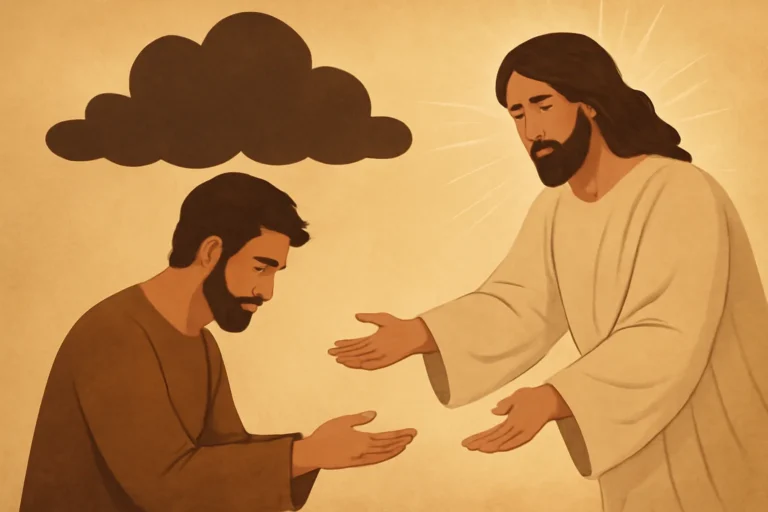
Across generations and cultures, many people have found comfort and courage in the conviction that God is my protector. This idea captures the sense that the divine presence watches over, defends, and sustains believers in moments of danger, fear, or uncertainty. The phrase can be spoken as a personal confession, a whispered prayer, or a theological claim about the nature of God. In this article we will explore the meaning of the protector attribute, examine biblical verses that articulate God as shield, refuge, fortress, and guardian, and discuss the significance of this name-like attribute in worship, life choices, and community identity. We will also consider variations of the idea—how people express that God is their protector in different words—and why these expressions endure in the language of faith.
When believers say God is my protector, they are naming several related truths at once. First, they affirm divine vigilance—that God is awake to human danger and not indifferent to suffering. Second, they describe protection as ongoing care rather than a one-time rescue. Third, they acknowledge that protection may take many forms: shelter from storms, strength to endure hardship, guidance away from danger, or courage to face what lies ahead. In theological terms, this is not merely a physical safeguarding but a holistic sense of security in God that touches the body, mind, and soul.
Because protection is a broad concept, Christians, Jews, and people of faith sometimes phrase it in different but related ways. You may hear expressions like God as guardian, the Lord as shield, or the protector God. Each formulation highlights a facet of God’s character likely to resonate with particular life situations: a protector in battle, a shield in danger, a refuge in despair, or a fortress in times of siege. These variations are not contradictions; they are complementary pictures that together propose a coherent spiritual reality: that God cares for and defends the vulnerable and that trust in divine protection can shape how a person lives, prays, and hopes.
Names, Titles, and Scriptural Imagery That Convey Protection
The Bible often speaks of God’s protective quality through metaphors rather than a single fixed name. While there is no universal, standalone Hebrew name that literally translates to “God is my protector” in the way we might expect, there are abundant terms and images that communicate protection. These include references to God as a refuge, a shield, a fortress, a rock, and a guardian who watches over the faithful.
Refuge and strength: A common biblical pairing is that God is a place of safety and a source of power for those in distress. For example, Psalm 46:1 says, “God is our refuge and strength, a very present help in trouble.” This emphasizes both security and immediacy of protection.
Shield and defense: The image of God as a shield appears in prayers and psalms, underscoring that God protects the person from harm and provides protection against threats the world cannot defeat.
Fortress and an impassable defense: The protective fortress conveys permanence, safety, and a strategic vantage point from which one can endure trials.
Rock and firm foundation: A rock offers steady ground when all around seems unstable, signaling protection through stability and reliability.
In addition to these images, many passages describe protection in terms of God’s presence—the idea that simply knowing God is near can be a protection in itself. This is evident in verses that urge fear not, because God is with the people. Such language reinforces the understanding that protection is not only a physical shield but a spiritual presence that sustains courage and hope.
Bible Verses Affirming God as Protector
For those who seek scriptural grounding for the claim that God is my protector, there are numerous verses across the biblical canon. Below is a curated selection that illustrates how protection is described, why it matters, and how it shapes the life of faith. The verses are grouped by the broad image they convey, then briefly unpacked to show their practical significance.
Psalm 46:1 — “God is our refuge and strength, a very present help in trouble.” This verse emphasizes immediate protection in crisis and a deep well of courage drawn from God’s presence.
Psalm 91:2 — “I will say of the Lord, He is my refuge and my fortress: my God; in him will I trust.” Trust forms the heart of protection here, linking safety to faith and reliance.
Psalm 3:3 — “But you, O Lord, are a shield about me; my glory, and the lifter of my head.” The imagery of a shield conveys defense against enemies and threats to dignity and worth.
Proverbs 18:10 — “The name of the Lord is a strong tower; the righteous run to it and are safe.” A tower provides elevation and security in dangerous terrain.
Isaiah 41:10 — “So do not fear, for I am with you; do not be dismayed, for I am your God. I will strengthen you and help you; I will uphold you with my righteous right hand.” The protection here arises from God’s ongoing presence and assistance.
Deuteronomy 31:6 — “Be strong and courageous. Do not be afraid or terrified because of them, for the Lord your God goes with you; he will never leave you nor forsake you.” Presence translates into durable protection.
Protection as Deliverance and Salvation
Psalm 34:7 — “The angel of the Lord encamps around those who fear him, and he delivers them.” Protection includes deliverance from peril and fear itself.
Psalm 121:7-8 — “The Lord will keep you from all harm; he will watch over your life; the Lord will watch over your coming and going both now and forevermore.” A promise of continuous care and protection through life’s journeys.
Beyond specific verses, the prevailing mood in many biblical songs is that God’s protection is trustworthy, reliable, and personal. The language may vary—from shield to refuge to rock to fortress—but the core message remains: the divine presence guards and sustains those who trust in it.
How the Concept of God as Protector Shapes Prayer and Daily Living
Believers who affirm God as protector often translate that conviction into practice. The belief becomes a lens through which danger, uncertainty, and suffering are interpreted. It shapes prayer, decision-making, and how a person treats others in times of crisis. Here are some practical ways in which the protector attribute influences life of faith:
Prayer as Appeal for Protection: Many prayers explicitly seek God’s shielding presence or rescue from harm, while also asking for the strength to endure and the wisdom to respond rightly.
Fear Management: When fear arises, the conviction that God is with the believer provides emotional and spiritual anchorage, enabling calm trust rather than panic.
Moral Courage: Protection is not only about avoiding danger but about choosing what is good in spite of risk, confident that God supports righteous action.
Community Responsibility: The idea of God as protector often extends to how communities care for the vulnerable, imitate divine protection, and advocate for safety and justice for all members.
In practice, this means layering personal devotion with ethical action. If one believes God protects the vulnerable, then there is a motivation to defend the weak, to mentor younger believers, and to contribute to safe environments—both physically and emotionally. The protection concept becomes a call to be a protector in one’s own sphere, reflecting the divine protective character in human relationships.
Historical and Cultural Perspectives on Protection
Across history, different communities have expressed protection through language, art, and ritual. The idea of a deity who defends, shelters, and preserves has appeared in hymns, liturgies, and tales of deliverance. In a historical sense, the protector attribute has often been linked to moments of national crisis, military conflict, or personal peril. Yet, even as cultures vary in expression, the underlying conviction remains similar: protection is meaningful because it speaks to a fundamental longing for safety and meaning in the face of danger.
In Jewish tradition, the Lord as protector is woven into prayers and psalms that recall God’s faithfulness in times of exile, persecution, and hardship. The protective motif is also present in the Christian tradition, where believers interpret the protection of God as fulfilled in the person of Jesus Christ, who is described in various biblical passages as the one who brings true security, reconciliation, and eternal life. The universal resonance of protection themes helps explain why the statement “God is my protector” continues to be a source of comfort and resilience for people today.
Variations and Semantic Breadth of the Protector Idea
To avoid a single rigid phrase, people use a spectrum of expressions to convey the idea that God protects. Here are some common variations and how they enrich the meaning:
God is my shield — Emphasizes defense against attack and the strength to withstand harm.
The Lord is my refuge — Highlights safety, shelter, and retreat from danger, often paired with trust in divine care.
God is my fortress — Conveys a sense of impregnable security, protection from external threats, and a protected position for growth and witness.
My guardian or guardian God — Personal and relational language, stressing ongoing watching care and guidance.
Provider and protector — Combines protection with provisioning, suggesting that protection includes meeting needs as part of safeguarding life.
These variations illustrate that protection is not a one-note attribute but a symphony of care expressed through different metaphors. The breadth of language helps believers articulate protection in contexts ranging from physical danger to emotional turmoil to spiritual doubt. In teaching, preaching, or devotional reading, employing multiple phrases helps people connect with the protection concept in a way that resonates with their own life story.
Common Misunderstandings and Clarifications
Like any theological idea, the statement God is my protector can be misunderstood if taken in isolation. Here are a few clarifications to avoid common pitfalls:
Protection is not guarantee of a trouble-free life: The biblical portrayal of God as protector does not promise exemption from hardship. Rather, it promises God’s presence, help, and guiding strength through hardship.
Protection does not override human responsibility: God’s safeguarding does not absolve people from prudent action, wise decisions, and communal care. Human agency remains part of experiencing protection.
Protection is multifaceted: God protects in various ways—physically, emotionally, spiritually, and communally. A person may experience protection as safety, healing, resilience, or moral courage, depending on the context.
Protection is relational: The idea often centers on a relationship with God—trusting a God who is near in fear and in joy, not a distant force. The personal dimension matters in how protection is perceived and received.
How to Cultivate a Protector Mindset in Everyday Faith
If you want to grow in living with the conviction that God is my protector, here are practical steps you can take. These suggestions blend devotional practice with ethical living, reflecting the belief that protection is enacted through trust, prayer, and compassionate action:
Memorize key verses that speak of God’s protection; revisit them during times of anxiety and danger to renew trust and courage.
Pray for discernment and safety not only for yourself but for others who are at risk; petition for protection that leads to wisdom and righteous choices.
Practice gratitude for protection, recognizing daily safeguards—small mercies, timely help, and community support—as expressions of divine care.
Build supportive communities that reflect the protective spirit: mutual aid, safety networks, and care for the vulnerable.
Live with hopeful resilience, acknowledging fear while choosing faith-inspired actions that reflect trust in God’s protective presence.
The Significance of the Protector Attribute
In the end, saying that God is my protector is more than a statement about safety; it is a declaration about the character of God and the orientation of life that follows from that understanding. It affirms a divine commitment to be present, to defend, to comfort, and to sustain in ways that honor the dignity of every person. The protector attribute invites believers to trust deeply, to act justly, and to extend protection to others in practical, tangible ways. It invites a life shaped by courage born of faith, a heart that rests in divine care, and a community that embodies protection through mercy, justice, and care for the vulnerable.
As you reflect on the idea that God is my protector, you may find that your vocabulary of faith expands. You might speak of God as your refuge, your shield, your fortress, or your guardian. Each phrase invites you to experience and testify to the breadth of divine protection in your life. Whether you are reading the Psalms, praying in quiet moments, or walking through a season of danger, the conviction that the Protector God holds you in safety can become a steady compass for hope, courage, and love.
Ultimately, the concept of God as protector—whether voiced as “God is my protector,” “the Lord is my shield,” or “the Lord is my refuge”—is a voice in the long tradition of faith that seeks to articulate how the divine presence meets human need. It is an invitation to dwell in trust, to act with compassion, and to live with the assurance that protection, in its fullest sense, is found in the companionship of God.
The lure and limits of a familiar saying Across cultures and centuries, many people have turned to a simple, comforting maxim in moments of *pain, pressure, or loss*: “God does not give you more than you can handle.” The sentiment is meant to offer reassurance, a reminder of divine companionship, and a prompt to persevere….
In times of hardship, choosing how we respond can be the difference between drift and direction. A simple shift in perspective—from listening to fear to leaning into faith—can illuminate a path through the darkest moments. This article explores faith over fear as a practical, repeatable approach to resilience. It offers ideas, exercises, and stories to…
The Eternal Promise at the Core Across generations and cultures, the idea that God will never leave us nor forsake us has served as a compass for faith, a source of courage in trials, and a steady anchor for hope. This promise is not a mere feeling or a vague sentiment; it is a theological…
Cast Your Burdens Upon the Lord: Finding Peace Through Faith In a world that often moves faster than our thoughts, many people find themselves carrying heavier loads than they were ever meant to bear. Cast your burdens upon the Lord is more than a well-worn phrase; it is a principle that has offered solace to…
Bible Verse That God Will Never Leave You: Finding Comfort, Hope, and Strength In a world full of change, uncertainty, and fear, the promise that God will never leave you can be a steady anchor for the soul. This article explores the breadth and depth of that assurance across Scripture, showing how the theme of…
Give Your Problems to God Bible Verse: Scriptures for Peace In a world filled with noise, worry, and frequent uncertainty, many readers turn to the Bible for guidance on how to handle burdens. The idea of giving your problems to God is a recurring theme throughout Scripture, offering a pathway from anxiety to divine peace….