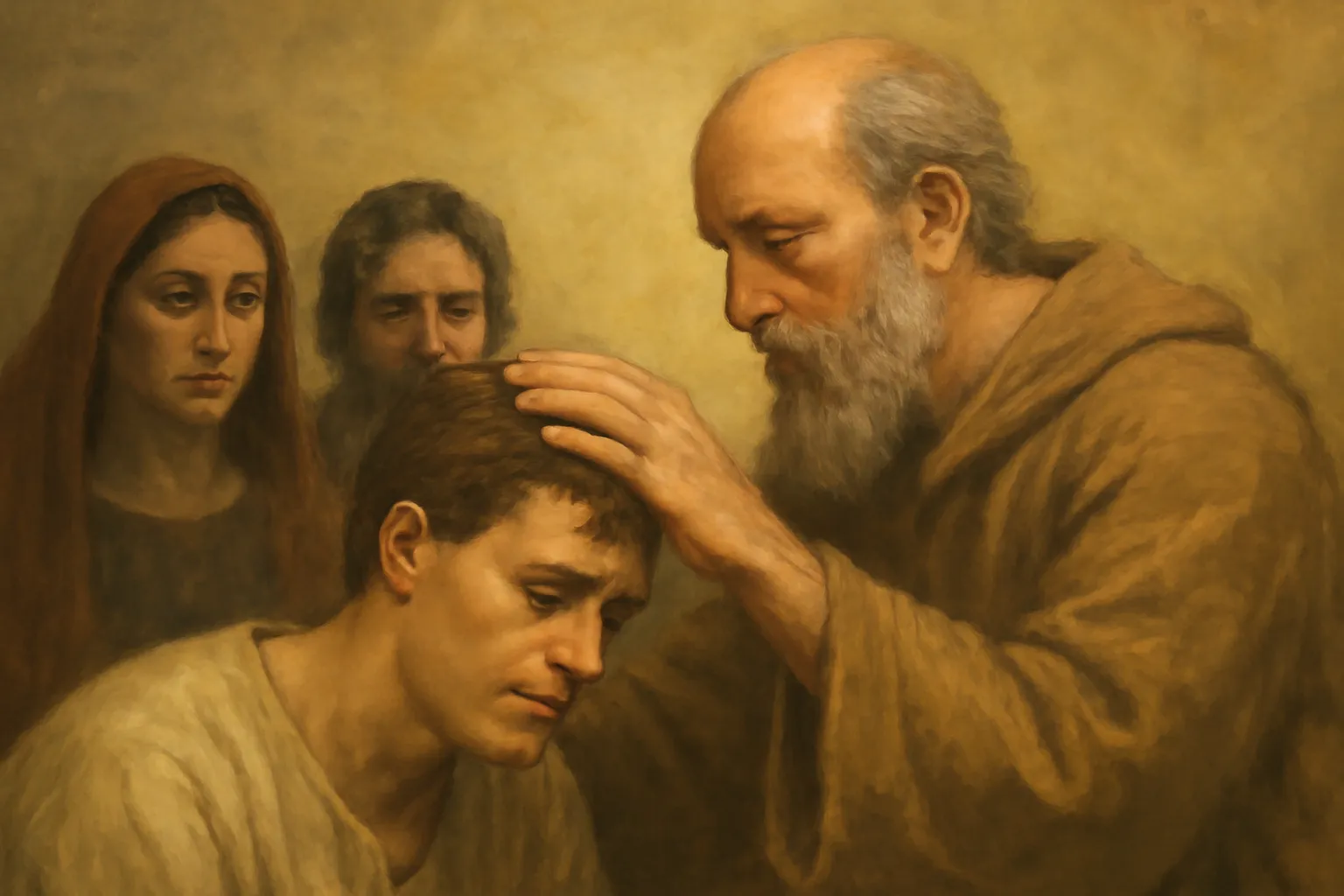
The term miracle healer is commonly used to describe a person or practitioner who claims to restore health or produce dramatic improvements in illness or injury through methods that fall outside conventional medical practice. These claims often hinge on concepts such as divine intervention, spiritual power, energy manipulation, or highly specialized knowledge that is not part of mainstream medicine. It is important to note that the phrase is descriptive, not a formal medical designation, and it carries a wide range of meanings across cultures and communities.
In everyday language, you may encounter several related labels: divine healer, spiritual healer, faith healer, energy healer, and traditional healer. Each of these can refer to distinct traditions, practices, and belief systems. What unites them is a claim to produce healing that people perceive as surpassing ordinary expectations—sometimes framed as a miracle. At the same time, the term should be understood with nuance: not all extraordinary outcomes are miraculous, and not every extraordinary claim is proven or provable in scientific terms.
This article uses a balanced perspective to describe what miracle healers are, the varieties they take, the reasons people seek their help, how to evaluate their credibility, and practical steps to pursue safe, responsible care. It is not medical advice, and it is not a substitute for medical treatment when such treatment is needed. If you or someone you know faces a serious illness, consult qualified healthcare professionals promptly.
Types and traditions of miracle healers
The landscape of healers who claim extraordinary powers is diverse. Some provide services within organized systems, while others operate in informal, community-based settings. Here are several common categories, described in broad terms to illustrate the kinds of work people may encounter:
Spiritual and faith-based healers
These practitioners often ground their practice in religious faith, prayer, laying on of hands, blessings, and ritualized acts believed to invoke a higher power or divine presence. In many communities, faith-based healing has deep cultural roots and is intertwined with moral support, storytelling, and communal care. Outcomes may include emotional relief, increased hope, and better adherence to medical regimens, even if the underlying illness is not cured in the conventional sense.
Energy and vibration-based healers
Healers in this family may work with concepts such as energy flows, chakras, or biofields. Techniques can include hands-on methods, distance healing, or guided exercises designed to rebalance energy. The scientific evidence for many energy-based approaches is mixed, but some people report subjective improvements in well-being, stress reduction, and symptom management, which sometimes correlate with tangible health benefits through non-specific mechanisms.
Traditional and cultural healers
Across the world, curandero (Latin American), bone setter, herbalists, shamans, and other traditional healers play important roles in communities. They often blend practical know-how with spiritual beliefs, using herbs, rituals, song, and storytelling. In some cultures, these practitioners are respected members of the community who provide care where access to biomedical services is limited or culturally incongruent.
Medical intuition and alternative healers
Some practitioners describe themselves as medical intuitives or psychic diagnosticians, offering assessments that blend observation, empathy, and non-traditional techniques. Others refer to themselves as holistic, integrative, or complementary therapists. The defining feature is that their methods are not primarily based on established biomedical protocols. Clients may pursue these healing pathways to complement conventional care or to explore personal meaning and coping strategies.
Healing gurus and spiritual teachers
There are individuals who offer healing-oriented programs, workshops, or retreats that emphasize mindset, resilience, and lifestyle change. While these programs can provide valuable psychosocial support and skill-building, it is essential to distinguish educational and supportive content from claims of guaranteed cure for serious medical conditions.
Terms vary by tradition and locale. When evaluating a healer, look beyond the label to understand the provider’s training, the methods used, the level of transparency, and the alignment with informed consent and patient safety.
Historical context and cultural perspectives
Healing has always been a social activity, not just a technical one. Across history, communities have turned to miracle workers when conventional medicine offered limited options, or when illness carried heavy social stigma. In many faith traditions, miracles are interpreted as signs of spiritual truth or divine care. In other contexts, a healer’s reputation is sustained by consistent, trustworthy behavior, clear communication, and demonstrated responsibility to the people who seek help.
Cultural perspectives on healing shape expectations about what constitutes a successful outcome. Some communities emphasize collective healing and ritual cleansing, while others focus on individual autonomy and informed decision-making. Understanding these cultural dimensions is essential for anyone seeking help: it helps you recognize the social dynamics at play, including the power of narrative, community validation, and the influence of trust.
Why people seek miracle healers: possible benefits and mechanisms
People may be drawn to miracle healers for many reasons. Some seek hope when conventional options are exhausted, others want a sense of personal empowerment, and some are drawn to the meaningful rituals and compassionate attention that many complementary approaches provide. Several mechanisms may help explain any short- to medium-term improvements, even when the illness itself is not cured:
Placebo effect and expectancy: belief in healing can trigger physiological responses that reduce symptoms or improve well-being.
Non-specific effects: attention, care, empathy, and consistent interaction can reduce stress and improve coping.
Behavioral changes: a healer’s guidance often includes lifestyle changes, improved sleep, nutrition, or activity, which can positively affect health outcomes.
Social support: community belonging and shared rituals provide emotional resilience during illness.
Symptom relief: some modalities may offer real, measurable relief from pain or anxiety, even if the root cause is unchanged.
It is important to recognize that these mechanisms are not proof of supernatural healing. They reflect well-understood psychosocial and physiological processes that can accompany many healing experiences. When engaging with any miracle healer, you should maintain a critical, evidence-informed perspective and avoid conflating correlation with causation.
Evidence, science, and healthy skepticism
A central question about any miracle healer is: what credible evidence exists that the approach works beyond placebo and coincidence? The scientific standard emphasizes systematically collected data, control groups, replication, and peer review. For most extraordinary healing claims, robust rigorous evidence is lacking or controversial. That does not automatically invalidate experiences people value; it does mean that laypeople should approach with thoughtful skepticism and seek approaches that are transparent and open to scrutiny.
Areas where there is stronger evidence in related domains include psychosocial support, stress management, mindfulness-based strategies, and certain integrative approaches under medical supervision. Some healing practices may be beneficial when integrated with conventional care, provided they do not delay effective treatment or interfere with it.
A practical way to evaluate healing claims is to differentiate between tested interventions with a track record of safety and effectiveness, and unverified modalities that lack reliable data. When in doubt, seek guidance from licensed healthcare professionals who can help interpret claims, assess risks, and discuss evidence-based options.
Benefits and risks: making informed choices
Engaging with miracle healers may come with several potential benefits and risks. This section highlights considerations to help you weigh decisions responsibly.
Potential benefits
Emotional and psychological relief: hope, comfort, and reduced fear can improve day-to-day functioning.
Enhanced coping strategies: relaxation techniques, breathing practices, or spiritual rituals can reduce stress.
Motivation for healthier behaviors: some healing practices encourage better sleep, nutrition, hydration, and activity.
Accessible support: in areas with limited access to biomedical care, community-based healers may offer valuable social support.
Delay or abandonment of proven medical treatment: postponing effective care can lead to deterioration.
Financial exploitation: high fees or pressure to purchase expensive programs.
Harmful or unsafe practices: some methods may cause physical harm, interact with medications, or worsen conditions.
Misrepresentation or lack of transparency: some providers avoid sharing credentials or client outcomes candidly.
Emotional harm: coercive tactics or broken promises can erode trust and well-being.
The goal is to pursue care that is safe, respectful, and aligned with yours and your healthcare team’s best interests. If you encounter any approach that asks you to stop essential medications without medical advice, or if you feel pressured, it is a strong signal to reassess and seek additional opinions.
How to find reputable help: a practical roadmap
If you are considering working with a miracle healer, or a healer of any sort, use a systematic approach to protect yourself while remaining open to meaningful support. The following steps can help you evaluate credibility, ensure safety, and make informed decisions.
Before you seek help
Clarify your goals and boundaries. What are you hoping to achieve beyond healing—emotional relief, coping skills, or a specific symptom relief?
Identify your medical needs. Are there conditions that require ongoing conventional treatment, monitoring, or prescription medications?
Assess your support network. Do you have trusted healthcare providers, family, or friends who can help you weigh options?
Decide how you will measure progress. What would indicate success or a need to change course?
Questions to ask a practitioner
What is your training, and which organizations certify your work?
What is the scope of your practice, and what techniques do you use?
Can you provide references or testimonials from past clients, with consent and privacy respected?
Do you work alongside conventional medical care, and will you coordinate with my physicians?
What are the risks, contraindications, or interactions with medications or therapies?
What are your fees, refund policies, and availability for follow-up?
How do you ensure informed consent, and how can I discontinue services if I’m not satisfied?
Check credentials and affiliations
Verify licensing and regulatory compliance where applicable. Some regions require certain health practitioners to hold licenses or registrations.
Look for professional affiliations with recognized bodies or associations that emphasize ethics and patient safety.
Ask about malpractice insurance or professional liability coverage.
Consult hospital privileges or recommendations from your medical team when possible.
Research background, including any disciplinary actions, lawsuits, or credible complaints.
Red flags and safety concerns
Guaranteed cures for serious illnesses, or pressures to abandon proven treatments.
Requests for large upfront payments or secrecy about methods.
Disparagement of standard medical care or doctors.
Unverifiable claims or lack of verifiable outcomes.
Discrepancies between stated credentials and public records.
Pressure to sign long-term contracts or to undergo additional services you don’t want.
Documenting your experience
Keep a personal health log: symptoms, mood, sleep, activity, and any medications or therapies used.
Collect objective data when possible: blood tests, imaging results, or clinician assessments.
Note changes in quality of life, not just symptom changes.
Share your records with your primary care physician or specialists to maintain coordinated care.
Integrating reputable help with conventional medicine
For many people, the best path is integrated care, which combines safe, evidence-based medical treatment with supportive, complementary approaches that align with personal beliefs and preferences. If you choose to pursue input from a miracle healer or a related practitioner, consider the following principles to maximize safety and effectiveness:
Maintain open communication with your medical team about any non-conventional therapies you are pursuing. Your doctors can monitor interactions, adjust medications if needed, and provide informed guidance.
Prioritize safety and evidence. Favor therapies that have transparent protocols, informed consent, and a reasonable safety profile.
Respect medical ethics. Avoid providers who pressure you to stop medications, misrepresent credentials, or promise guarantees.
Set boundaries. Decide in advance how to handle conflicting advice and when to discontinue a service if it is not helping or becomes unsafe.
Monitor outcomes. Use objective measures and clinician input to assess progress, side effects, and overall well-being.
A thoughtful, patient-centered approach can help you navigate the complex landscape of miracle healers while maintaining your safety and autonomy. The aim is not to dismiss personal experiences or cultural practices, but to ensure that any path you take is compatible with your health status, values, and long-term well-being.
What to do in cases of serious illness or injury
When illness is serious, complex, or rapidly progressing, it is essential to rely on established medical care as the cornerstone of treatment. Miracle-based claims should be considered supplemental and never a substitute for urgent, evidence-based interventions. If you are contemplating a non-traditional approach:
Consult your primary care physician or a specialist about how any non-conventional therapy might interact with your current treatment plan.
Seek second opinions from qualified clinicians who can provide clarity on prognosis and available options.
Ask about risk assessment and benefit evaluation for any non-standard therapy, especially for life-threatening conditions.
Ensure you have a clear plan for escalation if symptoms worsen or new warning signs appear.
If you or a loved one experiences red-flag symptoms—such as sudden severe pain, difficulty breathing, loss of consciousness, or rapid changes in mental status—seek emergency care immediately. Early intervention can be life-saving, and delay is rarely beneficial in acute situations.
Ethics, accountability, and the responsibility of healers
Ethical practice is central to any healing relationship. Reputable healers—whether they describe themselves as miracle workers, spiritual practitioners, or holistic therapists—should demonstrate transparency, consent, and professional boundaries. Accountability mechanisms may include clear refund policies, documented training, and alignment with professional standards or community norms.
While miracle healers may operate within diverse frameworks, it is reasonable to expect adherence to basic ethical principles: honesty about limits, respect for patient autonomy, avoidance of coercion, and a commitment to client safety above financial or sensational aims.
Cultivating a balanced, informed perspective
The subject of miracle healers is inherently nuanced. Some clients report meaningful personal growth, improved emotional well-being, or symptom relief that remains valuable even if full medical cure is not achieved. Others experience harm, financial loss, or delayed treatment. A careful, critical, and compassionate stance helps you honor personal experiences while prioritizing health and safety.
Helpful practices include staying curious without credulity, seeking corroborating information, and maintaining dialogue with trusted clinicians. If you decide to explore a miracle healer or related practice, approach it as one element of a broader health strategy—one that centers on safety, evidence, consent, and ongoing evaluation.
Final reflections: navigating miracle healers with care
Miracle healers, in their many forms, occupy a unique space at the intersection of culture, spirituality, personal experience, and health. They remind us that healing is not only a physical process but also a psychosocial journey that involves meaning, community, and hope. By understanding the types of healers, the cultural contexts in which they operate, and the essential principles of safety and evidence, readers can make informed choices that honor their values while protecting their health.
Remember: no single approach fits everyone, and the best path often integrates careful medical supervision with supportive, ethical, and transparent healing practices. If you are unsure where to begin, start with your primary care provider or a trusted specialist who can help you map out options, assess risks, and connect you with credible resources. The goal is to pursue healing in a way that is empowering, respectful, and grounded in safety, credibility, and care.
By His Stripes I Am Healed: Scripture, Context, and a Bible Study on Healing in Isaiah 53:5 The phrase “By His Stripes I Am Healed” sits at the crossroads of theology, personal faith, and biblical storytelling. It is a compact confession drawn from the Holy Scriptures that has energized countless believers to seek God for…
What this guide covers Christ healing refers to the numerous accounts in the Gospels where Jesus demonstrates authority over illness, disability, and demon oppression. This article offers a comprehensive overview of that religious and literary phenomenon, situating the healing ministry of Christ within its historical moment, explaining the key patterns that recur across narratives, and…