Jewish Names for God and Their Meanings: A Comprehensive Guide
In Jewish tradition, the names of God are more than labels; they encode attributes, relationship, power, and the relationship between Creator and creation. Studying these names reveals how Jewish thought frames the divine: as personal, transcendent, covenantal, and immanent in the events of history. This guide offers a thorough, plain‑spoken exploration of the major names and epithets found in the Bible, liturgy, and later Jewish thought, with attention to pronunciation, usage, and the nuances of meaning behind each term.
Because the sacred Name is treated with particular reverence in Judaism, speakers and readers often substitute other forms in daily life. This article uses accessible transliterations, explains context, and highlights the ways scholars, rabbis, and poets use these names to express different facets of God. The goal is to provide a clear, well‑researched panorama suitable for learners, students, and curious readers alike.
Overview: Why Names Matter
Jewish Scripture and liturgy present God through a tapestry of names and titles. The Tetragrammaton (the four‑letter name represented in Hebrew as YHWH) is the most central personal name of God in the Hebrew Bible, signaling the unique ethical and covenantal relationship between God and Israel. In addition to the Tetragrammaton, biblical authors and later commentators employ a wide array of epithets—such as Elohim, El Shaddai, and El Elyon—to convey divine authority, protection, mercy, and sovereignty.
In daily practice, many Jews say Adonai or Hashem—“the Name”—when reading or speaking about God, to respect the sanctity of the divine Name. The richness of Jewish naming conventions invites readers to notice how divine action and divine essence are described, invoked, and remembered across generations.
The Tetragrammaton: YHWH (Yahweh) and Its Meaning
YHWH is the vocalization commonly rendered in English as Yahweh or historically as Jehovah, though the latter is now considered a mispronunciation by most scholars. In the Hebrew Bible, this Tetragrammaton appears as the personal name of God, signaling a commitments‑bound presence with Israel. The exact pronunciation is traditionally not spoken aloud in liturgical settings; instead, readers substitute Adonai (“My Lord”) during public readings, a practice that preserves the sanctity of the Name for reverent study and worship.
Meaning and interpretation around YHWH have been the subject of extensive scholarly discussion. The most common understanding ties the root to the idea of being or existence. In Exodus 3, when Moses encounters the divine presence at the burning bush, God speaks in a form often rendered as Ehyeh Asher Ehyeh—“I will be who I will be”—and later identifies the continuous presence of the deity with the Name that is revealed to Moses. This linkage has led many commentators to describe YHWH as a perfect, ongoing act of being with and for Israel across history.
Pronunciation and transliteration matter in modern study. Distinctions include:
YHWH as the consonantal representation of the divine name in the Hebrew text.
Yahweh as a scholarly restoration of pronunciation by some scholars, reflecting vocalization patterns in ancient Hebrew manuscripts.
Jehovah as a historical Christianized rendering that merges the consonants YHWH with the vowels of Adonai.
In traditional Jewish practice, Adonai or Hashem is spoken instead of pronouncing YHWH.
In liturgy and Bible study, the choice of rendering can influence tone and nuance. When a translation or commentary presents the Name explicitly, it often reflects scholarly or religious decision about how to render and discuss the text with clarity and reverence.
Pronunciation and Usage in Texts
Across Jewish communities, readers seldom vocalize the four letters themselves. In published Hebrew texts, the vowels are not written; in many English translations, editors preserve the placeholder YHWH or translate it as the LORD. When one encounters the name in a text, common practice is to say Adonai or Hashem aloud, especially in a service or classroom setting.
Adonai, Hashem, and the Names in Practice
Beyond the Tetragrammaton, two of the most frequently used divine forms in Jewish prayer and study are Adonai (“my Lords” in the singular sense) and Hashem (“the Name”). These forms reflect a central spirituality: reverence for the divine as enveloping creator, sustainer, judge, and partner in the human story.
Adonai
Adonai is the standard liturgical substitute for YHWH in reading Hebrew scripture. It signals relationship and authority—God as Master, Lord, and Covenant partner. In daily speech, within observant communities, Adonai is pronounced only in prayer, not in casual conversation. In study, scholars often refer to the name as a theological and literary device that marks the personal, relational aspect of God’s character.
In formal prayer, phrases such as “Adonai Eloheinu” (the Lord our God) or “Adonai Sabaoth” (the Lord of Hosts) appear. The use of Adonai helps maintain reverence while focusing on divine sovereignty, faithfulness, and justice in the human world.
Hashem
Hashem literally means “the Name” and has become a common, everyday term used in Hebrew when speaking about God in informal conversation, storytelling, or pedagogy. This practice allows people to reference the divine without invoking the sacred Name directly in ordinary speech. In modern Hebrew, you’ll often see Hashem used in discussion about Jewish thought, ethics, and ritual life.
Elohim, El, and the Family of “El” Names
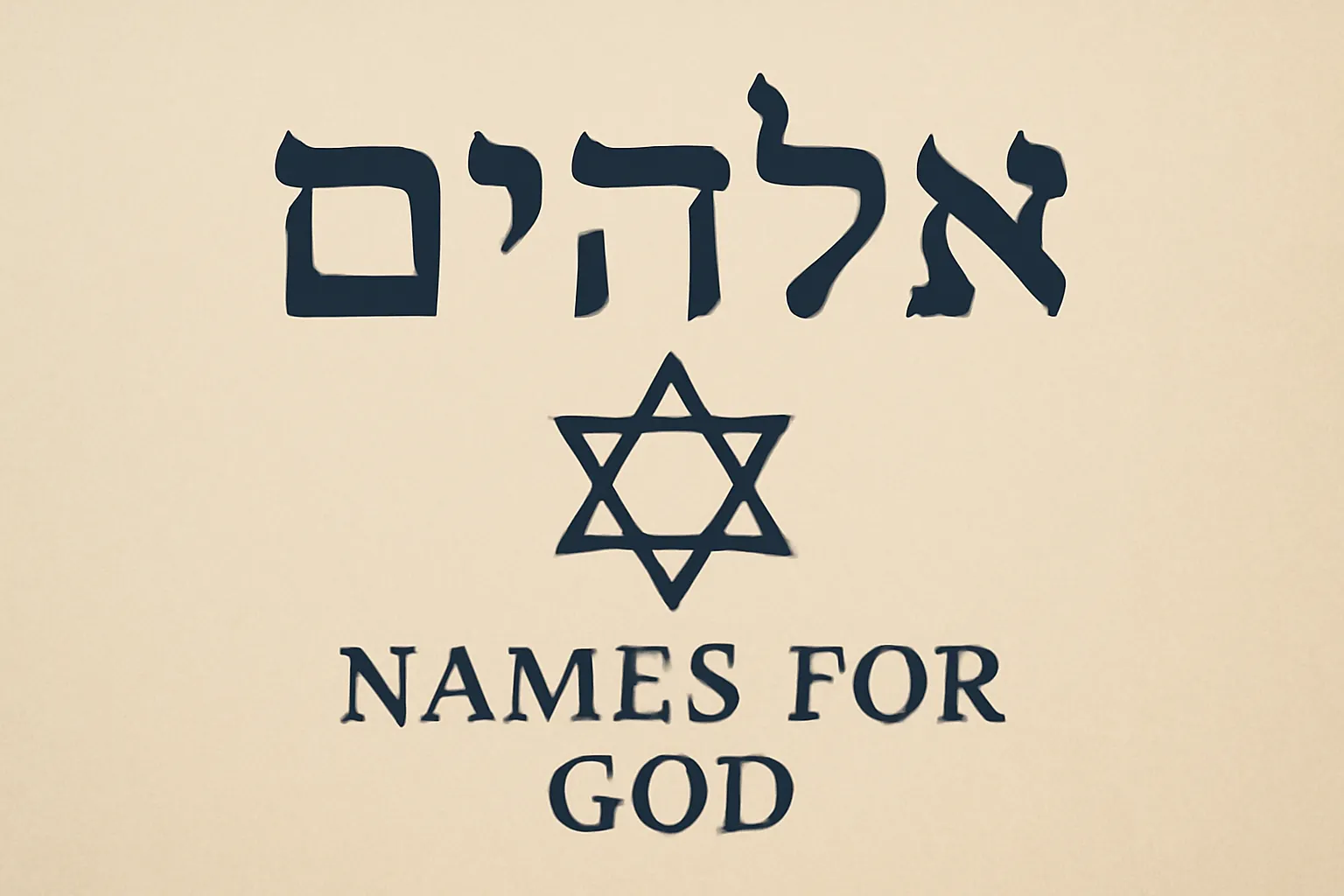
The root El signifies God in many Semitic languages. In the Hebrew Bible, a cluster of titles built on this root emphasizes power, sovereignty, and justice. The most common of these are Elohim, El Shaddai, El Elyon, and El Olam.
Elohim
Elohim is a grammatically plural noun that is frequently used with singular verbs when referring to the God of Israel. This form invites nuanced interpretation: it can signal majesty and plenitude, or it can reflect a semantic echo of ancient Near Eastern polytheism reframed within a strictly monotheistic framework. In many biblical passages, Elohim conveys the sense of divine power, judgment, and sovereignty in creation, revelation, and governance of history.
Usage notes:
Often appears in the opening of biblical narratives, inaugurating creation and judgment scenes.
In poetic and prophetic books, it may be paired with other epithets or used alongside Boreh (“the Creator”).
In modern translations, Elohim is typically translated as “God.”
El
El is a shorter, foundational form that occurs in several compound names (see below) and as a generic epithet for God in early biblical poetry and prose. It often conveys the idea of power and divinity in the abstract, sometimes used in juxtaposition with human kings or city patrons in the ancient world.
El Shaddai
El Shaddai is traditionally translated “God Almighty”. The precise etymology of Shaddai is debated; it may relate to “mountains,” “breasts,” or “destroyer” in various linguistic strands. In the biblical arc, this name emphasizes God’s unlimited power to bless, sustain, and safeguard the covenant people. It appears in early patriarchal narratives and in salvation history, often alongside assurances of fertility, abundance, and protection.
El Elyon
El Elyon translates as “God Most High” and stresses a topmost sovereignty that surpasses earthly rulers and other powers. In biblical usage, this epithets frames God as the ultimate source of blessing and the supreme judge who governs history and destinies.
El Olam
El Olam means “Everlasting God” or “God of Eternity”. The name situates divine existence beyond time, offering a sense of continuity and timeless covenantal fidelity. El Olam appears in prophetic and psalmic literature to describe God’s enduring presence with creation and with Israel across generations.
Names Connoting Relationship, Action, and Covenant
In addition to the broad “El” family, several names and epithets highlight the dynamic relationship between God and humanity, especially the people of Israel. These names illuminate how God acts in history, protects the vulnerable, upholds justice, and reveals divine will.
Tzevaot: Lord of Hosts
Tzevaot (often translated “hosts” or “armies”) conveys God’s sovereignty over the heavenly realm and earthly realms alike. The phrase Adonai Tzevaot or YHWH Tzevaot appears in prophetic literature as a reminder that God orchestrates the battles, verdicts, and destinies of nations and peoples. In worship, this name invites trust in divine protection and the ultimate victory of moral order, even amid peril.
Ehyeh Asher Ehyeh: I Will Be What I Will Be
Ehyeh Asher Ehyeh is a pivotal biblical statement from the Book of Exodus. It is sometimes treated as a formal self‑name of God in scholarly readings, signaling a dynamic presence that “will be with” Israel in all times and circumstances. Often shortened to Ehyeh in descriptive contexts, the phrase emphasizes divine self‑revelation and the relational aspect of the covenant: God who reveals, sustains, and acts within history.
Yah (an ancient short form)
Some biblical and liturgical usages rely on a shorter form of the divine name in certain phrases, especially in poetic or liturgical contexts. While not a formal name on its own, the element Yah appears in psalms and hymns as a compact reference to God’s proper name, often integrated with other terms to evoke praise and covenantal memory.
Names in Prayer and Liturgy
Jewish prayer relies on a core set of divine names that appear repeatedly across daily, Sabbath, and festival liturgies. The structure of the prayers themselves often relies on the relationship implied by these names: God as creator, ruler, judge, redeemer, protector, and comforter. The following list highlights where such names commonly appear and how they function in worship.
Adonai — the central liturgical substitute for YHWH; used in most recitations from the Torah and in daily and Sabbath prayers.
HaShem — “the Name,” a casual but respectful term used in speech and study outside formal services.
Elohim — used in blessing and liturgical phrases to denote God’s power, sovereignty, and righteous governance.
El Shaddai — appears in prayers and biblical allusions to divine might and blessing.
El Elyon — invoked in prayers for justice, salvation, and the establishment of divine kingship in a moral order.
El Olam — used to recall God’s eternal covenantal presence and protection across generations.
These names are not merely decorative; they shape the cadence of confession, thanksgiving, supplication, and praise. For learners, recognizing the nuanced usage of each name helps illuminate how Jewish liturgy encodes theology through language.
Kabbalistic and Mystical Names: The “Shem” and Other Epithets
In Jewish mysticism, especially within Kabbalah, there are additional terms and layers of meaning that go beyond the standard biblical epithets. While these topics require careful study, a basic overview helps readers understand how God’s names function in mystical practice and spiritual contemplation.
The Shem HaMeforash and Related Traditions
In medieval and later mysticism, some teachings discuss the Shem HaMeforash (the explicit or “inscribed” Name) and related derivative forms. These names are treated with extreme reverence and are not part of mainstream daily practice. They are often discussed in the context of esoteric prayer, meditation, and protective rituals. For readers, it is important to distinguish between public, normative practice and private, speculative traditions. Most Jewish communities do not encourage casual use of these names outside of authoritative teaching and safeguarding contexts.
Other Epithets in Jewish Mysticism
Within Kabbalistic literature, a variety of additional divine attributes are explored through names that conjure specific manifestations of God’s presence. These include epithets that speak of mercy, justice, wisdom, and concealment. While not as ubiquitous as the standard biblical names, they enrich the vocabulary of Jewish spiritual imagination and reflect a long history of spiritual seeking and interpretive creativity.
Pronunciation, Respect, and the Ethics of Names
Because the divine Name carries sacred weight in Judaism, communities have developed etiquette and guidelines around how to speak and write about God. This respect is not merely ceremonial; it reflects a theology in which language expresses reverence, humility, and a responsibility to speak truthfully about the divine.
Pronunciation practices
YHWH is traditionally left unpronounced in everyday speech. The practice of reading Adonai in place of YHWH in Hebrew scripture is a ritual act that honors the sanctity of the Name. In modern scholarship and casual study, scholars may discuss YHWH or Yahweh as an academic reconstruction, but public prayer uses the conventional substitute.
Casual speech vs. liturgical usage
In many communities, Hashem serves as a respectful, everyday reference to God in casual conversation, storytelling, or teaching. In formal prayer and study, the terms Adonai and Elohim are preferred according to the liturgical calendar and textual tradition.
Ethical considerations
Talk about God is not only about vocabulary; it carries ethical weight. The language used to describe God conveys values, moral priorities, and beliefs about divine justice and mercy. Jewish scholars emphasize that names should be used with care, accuracy, and humility, especially in writing and teaching, to preserve the integrity of sacred tradition.
Practical Guide: How to Learn and Use These Names
For students, educators, and readers seeking a practical grasp of God’s names, the following strategy can help build understanding without losing sight of reverence and accuracy.
Learn the core set: YHWH, Adonai, Elohim, El Shaddai, El Elyon, El Olam, Tzevaot, and Hashem.
Note the context: Where is the name used (creation, covenant, salvation, judgment, praise)? How does it shape the passage’s message?
Differentiate pronunciation rules: Recognize when a reader should say Adonai or Hashem in public worship, and when a scholarly discussion might reference Yahweh for comparative study.
Use bolded terms to emphasize meaning: When writing or teaching, highlight the Name as a concept and the individual identifiers as specific attributes (power, mercy, eternity, hosts, etc.).
To practice, try reading a psalm or prophetic passage and identify which divine name appears. Write a short note about how that name shapes the tone of the passage and what it tells you about God’s role in that moment of history or prayer.
Glossary of Major Names and Epithets
The following glossary lists the most common terms, with a concise explanation of their meaning and typical usage. This can serve as a quick reference for students and readers navigating primary texts and commentaries.
YHWH — The Tetragrammaton; personal Name of God; traditionally not pronounced aloud in Jewish practice.
Yahweh — Scholarly reconstruction of the original vocalization of YHWH; used in some academic contexts.
Jehovah — A historical Christian rendering based on combining YHWH’s consonants with the vowels of Adonai; not preferred in Jewish tradition.
Adonai — “My Lord”; primary liturgical substitute for YHWH in reading and prayer.
Hashem — “The Name”; common informal reference to God outside formal prayer.
Elohim — A powerful, sovereign form of God; often used to denote divine creation and justice.
El — A foundational form meaning “God”; appears in compound names and poetic contexts.
El Shaddai — “God Almighty”; emphasizes divine power and blessing.
El Elyon — “God Most High”; highlights supreme sovereignty over all creation.
El Olam — “Everlasting God”; emphasizes eternity and covenantal fidelity.
Tzevaot — “Hosts” or “Armies”; God as commander of heavenly and earthly forces.
Ehyeh Asher Ehyeh — “I will be who I will be”; a foundational self‑revelation of God’s presence and faithfulness.
Ehyeh — A shortened form of the above phrase, referring to God’s sustaining presence.
Closing Reflections: Names as a Map of God’s Ways
Names for God in Judaism are more than vocabulary; they are a map of how God is believed to interact with the world. They capture a range of divine aspects: God as creator and sustainer, as judge and redeemer, as protector and guide, as mighty force and intimate covenant partner. The careful use of these terms—especially in study and worship—helps believers cultivate a posture of humility before the divine mystery and a sense of responsibility for how language shapes belief and action.
For educators and writers, presenting these names with attention to context, etymology, and liturgical usage can illuminate how Judaism interprets revelation, history, and ethical life. The rich morphology of divine names invites readers to notice nuance: one name emphasizes sovereignty; another emphasizes mercy; another underscores eternity; yet another points to God’s attendance in the midst of struggle. Taken together, they form a tapestry that invites ongoing study, reflection, and reverent speech.