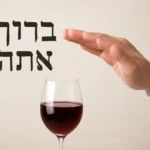
In Jewish practice, blessings before eating—known as berakhot (blessings)—are a daily reminder of gratitude, mindfulness, and connection to community and tradition. The most well-known pre-meal blessing is the Hamotzi Lechem Min HaAretz, said over bread. But meals often feature a wider variety of foods, and there are several other blessings that may be recited before eating, depending on what is being eaten and the customs of a person or community. This article offers a thorough, practical guide to how to say the Hamotzi and to other blessings before meals, with clear explanations, translations, transliterations, and common variations across traditions.
English sense: “Blessed are You, Adonai, our God, King of the universe, who brings forth bread from the earth.”
The essential idea is to acknowledge that bread is a staple food that sustains life and to express gratitude for sustenance provided by God, the land, and human effort. The blessing is traditionally recited whenever one eats bread or bread-like foods that are made from the five grains (wheat, barley, oats, rye, spelt) and that are prepared in a way that makes them bread-like.
Who says the Hamotzi, and when?
The basic rule is straightforward but nuanced in practice:
Recite the Hamotzi whenever you eat bread or bread-like items (e.g., rolls, bagels, pita, challah, or breads baked into other foods).
If the meal includes bread, even if you also eat other foods, the Hamotzi is typically recited on the bread portion first.
If you begin a meal with non-bread foods, then later eat bread, you should recite the Hamotzi when you eat the bread.
There are variations by community and custom, but the principle remains: the blessing matches the primary sustenance being eaten at that moment.
Other blessings you may say before meals
Not every food is covered by Hamotzi. Depending on what you’re eating, you may recite one of several other blessings before meals. Here are the main categories, with Hebrew text, transliterations, and explanations.
Borei Pri HaEtz — the blessing on fruit of the tree
Hebrew: ברוך אתה ה’ אלוהינו מלך העולם בורא פרי העץ
Transliteration: Baruch Atah Adonai Eloheinu Melech HaOlam, Borei Pri HaEtz
English sense: “Blessed are You, Adonai our God, King of the universe, who creates the fruit of the tree.”
This blessing is recited before eating fruits that come from trees (e.g., apples, oranges, grapes, bananas). It is not used for vegetables or leafy greens. Some traditions reserve this blessing for edible fruits that come from trees, while others differentiate between fruit eaten fresh vs. fruit that is dried or processed—always consult your community’s practice if you’re unsure.
Borei Pri Hadama — the blessing on fruits of the earth
Hebrew: ברוך אתה ה’ אלוהינו מלך העולם בורא פרי האדמה
Transliteration: Baruch Atah Adonai Eloheinu Melech HaOlam, Borei Pri HaAdama
English sense: “Blessed are You, Adonai our God, King of the universe, who creates the fruit of the earth.”
This blessing applies to produce that grows from the ground, such as vegetables (e.g., carrots, lettuce, potatoes), depending on tradition. Many vegetables and cooked vegetables are covered by Borei Pri Hadama, but there are sometimes local customs or rabbinic nuances. If you’re unsure, consult a halachic authority or follow your community’s practice.
Borei Pri Hagafen — the blessing on wine or grape juice
Hebrew: ברוך אתה ה’ אלוהינו מלך העולם בורא פרי הגפן
Transliteration: Baruch Atah Adonai Eloheinu Melech HaOlam, Borei Pri Hagafen
English sense: “Blessed are You, Adonai our God, King of the universe, who creates the fruit of the vine.”
This blessing is recited before drinking wine or grape juice. It is common to drink wine or grape juice at meals, especially in festive settings, and the blessing is recited whenever you consume these beverages before or during the meal, provided you are drinking in a way that requires a blessing.
Borei Minei Mezonot — the blessing on foods made from mezonot (grain products that are not bread)
Hebrew: ברוך אתה ה’ אלוהינו מלך העולם בורא מיני מזונות
English sense: “Blessed are You, Adonai our God, King of the universe, who creates varieties of foods.”
This blessing is used for foods made from grains that are not bread—for example certain cookies, cakes, pastries, cereals, or other baked goods where the items are derived from the mezonot category and are not consumed as bread (i.e., not eaten as a slice of bread). If a food contains a significant amount of bread or is prepared in a bread-like form, the Hamotzi blessing usually applies.
Shehakol Niyeh Bidvaro — the general blessing for items without a specific category
Hebrew: ברוך אתה ה’ אלהינו מלך העולם שהכל נהיה בדיו
English sense: “Blessed are You, Adonai our God, King of the universe, by whose word all things came to be.”
The Shehakol blessing is used for foods and beverages that do not fit any of the other categories (for example, most mixed dishes, coffee, tea, or certain snack foods). When in doubt, this blessing is often the fallback option.
Special notes on timing and order
If a meal includes both bread and non-bread items, the order of blessings matters. The Hamotzi is recited on the bread first if you eat bread, and then other blessings may follow for additional foods, or vice versa depending on what you eat first.
If you begin with a bread-like product (even if you intend to eat a broader meal), you typically say the Hamotzi on the bread portion, and you may then recite the appropriate blessings for other foods you eat during the meal.
In some meals, a person may say multiple blessings in a row if multiple different categories of foods are eaten separately (e.g., bread first, then a fruit with Borei Pri HaEtz, then a pastry with Borei Minei Mezonot).
How to practice saying blessings before meals
Putting the blessing into practice involves a blend of language, intention, and habit. Here are practical steps you can follow to observe pre-meal blessings with clarity and reverence.
Step-by-step approach
Look at the food and identify what you are about to eat first. Decide which blessing is appropriate for that item based on its category.
Say the blessing aloud before tasting the food. This is an act of gratitude and acknowledgment of the sustenance provided.
Hold the blessing until you have a moment of intention (kavanah): pause slightly, make eye contact with the food if possible, and reflect on the gift of nourishment and community.
Eat and enjoy after the blessing. If you later switch to a different category of food, say the appropriate blessing before consuming that item.
Common practical variants across communities
Ashkenazi practice: A broad use of the six main blessings described above, with attention to bread first, and careful recitation of the Mezonot blessing for appropriate pastries when bread is not eaten.
Sephardi and Mizrahi practice: Some differences in phrasing and order; for example, certain communities may begin with the fruit blessing for fruits, and may have nuances for when a mixed dish contains multiple components. Always follow your community’s custom or consult a local rabbi if you are unsure.
No physical grace over food is required; you may say the blessing aloud or quietly, but always prior to tasting the food (unless you are reciting a blessing in a formal group setting).
Practical scenarios: examples of blessing before meals
Below are several common meal scenarios and how one would typically approach blessings in each case. These examples illustrate how the rules apply in real life and how to think about variations.
Scenario 1: A loaf of challah at a Shabbat meal
Begin with the Hamotzi blessing on the bread portion: Baruch Atah Adonai… Hamotzi Lechem Min HaAretz.
After you eat the bread and then begin the rest of the meal with vegetables, fish, or dessert, you recite the appropriate blessings for those items if they require one (e.g., Borei Pri Hadama for vegetables, Borei Minei Mezonot for some pastries, or Shehakol for other items).
Scenario 2: Fruit is served as a snack before a main course
If you are eating fruit, say Borei Pri HaEtz (if it’s fruit from a tree) or Borei Pri Hadama (if it’s a fruit/vegetable from the ground) before tasting.
If coffee or tea accompanies the fruit, determine the appropriate blessing for those beverages (often Shehakol, unless the beverage belongs to a different category).
Scenario 3: A dessert that is a cake or cookie
If the dessert is made from a grain and is not bread-like in form, you may recite Borei Minei Mezonot before consuming it. If it is bread-like (for instance, a slice of cake with a bread-like texture) and intended to be a staple bread substitute, you would use Hamotzi.
Scenario 4: A meal with wine at a celebration
Before drinking wine, recite Borei Pri Hagafen. If you drink a small glass of wine during the meal and then switch to water, you still recite Borei Pri Hagafen for that wine, and a separate blessing is used for later beverages if required.
Textual variants and common variations
Blessings are ancient and standardized to a degree, but there are textual variants and customary differences among communities. Here are some notes to help you navigate variations while preserving the core intent of gratitude and acknowledgment.
Variations in language and pronunciation
While the core wording of the blessings is stable, some communities adjust the ending of the blessing phrase to align with their liturgical melodies or dialects. The essential elements—praise to God, the recognition of the category of food, and the act of blessing—remain intact.
Transliteration can vary: you may see “HaAretz” or “HaAretsts,” “HaEtz” vs. “HaEtz,” or minor differences in how “Borei Pri” is pronounced in different languages (e.g., Hebrew, Yiddish, Ladino-influenced speech, etc.).
Different customs for certain foods
Some people have specific customs about pressing the first bite or making a short blessing before a bread crumb crumbly piece (for example, if bread is served but you only nibble and do not eat a full portion, you might still recite the blessing if one is about to eat more bread).
In some families, a blessing is recited before consuming dairy products at a dairy meal, and the same categories apply: if dairy is the main component on a plate, the appropriate blessing should be recited before tasting that item, such as Shehakol for a mixed dairy-dish or a dairy dessert that doesn’t fit another category.
Common questions and clarifications
Q: If bread is on the table but I don’t eat it, do I say Hamotzi?
A: Generally, you recite the Hamotzi only if you actually eat bread. If you will not eat bread at that meal, you do not recite Hamotzi on bread you didn’t consume. If later you eat bread, you would then say the Hamotzi.
Q: Can I say the Hamotzi even if I plan to eat only pastries?
A: If the pastries are still considered bread-like or made from the five grains in a bread form, some authorities would say you recite Hamotzi. If they are more like cake or cookies and do not resemble bread, you would use Borei Minei Mezonot instead. In practice, if the pastry is distinctly bread-like and meant to be eaten as a bread substitute, the Hamotzi is often used.
Q: What about a meal with multiple courses—bread at one point and fruit later?
A: Use the appropriate blessings for each course as you eat. If you begin with bread, say Hamotzi when you eat it. If you later eat fruit, say Borei Pri HaEtz or Borei Pri Hadama as appropriate for the fruit. If a dessert is a mezonot item, say Borei Minei Mezonot, and so on.
Q: How does this apply to kids and beginners?
A: Teaching children is often a key part of developing lifelong habit. Start with the basic rules: identify the item, select the correct blessing, say it clearly before tasting, and then eat. Use simple transliterations and practice sentences to help children memorize the main blessings. Repetition in family meals is a natural way to reinforce these blessings as part of the daily routine.
Historical and rabbinic grounding
The practice of blessing before meals is rooted in the Talmud and codified in later halachic authorities. The following points offer a snapshot of the background and why these blessings matter.
In the Talmud, blessings before eating are discussed as a way to acknowledge God’s role in sustaining life and to cultivate gratitude for daily nourishment. The primary tractate dealing with blessings is Berakhot, with discussions about when to recite which blessing and how to handle ambiguous foods.
In medieval and later halachic codices, such as the Shulchan Aruch, Halakhic authorities organized the blessings by category (bread, fruit, wine, mezonot, etc.) and provided guidance on order, timing, and exceptions. Over centuries, communities refined customs that reflect their geographic and cultural contexts.
Scholarly writings and Mishneh Torah commentaries offer nuance on cases such as foods eaten together with bread, dried fruits, desserts, and beverages. The core principles—recognition of God, gratitude, and mindful eating—remain constant across generations.
Tips for households and communities
Consider having a small card on the table with the main blessings (in Hebrew, transliteration, and English) for quick reference during meals, especially for families with children or visitors who may be unfamiliar with the text.
Practice the blessings in a calm, respectful cadence. This helps foster a sense of dignity and gratitude during meals rather than performing the blessing as a mere formality.
When hosting meals with people from different backgrounds, be mindful of varying customs. If you are unsure about a guest’s practice, you can invite them to say the blessing that aligns with their tradition or offer a note ahead of time about which blessings will be used.
a framework for mindful eating
The practice of saying blessings before eating—above all, the Hamotzi for bread and the other blessings for fruits, wine, and mezonot foods—serves as a daily reminder to pause, recognize, and give thanks for sustenance. It connects meals to a broader spiritual framework, reinforces gratitude for the land and its produce, and honors the labor of harvest, baking, cooking, and hospitality. While the exact text and sequence can vary between communities, the underlying intention remains the same: to acknowledge that our food is a gift and that we share our blessings with God, family, and community.
If you are new to these practices, start with the core blessing for bread: “Baruch Atah Adonai Eloheinu Melech HaOlam, Hamotzi Lechem Min HaAretz”, and gradually expand your practice to include the other blessings as you encounter different foods. With time, these blessings can become a natural and meaningful part of meals, enriching everyday eating with intention, gratitude, and connection.