Jewish Sabbath Prayer: A Guide to Shabbat Prayers and Blessings
The Sabbath, or Shabbat, is central to Jewish life and liturgy. Spanning from Friday sunset to Saturday night, it is a time set aside for rest, family, study, and spiritual renewal. The Shabbat prayers weave through this rhythm, guiding worshippers from candle lighting and intimate blessings to communal prayers in the synagogue. This guide explores the core prayers and blessings that mark Shabbat across traditions, explains their order, and offers practical insights for both newcomers and longtime participants. While Shabbat prayer has a shared structure, communities—from Ashkenazi and Sephardi to Chabad-Lubavitch and Conservative congregations—bring their own melodies, phrases, and customs. By reading this guide, you’ll gain a clear map of the Shabbat liturgy and a deeper appreciation for its spiritual fabric.
The Framework of Shabbat Prayer: A Big Picture
On Shabbat, the liturgy unfolds in a distinctive cycle that reflects the sanctity of the day. The sequence typically includes:
Candle lighting and the blessings that usher in Shabbat on Friday evening.
A Friday night Kiddush over wine, followed by a festive meal.
Kabbalat Shabbat, the traditional welcoming service that precedes the Friday night Ma’ariv service and introduces the themes of peace, rest, and blessing.
Shabbat Ma’ariv (the Evening Service) and the sanctification of the day through scriptural and poetic selections.
Shabbat Shacharit (the Morning Service), which includes blessings, songs, the Shema, and the Amidah (the standing prayer).
The additional Shabbat Musaf service, a special add-on that acknowledges the sanctity of Shabbat within the daily cycle.
Shabbat Mincha (the Afternoon Service), often followed by a festive third meal, Seudah Shlishit.
Closing Havdalah, the ceremony that separates the holy time of Shabbat from the ordinary weekday.
In practice, you may encounter regional and denominational variations, especially in how prayers are sung, whether certain Psalms are included, and which arias or readings are emphasized. The throughline, however, remains consistent: sanctify the day, enjoy rest and mitzvot (good deeds), and turn toward God through praise and gratitude.
Preparing for Shabbat: Candles, Blessings, and Welcoming the Day
Candle Lighting: The First Act of Shabbat
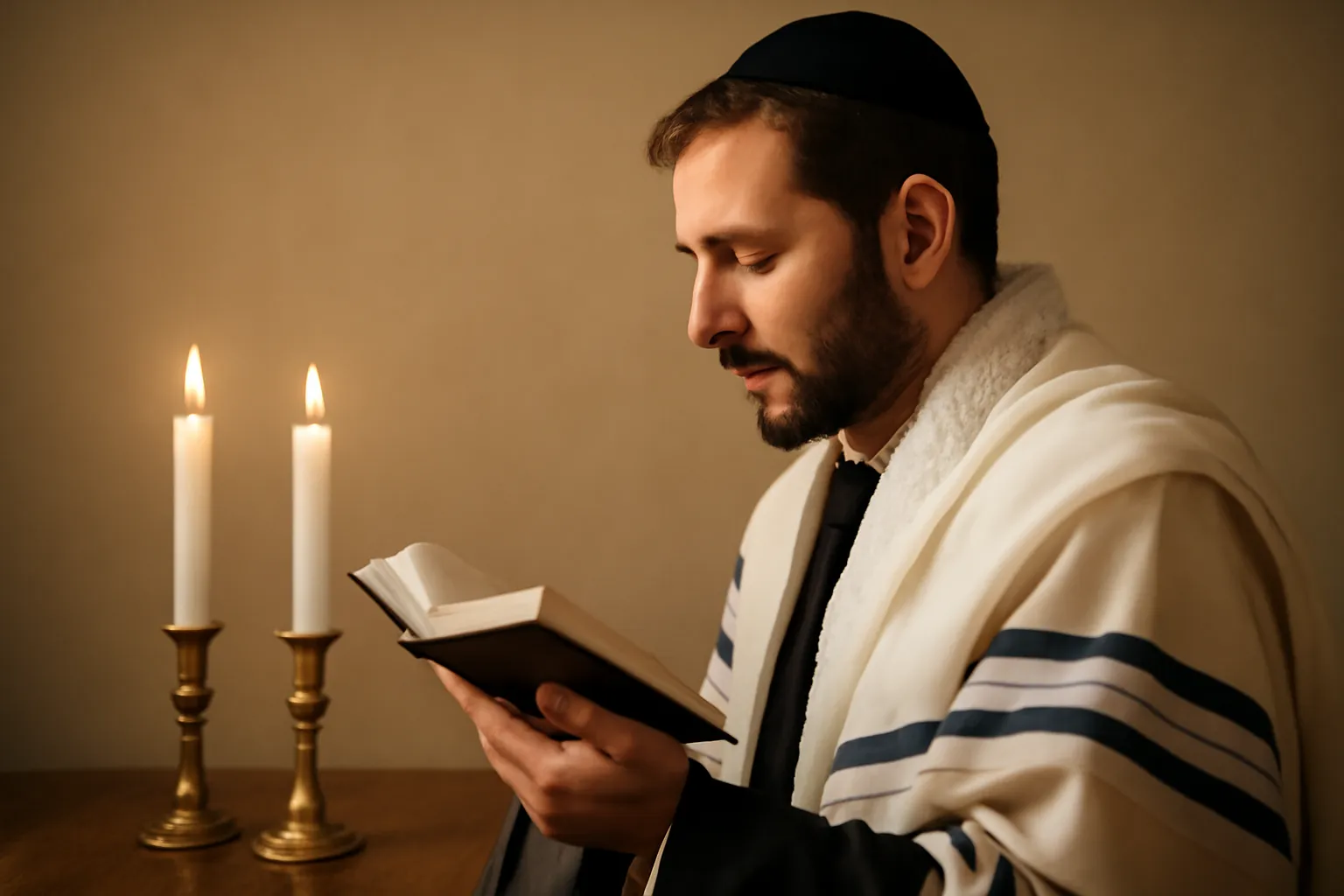
Many Jewish households begin with the warm glow of candles that mark the entrance to Shabbat. The candle lighting blessing is traditionally recited by the person lighting, commonly a woman, though men and nonbinary people may perform this rite as well. The blessing is typically:
Blessing over the candles: “Baruch Atah Adonai, Eloheinu Melech Ha-Olam, asher kid’shanu b’mitzvotav v’tzivanu l’hadlik ner shel Shabbat” (Blessed are You, Lord our God, King of the Universe, Who has sanctified us with His commandments and commanded us to light the candles of Shabbat).
The lighting of the ner shel Shabbat (the Shabbat candle) is a ritual that creates a sensory boundary between the ordinary workweek and the sacredness of the day. For many families, the candles are placed at the threshold of the home, turning a private moment into a public declaration of peace and sanctity.
Kiddush, the Sanctifying Drink
After lighting the candles, families traditionally gather for a Kiddush on Friday night. This blessing over wine or grape juice sanctifies the Shabbat and marks its official entry into the household. The Friday night Kiddush often occurs at the head of the table before the Seudat Shabbat (the Shabbat meal). The blessing is usually recited as a blessing over the wine, followed by the text that proclaims Shabbat as a day of rest and holiness.
Welcoming Shabbat: Lecha Dodi and Shalom Aleichem
In many communities, the Kabbalat Shabbat service begins with a poetic reception of the day. A central piece is Lecha Dodi, a poem welcoming the Shabbat Queen (Shabbat) and inviting her to rest and peace in the home and in the heart. The verses are often sung to lilting tunes that create a mood of anticipation and reverence.
Before the main Friday night service, several households or synagogues also recite Shalom Aleichem, a blessing that welcomes angelic hosts who accompany the Shabbat and wish peace upon the participants. These opening songs and prayers set a tone of harmony and rest for the night to come.
Shabbat Evening Service: Ma’ariv and the Inner Themes of Night
The Ma’ariv (Evening Prayer) on Shabbat carries with it unique additions and omissions that reflect the sanctity of the day. While the structure resembles weeknight evenings, certain elements are emphasized to honor Shabbat’s character as a time of rest and spiritual elevation.
The Shema and its blessing, with particular attentiveness to phrases about rest, protection, and trust.
The recitation of the Amidah (Shemoneh Esrei) in its Shabbat form, which includes the appropriate weekday and Shabbat prayers.
Additional blessings and prayers that celebrate the Shabbat, such as Magen Avot (the “Protectors of the Fathers” blessing) in the Shabbat version.
A focus on the poetic lamps of night—psalms and hymns that speak of peace, rest, and gratitude for the day’s gifts.
Across communities, the melodies of Ma’ariv on Shabbat often feature slower tempos, lilting cadences, and expansive choirs or congregational singing. The experience is designed not only to recite words but to usher hearts toward the sweetness and serenity of Shabbat.
Shabbat Morning Service: Shacharit, Pesukei D’zimra, Shema, and Musaf
Shabbat morning worship is the centerpiece of weekly prayer for many Jews. It blends liturgical poetry, foundational prayers, and the special Musaf service that honors the sanctity of Shabbat within the daily cycle.
Pesukei D’zimra (Verses of Song): A collection of praises and blessings beginning the service, including selections from Psalms and poems such as Yishtabach and Baruch She’amar.
Shacharit (Morning Blessings and God-centered Prayers): A sequence that includes blessings for light, Torah study, and daily sustenance, followed by the Shema and its blessings.
The Amidah (Silent Prayer): The central benediction where worshippers present personal requests to God; on Shabbat, the Shabbat Amidah includes elements and wording that celebrate Shabbat’s sanctity.
Torah Reading (in most communities): A portion from the weekly Torah reading is read aloud, followed by a blessing over the Torah.
Musaf (Additional Service): A special Shabbat service that expands the day’s liturgy with prayers that reflect the extra sanctity of Shabbat as compared to the regular weekday cycle. The Musaf prayers include sections like Malkhuyot, Zichronot, and Shofarot (the triple set that evokes kingship, remembrance, and the shofar’s motif, though the exact text varies by tradition).
In practice, Shabbat morning is often a longer, more expansive experience. The congregational tone tends to be celebratory yet reverent, balancing the joy of rest with the discipline of liturgical structure. The weekly Torah portion, if read in the synagogue, provides a narrative throughline that connects prayer with study and contemplation.
Shabbat Afternoon and Seudah: Mincha and Seudah Shelishit
As Shabbat moves into the afternoon, the liturgy retains its dignity while turning toward gratitude for the day’s sustenance. The Mincha service on Shabbat is typically shorter than the morning service, but it sometimes includes selections that were not part of the morning prayers, reinforcing the sense of closure as Shabbat wanes.
Many families and congregations use the afternoon as a time for a second festive meal, Seudah Shlishit (the third meal), and Birkat HaMazon (the Grace After Meals) with additional Shabbat-sensitive language. In some Ashkenazi and Sephardi communities, Seudah Shlishit is a window for reflection, songs, and sharing, often punctuated by a brief study or discussion about the week to come or the portion just read.
During Mincha, some communities add special piyyutim (liturgical poems) or readings that echo the themes of peace and rest that define Shabbat’s end is in sight.
At Seudah Shlishit, songs such as zemirot (liturgical songs) or reflective readings may be shared, with an emphasis on gratitude, community, and the coming week.
Birkat HaMazon on Shabbat follows a slightly different cadence and sometimes includes additional blessings that acknowledge the sanctity of the day and the joy of its nourishment.
Havdalah: Separating Sacred Time from the Weekday World
When the stars appear on Saturday night, the Havdalah ceremony marks the official end of Shabbat. The ritual involves a braided candle, blessings over wine, and spice to carry the sweetness of Shabbat into the week. The standard components are:
Blessing over the wine (to separate the holy from the ordinary).
Blessing over the spice (to perfume the air and evoke the sweetness of Shabbat spirit).
Blessing over the candle (to symbolize the illumination Shabbat brings to the week ahead).
In many homes, Havdalah becomes a small, intimate ceremony that can include songs, blessings, and discussions about the transition back to daily life. The idea is not merely to end a day but to carry forward the sense of peace, gratitude, and connection into the coming week.
Variations Across Traditions: How Different Communities Practice Shabbat Prayer
The core architecture of Shabbat prayer is common, but the experience can feel distinct depending on the tradition. Here are some key differences you might encounter:
Ashkenazi communities often emphasize melodic, broad choral singing and distinct piyutim during Shabbat services. The Shabbat Amidah, the inclusion of certain readings, and the order of certain prayers may reflect the Ashkenazi rite.
Sephardi/Mizrahi congregations may place more emphasis on the musicality of the readings, with unique piyyutim and a slightly different order of verses in certain prayers. The language may be interwoven with Judeo-Arabic or Ladino influences in some communities.
Chabad-Lubavitch communities often incorporate the Chassidic melodies of Kabbalat Shabbat and emphasize spiritual joy in the Friday night Lecha Dodi and the Ist interpreter’s stylings of Ma’ariv.
Conservative/Reform communities may adapt the liturgy to contemporary sensibilities, use bilingual siddurim, or incorporate egalitarian participation. Even within reform settings, the structure of Shabbat prayers that celebrate rest and holiness remains a guiding framework.
Despite these variances, all traditions share the intention to sanctify Shabbat and to create a meaningful rhythm that honors rest, family, learning, and prayer. The choice of tunes, readings, and timings offers a rich tapestry that reflects communal history and personal devotion.
Practical Guidance for Participating in Shabbat Prayer
Whether you are visiting a synagogue for the first time or returning after a long absence, the following practical points can help you participate with confidence and ease:
Arrive prepared with a siddur (prayer book) or a digital copy, and consider a transliteration if you are not fluent in Hebrew. Some communities provide transliterations for the Shema, Amidah, and key blessings.
Familiarize yourself with the order of services: Kabbalat Shabbat and Ma’ariv on Friday night; Shacharit and Musaf on Saturday morning; Mincha on Saturday afternoon; and Havdalah on Saturday night. This helps you anticipate responses and participate in congregational singing.
Follow along with the congregation for the more communal blessings, such as the Chazarat Hashatz (response-based parts) or the Kiddush blessings. If you are unsure, listen carefully to the people around you or ask politely for guidance from a host or rabbi.
Respect the cadence of the service. In many synagogues, it is customary to pause between major segments to reflect, meditate, or offer a personal prayer. If you join late, do not rush to catch up; you can join in where your capacity allows, and consider catching up later with a study or a moment of quiet contemplation.
Participate in the singing and responsive prayers when possible. Music is a long-standing vehicle for elevating the mood and embedding the themes of Shabbat—peace, rest, gratitude, and community.
Be mindful of when to stand, sit, or bow. These movements are traditional signals of reverence during certain blessings or readings. If you are unsure about a particular practice, follow the lead of the community or respectfully observe the local custom.
Key Prayers and Phrases: A Glossary and Quick Reference
Below is a compact glossary of some central prayers and phrases you will encounter in Shabbat prayer settings. The list includes the Hebrew terms, transliterations, and brief meanings, with emphasis on those frequently encountered in Shabbat services.
Kiddush (sanctification; blessing over wine) – the framing blessing for Shabbat dinner and sometimes lunch.
Kabbalat Shabbat (receiving/shabbat welcoming) – the Friday night service that introduces Shabbat themes.
Lecha Dodi (come, my beloved) – a central poem sung during Kabbalat Shabbat that personifies Shabbat as a beloved guest.
Shalom Aleichem (peace be upon you) – a traditional greeting and blessing for the welcoming angels of Shabbat.
Ma’ariv/Arvit (Evening Prayer) – the nightly service, with special Shabbat phrasing and additions.
Shacharit (Morning Prayer) – the morning service, including prayers for gratitude and daily sustenance.
Pesukei D’zimra (verses of song) – the opening litanies and psalms that praise God and prepare the heart for prayer.
Shema – the central confession of faith, with its blessings that frame the declaration of God’s unity and protection.
Amidah (Shemoneh Esrei) – the silent standing prayer, recited three times daily (including Shabbat) with special Shabbat versions.
Musaf (Additional Service) – the extra Shabbat service with themes of kingship, remembrance, and the shofar motif.
Mincha (Afternoon Prayer) – the late-day service with its own structure and songs.
Birkat HaMazon (Grace After Meals) – the blessing after meals, often with added Shabbat language to celebrate the day’s blessings.
Havdalah (Distinguisher) – the ritual marking the end of Shabbat with wine, spice, and candle.
Ner (candle) – the physical flame that embodies the light of Shabbat and its sanctity in the home.
Translations and transliterations vary by tradition, but the meanings tend to converge on the same spiritual ideas: God’s presence, rest from labor, gratitude for creation, and communal blessing.
Common Questions About Shabbat Prayer
If you are exploring Shabbat worship for the first time, you may have questions about how the prayers are chosen, what to expect, and how to participate respectfully. Here are a few frequently asked questions and concise answers to help demystify the experience:
What makes Shabbat prayers different from weekday prayers? On Shabbat, certain prayers are expanded, certain verses are emphasized, and the mood tends to be more celebratory and serene. The Musaf service, in particular, is a distinctive addition that reflects the special status of Shabbat.
Do all communities recite the same prayers? Most core prayers are common, but melodies, readings, and minor liturgical variations differ by tradition and congregation. Some communities also add supplementary psalms or poems and different songs during Lecha Dodi and Kiddush.
Is it necessary to understand Hebrew to participate? Not necessarily. Many congregants rely on transliterations and translated inserts. The experience of prayer—listening, singing, and joining in the required verses—counts as participation even if you are not fluent in Hebrew.
What should a visitor do if they are unsure? Observe the common responses, follow the cantor, and politely ask for guidance. Showing respect for the local practice is valued in every community.
A Brief Historical Note: The Living Tradition of Shabbat Liturgy
The Shabbat liturgy has evolved over centuries as Jews dispersed across continents created diverse musical settings, philosophical reflections, and legal frameworks around prayer. The foundations of Shabbat prayers lie in the biblical and rabbinic core—an invitation to sanctify time through remembrance, gratitude, and communal worship. Throughout the generations, sages, poets, and musicians have added intrecci like the piyyutim (liturgical poems) and biblical excerpts to broaden the emotional range of the service. Today, many Jews experience Shabbat prayer as a bridge between ancient tradition and modern life, allowing a sense of continuity, identity, and spiritual nourishment that can be shared in synagogues, homes, and study halls around the world.
The Spiritual Rhythm of Shabbat: How Prayer Supports Everyday Living
For many, Shabbat prayers do more than recite words; they anchor a weekly pattern that refreshes the soul. The rhythm of Friday night and Saturday morning is designed to cultivate:
Rest and disengagement from weekday demands, enabling a clearer space for study, conversation, and reflection.
Gratitude for creation, family, and the gift of rest, as expressed in prayers, blessings, and songs.
Holiness through the ritual acts of lighting candles, sharing meals, and repeating sanctifying phrases with a community.
Education through Torah readings, psalms, and sermons that enrich understanding and inspire ethical living.
In this sense, Shabbat prayer is not merely a set of words but a practice that shapes a person’s week by inviting contemplation, generosity, and joy. The language of the prayers—whether in Hebrew, transliteration, or translation—becomes a shared vocabulary for discussing life’s deepest questions: where we find meaning, how we treat others, and how we connect to something larger than ourselves.
Whether you approach Shabbat prayer as a lifelong tradition or as a new exploration, there is a place for curiosity, reverence, and participation. The beauty of Shabbat prayers lies in their capacity to adapt to a community’s voice while retaining a timeless core: a time to pause, praise, and prepare for the week ahead. By embracing the order of services—from candle lighting to Havdalah—and by listening to the cadence of prayers across Ashkenazi and Sephardi melodies, you can experience the Shabbat in a way that is both rooted in tradition and alive with personal meaning. This guide aims to be a resource for understanding the architecture and feel of Shabbat prayer so that you can participate with clarity, confidence, and a sense of wonder.
May your engagement with Shabbat prayers bring you peace, rest, and gratitude as you welcome the day and welcome God’s presence into your home and heart.