Introduction to Christianity Exorcism: Beliefs, Practices, and Controversies
Exorcism in Christianity, often described in modern terms as a religious rite aimed at expelling demons, sits at the intersection of theology, liturgy, and lived religious experience. Across centuries and cultures, Christian communities have wrestled with questions about the nature of evil, the reality of spiritual forces, and the means by which human beings are delivered from what is understood as demonic influence or possession. While the vocabulary and procedures differ from one tradition to another, the core concern remains the same: how to name, confront, and overcome what believers perceive as a malevolent or enslaving spiritual power in the world and in the lives of individuals.
This article surveys the major strands of Christian exorcism and related practices—often described as deliverance ministry in some Protestant circles—as well as the debates that accompany them. It explores foundational beliefs about who has the authority to act, how the spiritual struggle is understood, and what counts as legitimate practice versus harm. The discussion covers Catholic, Orthodox, Anglican, and Protestant forms of exorcism, along with broader concerns raised by psychology, anthropology, history, and ethics. The aim is to provide a thorough, balanced overview that helps readers understand why exorcism remains a live, sometimes controversial, topic within Christianity.
Throughout this piece, terms like possession, exorcism rite, deliverance prayer, and spiritual warfare will appear in bold to highlight their importance in the conversation. Variants of the phrase Christian exorcism—such as exorcism in Christianity, Rite of Exorcism, or deliverance ministry—are used to emphasize semantic breadth and to reflect how different communities frame the same underlying experience.
Historical roots and theological foundations
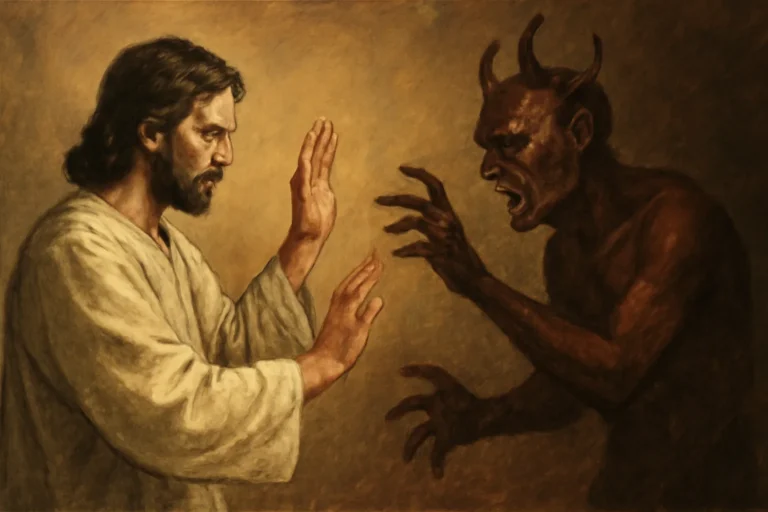
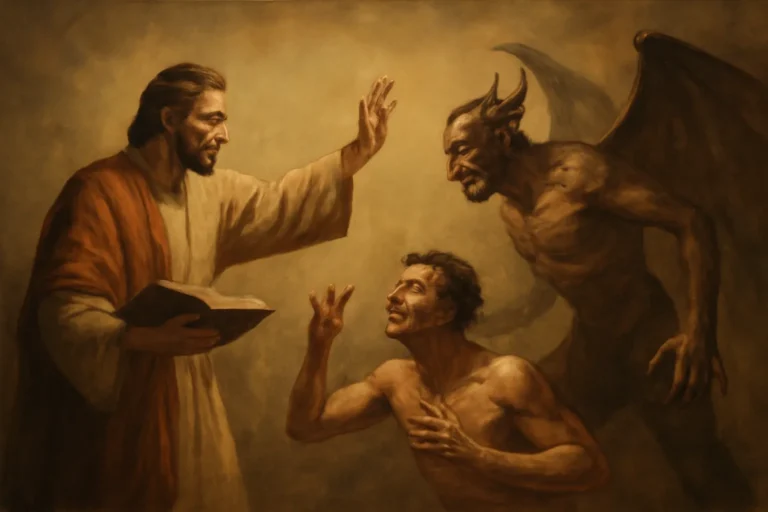
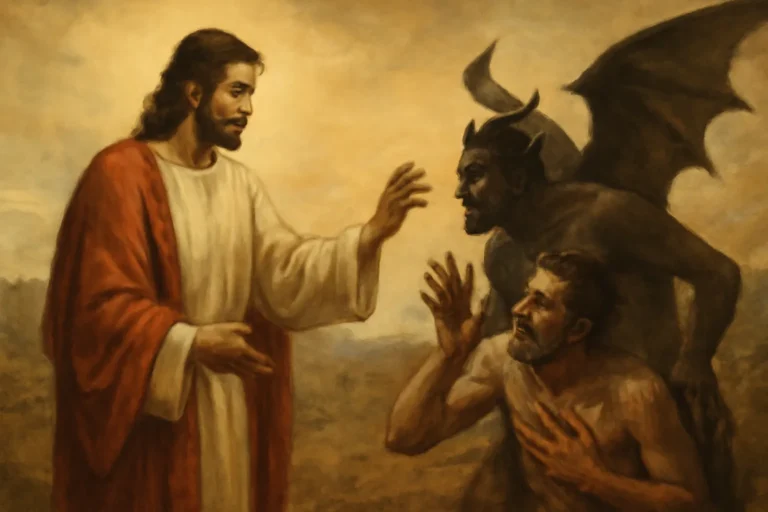
The concept of driving out evil spirits appears in the earliest Christian texts and in the Jewish milieu from which early Christians emerged. The New Testament contains several accounts of Jesus Christ confronting and expelling demons, which many readers take as authoritative models for later exorcistic practice. Notable passages include accounts of Jesus commanding unclean spirits to leave a person and to come out of a man, often with the power and authority that believers ascribe to his name. Over time, Christian communities came to view exorcism as a legitimate form of ministry rooted in the authority given by Christ to his apostles and their successors.
The development of structured exorcism comes later in church history. In the early church, exorcism tended to be exercised by elders and bishops, sometimes within the broader framework of baptism and catechesis. A growing sense of the church’s institutional identity—especially in the medieval West—produced more formalized rites and canonical guidelines. The medieval and early modern periods saw debates about the nature of demonic activity, the appropriate roles of clergy, and the limits of church power. The Rites and Prayers for the Exorcism of the Roman Catholic tradition, which crystallized in the post-Reformation era, provided a template that would define official Catholic practice for centuries.
Across the Christian world, the understanding of possession and the efficacy of exorcism has remained contested terrain. Some theologians emphasize the power of Christ’s name and the spiritual authority granted to believers, while others insist that the most important work involves pastoral care, community protection, moral formation, and healing. The tension between a supernatural framework and a psychosocial model has shaped how churches teach, practice, and critique exorcism across time.
Early Christian writings laid the groundwork for seeing exorcism as part of the church’s mission to proclaim the gospel and restore persons to wholeness.
Medieval theologians explored the nature of diabolic influence and the conditions under which exorcism is necessary or prudent.
Modern movements, including the Pentecostal and Charismatic streams, reframed exorcism as part of ongoing spiritual warfare within everyday life.
Theological interpretations of exorcism diverge significantly among Christian families of faith. At the core, most traditions agree that evil exists and that Christ provides a decisive victory over evil powers. Where they diverge is in how that victory is invoked, who may legitimately perform the rite, and what constitutes evidence of deliverance.
Catholic perspective on exorcism
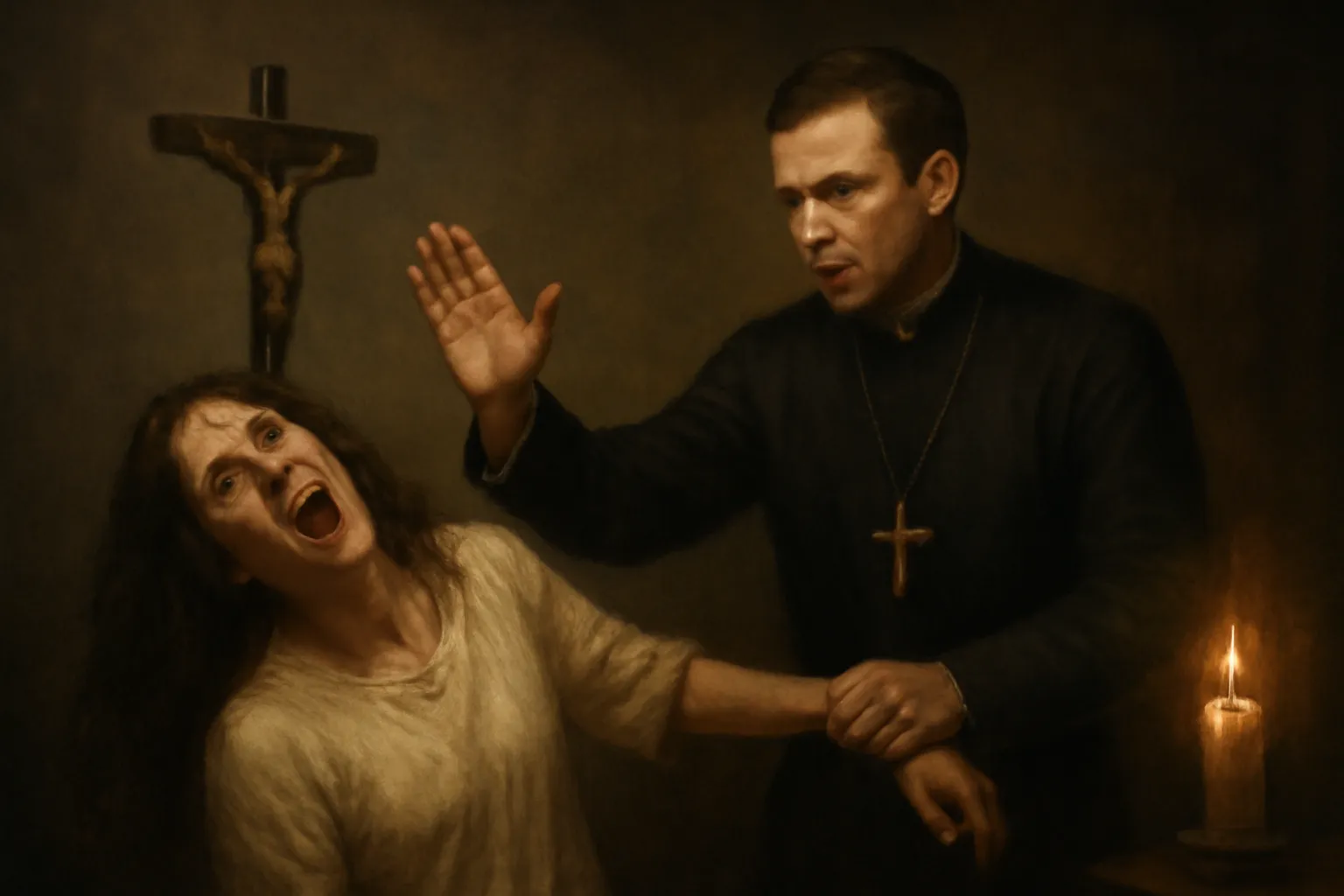
In the Catholic Church, exorcism is not a generic prayer for relief from life’s troubles; it is a sacramental rite with canonical form and pastoral oversight. A major exorcism—the solemn, official rite—is reserved to a priest with explicit authorization from a bishop, and often requires careful discernment and consultation with medical professionals. The rite emphasizes the authority of Christ and the invocation of the Holy Spirit, typically involving liturgical prayers, the reading of Scripture, and the use of sacramentals such as holy water and a crucifix. The exorcist may also employ the laying on of hands, a blessing with the Sign of the Cross, and vocal prayers that call on Jesus’ power to cast out the demon.
Important distinctions in Catholic practice include the presence of a battle against evil forces framed within a broader life of prayer, sacramental grace, and pastoral care. The Catholic understanding includes the possibility that symptoms described as possession may reflect medical or psychological conditions, underscoring the need for careful discernment and collaboration with health professionals. In Catholic teaching, the exorcist’s authority remains ultimately Christ’s authority mediated through the Church, and the rite is not a magical solution but a participation in the grace of God for the afflicted person.
Orthodox Christian approach to exorcism
The Eastern Orthodox Church also treats exorcism as a liturgical, sacramental practice grounded in apostolic continuity. Orthodox rites often emphasize penitence, fasting, and prayer as vital components of spiritual healing. Exorcism may occur within the context of broader liturgical services, the prayer of a bishop or priest, and the use of icons, holy water, and blessed oils. The Orthodox tradition tends to stress the role of the whole church in the deliverance process, with the belief that a collective spiritual life strengthens believers against malevolent powers.
In Orthodox exorcisms, the discernment process remains important, and there is a strong insistence on avoiding sensational displays or coercive practices. The church hierarchy maintains accountability, and exorcists are expected to be shepherds who guide the afflicted toward spiritual health, community support, and the ongoing life of prayer.
Protestant, Anglican, and Pentecostal perspectives
Among Protestant communities, especially within the Pentecostal and Charismatic streams, exorcism becomes a form of deliverance ministry and spiritual warfare. These traditions often emphasize the authority of Jesus’ name, the availability of the Holy Spirit’s power, and the believer’s role in resisting demonic influence through prayer, confession, and repentance. Public prayer meetings, group deliverance sessions, and individual prayers are common modalities, sometimes accompanied by speaking in tongues, prophetic words, or testimonies of breakthrough.
The Anglican and broader Protestant families often translate the idea of exorcism into a spectrum of practices—from formal, liturgical rites administered by ordained clergy in certain settings to more informal, lay-led deliverance prayers in local churches. In many cases, evangelicals stress personal authority in Christ for spiritual emancipation, while more liturgical Anglicans maintain a cautious approach with discernment, pastoral care, and an emphasis on the dignity of each person.
Some evangelical and revivalist communities outside the main regional streams may adopt a more conservative or improvisational approach to exorcism, focusing on the explicit naming of evil, prayerful binding, and a decisive appeal to Christ. The diversity of practice reflects the wide range of theological emphases—grace, sovereignty, liberty in Christ, and the corporate dimension of faith—found within modern Christianity.
Exorcism and related deliverance practices do not occur in a vacuum. They are typically embedded in liturgical or prayerful settings that carry centuries of theological reflection, ritual symbolism, and spiritual intention. Although the details differ among traditions, several components recur in discussions of exorcism rites and deliverance prayers.
Common elements in major exorcism rites
Prayerful invocation of the Holy Trinity and of Jesus Christ’s salvific work.
Scriptural readings that recount Christ’s casting out demons, such as passages from the Gospels, Acts, and the Epistles.
Sign of the cross or other sacramental acts signifying ownership by Christ and separation from evil.
Blessing with holy water, oil, or incense as symbols of cleansing, healing, and sanctification.
Presence or oversight by an ordained minister who bears pastoral responsibility for the proceedings.
Prayers of exorcism or deliverance that explicitly command the spirits to depart in the name of Jesus.
Discernment process to distinguish spiritual factors from medical or psychological conditions.
Pastoral care for the afflicted person and family, emphasizing compassion, safety, and ongoing spiritual formation.
In practice, some traditions emphasize a formal, institutional rite, while others favor a more informal, pastor-led approach. Regardless of form, legitimate exorcism work increasingly includes safeguards, documentation, and collaboration with healthcare professionals when appropriate. A critical feature across traditions is the explicit intent to honor human dignity and avoid manipulation, coercion, or harm to the vulnerable.
Practical considerations and safeguards
Assessment and discernment to rule out medical or psychiatric causes and to consider spiritual factors.
Consent and pastoral oversight to ensure that ministry respects personal autonomy and safety.
Pastoral care teams that follow up with the person after a session or rite.
Community context—exorcism is often framed as a communal encounter with evil, requiring accountability within the church.
The exact structure of the ritual will differ, but the focus remains on naming the sources of distress, invoking Christ’s authority, and seeking restoration and wholeness for the person involved.
Controversies, debates, and ethical concerns
Exorcism in Christianity is not without controversy. Debates span theological interpretation, pastoral accountability, and public safety. Critics—whether psychologists, secular scholars, or concerned church members—warn against conflating spiritual practice with medical diagnosis or mistaking cultural bias for theological truth.
Definitions and boundaries: What exactly constitutes possession versus a complex blend of spiritual distress, mental illness, or social factors? How should communities differentiate spiritual needs from medical care?
Evidence and documentation: How do churches measure or verify success and safety in exorcism or deliverance sessions?
Respect for autonomy and consent: Are participants freely choosing to engage in the rite, or are they coerced by family, community pressure, or charismatic leadership?
Vulnerability and harm: What risks do group deliverance settings pose to minors, individuals with trauma histories, or those with psychiatric diagnoses?
Gender and power dynamics: Have exorcism practices centered or marginalized particular groups, and how do communities address potential abuses of power?
Culture and colonial legacies: In some contexts, exorcism has intersected with cultural domination, social control, or missionary priorities—raising concerns about cultural sensitivity and historical injustice.
Proponents argue that exorcism and deliverance ministry can offer meaningful spiritual support, relief from despair, and a sense of agency in difficult life circumstances. Critics stress the need for scientific literacy, ethical safeguards, and the potential for misinterpretation of symptoms. Responsible engagement requires humility, rigorous discernment, and a commitment to the wellbeing of individuals and communities.
Psychological, sociological, and medical perspectives
From a secular or applied-science viewpoint, many phenomena described as demonic oppression or possession are explored through psychology, psychiatry, and neuroscience. Mental health professionals may interpret distress as manifestations of trauma, dissociative disorders, epilepsy, mood disorders, psychosis, or other medical conditions. Cultural context can shape symptom presentation and the perceived intensity of spiritual experiences.
Sociologists study how exorcism and deliverance ministry respond to social distress, moral anxiety, and communal values. In some communities, exorcism serves to reaffirm shared beliefs, restore social bonds, and address violence or addiction within families. In others, it may reflect power dynamics, control mechanisms, or the marginalization of vulnerable individuals. A careful, multidisciplinary approach emphasizes the dignity and safety of participants while acknowledging the profound significance many believers attach to spiritual warfare and healing.
Because there is no consensus across disciplines on all aspects of exorcism, many churches maintain a protocol that prioritizes collaboration with mental health professionals when indicated, clear documentation, and oversight by experienced clergy. This approach aims to honor both religious conviction and scientific understanding, reducing harm while preserving the spiritual integrity of the practice.
Exorcism in popular culture and media
The figure of exorcism has captured the imagination of many audiences through literature, cinema, and television. Popular representations often dramatize dramatic exorcism rites, dramatic confrontations, and sensational “demonic battles.” In some cases, these depictions reflect enduring myths or ethical concerns; in others, they contribute to stigma or fear surrounding real-world ministry. While media portrayals can raise awareness of the ongoing religious and ethical questions surrounding exorcism, they rarely convey the nuanced theological, pastoral, and medical complexities involved in authentic Christian practice.
For readers who encounter stories about exorcism in film, streaming series, or news reports, it can be helpful to distinguish between fictional drama and actual pastoral care. Real-life exorcism is typically slower, more controlled, and embedded in a framework of discernment, accountability, and care for the person involved.
While this article centers on Christian exorcism, it is important to recognize that beliefs about evil, demons, and spiritual healing are diverse around the world. In many regions, Christian communities collaborate with local customs and cultural understandings, creating a hybrid approach to exorcism and deliverance. In other places, rival religious or secular frameworks may compete with Christian rites for legitimacy. The global conversation thus reflects a wide spectrum of theological, liturgical, and pastoral practices, all seeking to respond to human suffering in light of faith.
In some societies, exorcism is integrated with community rituals, healing services, and long-term mentorship programs for at-risk youth.
In others, exorcism may be restricted to clergy with formal training, emphasizing doctrinal precision and pastoral caution.
Interfaith contexts sometimes explore common ground—such as the shared goal of alleviating distress and promoting human dignity—while preserving distinct religious identities.
toward a balanced understanding of Christian exorcism
Christian exorcism, in all its variations, is a complex phenomenon shaped by theology, liturgy, culture, and history. For some believers, exorcism or its modern form, deliverance ministry, remains a vital source of spiritual strength and communal healing. For others, it is a topic requiring careful scrutiny, ethical safeguards, and a respectful acknowledgment of the boundary between faith-based healing and medical treatment.
A balanced approach to exorcism in Christianity emphasizes three core commitments: clarity about theological claims, care for individuals’ safety and autonomy, and collaboration with health professionals when appropriate. By recognizing the legitimate longing for wholeness that drives exorcistic practices while also acknowledging the danger of harm or misinterpretation, Christian communities can engage in this ancient tradition with discernment, compassion, and integrity.
As religious landscapes continue to evolve, the conversation around exorcism rites and related ministry will likely endure, requiring ongoing reflection about authority, responsibility, and the ultimate source of hope for those who seek deliverance from fear, trauma, or spiritual distress.
What this guide covers The practice commonly described as casting out demons with prayer and fasting is a topic that appears in many spiritual traditions, especially within Christian circles. This article aims to offer a practical, respectful, and educational overview of how some believers approach deliverance through disciplined prayer, intentional fasting, and careful discernment. It…
Evil spirits and demons have long occupied the margins of human imagination, folklore, and religious doctrine. In this extensive exploration of Chapter 6—often titled Evil Spirits and Demons: Chapter 6 or, in scholarly shorthand, Chapter VI—we step beyond the basics and into a deep dive into the lore, the encounters, and the analytic frameworks that…
Bible demon: A Comprehensive Guide to Demons in the Bible Demons appear throughout the biblical narrative in both Old Testament and New Testament texts. They are not mere fables or abstractions; they function as real spiritual beings described in varied roles—tempting, oppressing, possessing, or opposing God’s purposes. This comprehensive guide uses the term bible demon…
Bible Verses to Get Rid of Demons: Powerful Scriptures for Deliverance and Protection Deliverance from spiritual oppression and protection against malevolent forces is a theme woven throughout the Bible. This article gathers biblical verses and practical guidance to help believers understand how Scripture speaks to the reality of demonic activity and the authority Christians have…
The topic of casting out demons appears repeatedly across the biblical narrative, inviting readers to explore what the Bible means by deliverance, exorcism, and the exertion of divine authority over spiritual forces. In everyday language we hear phrases like “casting out demons,” “deliverance ministry,” or “exorcism”, and these terms reflect a spectrum of biblical ideas…